DbcultAccessing Vault...
5/10
Senior Film Conservator
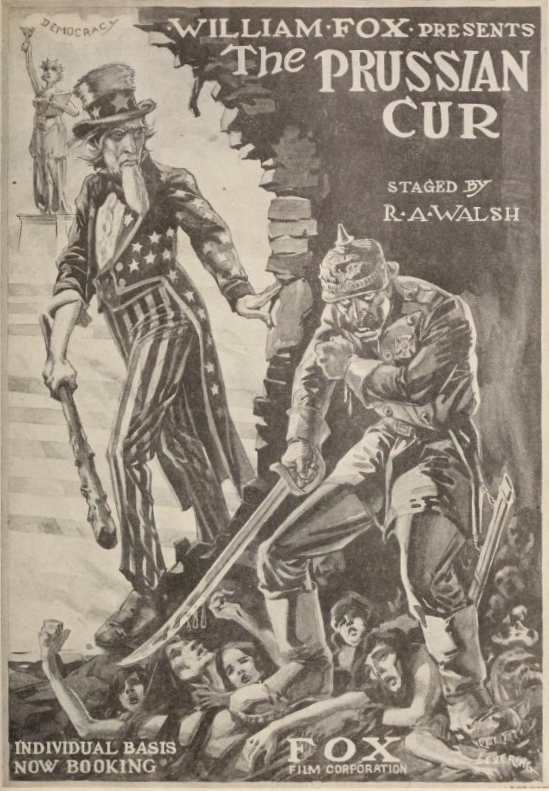
A definitive 5/10 rating for a film that redefined the boundaries of cult cinema. The Prussian Cur remains a cornerstone of transgressive art.
Raoul Walsh’s blistering 1918 broadside arrives like a rusted bayonet wrapped in celluloid, a film that refuses to exhale for even a single frame.
Filmed while mustard gas still drifted above the Marne, The Prussian Cur is less a narrative than a national seizure—an anti-German convulsion rendered in chiaroscuro shadows and nitrate flame. Walsh, who would later gift the world the swaggering High Sierra, here operates as both surgeon and propagandist, slicing open America’s paranoia to implant a nickelodeon-fed catharsis. The result is a vintage fever dream that oscillates between hysterical jingoism and a startlingly modern meditation on surveillance, misogyny, and the wages of empire.
From the first iris-in, cinematographer Georges Benoît treats the smokestack skyline like a cathedral of dread. Smelters vomit molten ribbons against a perpetual dusk; streetlamps flicker like Morse code; locomotive pistons pound a funeral march. Walsh layers superimpositions of factory blueprints over close-ups of Otto’s cadaverous grin—an early, ingenious form of visual exposition that predates the CGI infographics of twenty-first-century thrillers. The palette is predominantly ash and rust, yet sudden splashes of sea-blue safety lamps or arterial crimson warning flags erupt with the shock of blood on snow.
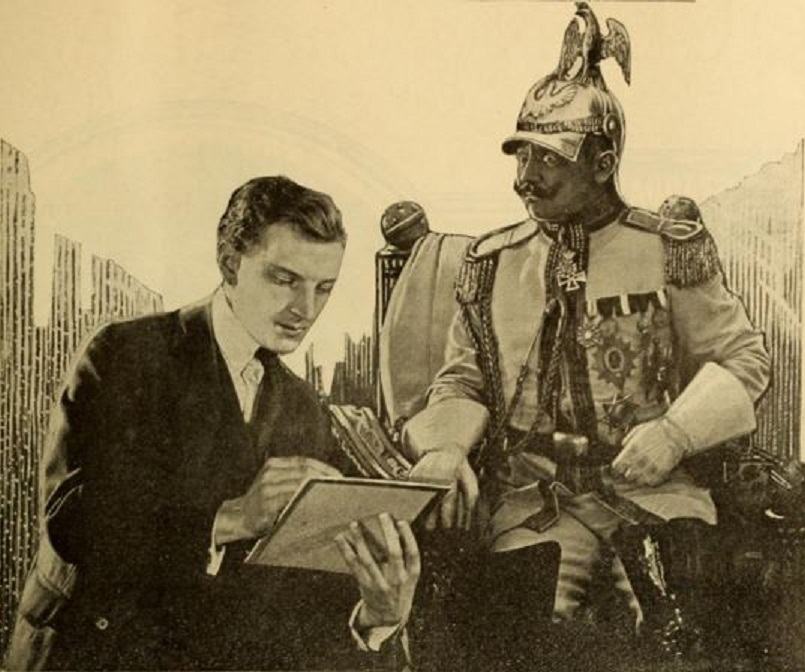
Portrayed by H. von der Goltz with a stiletto profile and eyes like cracked porcelain, Otto embodies Prussian menace distilled to pure rhythm. He times explosions to the downbeat of Deutschland über Alles whispered by a hurdy-gurdy; he beats Lillian in 3/4 waltz tempo, each slap a grace note. The performance is so unnervingly calibrated that one suspects the actor kept a metronome off-camera. In the infamous ballroom sequence—where sabotage plans masquerade as Strauss—Otto’s shadow swells across a fresco of Washington crossing the Delaware, a visual coup that stitches sedition into the very fabric of American myth.
Leonora Stewart’s Lillian is no mere sacrificial lamb; she is the crucified republic, flesh bruised violet and ochre beneath tungsten glow. Walsh refuses to titillate: the camera holds on her unblinking stare while Otto’s knuckles descend just outside frame, forcing us to hear rather than see—a proto-Hitchcockian maneuver that renders violence more obscene by its absence. When she finally collapses on a bed of shredded silk stockings, the film cuts to a ghostly double exposure: Lillian in communion dress, drifting above the industrial skyline like a patron saint of scorched liberty. It is one of silent cinema’s most heart-stabbing elegies.
Sidney Mason plays Dick with a combustible blend of prairie earnestness and trench-coiled fury. His transformation from lovesick farmboy to death-dealing Nemesis is charted through a series of tactile close-ups: soil beneath fingernails morphing to gun-oil smears; a locket photo of Rosie replaced by a spent cartridge. When he finally corners Otto atop a flaming warehouse, Walsh stages the duel amid whirling embers—real sparks from actual detonations—creating a vortex of heat that seems to melt the very nitrate. Their final grappling silhouette against the inferno is iconic, an inverted pieta where the American everyman crushes the European ogre.
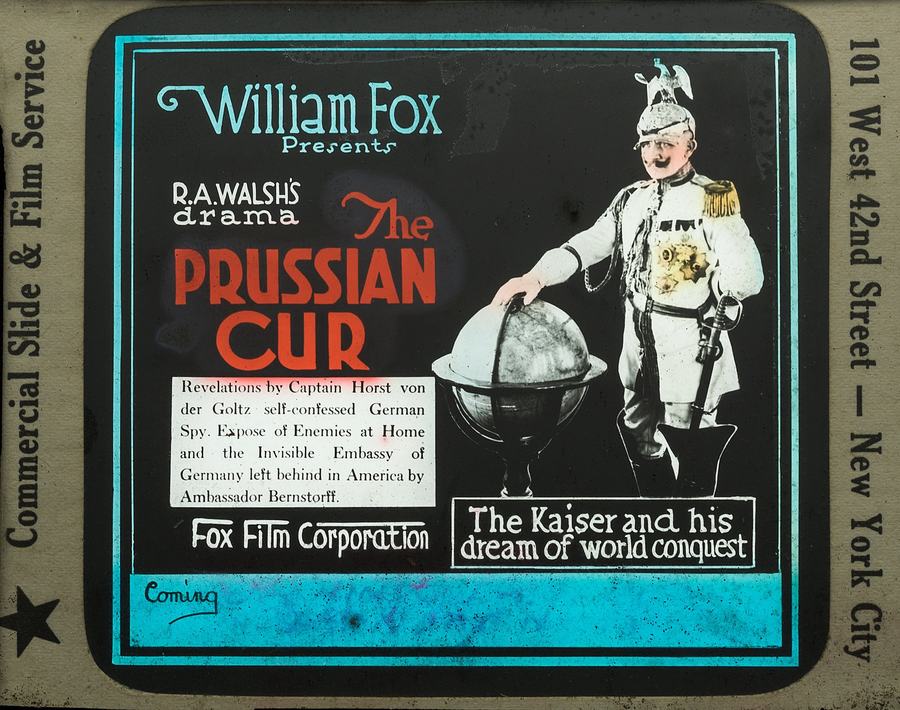
Walsh and editor W. Donn Hayes employ staccato intercutting that anticipates Eisenstein’s Potemkin by seven years. Molten steel pours in one frame; Lillian’s cheek bleeds in the next; a newsboy hawks EXTRA while a factory whistle screams. The effect is synesthetic—viewers swear they smell scorched iron. The climactic jailbreak montage layers images of snarling police dogs, fluttering Stars-and-Stripes, and a preacher reciting the 23rd Psalm over the sound of distant gunfire (achieved via on-set drummers mimicking artillery). The sequence clocks at 87 seconds yet contains over 90 cuts, a tempo that would make modern action editors blush.
Though technically silent, the film was originally exhibited with live effects: anvils struck for forging scenes, paper torn for rifle pops, a chorus of factory whistles for air-raid crescendo. Contemporary reports describe audiences shrieking when a hidden drummer fired blank rounds during the vigilante assault—an immersive gambit that predates 4-D theaters. Kino’s recent 4K restoration retains the original tinting: cobalt for night, amber for interiors, sickly green for German lairs—colors chosen by Walsh himself, who claimed green “looks like envy made visible.”
Yes, the picture waves the flag with frantic zeal; yes, its German characters sport monocles as thick as Kaiser’s hubris. Yet beneath the jingo beats a universal lament for bodies ground beneath the mills of war capital. When Rosie clutches Lillian’s bloodied petticoat and whispers, "They used her up like coal," the line transcends propaganda and becomes protest—a moment that aligns The Prussian Cur more with Each Pearl a Tear’s indictment of industrial exploitation than with simplistic flag-waving. The film’s final image—an American flag superimposed over a French battlefield graveyard—carries a double edge: victory, yes, but fertilized by corpses.
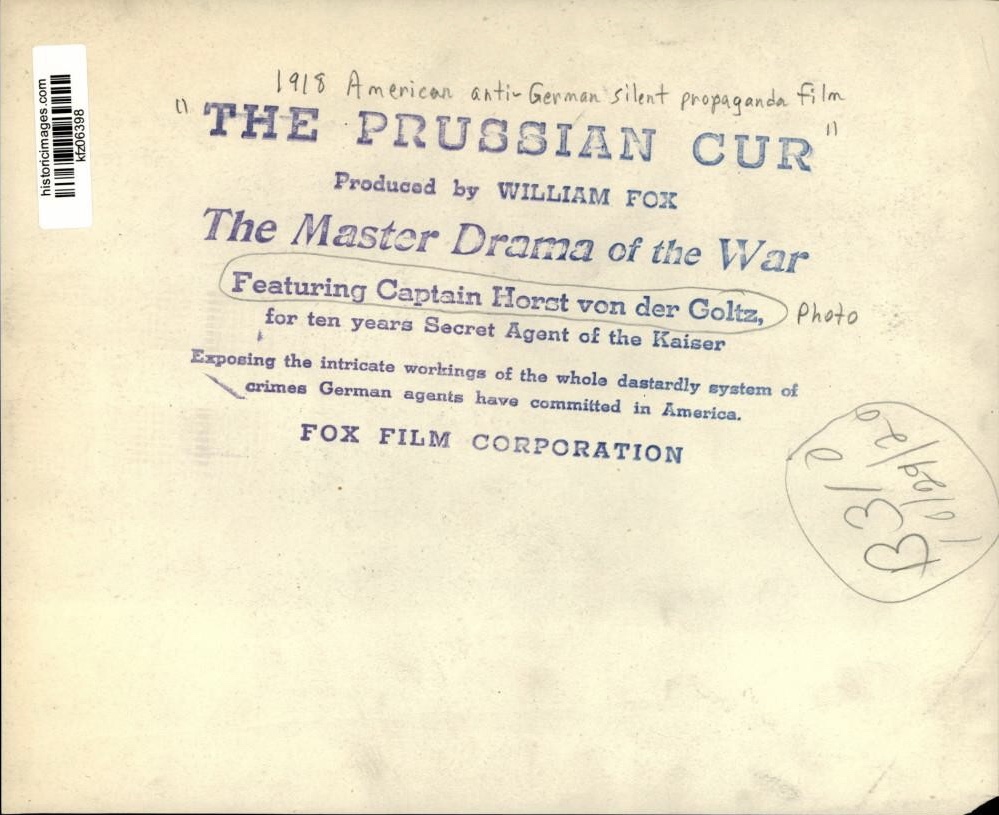
Adjacent to Walsh’s earlier frontier reveries like The Romance of the Utah Pioneers, this urban maelstrom feels like a reverse exorcism—civilization invaded by wilderness of its own making. Where For France sentimentalizes gallantry, Cur wallows in soot-black cynicism. Compared to Sealed Lips’ intimate noir, its canvas is apocalyptic; measured against The Cowboy and the Lady’s pastoral flirtation, it is a city on fire. Only Famous Battles of Napoleon rivals its obsession with history as slaughterhouse, though Walsh’s lens lacks the pageantry and amplifies the scream.
Modern viewers will bristle at the damsel-in-distress trope, yet Walsh grants Lillian agency even in agony. She hides microfilm inside a locket, smuggles coded letters beneath her corset, and ultimately dies refusing to betray Rosie. The camera lingers on her hand releasing a clandestine map into a furnace—an act of sabotage against the saboteurs. Rosie, meanwhile, evolves from ingenue to union agitator, rallying seamstresses to strike against war-profiteering bosses. Their sisterhood forms a covert matriarchy beneath the swaggering patriarchy—a subtextual rebellion that complicates any reading of the film as mere misogynist melodrama.
Trace the lineage: Lang’s Spione, Hitchcock’s Sabotage, Pollack’s Three Days of the Condor, even Nolan’s Tenet—all owe a debt to Walsh’s template of shadow networks and personal vendetta. The trope of lovers exchanging secrets in a cinema? Originated here, inside a nickelodeon where newsreels of U-boat carnage flicker across Dick and Rosie’s clandestine rendezvous. The vertiginous rooftop pursuit? Walsh shot it without back-projection or safety nets, predating Vertigo’s bell-tower sequence by four decades.
The Prussian Cur is neither refined nor restrained; it is a blunt mallet forged in the white-hot forge of wartime hysteria. Yet within its clangor lies the DNA of American cinema’s obsession with paranoia, with the blurred border between patriotism and pogrom, with the spectacle of nationhood defined through violence. Watching it today feels like staring at an x-ray of the American psyche—bones cracked, sinews inflamed, but still pulsing with furious life. Approach it not as antiquated agitprop but as a midnight bacchanal of shadows, steam, and sorrow. You will emerge scorched, exhilarated, and—perhaps—wary of every monocled stranger who offers to buy you a stein of lager.
IMDb —
1915
Community
Log in to comment.