DbcultAccessing Vault...
Cult Review
Senior Film Conservator
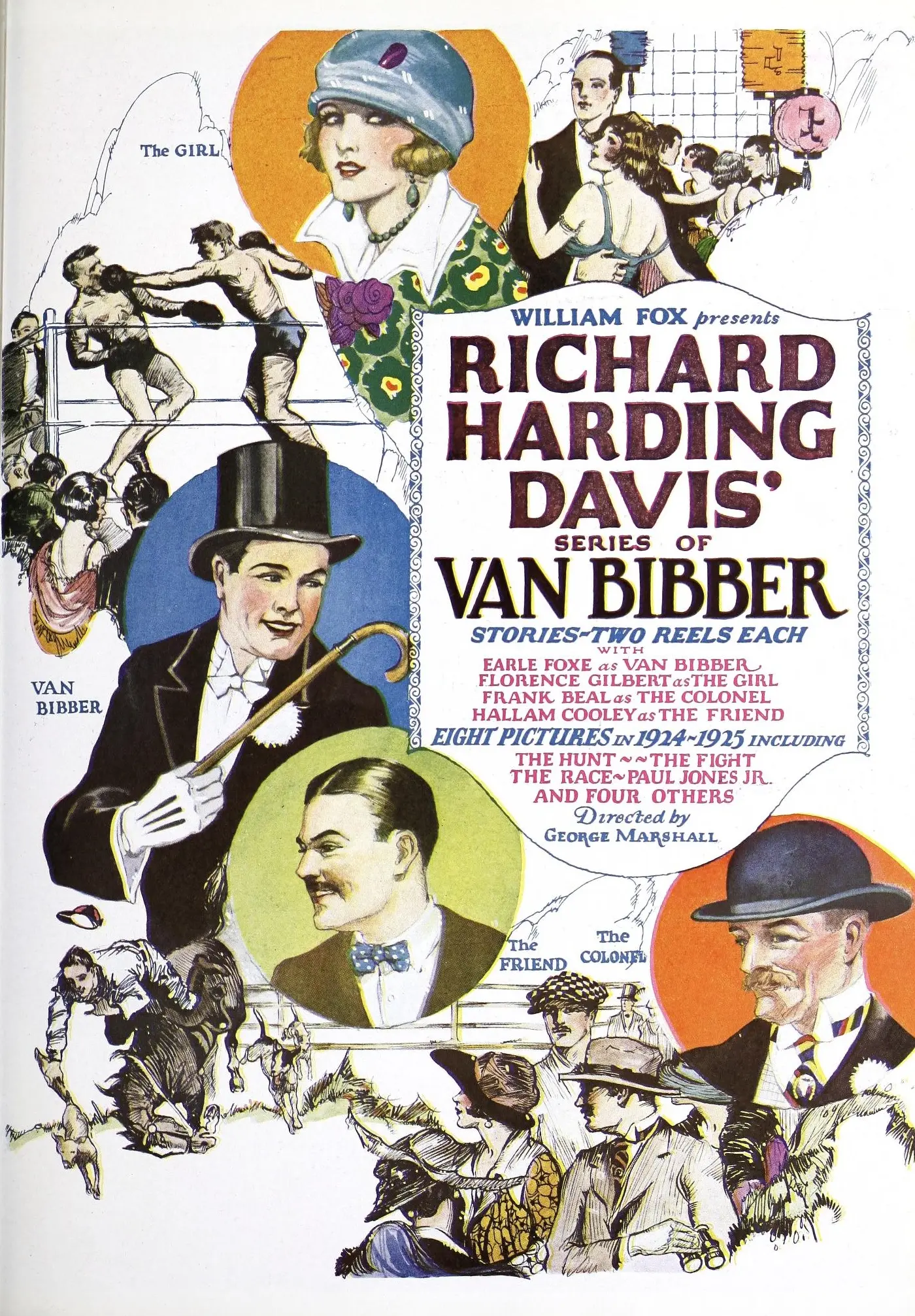
Stepping back into the cinematic landscape of 1924, one encounters a fascinating tapestry of storytelling, where the absence of spoken dialogue amplified the visual narrative to an art form. Among the myriad offerings of that year, a film titled 'The Race' emerges as a compelling artifact, a testament to the era's burgeoning fascination with speed, technology, and fierce competition. Penned by the imaginative minds of Richard Harding Davis and Robert P. Kerr, and brought to life by a dedicated cast including Florence Gilbert, Frank Beal, and Earle Foxe, this picture plunges viewers headfirst into the adrenaline-fueled world of relay auto racing. It's a narrative that, despite its silent nature, hums with an almost palpable energy, demanding attention and rewarding it with a thrilling spectacle of human ambition and mechanical marvel.
The core premise is deceptively simple: Van Bibber, our protagonist, is locked in an intense, personal vendetta against a formidable rival, a clash destined to be settled on the open road in a grueling relay auto race. Yet, within this straightforward framework, the film constructs a surprisingly intricate web of tension and drama. Unlike the more whimsical adventures of something like Jack and the Beanstalk (1924), which relied on fantastical elements, 'The Race' grounds its excitement in the tangible, the mechanical, and the very human desire to overcome. The narrative isn't just about winning; it's about honor, about proving oneself against a backdrop of roaring engines and blurring landscapes. The relay format itself adds layers of strategic intrigue, as success hinges not just on individual speed, but on seamless transitions and the collective effort of a team, a concept that resonates even with modern team-based sports dramas.
For a film produced in an age before synchronized sound, conveying the sheer velocity and danger of an auto race presented a significant artistic challenge. 'The Race' rises to this occasion with remarkable ingenuity. The filmmakers employ dynamic camera angles, often placing the viewer directly in the path of the speeding vehicles or offering a driver's-eye perspective that was revolutionary for its time. Rapid-fire editing creates a sense of dizzying momentum, mimicking the blur of speed and the urgency of the unfolding events. Intertitles, rather than merely advancing the plot, are strategically deployed to punctuate moments of high drama, to convey strategic shifts, or to amplify the emotional stakes, often with bold, evocative typography that screams across the screen. This visual language, a symphony of cuts and compositions, effectively replaces the auditory cues of engine roars and screeching tires, allowing the audience to feel the visceral thrill through their eyes.
The use of practical effects and real automobiles hurtling across actual terrain lends an authenticity that CGI-laden blockbusters often struggle to replicate. One can almost taste the dust kicked up by the tires, feel the vibration of the road through the screen. This commitment to verisimilitude is a hallmark of many silent era action films, from the daring stunts of early serials to the more grounded pursuits seen here. It’s this raw, unfiltered energy that gives 'The Race' a timeless quality, allowing it to transcend its technological limitations and speak directly to the primal human fascination with speed and danger. Contrast this with the more intimate, character-driven struggles of a film like Breaking Into Society, where the 'action' is primarily social maneuvering; 'The Race' is a full-throttle assault on the senses.
The cast of 'The Race' navigates the demanding landscape of silent film acting with commendable skill. Florence Gilbert, a prominent figure of the era, brings a compelling presence to her role, likely imbuing her character with a blend of resolve and vulnerability that would have captivated contemporary audiences. Silent acting required a different kind of performance – one heavily reliant on exaggerated facial expressions, precise body language, and a mastery of pantomime to convey complex emotions without uttering a single word. Gilbert, known for her expressive eyes and graceful movements, would have been adept at communicating the anxieties, hopes, and triumphs of her character, whether she's a supportive love interest, a fellow competitor, or perhaps even a crucial strategist behind the scenes. Her ability to project inner turmoil or steadfast determination without dialogue is a testament to the unique artistry of silent screen performers.
Earle Foxe, often cast in more antagonistic or complex roles, likely embodies the rival with a sneering intensity or a calculating demeanor that makes his opposition to Van Bibber all the more potent. His physical portrayal of competitive drive, perhaps through sharp, aggressive gestures or a perpetually furrowed brow, would have been key to establishing the narrative's central conflict. Frank Beal, a seasoned actor and director, contributes his gravitas and experience to the ensemble, providing a foundational presence that solidifies the film's dramatic weight. The interplay between these actors, particularly in moments of direct confrontation or shared peril, is where 'The Race' truly shines, demonstrating how non-verbal communication can be as, if not more, powerful than spoken dialogue. Their performances are less about subtlety and more about clarity, ensuring that every emotion, every plot beat, is unmistakably conveyed to the viewer, much like the clear, direct storytelling found in adventures like Little Robinson Crusoe, albeit with a very different thematic focus.
While ostensibly a thrilling sports drama, 'The Race' delves into several deeper thematic veins that elevate it beyond mere spectacle. At its heart is the timeless struggle of ambition versus adversity, and the lengths to which individuals will go to achieve victory. The rivalry between Van Bibber and his opponent isn't just about a trophy; it symbolizes a broader societal contest, perhaps echoing the rapid industrialization and competitive spirit of the early 20th century. The automobile itself, a relatively new and exciting technology at the time, represents progress, power, and freedom, but also danger and the potential for catastrophic failure. The film implicitly explores humanity's evolving relationship with machinery, showcasing both its exhilarating potential and its inherent risks.
Furthermore, the concept of honor and reputation, frequently explored in dramas like In Honor's Web or What's Your Reputation Worth?, undoubtedly plays a crucial role here. A public race, especially one with such high stakes, becomes a very visible arena for personal vindication or public humiliation. The pressure on the drivers, therefore, extends beyond just controlling their vehicles; they are also navigating the expectations of their supporters and the scorn of their detractors. This psychological dimension adds considerable weight to the physical demands of the race, transforming it into a crucible where character is forged and tested under extreme duress. The writers, Richard Harding Davis and Robert P. Kerr, demonstrate a keen understanding of these underlying human motivations, even as they craft a story of mechanical prowess.
The year 1924 was a vibrant period for cinema, a time when the industry was rapidly maturing and experimenting with diverse genres. 'The Race' fits squarely into the adventure/action category, a popular staple of the era. It shares a certain kinetic spirit with other films focused on pursuit and overcoming obstacles, such as the Westerns of the time like The Purple Riders, where horseback chases served a similar purpose in generating excitement. While the modes of transportation differed, the narrative drive—the relentless pursuit, the high stakes, the dramatic climax—would have resonated similarly with audiences eager for thrills.
Moreover, the film's focus on a specific, popular sport reflects a broader trend in silent cinema to capture and dramatize contemporary interests. Just as Hey, Rube! might have capitalized on the allure of the circus, 'The Race' tapped into the widespread fascination with automobiles and the burgeoning culture of motor sports. These films served not only as entertainment but also as cultural mirrors, reflecting the public's obsessions and aspirations. While not as overtly comedic as Swat the Fly, 'The Race' still delivers its own brand of tension-release, albeit through the culmination of a high-speed chase rather than a slapstick gag.
The narrative structure, focusing on a clear goal and the obstacles to achieving it, aligns with many successful films of the period, from the more dramatic arcs of Hidden Fires to the adventurous journeys of An Amateur Orphan. What sets 'The Race' apart is its specific subject matter and the effectiveness with which it translates the inherent drama of auto racing to the silent screen. It's a testament to the versatility of the medium and the skill of its creators that such a technically demanding subject could be rendered so compellingly without the aid of sound.
Decades removed from its initial release, 'The Race' continues to offer valuable insights into early filmmaking techniques and the cultural zeitgeist of the Roaring Twenties. For modern audiences, it serves as a fascinating window into a bygone era, showcasing the raw, unpolished charm of early cinema. It reminds us that fundamental storytelling principles – conflict, character, and a compelling resolution – are timeless, transcending technological advancements. While films like Sunset Jones might have offered a different kind of drama, 'The Race' provides a unique blend of sports action and personal stakes that holds up surprisingly well.
The film's exploration of rivalry and ambition remains universally relatable. Anyone who has ever strived to achieve a goal, or faced off against a determined adversary, can find a piece of themselves in Van Bibber's struggle. The visual dynamism, even without sound, is often captivating, proving that spectacle can be achieved through clever cinematography and editing rather than sheer volume. It’s a compelling argument for the power of visual narrative, a skill that modern filmmakers still strive to perfect. In an age of constant sensory overload, the quiet intensity of 'The Race' offers a refreshing, almost meditative, experience that allows the viewer to focus entirely on the visual storytelling.
Moreover, 'The Race' stands as an important historical document, preserving a slice of early automotive culture and the thrill it generated. It captures a moment when the automobile was still a marvel, not a commonplace utility, and racing was an almost mythic endeavor. The contributions of writers Richard Harding Davis and Robert P. Kerr, along with the performances of Florence Gilbert, Frank Beal, and Earle Foxe, ensure that this silent gem resonates with a historical significance that extends beyond its entertainment value. It’s a piece of cinematic archaeology, revealing the foundations upon which generations of action and sports films would be built. Much like unraveling the mystery in The Unseen Witness, watching 'The Race' allows us to uncover the hidden mechanics of early filmmaking success.
Ultimately, 'The Race' is more than just a historical curiosity; it is a vibrant, engaging piece of cinema that speaks to the enduring human spirit of competition and the timeless allure of speed. It showcases the remarkable artistry and innovation present in the silent era, reminding us that powerful storytelling doesn't require dialogue, only vision and a profound understanding of the visual medium. It encourages us to appreciate the foundational works that paved the way for the complex cinematic experiences we enjoy today, proving that sometimes, the most resonant stories are told without a single spoken word, but with the roar of an engine and the determination in an actor's eyes.
IMDb —
1923
Community
Log in to comment.