DbcultAccessing Vault...
Cult Review
Senior Film Conservator
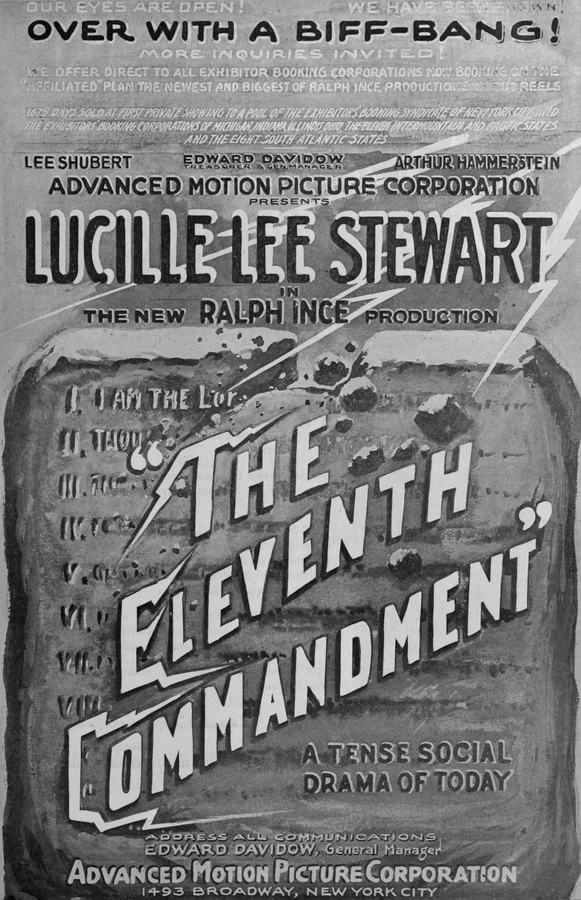
The Eleventh Commandment arrives like a brittle valentine slipped between the pages of early-Jazz-age cynicism: a cautionary folktale that pretends to be about crime, yet bleeds matrimonial theology from every sprocket hole.
Forget Sodom; here the sin is volitional mismatch—Dora’s refusal to marry the man her heart has already notarized. Ralph Ince and Martin Justice confect a universe where romance is regulated by an ersatz Moses, then stand back to watch the heroine discover that the twelfth commandment might as well be “Thou shalt not trust a ticker tape.”
Viewed today, the film feels less like melodrama and more like a cracked mirror held up to meme-stock culture: Royce’s speculative fever is 2021’s crypto discord channel, Dora’s prison term the Twitter cancellation that outlives the crime.
The narrative pivots on a single line of intertitle dogma—an eleventh commandment that never graced Exodus yet carries the moral weight of Deuteronomy. Once Dora breaches it, the storyline mutates into a ledger of liabilities: affection is collateral, trust a promissory note, incarceration the repo man. Ince’s direction keeps the camera deferential, almost liturgical; we hover at eye-level with Grace Reals as she signs away her future in a flourish of fountain-pen ink that feels as final as a death warrant.
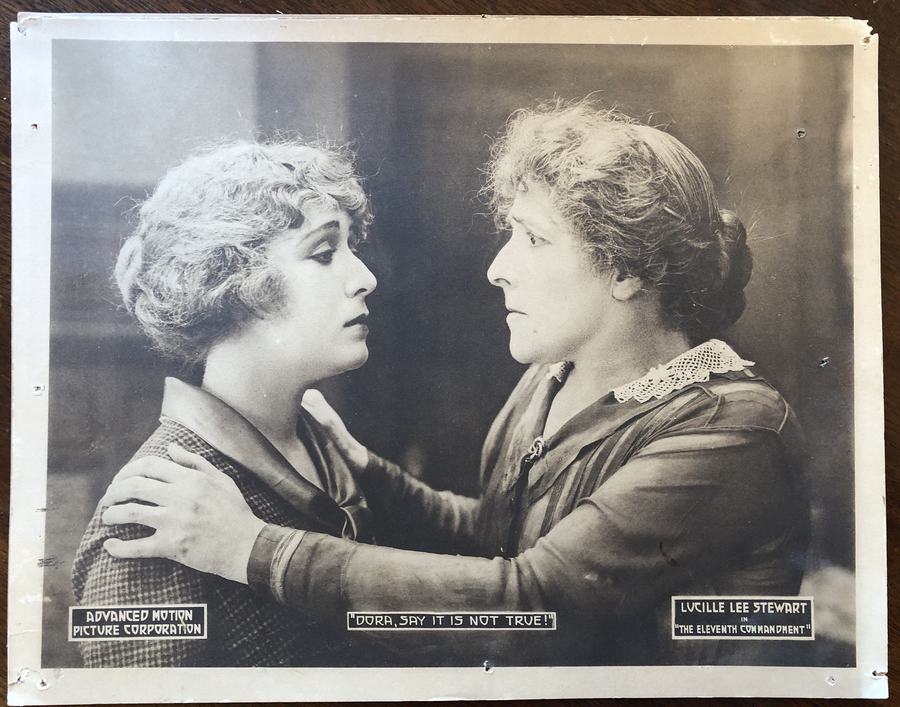
Contrast this with the swagger of Brigadier Gerard, where swashbuckling absolves every sin, or the flinty determinism of The Strong Way. Here, agency is a ghost; Dora’s only choice is which man will monetize her.
Reals’ face—angular, wary—becomes a palimpsest of social shame. In the reformatory yard she clutches her elbows as though physically holding her soul together, eyes flicking sideways like a deer that expects the gunshot of memory at any moment. Walter Miller’s Royce, by contrast, is all porcelain entitlement: his smile arrives a quarter-second before the rest of his face, a tell that even the nickelodeon audience could read.
Lucille Lee Stewart, wasted in the best-friend role, supplies the film’s only oxygen of humor—a raised eyebrow that could slice bread. One aches to imagine her in The Spitfire where the script would let her combust instead of conform.
Cinematographer Jules Cronjager—uncredited yet unmistakable—paints domestic spaces like penitentiaries: window mullions stripe characters with shadow-bars; a lace curtain flutters like the last breath of innocence. When Royce first enters Dora’s boarding-house parlor, the camera frames him through the brass headboard, turning her bed into a proto-noir jail cell long before the judge’s gavel falls.
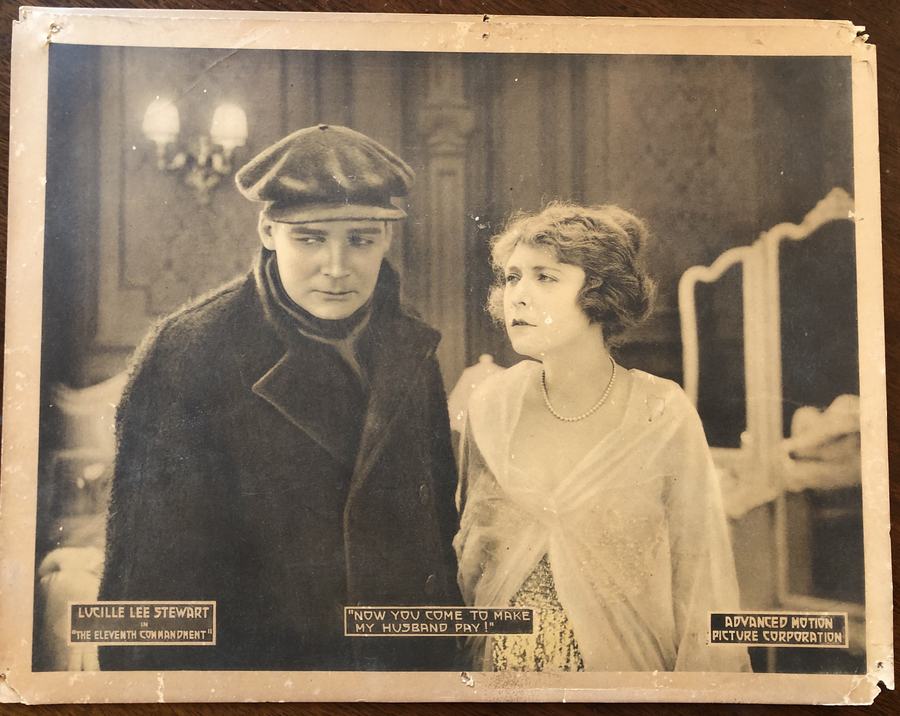
The palette is mostly candle-end sepia, but each time the eleventh commandment is invoked—via intertitle or character harangue—the tint suddenly warms to sulphur yellow, as though the film itself is blushing with heresy.
What chills the modern viewer is how precisely the film maps patriarchal capitalism. Dora’s employer entrusts her with a satchel of cash the way a rancher ties a bell on a heifer: to track value through space. Royce’s wager is merely to re-route that value via masculine risk, while Robert offers the “safety” of marriage—another form of ownership. The movie indicts both options yet offers no third path, unless one counts the grave.
Compare the sexual barter in When False Tongues Speak where at least the heroine wields gossip as currency; Dora’s silence—her refusal to name Royce—reads as saintly but ensures her economic liquidation.
The reformatory sequence—occupying a lean but memorable eight minutes—feels cribbed from sociological pamphlets. Inmates march in lockstep sewing uniforms that will shroud other women’s ambitions. A matron looms like a gothic warden, face a monochrome slab of judgment. Yet Ince refuses sensationalism; the horror is systemic, not sadistic. The camera lingers on a cracked hand-mirror, symbolizing the fractured self Dora must reassemble.
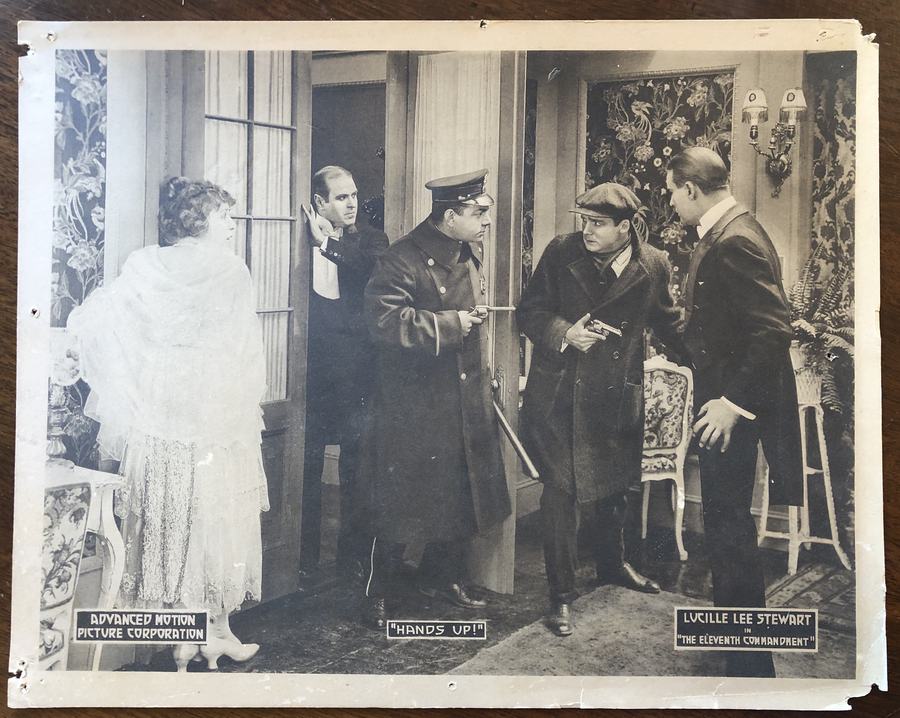
Upon release, she descends a stone staircase toward Robert’s open arms, but the low-angle shot makes her appear to walk into a cage of sunlight—freedom as another trap.
Surviving cue sheets recommend a morbid bridal march for the engagement scene—Wagner’s Bridal Chorus played andante lugubre, as though the organ itself is choking. During the blackmail confrontation, exhibitors were advised to unleash “dramatic tremolo with sudden cymbal crash,” a prescription that converts every piano into a panic attack. One can almost hear the nickelodeon pianist sweating through those chords.
Post-#MeToo, the film vibrates on a frequency of uncomfortable recognition. Dora’s refusal to implicate Royce—her self-immolating chivalry—mirrors the social pressure on victims to protect their abusers from “too harsh” consequences. Yet the script denies her the catharsis of vengeance; instead, a male deus-ex-cop ex machina delivers justice in the form of hot lead. Even Royce’s death-bed absolution is spoken to the husband, not to Dora, underscoring that redemption must still travel through masculine ears to attain validity.
While Danish cinema gave us Blandt Samfundets Fjender with its proto-socialist outrage, and German studios produced Die Gespensteruhr where supernatural guilt devours the bourgeoisie, American silents like The Eleventh Commandment prefer Calvinist accounting: sin, debt, repayment. Only The Fuel of Life comes close to suggesting that poverty itself might be the original sin; Ince’s film insists the fault lies in the heart’s ledger.
No complete 35 mm print is known to survive; what circulates among collectors is a 9.5 mm Pathé-Baby abridgement—eight minutes of brittle exhilaration, flecked like singed newspaper. Even so, Reals’ close-up during the prison door release retains the power to hush a modern audience. The Cinema Arts laboratory managed a 2 K scan, interpolating missing frames with lavender-tinted slugs that remind viewers every second of cinema is a negotiation with absence.
Does one “enjoy” The Eleventh Commandment? Enjoy feels lewd, like sipping champagne at a penitentiary. Yet the film clutches you by the scruff, forcing a reckoning with how effortlessly society still monetizes female choice. Its ethics are antique, but the circuitry of shame, silence, and specious redemption hums beneath every modern swipe-right transaction.
Watch it for Reals’ eyes—two wet searchlights scouring the dark for a kindness that never quite arrives—and leave reminded that every era mints its own Kenneth Royces, its own sacrificial Doras, its own invisible commandments.

IMDb 5.9
1924
Community
Log in to comment.