DbcultAccessing Vault...
Cult Review
Senior Film Conservator
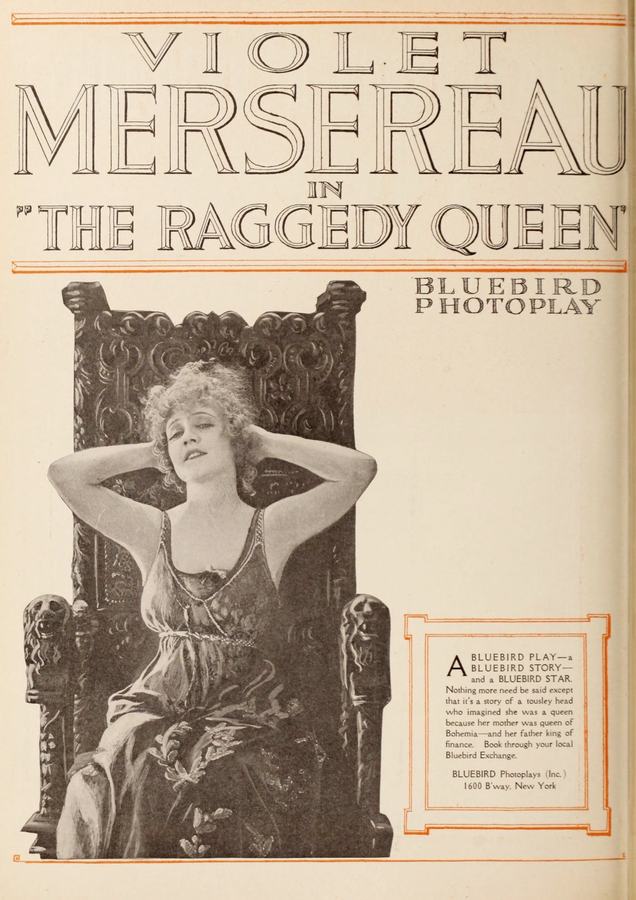
In the annals of early cinema, where narratives often served as moral parables or dramatic reflections of societal shifts, The Raggedy Queen emerges as a particularly poignant and multifaceted work. This silent film, a creation of Mrs. Owen Bronson and John C. Brownell’s pen, masterfully weaves together themes of class disparity, corporate indifference, the resilience of childhood innocence, and the sudden, often tumultuous, unveiling of truth. It’s a compelling tapestry that draws the viewer into a world simultaneously stark and fantastical, anchored by the compelling figure of Tatters, a child who finds solace and identity in a self-proclaimed, albeit imagined, royal heritage amidst the soot and struggle of a mining community. The film’s power lies not just in its dramatic twists but in its subtle commentary on the human condition, the yearning for dignity, and the unexpected connections that bridge vast social divides. It dares to question the nature of power, both industrial and personal, and the profound impact of neglect, both economic and familial. From its opening frames, one is transported to a milieu where survival dictates daily life, yet dreams, however improbable, persist as a vital form of sustenance. This is not merely a story of good versus evil, but a nuanced exploration of circumstance, perception, and the slow, arduous path to understanding.
At the core of The Raggedy Queen beats the spirited heart of Tatters, a child whose vivid imagination transforms a desolate mining village into her personal kingdom. Her court, comprised of the other children of the Tilson iron mines, is a testament to her charismatic, if deluded, leadership. Tatters' unwavering belief in her royal bloodline is a fascinating psychological anchor, rooted in the tales spun by "Crazy Anne," her mother's former maid. Anne, a figure of endearing eccentricity, clings to a trunk filled with regal gowns and a faded newspaper clipping as irrefutable proof of Tatters' noble ancestry. These objects, imbued with symbolic weight, become the totems of a forgotten past, offering a glimmer of grandeur in an otherwise grim existence. This juxtaposition of squalor and imagined splendor is one of the film's most striking elements, highlighting the human capacity for hope and self-preservation through fantasy. Meanwhile, miles away from this makeshift monarchy, the true power resides with Old Man Tilson, a distant industrialist whose focus on broader financial endeavors renders the plight of his namesake mine and its workers utterly insignificant. His manager, Tom Brennon, struggles to convey the escalating tensions, his pleas falling on deaf ears. This corporate detachment sets the stage for inevitable conflict, a simmering resentment among the miners exacerbated by the machinations of Lem Braxton, a disgruntled figure nursing grievances both real and imagined. Braxton embodies the destructive force of personal vendetta, a stark contrast to the collective, if misdirected, aspirations of Tatters. The narrative skillfully builds this tension, painting a vivid picture of a community teetering on the brink, where a child's fantasy might ironically hold the key to its salvation.
The ensemble cast of The Raggedy Queen delivers performances that, even in the silent era's often broad strokes, convey remarkable depth and nuance. Violet Mersereau, in the titular role of Tatters, is undoubtedly the film's radiant core. Her portrayal of a child simultaneously vulnerable and fiercely regal is captivating, embodying the film's central conceit with compelling conviction. Mersereau navigates the delicate balance between childish innocence and the weighty burden of a self-imposed crown, making Tatters' journey from fantastical monarch to accidental heroine utterly believable. Her expressions, often the sole conduit of emotion in silent film, speak volumes about her character's inner world and burgeoning bravery. Donald Hall, as Daniel Grant, the secretary dispatched from the distant corporate offices, provides a grounding presence. His initial naivete regarding the harsh realities of the mining town gradually gives way to a hardened resolve, a transformation subtly conveyed through his interactions with the locals and his harrowing encounter with Braxton. Hall effectively portrays the evolution of a man caught between the demands of his employer and the undeniable human suffering he witnesses. James O'Neill, as Old Man Tilson, masterfully depicts the gradual thawing of an industrialist's heart. His initial indifference is palpable, a cold detachment that slowly erodes as he becomes personally involved in the search for Grant and, ultimately, the revelation of Tatters' true identity. His journey from corporate titan to a man grappling with personal loss and familial rediscovery is a powerful arc. Charles Slattery's Lem Braxton is a memorable antagonist, a portrait of simmering resentment and vindictive ambition. Slattery imbues Braxton with a palpable menace, his actions driven by a sense of injustice, however distorted. His physicality and intense gaze effectively communicate the character's unwavering desire for revenge, making him a formidable, if misguided, force. Grace Barton as "Crazy Anne" offers a poignant and often humorous turn. Her character is the keeper of secrets, a fragile link to Tatters' past, and Barton conveys Anne's devotion and fractured perception with a touching sincerity. Robert F. Hill and Frank Otto, as Brennon and the Priest respectively, round out the cast, providing essential supporting roles that anchor the narrative in its social and moral context. The collective strength of these performances elevates the film beyond a simple melodrama, imbuing its characters with a resonant humanity that transcends the limitations of its era.
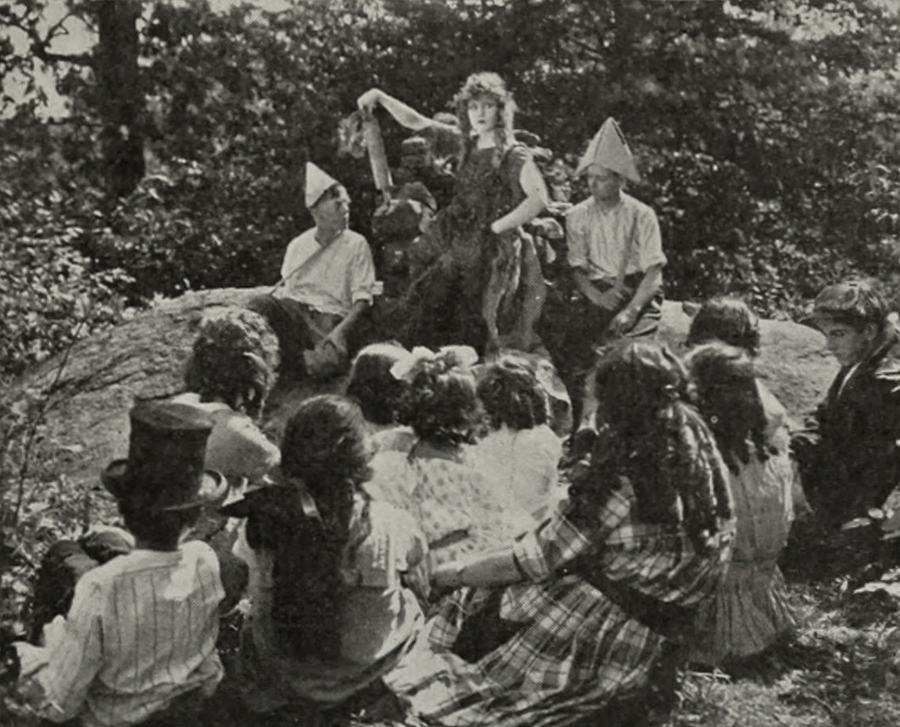
The directorial vision, guided by the narrative craft of Mrs. Owen Bronson and John C. Brownell, orchestrates a visually compelling and emotionally resonant experience. Even in the nascent stages of filmmaking, the visual language employed in The Raggedy Queen is remarkably sophisticated, effectively conveying the stark contrast between the miners' grim existence and Tatters' vibrant inner world. The cinematography, though lacking the elaborate techniques of later eras, skillfully captures the oppressive atmosphere of the mine and the raw beauty of the natural landscape surrounding it. Shots of the rundown village and the imposing mine shaft are juxtaposed with moments of intimate human drama, creating a palpable sense of place and tension. The use of intertitles is artfully integrated, not merely to convey dialogue but to expand on character motivations and thematic undercurrents, guiding the audience through the narrative's complexities without disrupting its flow. The pacing is deliberate, allowing the emotional weight of each scene to fully register before moving forward. The dramatic sequences, particularly Braxton's attack on Grant and the climactic confrontation at the mine office, are staged with a clear understanding of suspense and visual storytelling. The film avoids gratuitous spectacle, instead focusing on the human elements of conflict and resolution. The narrative structure, beginning with Tatters' innocent delusion and slowly unraveling the layers of deceit, neglect, and mistaken identity, is particularly effective. It builds towards a powerful climax where individual heroism and unexpected revelations converge, offering both dramatic satisfaction and a profound sense of closure. The writers demonstrate a keen understanding of character development, allowing each major player to undergo a significant transformation by the film's end. The direction ensures that these transformations feel earned, driven by the narrative's unfolding events rather than arbitrary plot devices. This meticulous attention to both visual and narrative detail solidifies The Raggedy Queen as a significant example of early cinematic artistry.
Beyond its engaging plot, The Raggedy Queen resonates deeply with timeless thematic concerns, offering a potent commentary on societal structures and individual agency. The stark class divide, epitomized by Old Man Tilson's initial indifference to the miners' plight, is a central motif. This industrial neglect, a common theme in early 20th-century cinema, finds parallels in films like The Story of the Kelly Gang, which, though focusing on outlaws, similarly explores the friction between the working class and distant, often oppressive, authority. The film implicitly critiques the unchecked power of industrialists and the human cost of prioritizing profit over people, a sentiment echoed in the social realism movement that would gain traction in subsequent decades. Furthermore, the theme of identity is explored through Tatters' self-proclaimed royalty. Her belief, born of a child's imagination and a maid's confused loyalty, speaks to the human need for belonging and significance, especially in challenging circumstances. This quest for identity, and the dramatic reveal of its true origins, bears a fascinating kinship with works like Moths or Pamela Congreve, where social standing and hidden pasts drive much of the dramatic tension. The film's resolution of this identity crisis, revealing Tatters' mother as the "Queen of Bohemia" (an actress) and her father as the "King of Finance," cleverly recontextualizes her delusion within a more mundane, yet still extraordinary, reality. This twist is particularly clever, playing on the audience's expectations of actual royalty versus the 'royalty' of the stage and business. The character of Lem Braxton introduces the potent theme of revenge and perceived injustice. His actions, though destructive, are fueled by a sense of being wronged, prompting questions about the nature of justice and the cycle of retribution. One might draw a thematic comparison to the motivations explored in films like Was She Justified?, where characters grapple with the moral implications of their retaliatory acts. The notion of corporate responsibility, and the personal awakening of Tilson, also provides a compelling arc. His journey from detached employer to concerned father figure is a testament to the power of personal connection to bridge societal chasms. This transformation suggests that empathy, however belated, can be a catalyst for positive change. The film, therefore, is not merely a period piece but a timeless exploration of human dignity, societal fault lines, and the enduring hope for reconciliation, making its lessons as relevant today as they were upon its initial release.
Placing The Raggedy Queen within the broader cinematic landscape of its time illuminates its unique strengths and shared thematic concerns. The era was rich with tales of social upheaval, personal struggle, and dramatic revelation. For instance, the film's depiction of industrial strife and the exploitation of labor finds echoes in the social consciousness prevalent in many films of the early 20th century. While not as overtly political as The Battle Cry of Peace, which directly addressed contemporary anxieties, The Raggedy Queen subtly critiques the corporate negligence that allows such conditions to fester. The narrative's focus on a child's perspective, navigating a harsh adult world, also sets it apart. While other films might present a more straightforward adventure or romance, Tatters' internal world and her coping mechanisms through fantasy add a layer of psychological depth. The "Queen of Bohemia" revelation, linking Tatters' mother to the world of performance, might subtly reference the bohemian spirit found in films like La vie de Bohème, albeit in a more literal and less romanticized context. It highlights the fluidity of identity and perception – what one person considers 'royal' another might see as 'artistic' or 'financial.' The dramatic rescue and the uncovering of truth, staples of the era's storytelling, are handled with a particular grace here. Unlike the more sensationalized heroics seen in some adventure serials, Tatters' bravery is born of innocence and loyalty, making it all the more impactful. The film avoids the grand, sweeping gestures of some epics, opting instead for a more intimate, character-driven drama. Even in its moments of high suspense, such as Braxton's attempt to collapse the mine office, the focus remains firmly on the human stakes involved. The film's ability to blend social commentary with personal drama, and to do so through the lens of a child's imaginative world, distinguishes it from many of its contemporaries. It doesn't shy away from the grim realities of its setting but never loses sight of the inherent human spirit that seeks beauty and meaning, even in the most unlikely of places. It stands as a testament to the diverse storytelling capabilities present in early cinema, proving that profound narratives could be crafted with skill and sensitivity, even without sound or color.
The Raggedy Queen, in its quiet power and compelling narrative, remains a film worthy of rediscovery. It is a testament to the enduring appeal of stories that explore the human heart amidst challenging circumstances, where innocence, courage, and the unexpected twists of fate converge. The film's meticulous character development, from the spirited Tatters to the ultimately redeemed Tilson, ensures that its emotional beats land with precision. The writing, credited to Mrs. Owen Bronson and John C. Brownell, constructs a plot that is both intricate and accessible, skillfully balancing suspense with heartfelt drama. Its commentary on industrial relations, the nature of revenge, and the transformative power of truth continues to resonate, making it more than just a historical curiosity. The performances, particularly Violet Mersereau's luminous portrayal of Tatters, elevate the material, breathing life into characters that could easily have been mere archetypes. It reminds us that cinema, even in its earliest forms, possessed an incredible capacity for nuanced storytelling and profound emotional impact. For those interested in the evolution of narrative film, or simply seeking a compelling human drama, The Raggedy Queen offers a rich and rewarding experience. It is a poignant reminder that true royalty often lies not in bloodlines or titles, but in the unwavering spirit and courageous heart of individuals, even those who, like Tatters, find their kingdom in the most unexpected of places. This film, though from a bygone era, speaks a universal language of hope, resilience, and the eternal quest for belonging, making it a valuable piece of cinematic heritage that continues to enchant and enlighten.
IMDb 5.4
1929
Community
Log in to comment.