DbcultAccessing Vault...
Cult Review
Senior Film Conservator
The flickering shadows of early cinema often conceal narratives that, even a century later, resonate with surprising contemporary relevance. Such is the case with The Raiders, a 1916 production that plunges headfirst into the tumultuous world of high finance, a genre that, even in its nascent form, captivated audiences with its blend of ambition, betrayal, and unexpected heroism. This particular offering, penned by J.G. Hawks, transcends mere melodramatic posturing, instead crafting a surprisingly intricate web of corporate espionage and personal valor that feels both of its time and strangely timeless.
At its core, The Raiders is a testament to the individual's capacity to challenge overwhelming systemic forces. We are introduced to Scott Wells, portrayed with a compelling blend of earnestness and burgeoning resolve by H.B. Warner. Scott is no titan of industry; he is merely a clerk, an unassuming cog in the colossal machine of finance, working for the unscrupulous Jerrold Burns (Robert McKim). It is within this seemingly mundane existence that Scott stumbles upon a plot of breathtaking audacity: Burns's meticulous plan to dismantle the formidable empire of railroad magnate David Haldeman (J. Barney Sherry). The very foundation of Haldeman’s financial stability, built perhaps over decades, is poised to crumble under the weight of Burns’s calculated aggression. This initial premise immediately establishes a classic dramatic tension: the innocent bystander thrust into a moral quandary, forced to choose between complicity and courageous intervention.
The narrative then twists with a stroke of unfortunate timing, a staple of silent era melodrama, as Haldeman departs for a vacation, blissfully unaware of the financial storm brewing on the horizon. This absence creates a vacuum, a window of opportunity for Burns, but also a crucible for Scott. What could have been a simple warning evolves into a personal crusade. Scott, despite his humble station, refuses to stand idly by. His decision to personally engage Jerrold Burns on the tumultuous floor of the stock exchange is an act of sheer, almost reckless, bravery. It speaks to a profound sense of justice that transcends self-preservation, elevating the film beyond a simple potboiler to a study in character and moral fortitude. One might draw parallels to the underdog spirit seen in films like The Pinch Hitter, where an unlikely hero rises to an extraordinary challenge, albeit in a different arena.
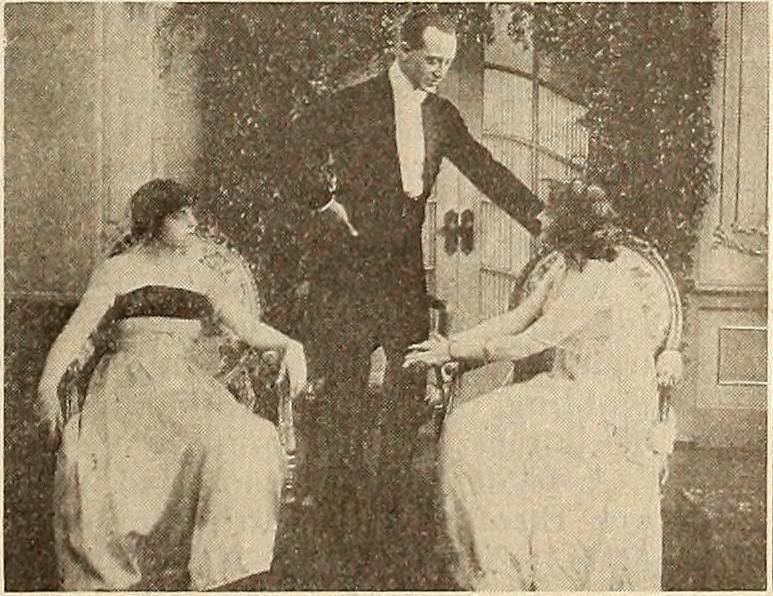
Crucial to Scott’s audacious plan is Dorothy Haldeman, David's daughter, brought to life with captivating grace by Dorothy Dalton. In an era when women's roles in financial thrillers were often relegated to damsels in distress or romantic foils, Dorothy's agency, though rooted in her father's plight, is remarkably proactive. Scott approaches her with his seemingly improbable scheme, and her response is pivotal: she entrusts him with her entire fortune. This is not a passive act; it is a profound declaration of faith, a gamble of immense personal consequence, underscoring a burgeoning trust that transcends the immediate financial crisis. Dalton's portrayal likely conveyed this mixture of desperation, hope, and an almost intuitive belief in Scott's integrity, a performance that must have relied heavily on subtle facial expressions and body language, the lingua franca of silent cinema. Her unwavering support echoes the vital, though often understated, female roles in dramas of the period, such as those seen in The Bride's Silence, where female characters, despite societal constraints, often drive the emotional core of the narrative.
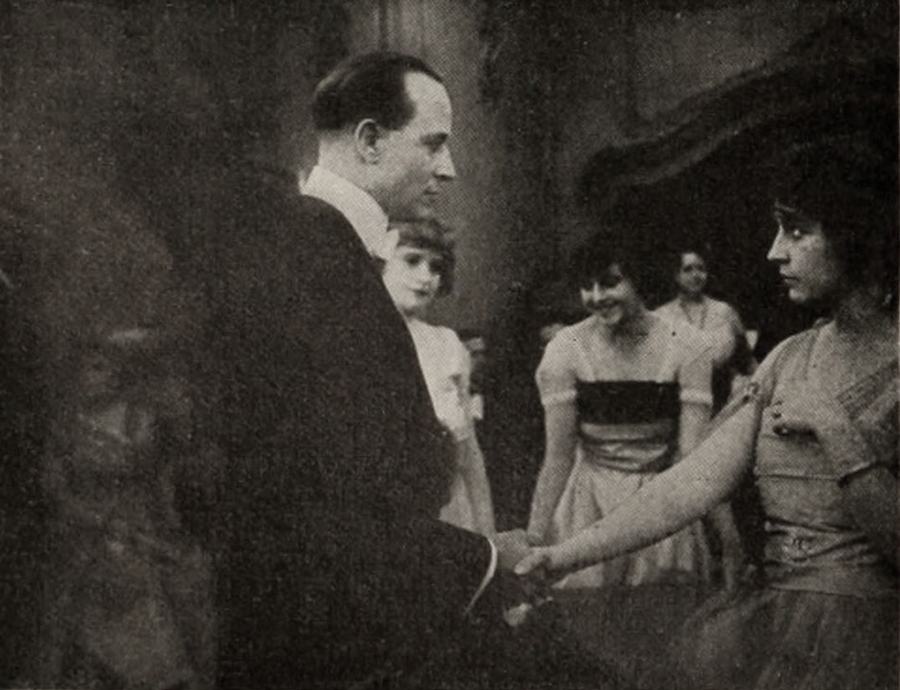
The ensuing battle on the stock exchange floor is depicted as a visceral, almost gladiatorial contest. Scott, armed with Dorothy’s capital and an iron will, fights off the initial raid, a sequence that, through the lens of silent film, would have relied on rapid-fire intertitles, intense close-ups of frantic brokers, and dynamic editing to convey the chaotic energy of financial warfare. This segment would have been a masterclass in visual storytelling, transforming abstract monetary transactions into a thrilling, tangible struggle for survival. The tension must have been palpable, a silent symphony of economic conflict, reminiscent in its dramatic urgency to other financially-driven narratives like The Cotton King, where the stakes were equally high and the market equally unforgiving.
Just as Scott appears to gain a fragile foothold, the stakes escalate dramatically with the revelation that David Haldeman has been abducted by Burns’s ruthless cronies. This nefarious turn injects a thrilling element of physical peril into the already high-stakes financial drama. It’s a common trope of the era, seen in many action-driven narratives like Unconquered, where the hero must overcome physical obstacles to achieve his goal. Scott, transitioning from financial strategist to intrepid rescuer, embarks on a mission to free the millionaire. This sequence would have provided ample opportunity for dramatic chases, tense confrontations, and perhaps daring escapes, showcasing the versatility of silent film to blend genres seamlessly. The visual language would shift from the frenetic energy of the trading floor to the shadowy suspense of a kidnapping plot, demanding a different kind of performance from H.B. Warner, one that emphasizes physical prowess and unwavering courage.
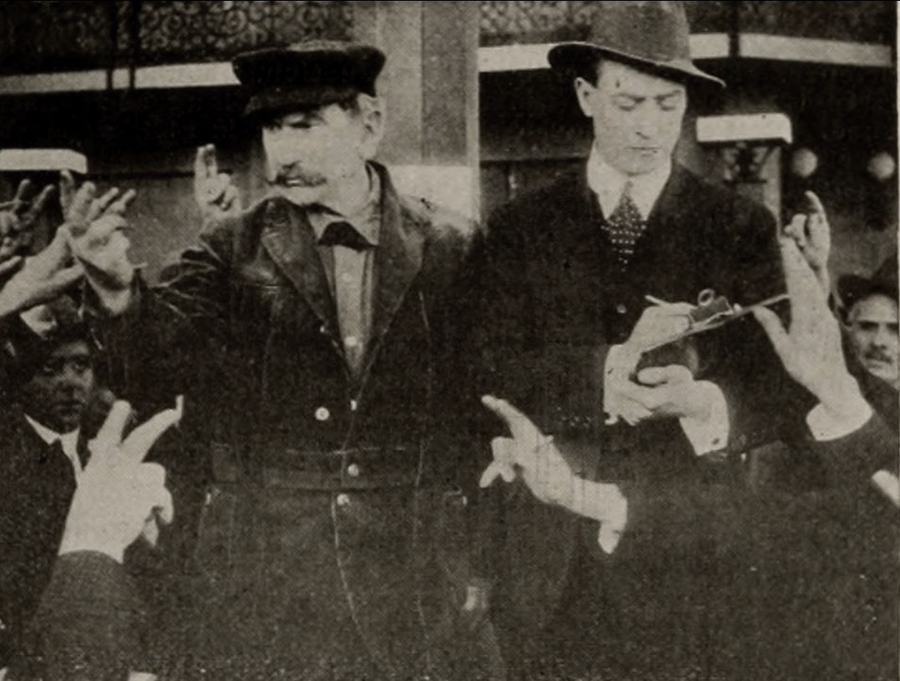
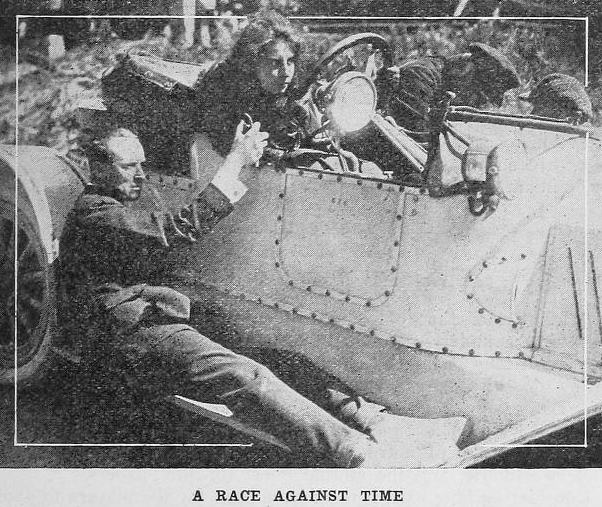
The climax of The Raiders is a marvel of synchronized tension. Scott, having successfully liberated Haldeman, embarks on a desperate race against time to return the magnate to the stock exchange before Burns can deliver the final, crushing blow. This frantic dash, likely punctuated by thrilling vehicular sequences or foot chases, builds an almost unbearable suspense. The cross-cutting between the imperiled trading floor and the accelerating rescue would have been a powerful directorial choice, a technique perfected in the silent era to amplify urgency. David Haldeman’s triumphant, last-second arrival to defend his holdings is a classic heroic moment, a cathartic release of tension that solidifies his position as the rightful victor against the unscrupulous Jerrold Burns. The sheer audacity of the rescue and the eleventh-hour triumph undoubtedly left audiences breathless, much like the dramatic reversals in films such as The Strange Case of Mary Page, which also leveraged intricate plotting for maximum impact.
Beyond the financial triumph, The Raiders delivers a satisfying emotional denouement. Scott’s reward extends far beyond mere gratitude; he receives David Haldeman’s unequivocal permission to propose to Dorothy. Her swift acceptance is not just a romantic flourish; it legitimizes Scott’s journey from anonymous clerk to essential hero, cementing his place within the Haldeman family and, by extension, within the social hierarchy he has so bravely defended. This intertwining of professional success and personal fulfillment is a hallmark of many silent dramas, where the hero's moral compass is ultimately rewarded with both material security and romantic bliss. The film, in this regard, functions as a powerful affirmation of integrity and courage, suggesting that true wealth lies not just in financial holdings but in moral character.
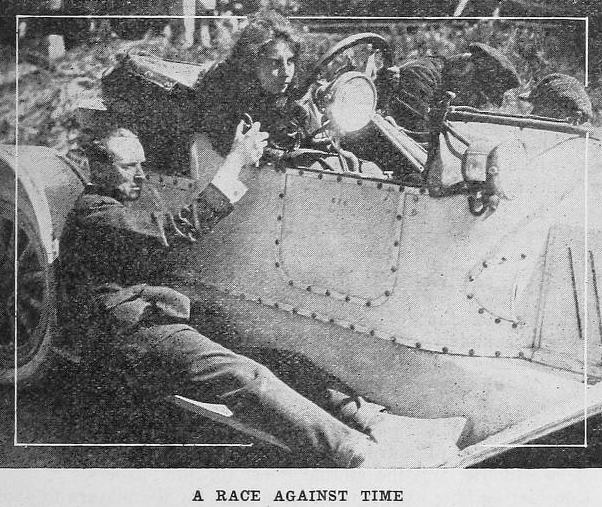
The performances are central to the film’s efficacy. H.B. Warner, a prominent figure of the era, imbues Scott Wells with a quiet dignity that blossoms into fervent determination. His transition from an observant clerk to a daring savior is portrayed with a nuanced understanding of silent acting, relying on subtle shifts in posture, gaze, and gesture to convey inner turmoil and burgeoning confidence. Dorothy Dalton, as Dorothy Haldeman, provides a strong, emotive counterpoint. Her character is not merely a prize to be won but an active participant, whose faith in Scott is the catalyst for his initial actions. Dalton’s ability to convey deep emotion without spoken dialogue would have been critical in establishing Dorothy’s intelligence and resolve, making her acceptance of Scott’s proposal feel earned and authentic. The villainous Robert McKim, as Jerrold Burns, likely embraced the broader, more demonstrative acting style often associated with silent film antagonists, ensuring his malevolence was never in doubt. The ensemble, including George Elwell, J. Barney Sherry, and Henry Belmar, would have collectively contributed to the rich tapestry of character, each portraying their roles with the heightened expressiveness necessary to communicate effectively in a pre-sound era.
The Raiders, though a product of its time, offers insights into the enduring anxieties and aspirations of society. The precariousness of financial empires, the allure of ruthless ambition, and the timeless appeal of a hero who stands against overwhelming odds are themes that transcend the specific historical context of 1916. The film's reliance on visual storytelling, its dramatic pacing, and its clear delineation of good versus evil are hallmarks of effective silent cinema. It’s a reminder that even without the benefit of spoken dialogue, filmmakers of this era were adept at crafting narratives that were both thrilling and emotionally resonant. The film’s ability to build suspense through action, rather than exposition, demonstrates a sophisticated understanding of cinematic language, placing it alongside other high-octane silent productions that prioritized visual dynamism. Comparisons could be drawn to the robust narrative drive of films like American Methods, which similarly sought to captivate audiences with strong, clear plots and decisive character actions.
Furthermore, The Raiders serves as a fascinating historical document, illustrating how early cinema engaged with contemporary issues. The stock market, a relatively new and often mysterious entity to the general public, provided fertile ground for dramatic exploration. Films like this demystified, yet simultaneously dramatized, the world of finance, making it accessible as a backdrop for tales of heroism and villainy. It highlights a period when the very mechanics of capitalism were becoming central to the American narrative, and cinema was quick to reflect this societal shift. The film, in its construction and execution, reveals the growing sophistication of narrative techniques in silent film, moving beyond simple tableaux to embrace complex plotting and character arcs. The ingenuity in depicting the frantic energy of the stock exchange without sound is particularly commendable, requiring creative use of editing and visual cues to convey chaos and urgency.
In conclusion, The Raiders stands as a compelling example of early cinematic prowess, a silent thriller that manages to convey immense tension, heartfelt romance, and a strong moral message. It is a testament to the power of a well-crafted story, brought to life by dedicated performers and innovative filmmaking techniques. For those interested in the evolution of cinema or simply a gripping tale of courage and consequence, The Raiders offers a rich and rewarding viewing experience, proving that the roar of the silent market can still echo across the decades, captivating audiences with its timeless tale of financial intrigue and personal triumph. Its narrative clarity and dramatic impact ensure its place as more than just a historical curiosity, but as a vibrant piece of storytelling that continues to engage and entertain, much like the enduring appeal of other well-structured silent dramas that placed strong character and clear conflict at their core, such as Hearts United or The Three Pals.
IMDb 6.4
1935
Community
Log in to comment.