DbcultAccessing Vault...
Cult Review
Senior Film Conservator
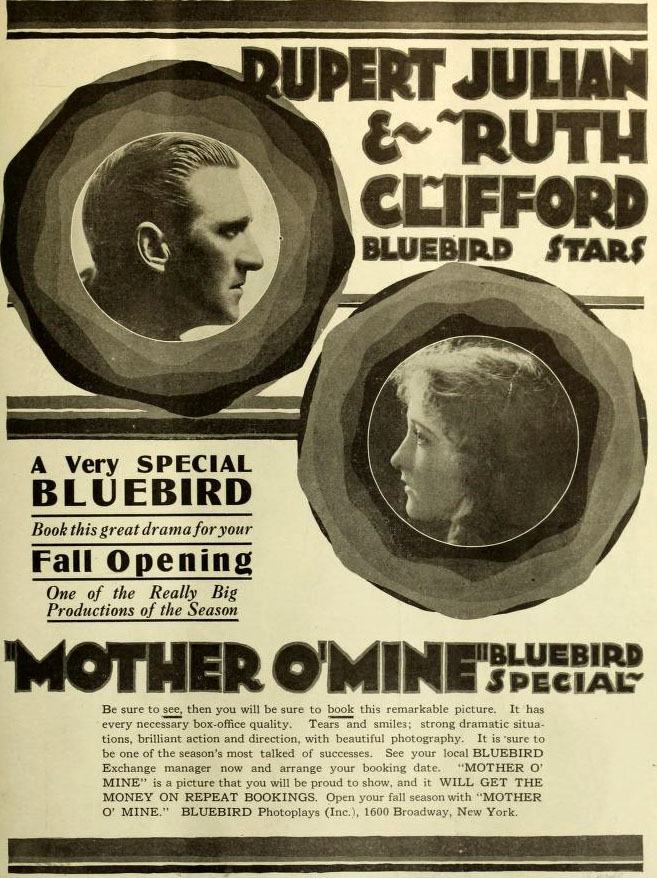
Stepping into the world of early cinema, particularly a film like Mother o' Mine from 1917, is akin to opening a time capsule. It’s a journey not just to a different era of filmmaking, but to a different sensibility, a narrative landscape where emotions are writ large and moral dilemmas unfold with a stark, almost operatic intensity. This silent drama, directed by and starring Rupert Julian, alongside a compelling cast including Ruth Clifford and Ruby Lafayette, delves deep into the perennial human themes of sacrifice, ambition, and the often-painful chasm that can open between generations and social strata. It's a testament to the enduring power of storytelling that nearly a century later, its core message still resonates with a palpable, often uncomfortable, truth.
At the heart of Mother o' Mine lies the magnificent, stoic figure of Mrs. Standing, portrayed with a heartbreaking authenticity by Ruby Lafayette. She is the quintessential country mother, etched from the very soil she tends, embodying a selflessness that feels almost archaic in its purity. Her life is a tapestry woven with threads of quiet labor and unwavering dedication, all directed towards a singular, profound goal: to elevate her son, John, beyond the rustic confines of their existence. Every penny saved, every comfort forgone, every calloused hand gesture speaks volumes of her boundless love and her fervent hope for his future. This isn't merely a financial investment; it's an emotional and spiritual divestment, a complete pouring out of her being for the sake of his ascension. Lafayette's performance, devoid of spoken dialogue, communicates an entire universe of feeling through her eyes, her posture, and the subtle tremor of her hands. It is a masterclass in silent screen acting, conveying the weight of years, the depth of affection, and the vulnerability inherent in such profound devotion.
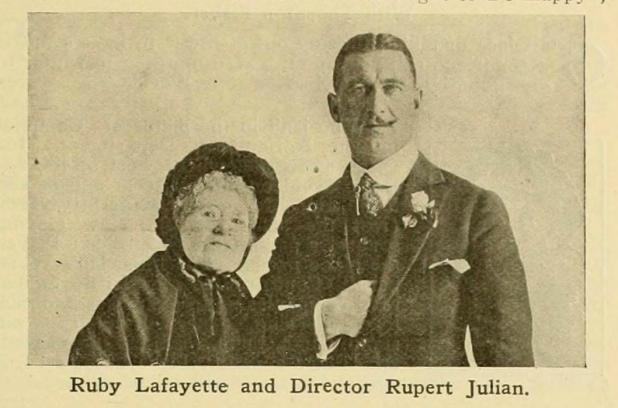
Her sacrifice isn't framed as a burden, but as a privilege, a sacred duty. This perspective, while perhaps idealized through a nostalgic lens, taps into a universal archetype of maternal love that transcends cultural and temporal boundaries. It's a love that asks for nothing in return, yet expects, perhaps subconsciously, a reciprocal recognition of its value. The film sets up this foundation of pure, unconditional love with meticulous care, ensuring that when the inevitable betrayal arrives, its impact is all the more devastating. The contrast between her simple, honest world and the sophisticated, artificial one her son later inhabits is not just geographical but moral, a chasm that widens with each passing frame.
E. Alyn Warren as John, the son for whom such immense sacrifice is made, charts a compelling, if tragic, trajectory. His initial portrayal likely suggests a young man full of promise, perhaps even harboring genuine gratitude for his mother’s efforts. However, the narrative swiftly transports him to the bustling metropolis, a crucible of ambition and social climbing. Here, the values instilled in him by his country upbringing begin to fray under the relentless pressure to conform, to succeed, to belong. His financial triumphs, while outwardly impressive, come at a profound spiritual cost. The city, with its glittering distractions and its rigid social hierarchies, acts as a corrosive agent, slowly eroding his fundamental sense of decency and gratitude.
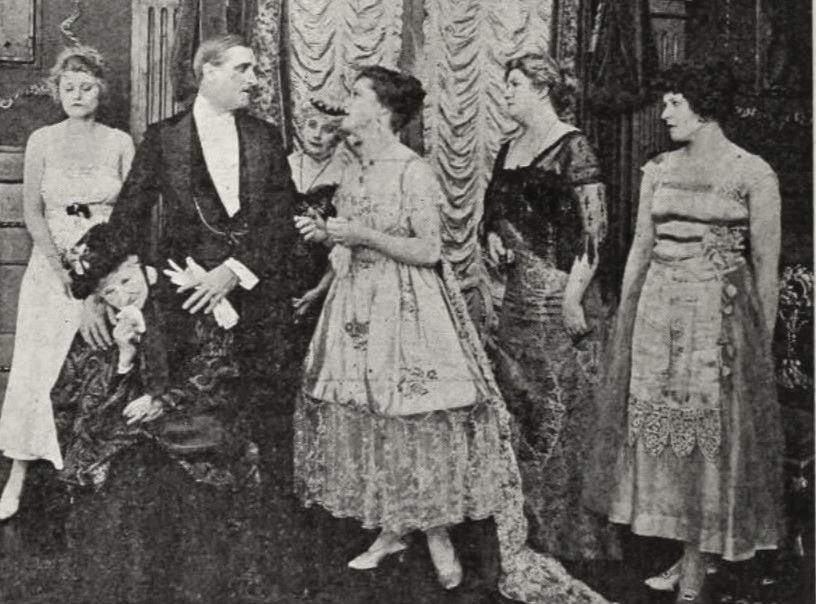
John's journey is not entirely one of villainy; rather, it’s a more nuanced descent into moral compromise, a common theme in silent era dramas that explored the perils of modernity and urbanisation. One might draw parallels to characters in films like The Price of Fame, where the allure of success often blinds individuals to their foundational ethics. He becomes a prisoner of his own aspirations, caught in a gilded cage of expectations, particularly those surrounding his engagement to Catherine Thurston. His ultimate failing isn't an act of overt malice, but one of profound weakness and cowardice—the inability to reconcile his humble origins with his newfound status. This internal conflict, though often portrayed through exaggerated gestures characteristic of the period, feels deeply human and relatable even today. The film masterfully builds to the pivotal scene of his mother’s arrival, an encounter designed to expose the raw nerve of his moral failing.
The climax of John's moral degradation arrives with Mrs. Standing's visit to his city home during an important social gathering. Her simple wicker basket, filled with homemade jams, is more than just a gift; it is a tangible piece of her heart, a symbol of her enduring love and the world from which John sprang. In the opulent setting of his fiancée's high society, this humble offering becomes an unbearable embarrassment for John. His swift, brutal deception—introducing his own mother as his childhood nurse—is a gut-wrenching moment of public repudiation. The scene is a masterclass in silent film pathos: the mother's initial joy and pride, the dawning realization of her son's lie, and her subsequent, silent devastation. Her departure, head bowed, shoulders slumped, speaks volumes of a heart shattered by the one she cherished most.
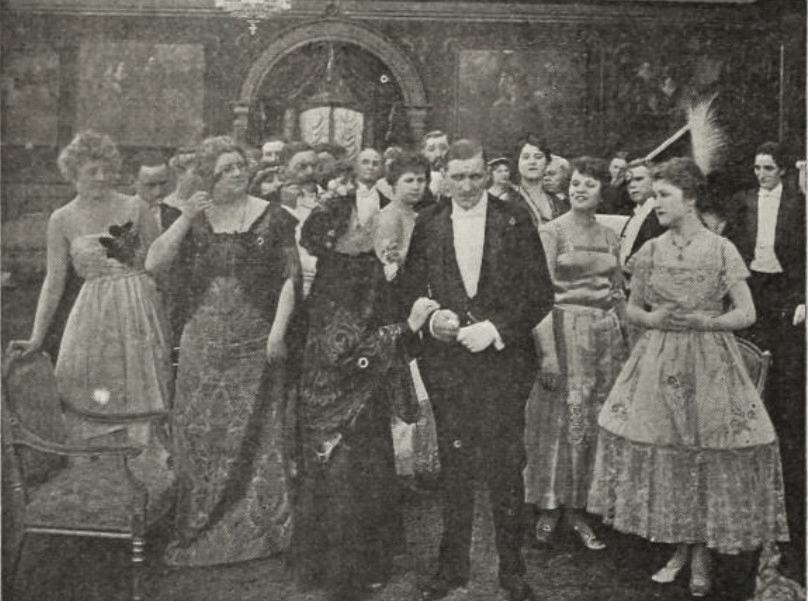
This moment of betrayal is not just a personal tragedy; it's a commentary on the societal pressures of the era, where social climbing often demanded the shedding of one's past, particularly if that past was deemed 'unrefined.' It echoes the moral quandaries explored in films like Should a Woman Tell?, where characters face difficult truths and the consequences of their choices. The film doesn't shy away from the ugliness of John's act, allowing the audience to fully absorb the pain inflicted upon Mrs. Standing. It is precisely this raw, unadorned emotional honesty that gives Mother o' Mine its lasting power. The audience is left to grapple with John's immediate remorse, which, while swift, feels genuinely earned in the context of the film's emotional landscape.
John's immediate remorse, though perhaps a little rapid for modern tastes, is depicted as a profound and genuinely transformative experience. The sight of his mother's heartbroken retreat shatters the façade he has carefully constructed. The film effectively conveys his internal struggle, the sudden, searing realization of the magnitude of his transgression. This isn't just regret; it's a moral awakening, a re-connection with the fundamental values his mother had painstakingly instilled. His resolution to devote his future years to her care is presented not as a penance, but as a heartfelt commitment to redemption, a desire to mend the wound he so carelessly inflicted. This theme of moral awakening and the struggle with conscience is beautifully explored, drawing parallels to the internal battles seen in films like The Conscience of John David.
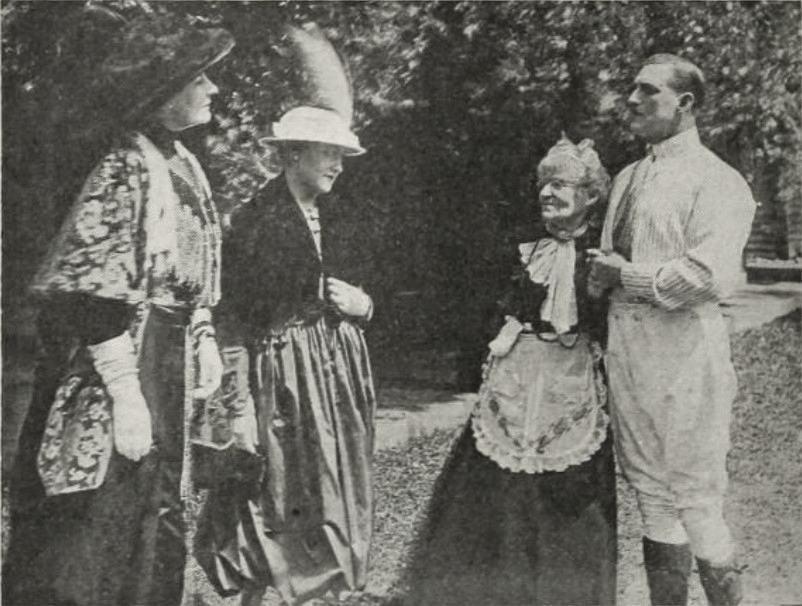
Crucially, the narrative doesn't leave the burden of forgiveness solely on Mrs. Standing. Catherine Thurston, portrayed by Ruth Clifford, and her mother play a vital role in the final act of reconciliation. Learning the truth, Catherine’s reaction is pivotal. She doesn't recoil in disgust, but rather demonstrates a remarkable capacity for understanding and compassion. This portrays her not as a superficial socialite, but as a woman of genuine character, capable of looking beyond appearances and appreciating the depth of Mrs. Standing's sacrifice. Her visit, accompanied by her own mother, to the humble country home of the Standings, is a powerful symbolic gesture. It signifies an acceptance of John's past, an acknowledgment of Mrs. Standing's inherent worth, and a bridge built between disparate worlds. The final forgiveness, therefore, feels earned and complete, a restoration of familial harmony that speaks to the enduring power of love to heal even the deepest wounds.
Rupert Julian, who not only directed but also co-wrote the screenplay with Elliott J. Clawson, demonstrates a keen understanding of silent film aesthetics and emotional pacing. His direction is deliberate, allowing scenes to breathe and emotions to build. He utilizes close-ups effectively to convey the internal states of his characters, a crucial technique in an era without spoken dialogue. The contrast between the idyllic, sun-drenched countryside and the stark, imposing city is visually striking, serving as a powerful metaphor for the moral choices confronting John. Julian’s ability to orchestrate such a potent emotional drama without a single spoken word is a testament to his directorial prowess. His work on Mother o' Mine showcases a director deeply invested in human drama and moral complexities, much like his later, more famous work, The Vagabond Prince, which also explores themes of identity and societal perception.
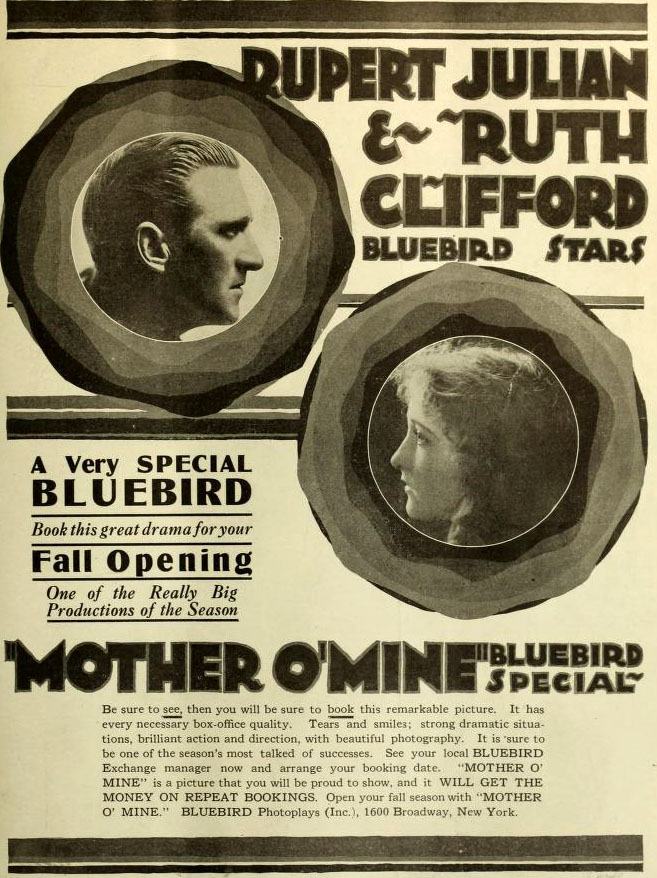
The performances across the board are commendable for their era. Ruby Lafayette as Mrs. Standing is truly the anchor of the film, her portrayal radiating warmth, dignity, and profound sorrow. E. Alyn Warren as John successfully navigates the difficult arc from ambitious youth to remorseful adult, making his transformation believable. Ruth Clifford, as Catherine Thurston, brings a crucial element of grace and understanding, preventing her character from becoming a mere plot device. Even Elsie Jane Wilson, in her role, likely contributes to the overall emotional texture. The ensemble works in concert to tell a story that, despite its melodramatic flourishes, feels deeply authentic in its emotional core. The use of intertitles, while necessary, is judicious, allowing the visual storytelling to take precedence, trusting the audience to interpret the nuanced expressions and gestures of the actors.
What makes Mother o' Mine continue to resonate over a century after its release? It is its unwavering focus on universal human experiences: the unconditional love of a parent, the intoxicating pull of ambition, the sting of betrayal, and the profound journey towards forgiveness and redemption. These are themes that are as relevant today as they were in 1917. While the societal contexts and cinematic techniques have evolved dramatically, the emotional core remains unchanged. The film serves as a powerful reminder of the importance of recognizing and honoring our roots, of valuing genuine human connection over superficial success, and of the redemptive power of acknowledging our mistakes.
In an age of instant gratification and fleeting fame, the quiet sacrifice of Mrs. Standing and John's eventual, hard-won remorse offer a compelling counter-narrative. It prompts introspection: What are we willing to sacrifice for success? And what, ultimately, are the true measures of a life well-lived? Mother o' Mine, through its simple yet powerful narrative, invites us to ponder these questions, leaving an indelible mark on the viewer's consciousness. It stands as a powerful example of early cinema's capacity for profound emotional storytelling, a testament to the fact that some narratives, like the bonds of family, are truly timeless. The film, much like its central character, is a quiet force, leaving an impact that belies its unassuming exterior, affirming the enduring strength of love and the possibility of grace even after the most profound missteps. This is a film that truly understands the human heart, in all its complexity and vulnerability, and presents it with a clarity that is both moving and unforgettable.

IMDb 6.5
1934
Community
Log in to comment.