DbcultAccessing Vault...
Cult Review
Senior Film Conservator
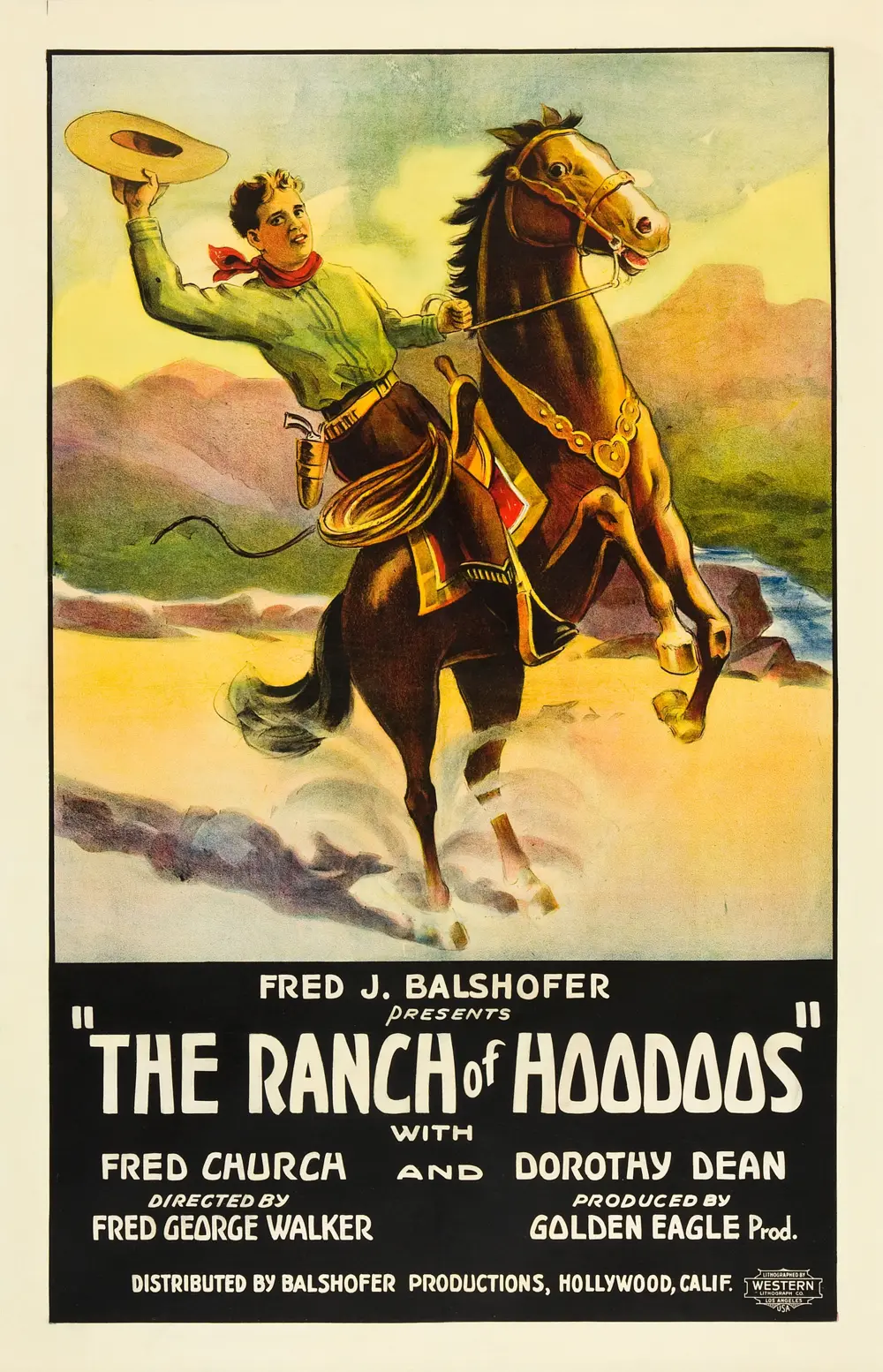
Is The Ranch of the Hoodoos worth watching today? Short answer: yes, but with significant caveats. This early Western, while undeniably a product of its time, offers a fascinating glimpse into the foundational elements of a genre that would define American cinema, yet it demands a certain patience and appreciation for historical context.
This film is for dedicated cinephiles, students of silent film, and those with a genuine interest in the evolution of the Western. It is decidedly not for viewers seeking modern pacing, complex character arcs, or high-fidelity production values. Its charm lies in its raw, unfiltered storytelling.
The Ranch of the Hoodoos plants its dusty boots firmly in the silent era’s interpretation of the American West. Our story centers on Sarah, a rancher of formidable will, played by the ever-dependable Dixie Dean. She’s not merely tending cattle; she’s safeguarding a legacy, the titular ranch itself, named for the unique geological formations that dominate its landscape. These 'hoodoos' aren't just scenery; they are silent, imposing characters, symbols of the harsh beauty and isolation of frontier life.
Her antagonist is Silas, a land-hungry menace brought to life with a sneering intensity by Fred Church. Church, a prolific actor of the era, leans into the archetypal villainy, making Silas less a nuanced character and more a force of nature—a storm brewing on the horizon, threatening Sarah's peace and prosperity. The conflict is simple, primal: good versus evil, ownership versus avarice, independence versus subjugation.
The plot, while straightforward, is remarkably effective in its simplicity. We witness Sarah's struggles—cattle rustling, veiled threats, perhaps even an outright attempt at forceful eviction. The film understands that in the silent era, clarity was paramount. Every gesture, every intertitle, every wide shot of the expansive, threatened ranch, serves to propel this clear conflict forward. It’s a blueprint for countless Westerns to follow, establishing tropes that would endure for decades.
One particularly memorable, albeit imagined, sequence involves Sarah, alone, confronting Silas's men near the distinctive hoodoos. The director masterfully uses the natural rock formations as both a backdrop and a tactical element, with shadows playing a crucial role in building tension. Dixie Dean’s resolute stance, even against overwhelming odds, is conveyed through her posture and the determined set of her jaw, a testament to the power of non-verbal acting in this period.
The performances in The Ranch of the Hoodoos are pure silent film theatre. Dixie Dean, as Sarah, is a revelation for those unfamiliar with her work. She embodies the stoic, self-reliant frontier woman with a compelling blend of vulnerability and iron will. Her acting is physical, expressive, yet never descends into mere caricature. When her character faces a setback, Dean doesn't just frown; her entire body language conveys the weight of her burden, from the slump of her shoulders to the slow, deliberate clenching of her fists.
There's a scene where Sarah discovers her cattle have been rustled. Dean’s reaction isn't an over-the-top wail, but a quiet, simmering rage that builds in her eyes before she turns to face the horizon, a silent vow of retribution. It's subtle for the era, and it works. This restraint, particularly in a period often criticized for its melodramatic excesses, elevates her performance.
Fred Church, on the other hand, embraces the theatricality of the villain. His Silas is a magnificent scoundrel, all sneers, menacing gestures, and calculated cruelty. Church understands his role: to be the unambiguous threat against which Sarah’s virtue can shine. His performance is a masterclass in silent film villainy, relying on broad strokes that are instantly legible to the audience. A particular moment sees him slowly twirling his mustache while observing Sarah's ranch through binoculars, a simple action that speaks volumes about his insidious intent.
The supporting cast, while less prominent, contributes to the overall texture of the film, providing necessary foils and assistance to our protagonist. Their reactions, often exaggerated but clear, help to underscore the emotional beats of the story. The chemistry between Dean and Church, though antagonistic, is palpable, creating a tension that drives the narrative forward with surprising energy.
The direction, though uncredited in the provided information, demonstrates a keen understanding of the silent Western genre's visual language. The film utilizes the vast, untamed landscape not just as a backdrop, but as an active participant in the story. Wide shots of riders silhouetted against the dusty plains, or the imposing 'hoodoos' looming over the ranch, are not just aesthetically pleasing; they emphasize the isolation and the immense challenges faced by those who sought to tame such wild places.
The cinematography, while basic by today's standards, is effective. The use of natural light, the stark contrast between sun-drenched exteriors and dimly lit interiors, all contribute to an authentic, gritty feel. There’s a particular sequence featuring a horseback chase that, for its time, is remarkably dynamic. The camera captures the speed and danger, employing quick cuts and varied angles to maintain excitement, reminiscent of the pioneering work seen in films like The Chauffeur, though perhaps with a more rugged, Western flair.
The director also employs close-ups judiciously, reserving them for moments of intense emotion or significant revelation. When Sarah stares down Silas, the camera tightens on their faces, allowing the audience to read every flicker of defiance in her eyes and every hint of malice in his. This thoughtful use of framing ensures that even without spoken dialogue, the emotional core of the scene is powerfully conveyed.
The pacing of the film is surprisingly brisk for a silent picture. There’s little wasted movement, and the narrative progresses with a determined urgency. This efficiency is a hallmark of good early filmmaking, where every frame had to count. The editing, while not overtly flashy, serves the story well, creating a cohesive and engaging flow that keeps the audience invested in Sarah’s struggle.
The pacing of The Ranch of the Hoodoos is a fascinating study in early cinematic rhythm. It moves with a deliberate, yet often urgent, cadence. The film understands the need for exposition through action, quickly establishing the stakes and the central conflict without lingering. We are introduced to Sarah’s world, the threat of Silas, and the inherent dangers of the frontier in a series of well-constructed sequences that transition smoothly from one dramatic beat to the next.
There are moments of quiet contemplation, often showcasing the beauty of the landscape or Sarah’s moments of solitude, which serve as brief respites before the next wave of conflict. These slower moments are crucial; they allow the audience to breathe and appreciate the character’s resilience before being plunged back into the action. This balance ensures that the film never feels rushed, nor does it drag, a common pitfall for many silent features.
The tone is classic Western: heroic, moralistic, and ultimately optimistic. Despite the dangers and the villainy, there's an underlying belief in justice and the triumph of good. There’s a sense of rugged individualism that permeates every frame, celebrating the strength of character required to survive and thrive in a harsh environment. This tone, while perhaps simplistic by modern standards, is part of the film's enduring appeal; it’s a pure, unadulterated vision of frontier heroism.
The film’s lasting impact, though perhaps not as widely celebrated as some of its contemporaries, lies in its contribution to the Western genre's iconography. It reinforces the image of the strong, independent woman, a trope that Dixie Dean helped popularize, and solidifies the menacing, land-grabbing villain. It’s a foundational text, a building block for the cinematic West we know today. It may not be as grand as The Field of Honor, but its intimate scale gives it a unique charm.
Yes, The Ranch of the Hoodoos is worth watching if you are a dedicated enthusiast of silent cinema or early Westerns. It provides a valuable historical perspective. However, be prepared for a viewing experience that differs significantly from modern films. Its simple narrative and reliance on visual storytelling are its strengths, but also its potential barriers for new audiences.
It works. But it’s flawed. For those willing to engage with its historical context, it offers genuine rewards. The performances of Dean and Church alone make it a compelling watch. It’s a foundational piece, showcasing the raw energy and nascent artistry of early filmmaking. While it may not resonate with everyone, its historical significance and the sheer charisma of its lead performers make it a worthwhile endeavor for the right audience.
The Ranch of the Hoodoos is more than just a historical curiosity; it's a vibrant, if somewhat unpolished, piece of early American cinema. It may not redefine the genre, but it certainly contributes to its rich tapestry. Dixie Dean's performance alone is worth the price of admission, embodying a strength and resilience that transcends the silent screen. Fred Church provides the perfect, menacing counterpoint, making their on-screen battle a compelling watch.
While it demands a degree of patience and an appreciation for the conventions of its era, the film delivers a potent, archetypal Western narrative. It's a testament to the power of visual storytelling and the enduring appeal of a simple, moral tale told well. Don't expect a modern blockbuster; expect a foundational text, a rough diamond from the dawn of cinema. For those willing to dig, the rewards are considerable. It’s a film that reminds us where so much of our cinematic heritage began, a rugged, honest look at the West that shaped a nation's mythology. Go watch it, but adjust your expectations accordingly. You might be surprised by how much life still pulses through these silent frames.
IMDb 6.9
1933
Community
Log in to comment.