DbcultAccessing Vault...
Cult Review
Senior Film Conservator
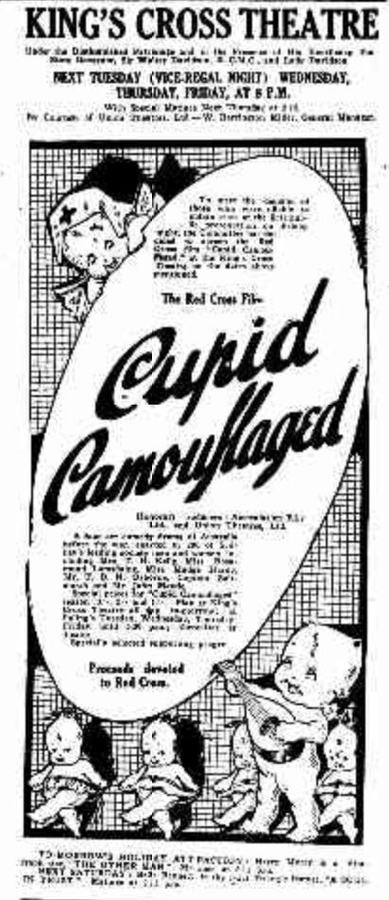
In the grand tapestry of cinematic history, certain films, even those from the nascent days of the moving image, possess an inexplicable resonance, a subtle luminescence that defies the erosion of time. 'Cupid Camouflaged' stands as one such luminous artifact, a testament to the enduring power of romantic intrigue and the universal quest for genuine connection. This isn't merely a silent film; it is a meticulously crafted narrative, a delicate ballet of deception and discovery that holds a mirror to the societal strictures and personal desires of its era, yet speaks with surprising clarity to contemporary sensibilities. Its charm lies not just in its period aesthetics but in the timeless human drama it so eloquently portrays, making it a compelling subject for re-evaluation in our modern critical landscape.
At the heart of 'Cupid Camouflaged' lies a narrative as intricate as a finely woven lace, centering on Madge Hardy's character, a vibrant heiress whose affections are irrevocably drawn to the dashing, yet financially unendowed, Captain Saltmarshe. This burgeoning romance is a direct affront to the machinations of her formidable aunt, Mrs. T.H. Kelly, a matriarch whose social ambitions far outweigh any consideration for her niece's happiness. Mrs. Kelly, a character drawn with exquisite, albeit villainous, precision, has already decreed a match between Madge and the pompous, newly monied industrialist J.B.N. Osborne. The stage is thus set for a classic conflict: love versus lucre, genuine feeling versus societal dictate. Madge, a woman of considerable spirit and ingenuity, refuses to be a mere pawn in her aunt's grand design. Her solution? An audacious, almost theatrical, act of self-camouflage.
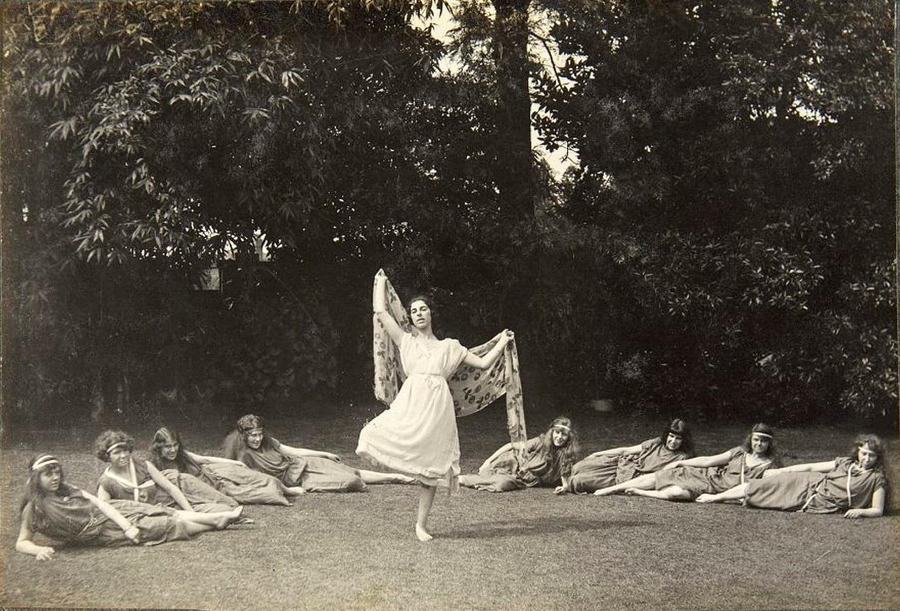
Madge's transformation into 'Eleanor Vance,' a demure governess, is more than a simple disguise; it is a profound exploration of identity and perception. By shedding the trappings of her wealth and status, she seeks to ascertain if Captain Saltmarshe's interest in her is genuine, untainted by the allure of her fortune. This premise alone elevates the film beyond a mere romantic comedy, lending it a psychological depth often underestimated in silent cinema. Her subsequent embedding within the social milieu frequented by Saltmarshe allows for a series of beautifully understated observations and interactions, where the nuances of unspoken attraction are masterfully conveyed through gesture and expression. The narrative further complicates itself with the introduction of Rosamund Lumsdaine, Madge's spirited accomplice, tasked with feigning a romantic pursuit of Saltmarshe. This ingenious layer of misdirection serves not only to test Saltmarshe's fidelity but also to provide Madge with a detached vantage point from which to gauge his true sentiments. The comedic elements are deftly woven through the earnest, if somewhat misguided, attentions of Leslie Victor and Sydney Yates, two gentlemen who, mistaking 'Eleanor' for a truly struggling woman, extend their chivalry, adding layers of delightful complication to Madge's already precarious charade. The slow, methodical unraveling of the plot by John Maude, the astute family solicitor, introduces an intellectual counterpoint to the emotional melodrama, his quiet observations providing a grounding force amidst the swirling deceptions. And finally, the entry of Venour Nathan, the private investigator hired by the increasingly suspicious Mrs. T.H. Kelly, ratchets up the tension, transforming a romantic comedy of errors into a thrilling game of cat and mouse. The climax, set against the backdrop of a glittering social gala, is a crescendo of revelations, where identities are unmasked, hearts laid bare, and the intricate web of deceit dramatically untangled, leaving the audience breathless.
The success of 'Cupid Camouflaged' rests heavily on the shoulders of its exemplary cast, whose ability to convey complex emotions without the aid of spoken dialogue is nothing short of remarkable. Madge Hardy, in the dual role of the heiress and the governess, delivers a performance of nuanced brilliance. Her transformation is not merely superficial; she embodies the subtle differences in demeanor, posture, and gaze that distinguish the two personas. As the heiress, she exudes a quiet defiance and inner strength, while as 'Eleanor,' she projects a vulnerability and earnestness that is deeply affecting. It is a masterclass in silent acting, showcasing her incredible range and emotive power. Her eyes, in particular, are portals to her inner turmoil and resolve, conveying more than any dialogue could. This kind of transformative performance is reminiscent of the depth seen in actors from films like Manden med Staalnerverne, where the lead's internal struggle is palpable through purely visual means.
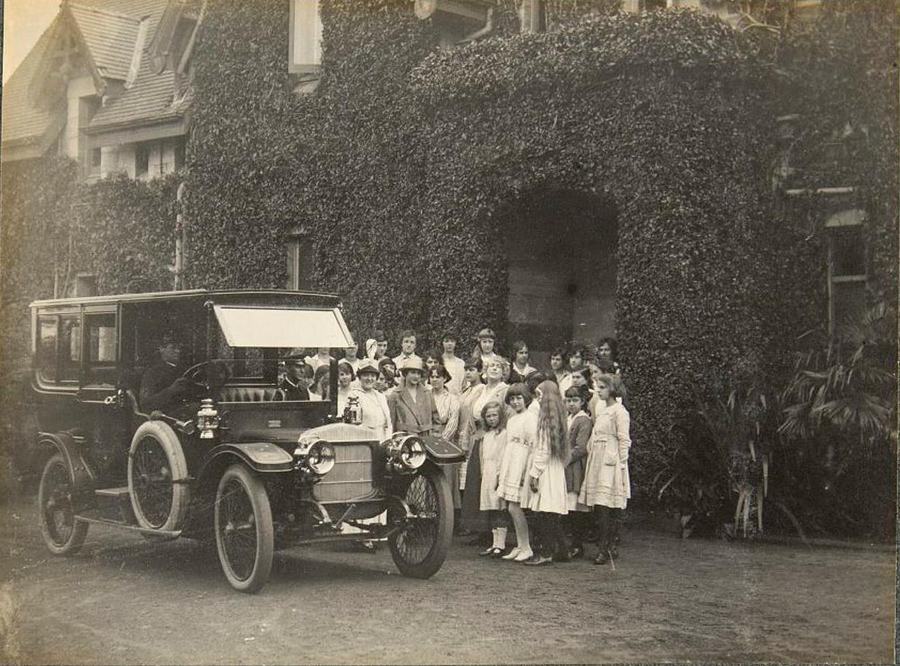
Captain Saltmarshe, as Madge's unwitting love interest, brings a compelling blend of chivalry and understated charm to his role. His portrayal of a man navigating societal expectations while being drawn to an enigmatic 'governess' is both believable and endearing. The chemistry between Hardy and Saltmarshe is undeniable, a silent spark that ignites the screen and makes their eventual union feel earned and profoundly satisfying. J.B.N. Osborne, in stark contrast, is perfectly cast as the boorish suitor, his every gesture and expression radiating an unappealing self-importance that makes his ultimate rejection all the more gratifying. Mrs. T.H. Kelly, portrayed with chilling efficacy, embodies the formidable antagonist, her stern gaze and rigid posture conveying a formidable will that drives much of the film's conflict. Her performance is a highlight, demonstrating how a character can be both detestable and utterly captivating. Rosamund Lumsdaine's portrayal of the spirited accomplice adds a much-needed lightness and intelligence, her quick wit and loyalty shining through. The supporting ensemble, including John Maude's sagacious solicitor, Leslie Victor's and Sydney Yates's bumbling admirers, and Venour Nathan's shrewd detective, each contribute layers to the narrative's rich texture, ensuring that every character, no matter how minor, feels integral to the unfolding drama.
The direction of 'Cupid Camouflaged' is a study in elegant restraint and visual storytelling. The director understands the unique demands of silent cinema, utilizing every visual cue – from elaborate mise-en-scène to subtle camera movements – to convey emotion, advance the plot, and build atmosphere. The pacing is deliberate, allowing moments of quiet intimacy to breathe before accelerating into scenes of dramatic tension or comedic relief. The use of intertitles is judicious, never overwhelming the visual narrative but instead complementing it, providing necessary exposition or amplifying character thoughts. This careful balance between visual and textual storytelling is a hallmark of superior silent filmmaking, a craft often perfected in films like Den retfærdiges hustru, where the visual language speaks volumes.
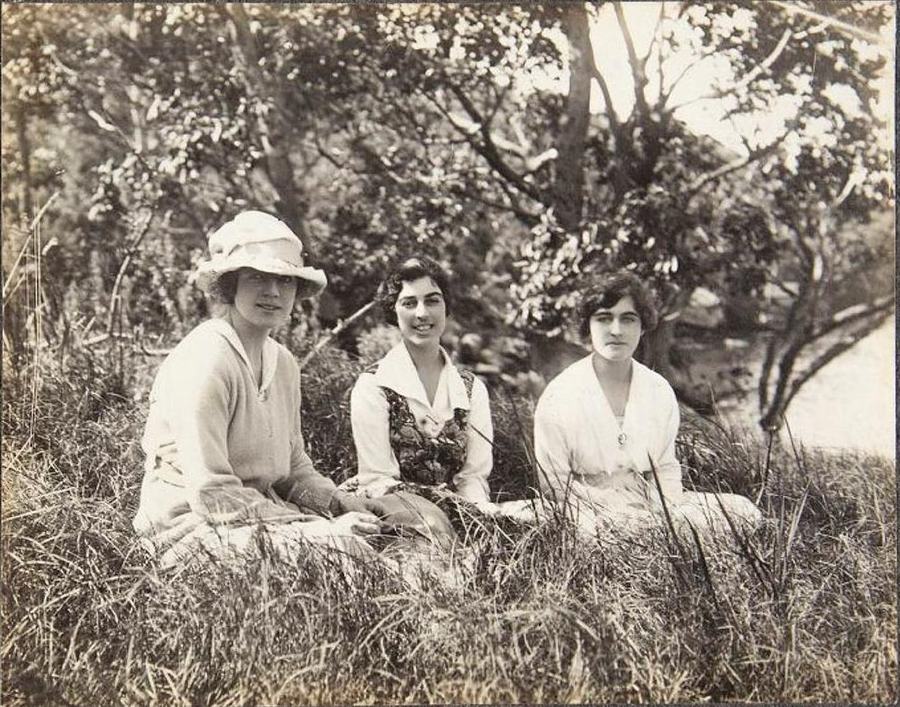
Cinematographically, the film is a feast for the eyes. The exquisite use of lighting, from the soft glow of drawing-room scenes to the dramatic shadows of clandestine meetings, creates a rich visual texture that is both beautiful and functional. The composition of each shot is meticulously planned, often echoing the emotional state of the characters or foreshadowing narrative developments. Close-ups are employed sparingly but effectively, drawing the audience into the characters' inner worlds, particularly those of Madge Hardy, whose expressive face becomes a canvas for her unspoken feelings. The set designs and costuming are period-perfect, transporting the viewer back to an era of elegance and societal formality, yet never feeling overly theatrical or distracting. The attention to detail in every frame speaks to a profound understanding of visual narrative, making the film not just a story, but an immersive experience. The visual poetry here is comparable to the meticulous artistry seen in A Bird of Prey, where every frame is crafted with deliberate intent.
'Cupid Camouflaged' explores a rich tapestry of themes that remain perennially relevant. At its core, it is a poignant examination of love's ability to transcend artificial barriers, challenging the prevailing social norms that dictated marriage as a transaction rather than a union of hearts. Madge's elaborate deception is a powerful act of rebellion against these rigid expectations, a testament to her belief in a love untainted by material considerations. This theme resonates deeply, inviting viewers to reflect on the true value of human connection versus superficial markers of success. The concept of identity, both perceived and authentic, is another central pillar of the narrative. Madge's dual role forces a confrontation between who she is by birthright and who she chooses to be, highlighting the fluidity and performative aspects of selfhood. Her journey is one of self-discovery as much as it is a pursuit of love, revealing the strength that lies in embracing one's true nature, even in the face of societal disapproval. The film also subtly critiques the hypocrisy and superficiality of high society, exposing the emptiness of relationships built solely on status and wealth. Mrs. T.H. Kelly and J.B.N. Osborne serve as stark reminders of this hollow pursuit, their characters providing a necessary foil to the genuine affection blossoming between Madge and Captain Saltmarshe. In this regard, it shares thematic resonance with films like A Sister of Six, which also delves into familial expectations and personal sacrifice.
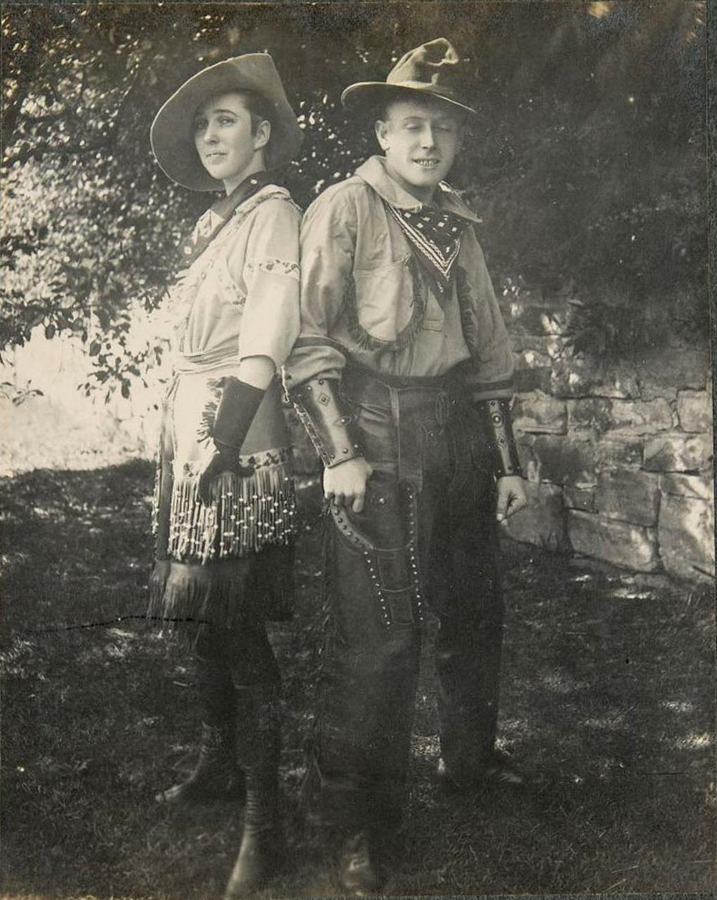
Released during an era when cinema was rapidly evolving, 'Cupid Camouflaged' stands as a superb example of early narrative filmmaking, showcasing a sophisticated understanding of storytelling and character development that often belies the 'primitive' label sometimes affixed to silent films. It belongs to a lineage of romantic dramas and comedies that explored similar themes of class, love, and deception, contributing to a rich cinematic tradition. Its narrative structure, character archetypes, and thematic concerns place it firmly within the romantic comedy genre, yet it transcends simple categorization through its depth of emotional portrayal and its nuanced critique of societal norms. The film's enduring legacy lies in its ability to captivate audiences across generations, proving that a compelling story, well-told, needs no dialogue to communicate universal truths. It reminds us that the quest for authentic love, the courage to defy convention, and the intricate dance of human relationships are timeless narratives that continue to resonate. Its influence can be subtly traced through subsequent romantic comedies that rely on mistaken identity or social subterfuge, a testament to its foundational impact. Compared to a film like The Service Star, which focuses on wartime romance and sacrifice, 'Cupid Camouflaged' offers a lighter, yet equally profound, look at love's battle against societal forces.
'Cupid Camouflaged' is more than just a historical curiosity; it is a vibrant, engaging, and emotionally resonant film that deserves a place in any cinephile's repertoire. Its sophisticated plot, compelling performances, and masterful direction coalesce into a truly memorable cinematic experience. The film not only entertains but also offers valuable insights into the social mores of its time and the unchanging complexities of the human heart. It is a powerful reminder of the artistry and expressive potential of silent cinema, a medium that, in skilled hands, could convey depths of emotion and narrative intricacy without a single spoken word. For those seeking a film that combines charm, wit, and genuine emotional heft, 'Cupid Camouflaged' remains an absolute must-see. It is a joyous discovery for newcomers to silent film and a cherished re-watch for seasoned enthusiasts, proving that the language of love, even when camouflaged, is universally understood. Its intricate plot and character dynamics could even be seen as a precursor to the complex narratives found in later dramas like A Modern Monte Cristo, albeit with a romantic focus. The sheer joy and emotional payoff of the climax also bring to mind the satisfying resolutions of films such as A Song of Sixpence, where challenges are overcome with grace and determination.
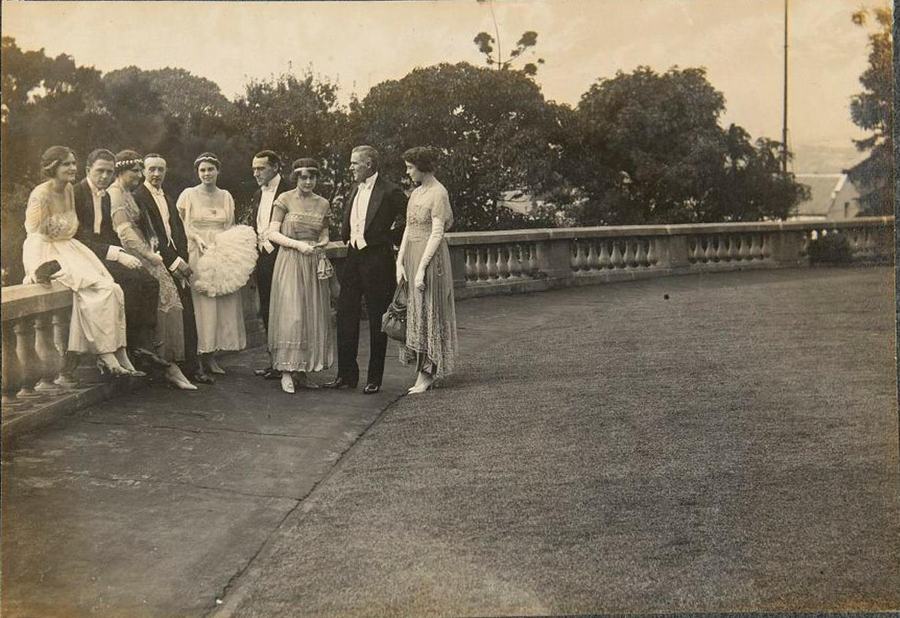
In an age saturated with digital spectacles and complex narratives, 'Cupid Camouflaged' offers a refreshing return to the purity of storytelling. Its strength lies in its simplicity of premise, expertly layered with intricate character motivations and surprising plot twists. The film’s ability to evoke profound emotional responses through visual cues alone is a testament to the artistry of its creators and the enduring power of the medium itself. It’s a delicate dance between humor and heartfelt drama, a seamless blend that keeps the audience utterly captivated from its opening scene to its satisfying conclusion. The performances, particularly Madge Hardy’s, are a masterclass in non-verbal communication, each glance, each gesture imbued with significant meaning. This film doesn't shout its intentions; it whispers them, drawing you into its world with an irresistible magnetic pull. It's a testament to the fact that compelling cinema doesn't always need bombast to leave a lasting impression; sometimes, the most profound stories are told in the quietest, most elegant ways. The ingenuity of the plot, particularly the use of disguise and mistaken identity, finds echoes in later, more overt thrillers like Dope, showcasing how fundamental narrative devices can be adapted across genres, though here, it serves a purely romantic and comedic purpose. The dramatic reveals and character transformations also bring to mind the powerful narratives of self-discovery found in films like Lola Montez, even if the contexts are vastly different.
This cinematic treasure, often overlooked in broader discussions of film history, is a vibrant reminder of the richness and sophistication that characterized early cinema. It is a film that rewards careful attention, revealing new layers with each viewing. Its exploration of themes like authenticity, social class, and the pursuit of genuine affection ensures its relevance beyond its historical context. 'Cupid Camouflaged' stands as a beautiful, poignant, and delightfully clever piece of filmmaking that continues to charm and provoke thought, proving that some stories, like true love, are simply timeless. It is a profound example of how early filmmakers, with limited technical resources, could craft narratives that resonate with universal human experiences, a quality shared by other contemplative works such as Bryggerens datter. This film is not just a relic; it is a living, breathing work of art that deserves to be seen and appreciated by new generations of film lovers, a testament to the enduring magic of the silver screen. It provides a delightful counterpoint to the more dramatic narratives of its era, such as The Ghost House, proving the versatility and breadth of storytelling even in the early days of cinema.
In conclusion, 'Cupid Camouflaged' is a triumph of silent era filmmaking, a romantic drama that weaves together elements of comedy, social critique, and heartfelt emotion into a cohesive and thoroughly engaging whole. It’s a film that leaves you with a smile on your face and a renewed belief in the power of love, even when it’s hidden behind the most elaborate of disguises. Its intricate plotting and memorable characters make it a standout, ensuring its place as a truly captivating piece of cinematic heritage.
IMDb 6.6
1933
Community
Log in to comment.