Summary
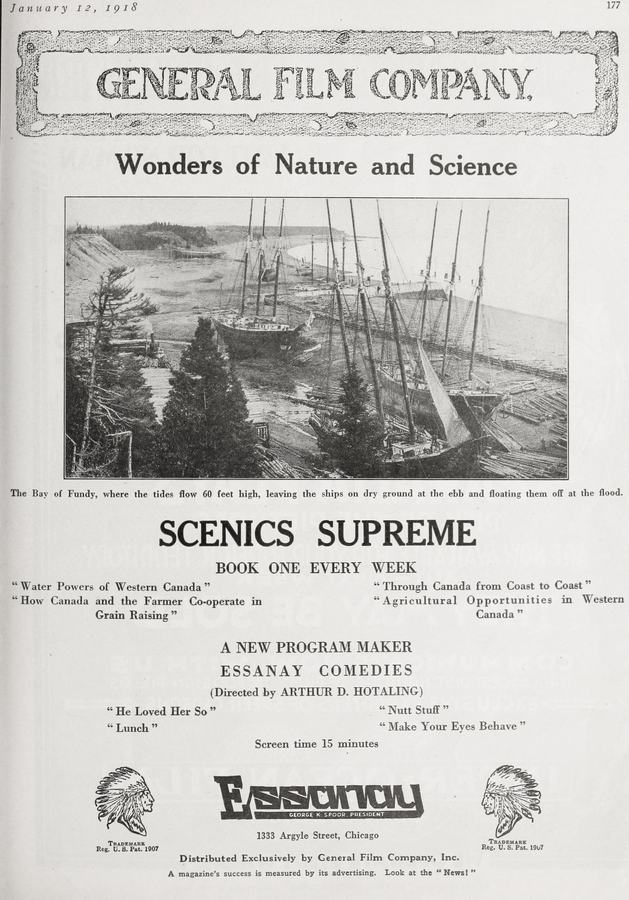
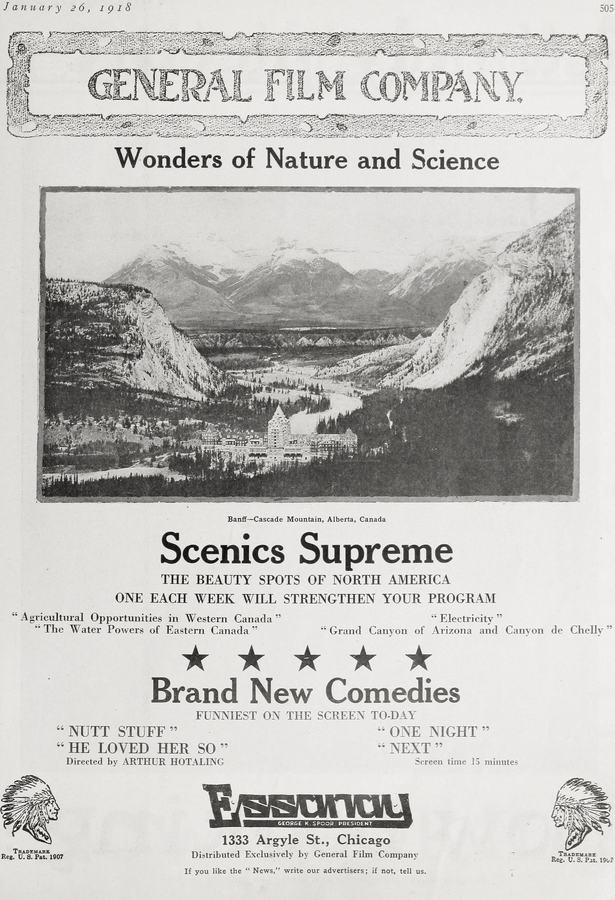
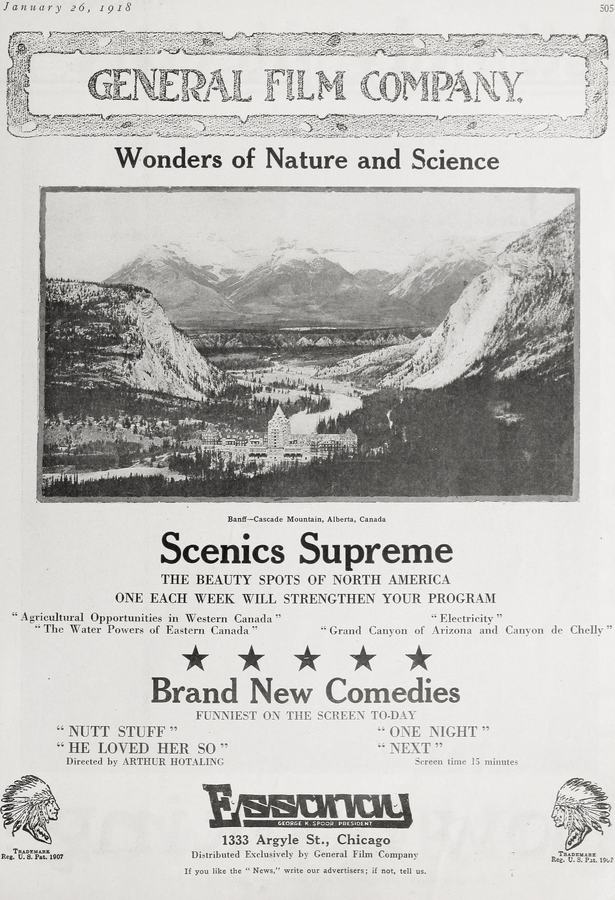
A cinematic cautionary tale unfolds in "Nutt Stuff," where a director, brimming with an unshakeable conviction in his latest melodramatic conception, persuades his production company to finance the endeavor on a precarious credit basis. What follows is a descent into an artist's personal and professional inferno. The resulting picture, a frantic pastiche of silent era archetypes—a damsel in distress, a sneering antagonist with a meticulously groomed mustache, a stalwart hero, and shadowy underworld figures—is presented to a prospective buyer. Yet, the film's frantic narrative and conventional tropes fail to ignite any spark of interest; instead, it provokes a visceral rejection, culminating in the buyer's contemptuous act of flinging the celluloid at its creator. Trapped in the physical embodiment of his shattered dream, the director embarks on a humiliating return journey. The film, a volatile symbol of his artistic ambition, tragically ignites en route, reducing his grand vision to cinders. Upon reaching the studio, stripped bare of his creation and his dignity, he is met not with sympathy, but with the brutal, collective wrath of his unpaid and disillusioned cast and crew, who deliver a merciless beating, a final, crushing blow to his artistic hubris and financial folly. This meta-narrative dissects the brutal realities of early filmmaking, where creative aspiration often collided head-on with commercial indifference and the harsh consequences of failure.
Synopsis
The director believes he has a whale of a melodrama idea and after much pleading induces his company to stage the picture on credit. This they do. The director then takes the film to a motion picture buyer and tries to sell it to him. They go into the projection room and the picture is run off. It is a wild story, of a pretty girl, a black-mustached villain, a broad-shouldered hero and crooks that pass in the night. But somehow it fails to strike the pleasure of the prospective buyer. For he takes the film and throws it at the director. Entangled in the film, the director returns to his company, awaiting their pay. On the way the film catches fire and is burned up. Arriving at the studio, the director is assailed by his players and beaten unmercifully.
Review Excerpt
"
The Unraveling Tapestry of Ambition: A Deep Dive into "Nutt Stuff"
The annals of early cinema are replete with tales of grand ambition, fleeting success, and often, crushing failure. Yet, few narratives capture the latter with such unvarnished, almost darkly comedic brutality as "Nutt Stuff." This isn't merely a film; it’s a searing meta-commentary, a tragicomic descent into the very real, often unforgiving, machinery of artistic creation and commercial enterprise that defined the nasce..."