DbcultAccessing Vault...
Cult Review
Senior Film Conservator
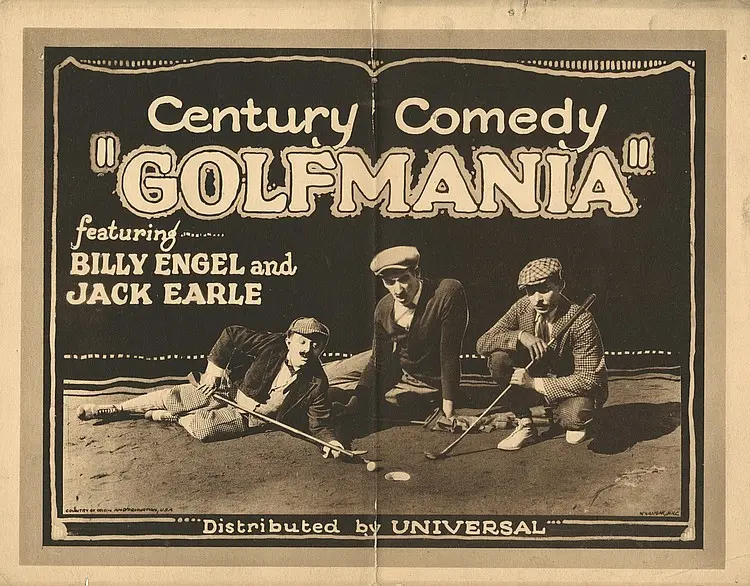
The cinematic landscape of Golfmania is a vibrant tapestry of dark orange hues and yellow tones, evoking the sun-kissed links and the optimism of its protagonists. As the narrative meanders through the misadventures of its amateur golfers, the film's visual palette is punctuated by flashes of sea blue, a nod to the serenity and challenge of the game. With a script that delights in the absurdities of golf, Golfmania is a comedy that will resonate with both aficionados of the sport and those who merely appreciate a well-crafted farce.
One of the standout aspects of Golfmania is its talented cast, which brings a level of enthusiasm and energy to the film that is infectious. Jack Earle, Fred Spencer, and Jean Laverty, in particular, shine as they navigate the complexities of the game and their own interpersonal dynamics. Their characters' interactions are fraught with comedic potential, from the witty repartee to the physical hijinks that often accompany their golfing escapades. The chemistry between the leads is undeniable, and their collective talent elevates the film to a level of hilarity that is rare in comedies of this era.
In comparison to other films of the period, such as Youthful Cheaters and The Cricket, Golfmania distinguishes itself through its lighthearted and playful approach to comedy. While films like Her First Flame and All's Fair in Love rely on more slapstick humor, Golfmania's comedic sensibilities are more nuanced, often deriving humor from the situations and characters rather than relying on overt physical comedy. This approach gives the film a level of sophistication that is surprising, given its subject matter and the period in which it was made.
The cinematography in Golfmania is also noteworthy, capturing the beauty of the golf courses and the camaraderie of the game. The film's use of warm tones and soft lighting creates a visually appealing atmosphere that complements the narrative's comedic elements. Furthermore, the editing is seamless, moving effortlessly between scenes and maintaining a brisk pace that keeps the viewer engaged. The overall effect is a film that is both entertaining and visually pleasing, a rare combination in early cinema.
Despite its many strengths, Golfmania is not without its flaws. Some viewers may find the pacing a bit uneven, with certain scenes feeling slightly drawn out or disconnected from the rest of the narrative. Additionally, the character development, while adequate for a comedy of this nature, is not particularly deep, with some characters feeling more like caricatures than fully fleshed-out individuals. However, these criticisms are minor and do not significantly detract from the overall enjoyment of the film.
In the context of Albert Herman's body of work, Golfmania stands out as a notable achievement, showcasing the writer's ability to craft compelling comedic narratives. Herman's script is full of clever observations about the game of golf and the people who play it, and his characters are well-drawn and relatable. The film's success can be attributed, in large part, to Herman's deft touch and his understanding of what makes comedy work. For fans of Herman's work, Golfmania is a must-see, offering a unique blend of humor and heart that is characteristic of his best films.
For viewers familiar with the works of other comedic filmmakers of the era, such as the creators of The Lucky Dog and Public Opinion, Golfmania will likely feel like a breath of fresh air. Its comedic sensibilities are more refined, its characters more nuanced, and its narrative more engaging. While films like Betty Sets the Pace and Die goldene Pest may offer similar blends of humor and satire, Golfmania's unique perspective on the game of golf sets it apart from other comedies of the period.
As the film draws to a close, the viewer is left with a lasting impression of the characters and their misadventures on the links. The final scenes, which bring the narrative full circle, are a testament to the film's ability to balance humor and heart. The result is a comedy that is both lighthearted and satisfying, a rare combination that makes Golfmania a must-see for fans of the genre. With its talented cast, clever script, and beautiful cinematography, Golfmania is a film that will continue to delight audiences for years to come, a true classic of the comedic cinema.
In comparison to more dramatic films of the period, such as The Impersonation and Il potere sovrano, Golfmania's lighthearted approach to storytelling is a welcome respite. The film's comedic elements are expertly woven throughout the narrative, creating a sense of tension and release that is both entertaining and engaging. While films like Paganini and The Gasoline Trail may offer more serious explorations of their subjects, Golfmania's playful approach to comedy makes it a standout in the cinematic landscape of the era.
The supporting cast of Golfmania, including Billy Engle, Henry Murdock, and Spec O'Donnell, add to the film's comedic charm, bringing their own unique brand of humor to the narrative. Their characters, while not always fully fleshed out, contribute to the film's sense of camaraderie and shared purpose, which is essential to the comedic elements of the story. The chemistry between the supporting cast and the leads is undeniable, and their collective talent elevates the film to a level of hilarity that is rare in comedies of this era.
In the end, Golfmania is a film that will appeal to a wide range of viewers, from fans of comedy and golf to those who simply appreciate a well-crafted narrative. With its talented cast, clever script, and beautiful cinematography, the film is a must-see for anyone looking to experience the best of early cinema. As a comedy, Golfmania is a true classic, offering a unique blend of humor and heart that is characteristic of the genre. For fans of films like The Dummy and The Torch Bearer, Golfmania is a must-see, a film that will delight and entertain in equal measure.
As a work of cinematic art, Golfmania is a testament to the power of comedy to bring people together and transcend the challenges of everyday life. The film's use of vibrant colors and lighthearted music creates a sense of joy and abandon that is infectious, drawing the viewer into the world of the film and refusing to let go. While films like Hamlet may offer more serious explorations of the human condition, Golfmania's comedic approach to storytelling is a welcome respite, a reminder that laughter and joy are essential components of the human experience.
IMDb 4.3
1931
Community
Log in to comment.