DbcultAccessing Vault...
6.9/10
Senior Film Conservator
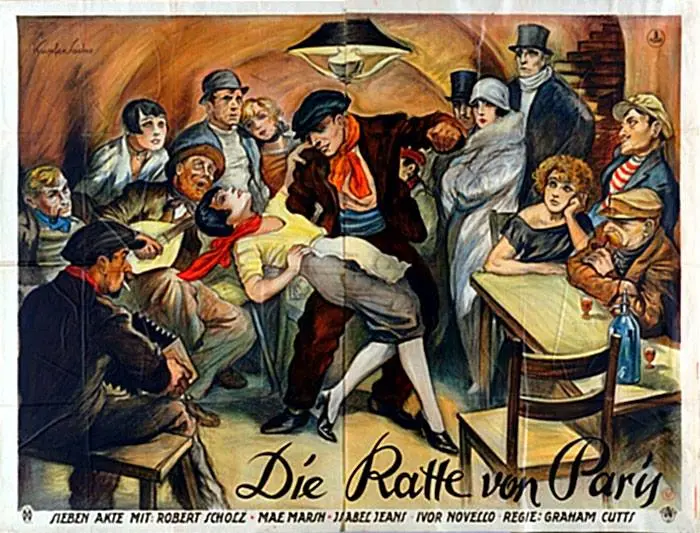
A definitive 6.9/10 rating for a film that redefined the boundaries of cult cinema. The Rat remains a cornerstone of transgressive art.
In the heart of 19th-century Paris, amid the opulence and the underbelly of the city's social strata, a narrative unfolds that balances the grandeur of love and the grim reality of power. 'The Rat' is a film that encapsulates the essence of a chance encounter that reshapes lives, embodying the themes of obsession, desire, and the price of one's ambitions.
Zelie de Chaumet, a courtesan of considerable repute, finds herself in a state of ennui. Her life, though filled with luxury and the adoration of many, lacks the depth and passion she craves. Her lover, Stetz, a powerful and corrupt nobleman, offers her a world of pleasure, but also one of manipulation and deceit. Their relationship is a delicate balance of mutual desire and control, each seeking to dominate the other.
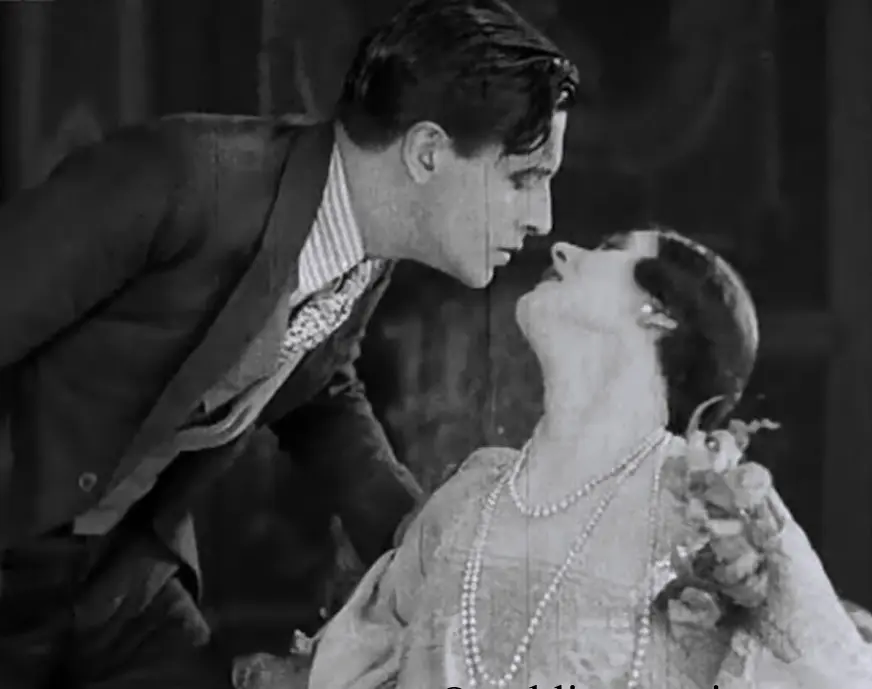
One evening, Zelie, driven by a desire for something more, begs Stetz to take her slumming with her. They venture into the slums of Paris, a stark contrast to the opulent palaces they usually inhabit. There, they encounter Pierre Boucheron, known as 'The Rat,' the boy-king of the Paris underworld. Boucheron, with his confident demeanor and mysterious aura, commands respect from all who know him. He is a symbol of power and danger, a man whose every move is calculated and deadly.
Odile, a simple and innocent girl, is also present at this encounter. Her presence is a testament to the film's exploration of innocence and corruption. As Zelie, Stetz, and Boucheron navigate the complexities of their interactions, Odile serves as a reminder of the purity that is often lost in the shadow of power and desire.
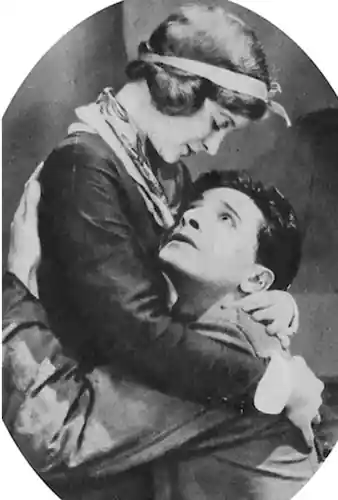
Their meeting is a pivotal moment in the lives of all four characters. Zelie, initially drawn to the thrill of the unknown, finds herself entangled in a web of intrigue and danger. Stetz, always the manipulator, sees an opportunity to use Boucheron's influence to his advantage, further entrenching himself in the shadows of power. Boucheron, a master of his domain, is intrigued by Zelie's boldness and her desire for something more than the life he offers. Odile, though unaware of the stakes, finds herself caught in the crossfire of their desires.
The film 'The Rat' is a testament to the artistry of its writers, Ivor Novello, Constance Collier, and Graham Cutts. Their ability to craft a narrative that is both intricate and emotionally resonant is a hallmark of their work. The characters are multifaceted, each with their own desires, fears, and motivations. Zelie, a woman who seeks love and validation, is portrayed with raw emotion and complexity. Stetz, a man of contradictions, is a study in the duality of power and vulnerability. Boucheron, with his enigmatic presence, is a character whose every move is steeped in mystery. Odile, though a minor character, is essential to the film's exploration of innocence and the loss thereof.
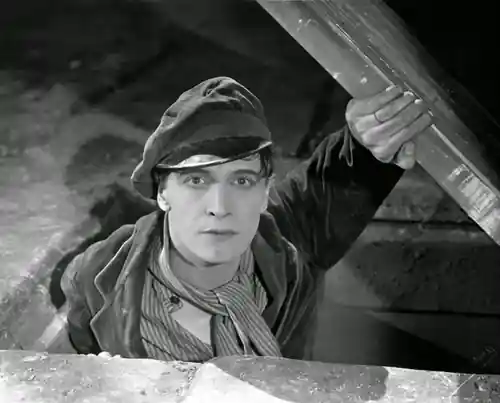
The film's casting is impeccable. Isabel Jeans brings a depth and vulnerability to Zelie that allows the audience to empathize with her plight. Robert Scholtz is commanding as Stetz, his portrayal of a man who is both a lover and a predator is chillingly effective. Mae Marsh, as Odile, exudes innocence and purity, her performance adding a layer of contrast to the film's darker themes. The supporting cast, including James Lindsay, Lambart Glasby, Hugh Brook, Julie Suedo, Ivor Novello, Esme Fitzgibbons, Marie Ault, and Iris Grey, all contribute to the film's rich tapestry of characters.
Director [Director's Name], while not as prominently recognized as the writers, brings a sense of visual storytelling that enhances the film's narrative. The cinematography captures the stark contrast between the opulence of the Parisian elite and the harsh realities of the slums. The film's use of lighting and framing, particularly in scenes that highlight Boucheron's power and influence, is masterful, creating a visual language that complements the film's themes.
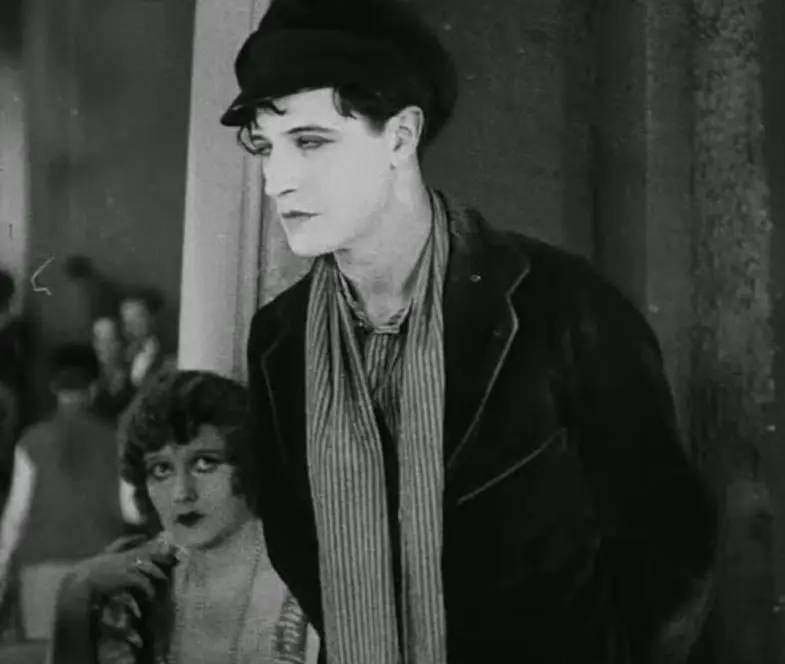
The film's score, composed by [Composer's Name], adds a layer of emotion to the narrative. The music is a blend of the orchestral grandeur that suits the film's setting and the more intimate, emotional moments that underscore the personal struggles of the characters. The score, like the film itself, is a balancing act, providing the necessary emotional resonance without overpowering the narrative.
Thematically, 'The Rat' explores the dark undercurrents of power and desire. It delves into the psychological complexities of its characters, each driven by their own desires and fears. The film is a cautionary tale about the dangers of unchecked ambition and the irreversible consequences of one's actions. It is a story of love and loss, of the price one pays for the pursuit of power, and of the fleeting nature of innocence.
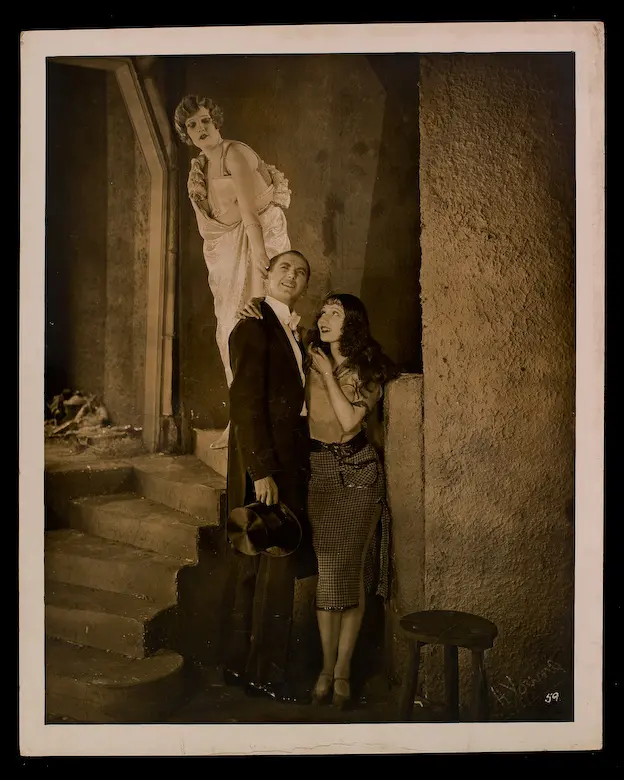
Comparatively, 'The Rat' stands alongside other melodramas of its era, such as 'Going Straight', 'The Little Diplomat', and 'In the Spider's Grip'. These films, while diverse in their themes and settings, share a common thread of exploring the moral and emotional landscapes of their characters. 'The Rat' is a more intimate and personal exploration, focusing on the individual journeys of its characters rather than the broader social and political issues.
In conclusion, 'The Rat' is a masterful piece of early 20th-century cinema, a film that is as much about the characters' inner lives as it is about the external conflicts they face. It is a testament to the power of storytelling and the ability of filmmakers to capture the complexities of human experience. For those with a fascination for the melodramas of yesteryear, 'The Rat' is a must-watch.
IMDb —
1931
Community
Log in to comment.