DbcultAccessing Vault...
6.4/10
Senior Film Conservator
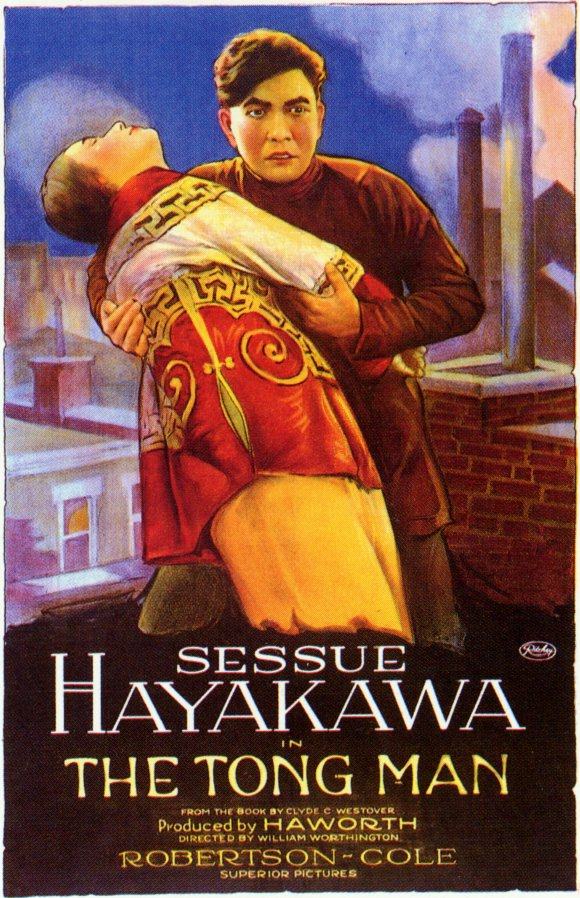
A definitive 6.4/10 rating for a film that redefined the boundaries of cult cinema. The Tong Man remains a cornerstone of transgressive art.
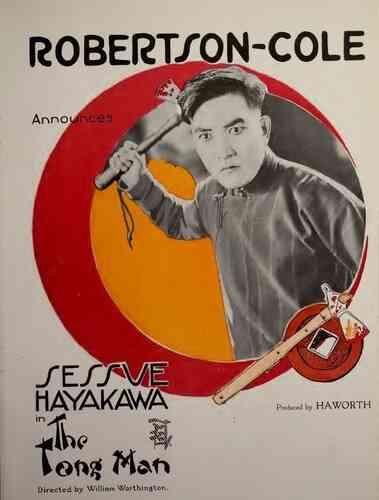
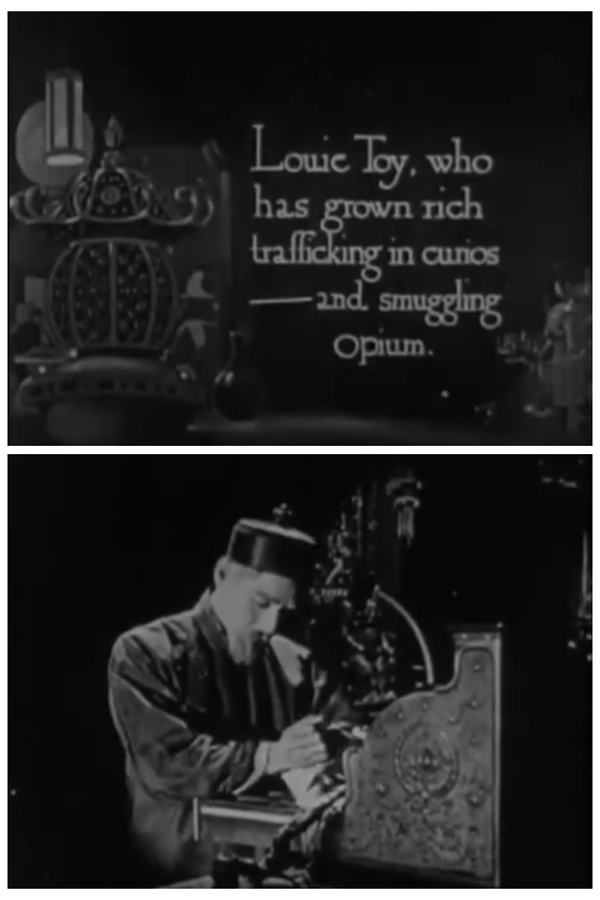
Beneath the paper lanterns and ceremonial dragons of early cinema's Chinatown lies a pulsating ecosystem of vice and survival in The Tong Man. Director William Worthington constructs an intricate tapestry where every gesture carries lethal weight—a raised teacup signals conspiracy, a folded fan conceals assassination orders. Unlike the broad caricatures prevalent in contemporaneous films like Peerless Pineapples of the Pacific, this universe thrums with coded rituals. The opium trade operates with corporate precision; packages move through laundry carts and funeral processions, the white powder disguised in jade figurines and funeral urns. This attention to logistical detail elevates the smuggling narrative beyond mere MacGuffin into a chilling commentary on capitalism's underbelly.
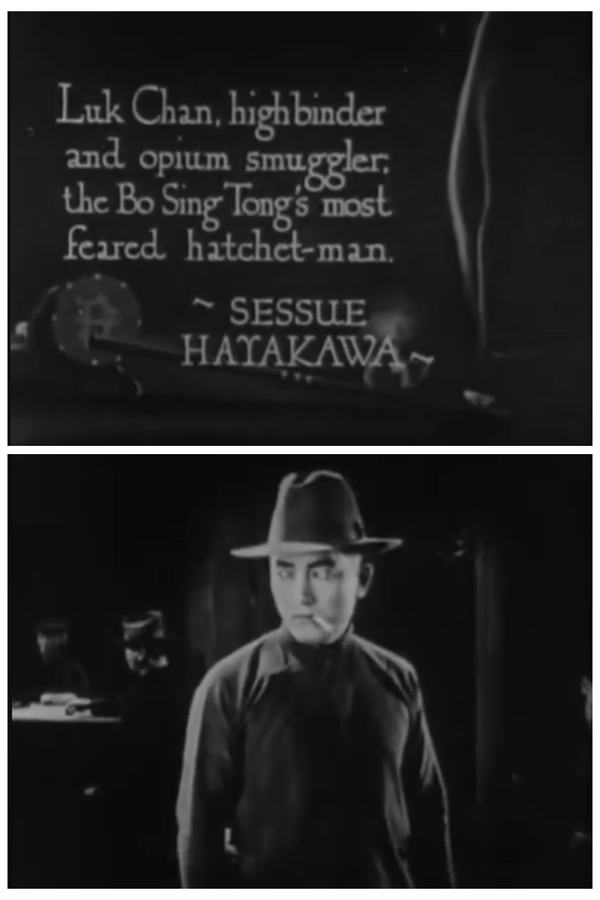
Sessue Hayakawa's Quan Lin remains one of silent cinema's most mesmerizing villains—a tectonic presence shifting between ceremonial grace and reptilian menace. Watch how his fingers linger on a dagger's hilt while discussing poetry, or how his smile freezes mid-curve when detecting disloyalty. This performance predates his iconic Colonel Saito in The Bridge on the River Kwai by decades, yet already showcases his genius for conveying power through stillness. Contrast this with Marc B. Robbins' Luke Gavin, whose physicality screams desperation—shoulders perpetually hunched against anticipated knives, eyes darting like cornered rats. Their climactic warehouse confrontation becomes a ballet of opposing energies: Hayakawa's glacial control versus Robbins' frenetic survivalism.

"In the economy of violence, trust is bankruptcy waiting to happen."
Helen Jerome Eddy's Mai Ling operates as the film's moral compass in a world without true north. Her tragedy isn't romantic—it's geopolitical. Forced into marriage with Toyo Fujita's brutal enforcer Chen, she navigates marital terror while secretly shielding Gavin. Notice how director Worthington frames her behind lattice screens and beaded curtains—visible yet imprisoned. In an era when Asian women were typically decorative fixtures like in A Woman of Impulse, Mai Ling's agency emerges through subversion: poisoning tea to delay assassins, misdirecting search parties with false gossip. Her final sacrifice—stepping before Chen's bullet to save Gavin—transcends melodrama, becoming a silent scream against female commodification.

Cinematographer Dal Clawson pioneers location verisimilitude rarely seen in 1919. Actual San Francisco alleyways frame pivotal chases, their sloping angles creating disorienting Dutch tilts as Gavin flees pursuers. Opium dens aren't exoticized hellscapes but functional businesses—workers weigh pellets on brass scales while accountants log transactions in ledgers, anticipating the procedural realism of The Adventures of Lieutenant Petrosino. Most revolutionary? The absence of "yellow peril" tropes. Tongs operate like Italian mobs in The Master of the House or Irish gangs in 500 Pounds Reward—motivated by territory and capital, not racial caricature.
Worthington choreographs brutality with disturbing intimacy. Assassinations favor close-quarters tools—silk cords, poison needles, palm daggers—requiring killers to embrace victims. This tactile approach reaches its zenith when Chen garrotes an informant during a crowded festival, the murder masked by swirling dragon dancers. The soundless format amplifies horror; we see tendons strain against strangling wires but hear only the spectator's heartbeat. Compare this to the comedic brawls in The Fighting Grin—here, violence isn't spectacle but ecosystem maintenance, as routine as inventory checks.
Clyde Westover and Richard Schayer's script employs a ripple-effect structure. Quan Lin's assassination order triggers concentric waves of consequence: betrayals multiply like fractal patterns, minor characters evolve into pivotal players, and seemingly disposable objects—a jade hairpin, a shipping manifest—gain lethal significance. This complexity predates The Coiners' Game's financial labyrinths, favoring emotional calculus over plot mechanics. Notice how Gavin's escape routes narrow geometrically: first fleeing through bustling streets, then cramped apartments, finally trapped in a cargo net suspended over the bay—a visual metaphor for the tightening noose of fate.
The absence of dialogue transforms objects into narrative vessels. A teapot placed deliberately signals conspiracy; shattered porcelain warns of breached trust. Hayakawa masters ocular storytelling—his widened pupils upon recognizing Gavin's betrayal convey more than pages of monologue could. This visual literacy extends to set design: Quan Lin's headquarters feature empty birdcages symbolizing trapped souls, while Gavin's waterfront hideout displays frayed ropes foretelling hanging premonitions. Unlike the title card reliance of Help Wanted, every frame here communicates subtext.
"In this world, even shadows carry blades."
The film's bleak genius lies in its refusal to romanticize criminality. Gavin achieves no triumphant redemption—he escapes San Francisco physically but psychically hollowed, clutching Mai Ling's jade pendant on a departing freighter. His survival demands moral dismemberment; he abandons allies, exploits lovers, and leaves bodies like breadcrumbs. This unsentimental resolution anticipates noir nihilism by two decades, rejecting the tidy conclusions of contemporaries like They're Off. The final shot lingers on Gavin's vacant stare—not relief, but the thousand-yard gaze of a soul auctioned for survival.
Today, The Tong Man resonates as both artifact and prophecy. Its unflinching portrayal of systemic corruption predates The Divorcee's social critiques by a decade, while Hayakawa's performance dismantles reductive Asian stereotypes perpetuated by Hollywood for generations. The opium trade narrative uncomfortably mirrors modern opioid epidemics, revealing how criminal enterprises evolve but never vanish. Most astonishing? Its preservation status—nearly lost like When the Mountains Call, surviving through a single nitrate print discovered in a Prague archive in 1983. This fragile existence mirrors its themes: beauty persisting amidst decay, light surviving in darkness.
Rewatching The Tong Man today induces cognitive whiplash. Its progressive characterizations clash against the yellowface proliferating in 1919, while its critique of drug capitalism feels unnervingly current. Hayakawa's layered villainy predates Michael Corleone by half a century—a patriarch enforcing order through atrocity. The film's greatest provocation remains its moral ambiguity; no heroes emerge unscathed, no institution proves incorruptible. In an era of cinematic moral binaries, this gray-scale universe feels revolutionary. As Gavin's freighter disappears into the fog, we're left contemplating uncomfortable truths: survival requires complicity, and escape demands abandoning pieces of one's soul at the dock.
IMDb —
1935
Community
Log in to comment.