DbcultAccessing Vault...
7.4/10
Senior Film Conservator
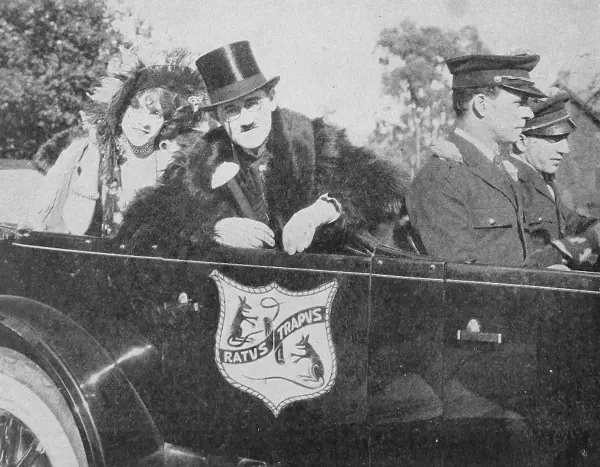
A definitive 7.4/10 rating for a film that redefined the boundaries of cult cinema. The Rat's Knuckles remains a cornerstone of transgressive art.
In the annals of cinematic history, certain films, often overlooked by mainstream retrospectives, possess a unique luminescence, a quiet brilliance that demands rediscovery. Such is the case with "The Rat's Knuckles," a delightful confection from the silent era that, while seemingly built around a whimsical premise, delves into the peculiar human impulse to innovate, profit, and occasionally, to complicate life with the best of intentions. At its core lies Professor James Jump, portrayed with a captivating blend of earnestness and wide-eyed naivete by Jack Gavin. Jump is no ordinary academic; he is an inventor, a dreamer, and a man convinced that his latest contraption will not only solve an age-old problem but also secure his financial destiny. The problem? Rodent infestation. The solution? A "humane" mouse trap.
The very concept of a humane mouse trap, as presented in "The Rat's Knuckles," is a masterstroke of comedic irony. It immediately sets a tone of lighthearted absurdity, inviting the audience to ponder the ethical quandaries of pest control through a distinctly comedic lens. Professor Jump’s invention isn’t merely a device; it’s a philosophical statement, albeit one delivered with slapstick precision. His unwavering belief that rodents deserve a painless, dignified relocation rather than a swift, decisive end is both admirable and utterly preposterous, forming the comedic bedrock of the narrative. This isn't just about catching mice; it's about the inventor's soul, his misguided benevolence clashing with the harsh realities of entrepreneurial endeavor. The film cleverly explores how an ideal, however noble, can quickly devolve into farcical chaos when introduced to the unpredictable variables of the real world – or, in this case, the unpredictable variables of an increasingly agitated rodent population and the human reactions to it.
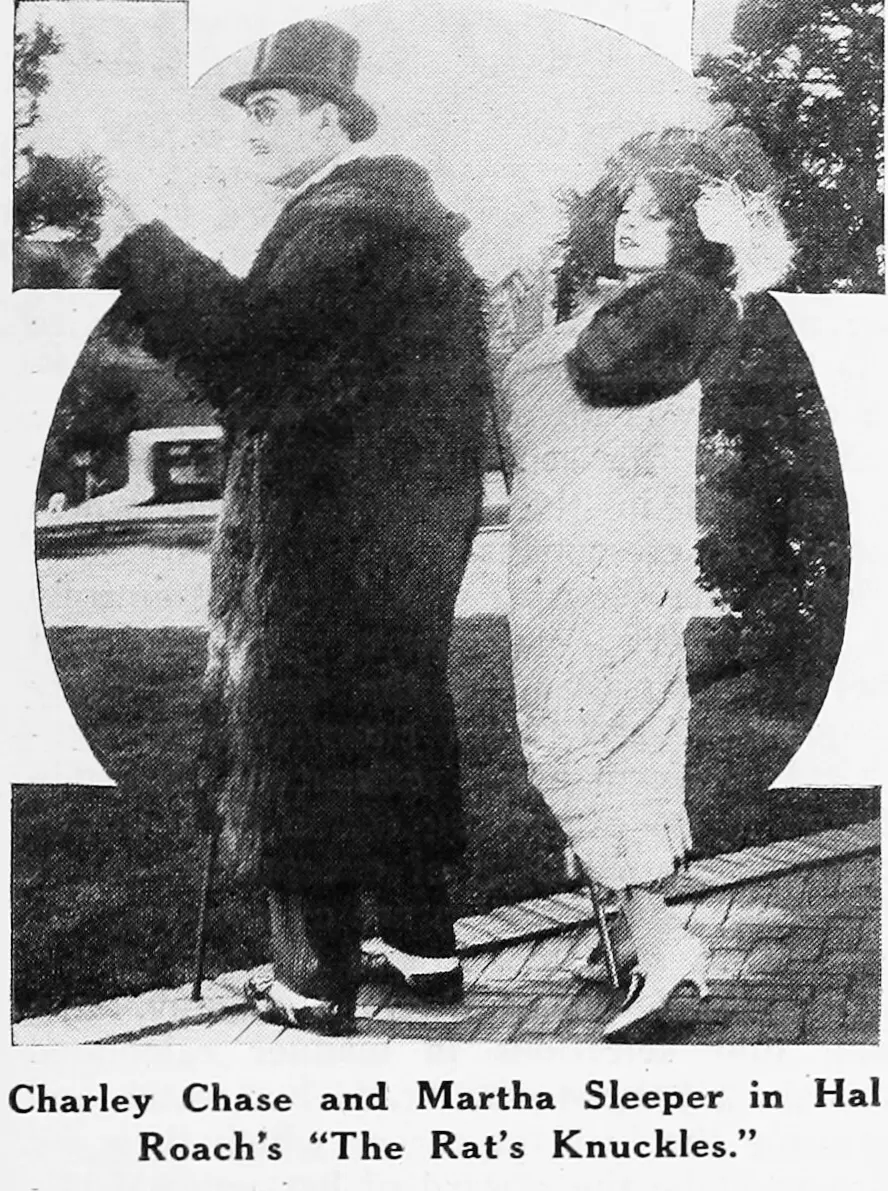
Jack Gavin's portrayal of Professor Jump is nothing short of masterful. He imbues the character with a nervous energy and an almost childlike enthusiasm that makes his eventual predicaments all the more uproarious. Gavin doesn't just play a role; he embodies the spirit of the well-meaning but ultimately inept inventor, a trope that resonated deeply with audiences of the era and continues to amuse today. His physical comedy, often subtle yet perfectly timed, speaks volumes without the need for intertitles. We witness his initial triumph, his quiet pride in his creation, only for it to be systematically dismantled by unforeseen complications. The film does an excellent job of building up the expectation of his success, only to delightfully subvert it, demonstrating a keen understanding of comedic pacing. This journey from hopeful inventor to harried victim of his own ingenuity is what gives the film its enduring charm and relatability, even a century later.
"The Rat's Knuckles" thrives in the unique ecosystem of silent cinema, where visual storytelling reigns supreme. The absence of dialogue forces a heightened reliance on physical performance, exaggerated expressions, and meticulously choreographed gags. Directorially, the film demonstrates an acute awareness of its medium's strengths, leveraging every frame to convey humor, tension, and character nuance. The sequences involving the "humane" trap itself are particularly memorable, evolving from simple demonstrations to elaborate, multi-layered mishaps that escalate with delightful unpredictability. Imagine a scene where the professor attempts to demonstrate his trap to potential investors, only for the "humanely" captured mice to escape en masse, leading to a frantic, furniture-smashing chase. The precision required for such sequences, especially in an era without the luxury of modern editing techniques, is truly commendable.
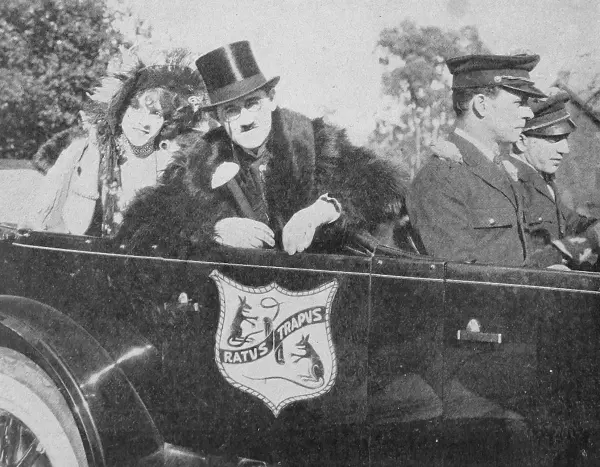
The challenges of performing in the silent era cannot be overstated. Actors like Gavin, Gilmore, and Chase had to convey entire emotional arcs and narrative beats through pantomime, facial expressions, and precise physical movements. This demanded not only talent but an almost athletic grace, turning their bodies into instruments of storytelling. The success of "The Rat's Knuckles" is a direct reflection of this collective skill, where every gesture, every wide-eyed stare or exasperated sigh, contributes to a richly textured comedic experience. It’s a masterclass in non-verbal communication, a skill that modern cinema often overlooks in its reliance on dialogue.
The supporting cast, a vibrant tapestry of silent film stalwarts, contributes significantly to the film's comedic tapestry. Helen Gilmore and Dick Gilbert provide excellent foils to Jump's earnestness, their exasperated reactions often mirroring the audience's own amusement. Clara Guiol and William Gillespie round out the ensemble, each adding their distinct flavor to the unfolding chaos. And then there's Charley Chase. While perhaps not in a lead role, Chase's presence, even in a supporting capacity, invariably elevates the comedic stakes. Known for his suave, dapper everyman persona often caught in increasingly absurd situations, his contribution here, whether through a knowing glance or a perfectly executed pratfall, adds another layer of sophisticated humor to the proceedings. His ability to convey complex emotions and reactions with minimal effort was a hallmark of his career, seen in films like Leap Year, where his comedic timing was equally impeccable. One can easily envision Chase as a skeptical but ultimately entangled bystander, perhaps a rival inventor or a bewildered neighbor, whose attempts to assist only exacerbate the hilarity.
IMDb —
1933
Community
Log in to comment.