DbcultAccessing Vault...
Cult Review
Senior Film Conservator
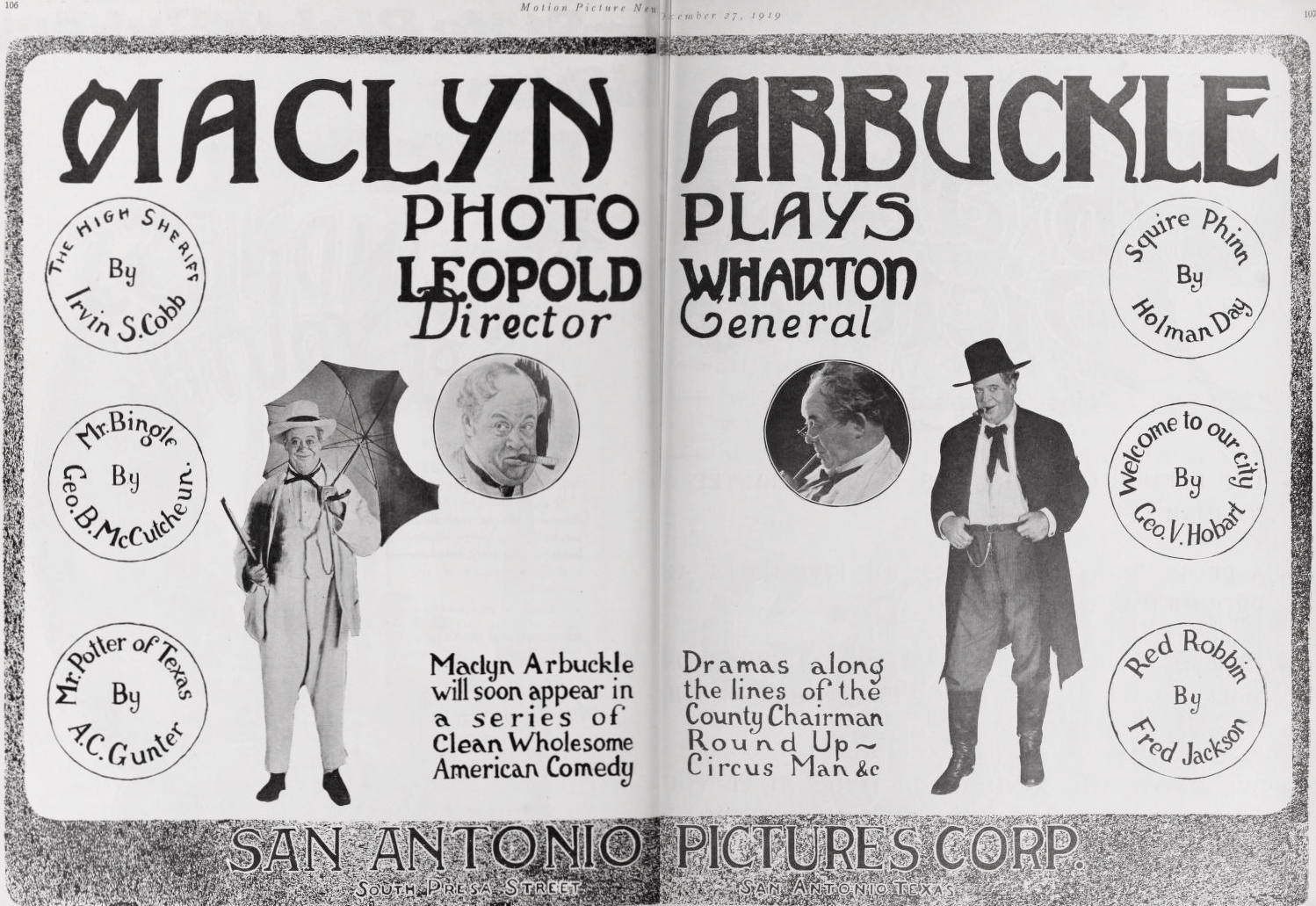
The year 1922 remains a hallowed epoch in the annals of silent cinema, a period where the visual grammar of the medium was evolving with a ferocity that matched the social upheavals of the post-war era. Amidst this creative ferment, Mr. Bingle, directed with a sensitive eye for the pathos of the common man, stands as a quintessential example of the morality play adapted for the silver screen. Based on the literary foundations laid by George Barr McCutcheon, the film is more than a mere rags-to-riches-to-rags fable; it is a searing indictment of the rapaciousness of the gilded class and a celebratory hymn to the resilient dignity of the proletariat.
In the titular role, Macklyn Arbuckle delivers a performance of remarkable restraint and nuanced physicality. Unlike the exaggerated histrionics often associated with early silent drama—seen perhaps more overtly in contemporary works like The Waxen Doll—Arbuckle imbues Bingle with a quiet, simmering humanity. His Bingle is not a caricature of poverty but a breathing, aching entity whose every stoop over the ledger books speaks of a decade of suppressed dreams. When the narrative shifts from the claustrophobic confines of the counting house to the expansive vistas of his newfound estate, Arbuckle’s transformation is subtle; he carries the weight of his millions with the same humble grace with which he carried his debts.
The contrast between Bingle and his unscrupulous relatives is rendered with a sharp, satirical edge. While Bingle represents the altruistic potential of the individual, his cousins represent the corrosive influence of inherited privilege. This dynamic creates a tension that mirrors the social anxieties of the early 20th century, where the boundaries between the 'old money' aristocracy and the emerging middle class were being aggressively redrawn. Arbuckle’s ability to navigate these shifts in status without losing the core essence of the character is a testament to his prowess as a dramatic anchor.
The screenplay, navigating the intricate plot points of McCutcheon’s original vision, utilizes the trope of the 'test of character' with surgical precision. The return of the seemingly penniless uncle is a narrative masterstroke that exposes the hollow core of the wealthy family members. Their rejection of the patriarch is not merely a plot device but a profound commentary on the commodification of familial bonds. In contrast, Bingle’s immediate and unquestioning hospitality provides the film's moral center. This sequence serves as a thematic bridge to other explorations of moral redemption in the era, such as The Redemption of White Hawk, though Mr. Bingle trades the rugged exteriority of the Western for the domestic interiority of the urban drama.
The transition into the second act, where Bingle establishes an orphanage, elevates the film from a personal drama to a socio-political statement. By choosing to spend his fortune on the most vulnerable members of society, Bingle challenges the prevailing Darwinian ethics of his peers. The orphanage sequences are filmed with a luminous, almost ethereal quality, contrasting sharply with the dark, angular aesthetics of the legal battles that follow. This visual dichotomy underscores the fragility of altruism in a world governed by rigid, often heartless, jurisprudence.
Perhaps the most devastating turn in the film is the court ruling that strips Bingle of his fortune and, more tragically, his right to care for the orphans. This sequence is handled with a stark realism that feels surprisingly modern. The law is presented not as an instrument of justice, but as a cold machine that prioritizes technicality over humanity. This thematic exploration of the law's failure to protect the virtuous can be seen in other 1920s dramas like The Woman Who Dared, where the protagonist must navigate a system designed to suppress her agency. For Bingle, the loss is total; he is cast back into the abyss of poverty, a victim of the very society he sought to improve.
The cinematography during the eviction from the orphanage is particularly striking. The use of shadow and composition emphasizes Bingle’s isolation, a lone figure standing against the looming architecture of the state. It is a moment of profound existential dread, where the protagonist must confront the possibility that his goodness was for naught. The emotional weight of this scene is amplified by the audience's investment in the children, whose futures are sacrificed at the altar of legal procedure.
When placing Mr. Bingle within the broader context of 1922 cinema, its unique tonal balance becomes evident. While The Adventures of Felix might offer more whimsical escapism, and Sunset Jones provides a more traditional narrative of frontier justice, Mr. Bingle occupies a space of domestic realism that is rare for the time. It shares a certain DNA with The Prima Donna's Husband in its exploration of the pressures of public expectation versus private integrity, yet it remains more grounded in the economic realities of its characters.
Furthermore, the film’s treatment of chance and the 'gambles' of life invites comparison with Hearts Are Trumps. In both films, the protagonists are subject to the whims of fate, though Bingle’s journey is more explicitly tied to his moral choices. The gossip and social judgment that plague Bingle after his downfall echo the themes of The Tattlers, showcasing a society that is as quick to tear down its heroes as it is to ignore its villains. Even the more exotic or stylized productions of the year, such as Imar the Servitor or the Hungarian A peleskei nótárius, lack the raw, relatable pathos that Arbuckle brings to this role.
The resolution of Mr. Bingle is one of the most poignant codas in silent cinema. Having lost everything—his money, his house, and his surrogate family—Bingle finds himself back at the starting point of his journey. However, the arrival of his own child serves as a transcendent moment of grace. This plot point could easily have descended into mawkish sentimentality, but in the hands of this creative team, it feels like a necessary philosophical conclusion. It posits that while the state can confiscate wealth and institutions can be dismantled, the fundamental human experience of creation and love remains beyond the reach of the ledger.
This focus on domestic bliss as the ultimate prize is a recurring motif in the era’s more conservative social dramas, yet here it feels radical because of the immense scale of what was lost. Unlike the scandalous undertones of The Bigamist or the lighthearted deceptions of The Joyous Liar, Mr. Bingle treats its conclusion with a solemnity that suggests a spiritual homecoming. The bookkeeper’s ledger is finally balanced, not through the accumulation of interest, but through the intrinsic value of a new life.
Viewing Mr. Bingle today requires an appreciation for the didactic nature of early 20th-century storytelling. It shares a moral urgency with The Solitary Sin, though it targets the external sins of greed and legal apathy rather than internal vices. The film’s pacing, while deliberate, allows the audience to fully inhabit Bingle’s world, making the eventual loss of the orphanage feel like a personal tragedy for the viewer. The production design, which moves from the cramped, Dickensian poverty of the first act to the grandiosity of the second, serves as a visual metaphor for the protagonist’s expanding and then contracting world.
In the context of international cinema, where films like Rose di sangue were exploring more operatic and violent themes, Mr. Bingle remains a distinctly American narrative of perseverance. It lacks the cynicism of Tin Cans, opting instead for a hopeful, if battered, outlook. The film’s endurance lies in its universal message: that the true measure of a man is found in his capacity to give when he has nothing, and his ability to find joy when everything has been taken away.
Ultimately, Mr. Bingle is a masterclass in silent storytelling, a film that leverages the specific talents of Macklyn Arbuckle to create a character of enduring relevance. It is a reminder that the struggles of the 1920s—the gap between the rich and the poor, the fallibility of the law, and the search for meaning in a chaotic world—are the same struggles we face today. It is a cinematic treasure that deserves a place in the pantheon of great social dramas, a testament to the power of virtue in a world that often rewards its opposite.
IMDb 6.5
1936
Community
Log in to comment.