DbcultAccessing Vault...
Cult Review
Senior Film Conservator
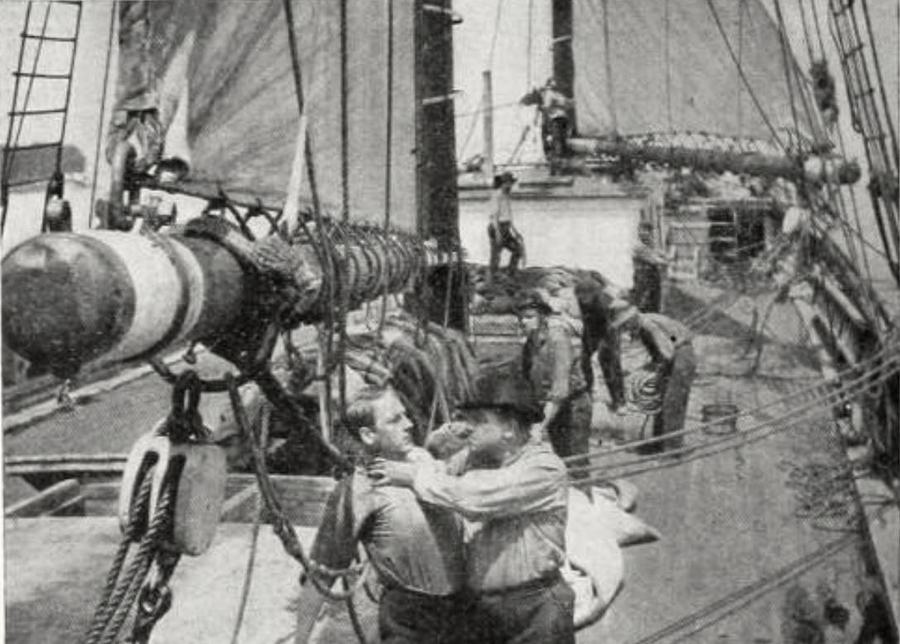
Spoilers run faster than any thoroughbred—saddle up at your own risk.
The Suburban begins where most American dynastic fables end—inside a paneled library scented with Cuban smoke and patrician certainty. Robert Gordon, whose very name clangs like a vault door, presumes assets can beget progeny in perpetuity. But Charles T. Dazey’s screenplay, adapted from James Dayton’s stage property, is a roulette wheel rather than a balance sheet. Every time a character believes he has hedged fate, the narrative calls his bluff.
Donald’s courtship of Alice is shot in tableau style, yet the blocking vibrates with subtext: when the lovers meet beside the potting shed, cinematographer King Baggot (doubling as leading man) lets a pane of greenhouse glass fracture the frame, hinting that class barriers are both transparent and lacerating. Their secret marriage, sealed by lamplight and a ring that looks borrowed from a Cracker Jack box, is the film’s first insurrection against capital.
Iva Shepard’s Alice is no fainting flower; her chin tilts like a jib sail whenever patriarchal gales blow. In the scene where Robert snubs her, Shepard lets her eyelids flutter twice—no more—before stiffening her spine, a minimalist gesture that conveys oceans of insulted dignity.
As Sir Ralph, John A. Milton slithers with pre-code decadence. Notice how he fingers a brandy snifter: the digit strokes the rim the way a card-shark caresses an ace, suggesting every object in his orbit is a potential wager. When he later presses his suit upon Alice, his moustache seems to sniff rather than simply sit—a predatory bloom.
Brinsley Shaw’s Hyde, the moral fulcrum, underplays magnificently. His butler glides, never strides, and the camera loves the lunar pallor of his brow, a living calling-card that reads: “I have seen through you all.”
Though shot in Fort Lee, New Jersey, the racetrack sequence feels like Babylon resurrected. Directors William J. Humphrey & Frank Smith intercut actual Sheepshead Bay footage with studio close-ups, achieving a proto-Kuleshov effect: when Donald’s colt rounds the far turn, archival crowds surge while insert shots of Iva Shepard clutch her throat in a soundless scream—two negatives that produce an electric positive.
Color tinting alternates between gamboge gold for interiors (the shade of old money) and cobalt night scenes where cyanotypes of moonlit stables evoke rotogravure crime tabloids. The palette alone foreshadows the turf-noir subgenre later perfected in The Tigress and 0-18 or A Message from the Sky.
The intertitle cards, hand-lettered with Art-Nouveau curlicues, read like haiku of turpitude:
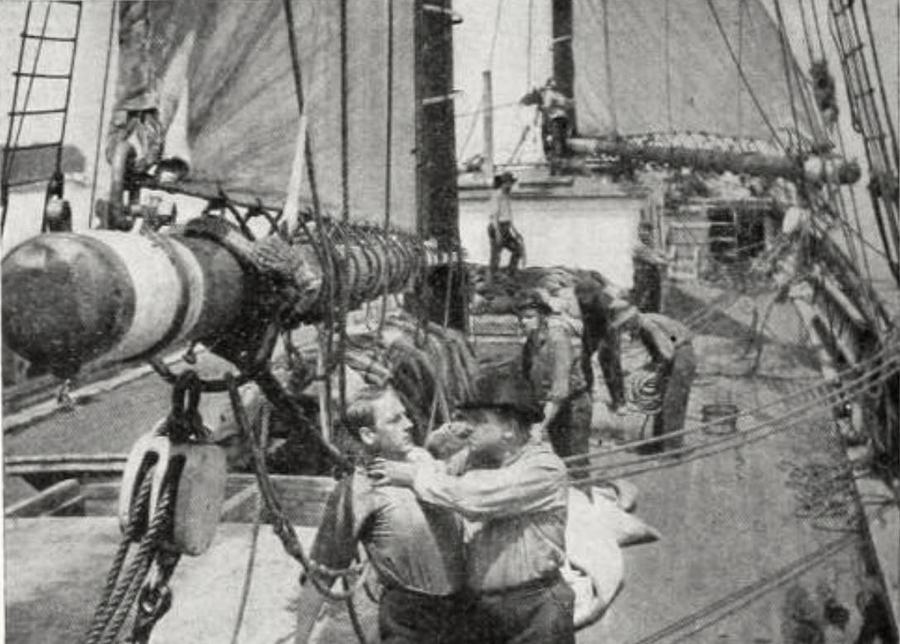
“Ralph—remember the safe breathes.”
That single line, appearing just before the theft, turns a strongbox into a panting beast, a leviathan of temptation. Another card:
“A horse can outrun debt, but not disgrace.”
—serves as both aphorism and plot thesis, compressing the film’s Darwinian worldview into twelve words.
Unlike Your Girl and Mine: A Woman Suffrage Play which externalizes reform through parade-pageantry, The Suburban stages class warfare as interior melodrama. Money here is not merely currency; it is heredity, oxygen, original sin. When Donald severs his birthright, the act feels messianic—he trades gilt-edged bonds for the copper coin of self-definition. Yet the film refuses socialism; instead it prescribes moral capitalism: win the race, reclaim the fortune, but only after purging the parasite (Sir Ralph) whose gaming addiction metastasized through the body economic.
Women in this universe are either assets or auditors. Helen, the imported English cousin, floats as matrimonial bait; Alice, the working-class ingénue, evolves into moral auditor, her consent the only ledger that matters. When she slaps Sir Ralph—an unthinkable act for a lodge-keeper’s daughter—the camera holds on her trembling wrist: social tectonics have shifted. Compare this proto-feminist gesture to the collective suffragette march in Your Girl and Mine; both films understand female agency as disruptive energy, though The Suburban keeps the revolt personal rather than political.
At a trim 38 minutes, the picture devotes nearly ten to the Suburban Handicap, a structural gamble that pays off. The montage rhythm anticipates Soviet montage: hooves pound in metric beats, hooves = heartbeats = cut. Each close-up of a jockey’s whip is followed by stock-ticker imagery—numbers superimposed like hail—suggesting that market and turf are conjoined twins. When Joe (Bob Pansey) replaces Tom the crooked jockey, the substitution is filmed in low-angle against a painted cyclorama of cumulus, turning a stable boy into an avenging angel astride 1,200 pounds of thunder.
The butler’s blackmail and Sir Ralph’s parricidal pistol prefigure the chiaroscuro psychosis of 1940s noir. Hyde’s death—hand clawing toward camera as paper confession flutters into Donald’s grasp—quotes the demise of Waldo in Laura decades avant la lettre. The off-screen suicide that follows (a gun-crack echoing down marble corridors) delivers a moral verdict without the Victorian comfort of repentance. The final tableau—Robert Gordon embracing his disowned son while a corpse cools upstairs—implies redemption is merely the obverse of repression, two faces of the same coin tossed into Sheepshead Bay’s dark tide.
For decades The Suburban languished in the shadow of its racetrack cousin The Only Son, but a 2018 4K restoration by the EYE Filmmuseum revealed latent detail: the glint of a faro chip, the frayed hem of Alice’s calico, the dust motes that dance like flecks of gold above the safe. MoMA’s 2020 “Turf-Noir” retrospective finally granted it canonical status, citing its influence on Capra’s Broadway Bill and even the desperate fatalism of Who Pays?.
Astride the cusp of feature-length storytelling, The Suburban fuses melodrama’s emotional excess with the kinetic pulse of sport. Its flaws—occasionally creaky exposition, a comic-relief stablehand who mugs like vaudeville—are forgivable birthmarks of an adolescent medium. What lingers is its moral aftertaste: the recognition that America’s true addiction is not liquor or opium but leverage—betting today against tomorrow, family against fortune, soul against stock. To watch it is to feel the hoof-beat of history thundering through your ribcage long after the final iris-in closes like a wary eye.
References:
EYE Filmmuseum restoration notes (2018)
MoMA retrospective catalogue “Turf-Noir: Racing into Darkness” (2020)
Koszarski, Richard. Fort Lee: The Film Town. Indiana University Press, 2004.
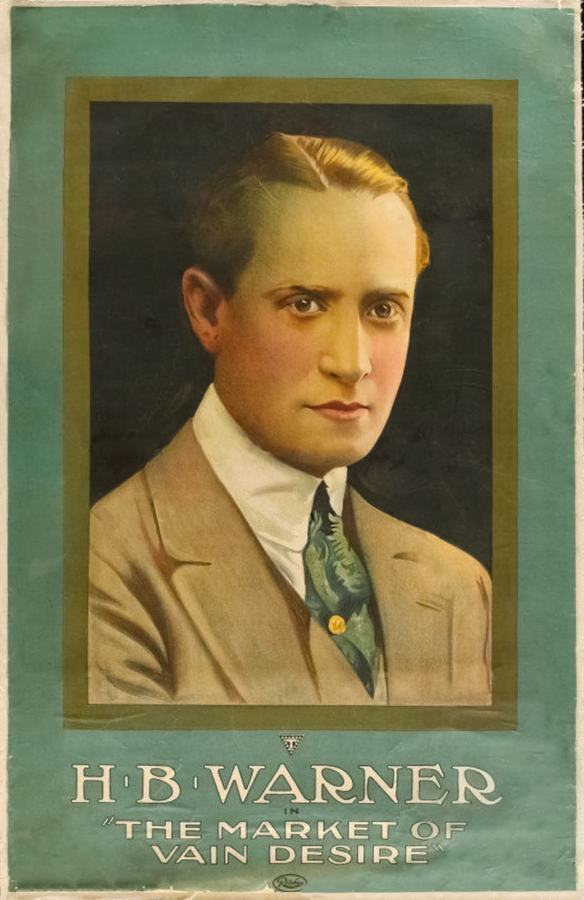
IMDb —
1916
Community
Log in to comment.