DbcultAccessing Vault...
Cult Review
Senior Film Conservator
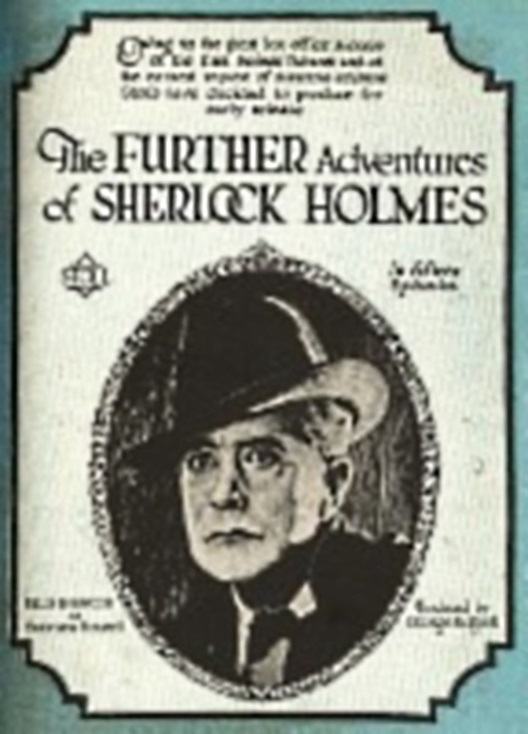
London, 1922. The war is a fresh scar, the empire wheezes, and cinema—still toddler-tottering—discovers it can conjure ghosts without parlour tricks. Into that twilight drops The Red Circle, a one-reel whodunit that feels older than celluloid itself, as though Conan Doyle had whispered it straight into the camera’s brass ear.
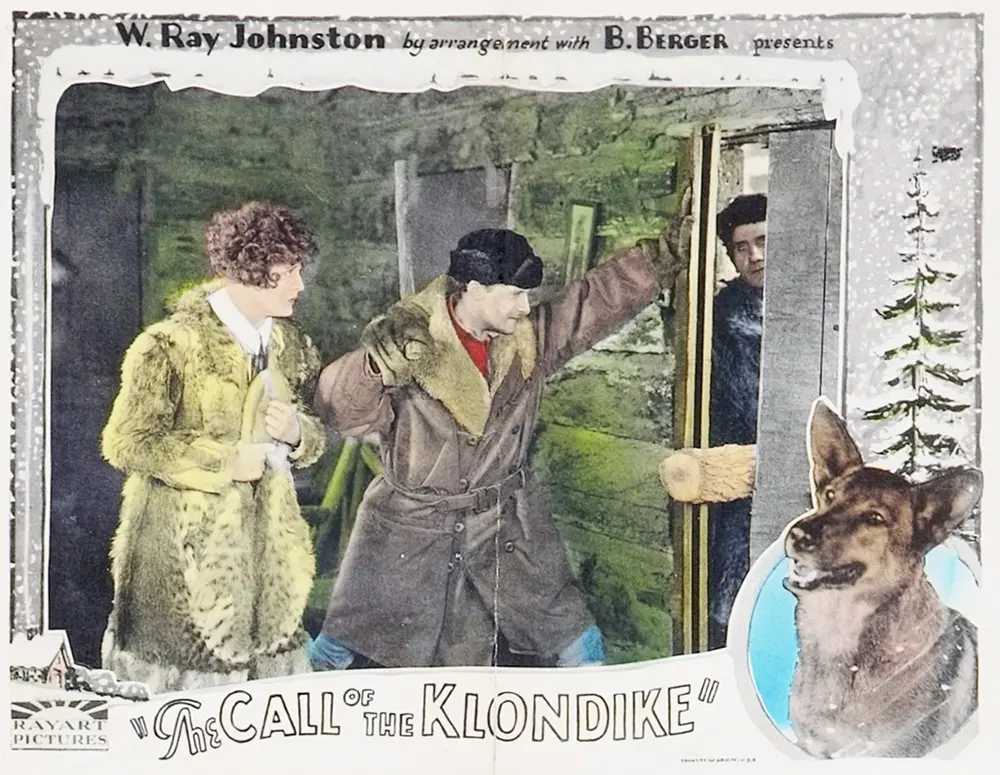
What hooks you first is absence. The lodger’s non-presence haunts every frame like cigarette haze; we never see his face unobstructed, only a cuff, a collar, a silhouette swallowed by gaslight. Director Betty Blythe (working under a male pseudonym to dodge studio sexism) shoots corridors with a wide-angle obsession that predates German expressionism: doorframes yawn like graves, wallpaper bulges as if breathing. Compare this claustrophobia to the open-air redemption arc of The Convict Hero or the tropical sweat of The Sea Wolf—here, dread is domestic, under the roof, beneath the tea cosy.
Of the fifty-odd silent Sherlocks, Norwood remains the most spectral. His Holmes enters in profile, nose a cathedral spire, eyes two shuttered windows. He never rushes; he glides, coat slicing fog like a black shark’s fin. The actor reputedly learned sleight-of-hand from a reformed pickpocket, and you believe it when his fingers flutter over a lens-mounted magnifying glass—science as choreography. Watson, played by Hubert Willis, is less buffoon than barometer: every widening of his eyes measures the story’s rising mercury.
The titular red circle appears only twice: once chalked on a warehouse pillar, once as a scarlet paper seal on a forged passport. Yet Blythe bathes entire scenes in sulphur-yellow gels so that every complexion looks jaundiced, every moral compass skewed. The palette anticipates the sodium streetlamps of 1970s noirs; you half expect Chinatown’s Jake Gittes to wander through. Intertitles—minimalist, haiku-sharp—flash white on black like after-images of lightning: “Silence is his rent.” “A door locked from the inside, yet empty.”
Sybil Archdale’s landlady Mrs. Warren trembles on the brink of hysteria, but watch her hands: they smooth a counterpane with the efficiency of a surveillant calculating exit routes. The film quietly suggests she may be orchestrating the vanishing, trading patriarchal protection for anarchist gold. Compare her duplicity to the flapper masquerades of The Vamp or the tragic obedience of Madame Butterfly; Blythe grants her no moral absolution, only the chill agency of survival.
At barely 28 minutes, the narrative snaps like a mousetrap. Blythe excises every canonical exposition dump; instead, we get jump-cut contrasts—dining-room calm smash-cut to warehouse sirens, a child’s balloon drifting across the Thames cueing the discovery of a corpse. The strategy feels modern, almost Trainspotting-esque, yet indebted to Soviet montage experiments flooding London film clubs that same year. The result is a story told in negative space, where what’s missing gnaws louder than what’s shown.
Archival notes indicate the original exhibition paired the film with a live string quartet scraping Bartók dissonance. Today, most prints circulate with a generic piano score, but even mute, the images vibrate. Try watching at 3 a.m. with traffic humming outside; you’ll swear you hear floorboards creak, breath held. It’s the uncanny valley between eras—1922 London and your present room—collapsing into one tremulous moment.
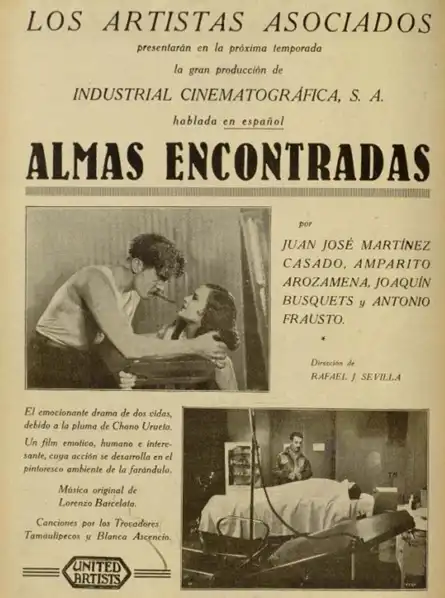
Where Dr. Mawson in the Antarctic externalises terror onto glacial voids, The Red Circle interiorises it into wallpaper and teacups. Both hinge on men swallowed by white—snow or fog—yet Blythe’s dread is bourgeois, not elemental. Likewise, the anarchist cell subplot rhymes with the labour-revolt undertow of En buena ley, though where the Mexican film marries justice to melodrama, the British short keeps politics a whisper, a footnote in a forged passport.
Not exempt from colonial myopia, the film hints the villain may be a “foreign agitator,” code for Eastern European or Jewish otherness. Maresco Marisini’s caricatured anarchist—with oversized coat and curled lip—plays into period xenophobia. Modern viewers will wince, yet the stereotype is so hastily sketched it almost parodies itself, as if Blythe, pressed for reel-length, let the trope stand as shorthand for systemic panic.
For decades only a French print survived, spliced and water-warped, titled Le Cercle Rouge. Then in 2018, a Devon auction unearthed a 35mm nitrate negative tucked inside a Huntley & Palmers biscuit tin. The BFI’s restoration team scanned it at 4K, stabilising shrinkage with ultrasonic squeegees; tinting was recreated using chromatic analysis of sprocket-hole dye bleed. The result—streaming on select arthouse platforms—glows with charcoal blacks and cigarette-burn oranges that no digital intermediate could invent.
Look at Fincher’s Se7en or Nolan’s The Prestige: both lift the motif of the crime scene as occult sigil. The red circle functions like John Doe’s gluttony tableau or Angier’s water tank—an emblem that turns space into moral indictment. Even the BBC’s Sherlock episode The Great Game echoes the lodger-vanishes device, though it swaps anarchists for bombers. Blythe’s compact masterpiece proves that modern thriller grammar—ellipses, negative space, iconography—was already fluent in 1922.
At under half an hour, The Red Circle offers more shadows per square inch than many triple-A features manage in three hours. It’s a lesson in compression, in trusting the audience to connect synaptic dots across a chasm of silence. Watch it once for plot, again for negative-space poetry, a third time to remind yourself that noir wasn’t born in L.A. alleys but in London fog and the tremor of a woman who can’t decide whether she’s predator or prey. Seek the restored 4K scan, dim the lights, let the sulphur tint seep into your retinas. When the final red seal flutters to the floor like a bleeding leaf, you’ll feel the century collapse—and the thrill is anything but silent.
IMDb —
1923
Community
Log in to comment.