DbcultAccessing Vault...
6.3/10
Senior Film Conservator
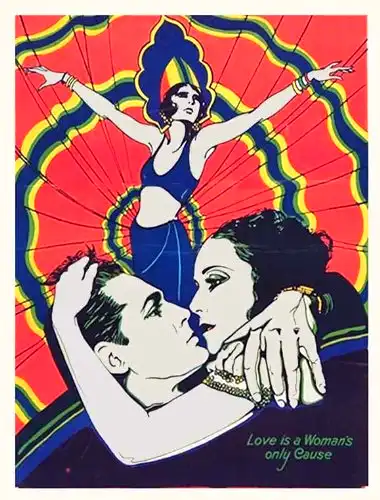
A definitive 6.3/10 rating for a film that redefined the boundaries of cult cinema. The Red Dance remains a cornerstone of transgressive art.
For dedicated enthusiasts of silent cinema, especially those drawn to the grand romantic epics of the late 1920s, or any admirer of Dolores Del Río's magnetic screen presence, The Red Dance is absolutely worth seeking out. It offers a fascinating glimpse into Hollywood's interpretation of a major historical event, filtered through a deeply personal love story that, at its best, is genuinely compelling. However, viewers unaccustomed to silent film pacing, or those seeking a historically accurate or deeply nuanced political drama, might find its melodramatic flourishes and narrative shortcuts less engaging. Its strengths lie firmly in its visual ambition and its star performances, not in its historical fidelity or subtle storytelling.
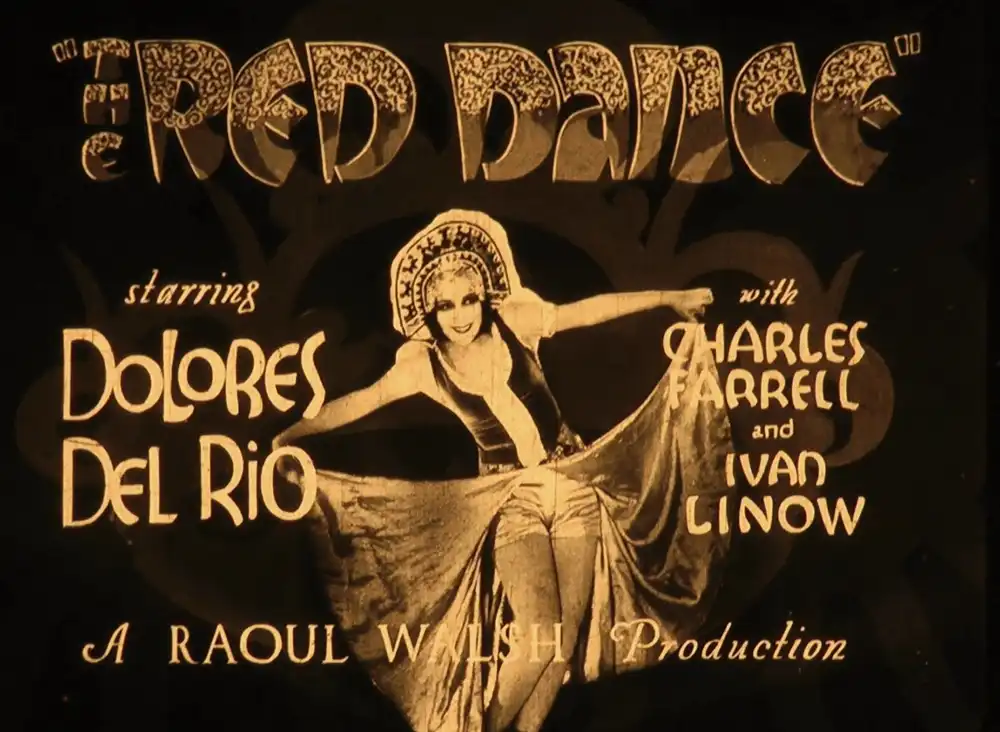
The film lives and breathes through the performance of Dolores Del Río as Tasia. From her initial portrayal as a wide-eyed peasant girl, burdened by revolutionary duty, to her transformation into the celebrated 'Red Dancer of Moscow,' Del Río commands the screen. Her ability to convey complex emotions without dialogue is remarkable. A particular scene where she first encounters Grand Duke Eugen (Charles Farrell) and her resolve to assassinate him visibly crumbles in her eyes, is a masterclass in silent acting. Her face, often framed in dramatic close-ups, becomes the primary canvas for the film's emotional landscape, shifting from naive innocence to hardened revolutionary, and finally, to a woman torn by impossible love. She carries the melodramatic weight of the plot with an undeniable grace.
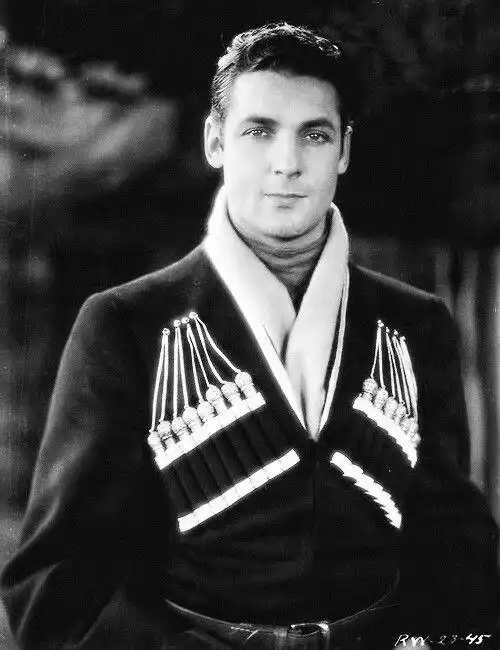
Charles Farrell, as Grand Duke Eugen, complements Del Río well. He embodies the aristocratic charm and vulnerability necessary for his character, making his unlikely romance with Tasia believable despite their class divide. There's a particular quiet dignity in his performance, especially after his arrest, that prevents him from becoming a mere romantic prop. Barry Norton, as Ivan Petroff, the peasant who loves Tasia and rises to power, navigates a more challenging role. His transformation from earnest revolutionary to conflicted general is portrayed with a certain earnestness, though occasionally his internal struggle feels less nuanced than Del Río's, sometimes conveyed through slightly overdone gestures that were common in the era.
As a silent film, The Red Dance naturally operates on a different rhythm than modern cinema. For the most part, it finds an engaging pace, particularly during the escalating revolutionary sequences and the intimate romantic moments. The film excels at building suspense, such as Tasia's initial attempts on Eugen's life, or the tense scenes leading up to his eventual arrest. However, there are stretches, particularly in the middle act, where the narrative feels less organic. Ivan's rapid ascent to general and Tasia's rise as 'The Red Dancer' are presented more as a montage of plot points rather than deeply explored character arcs. This can lead to moments where the film drags, or where a crucial character development feels rushed, leaving the audience to fill in some emotional gaps.
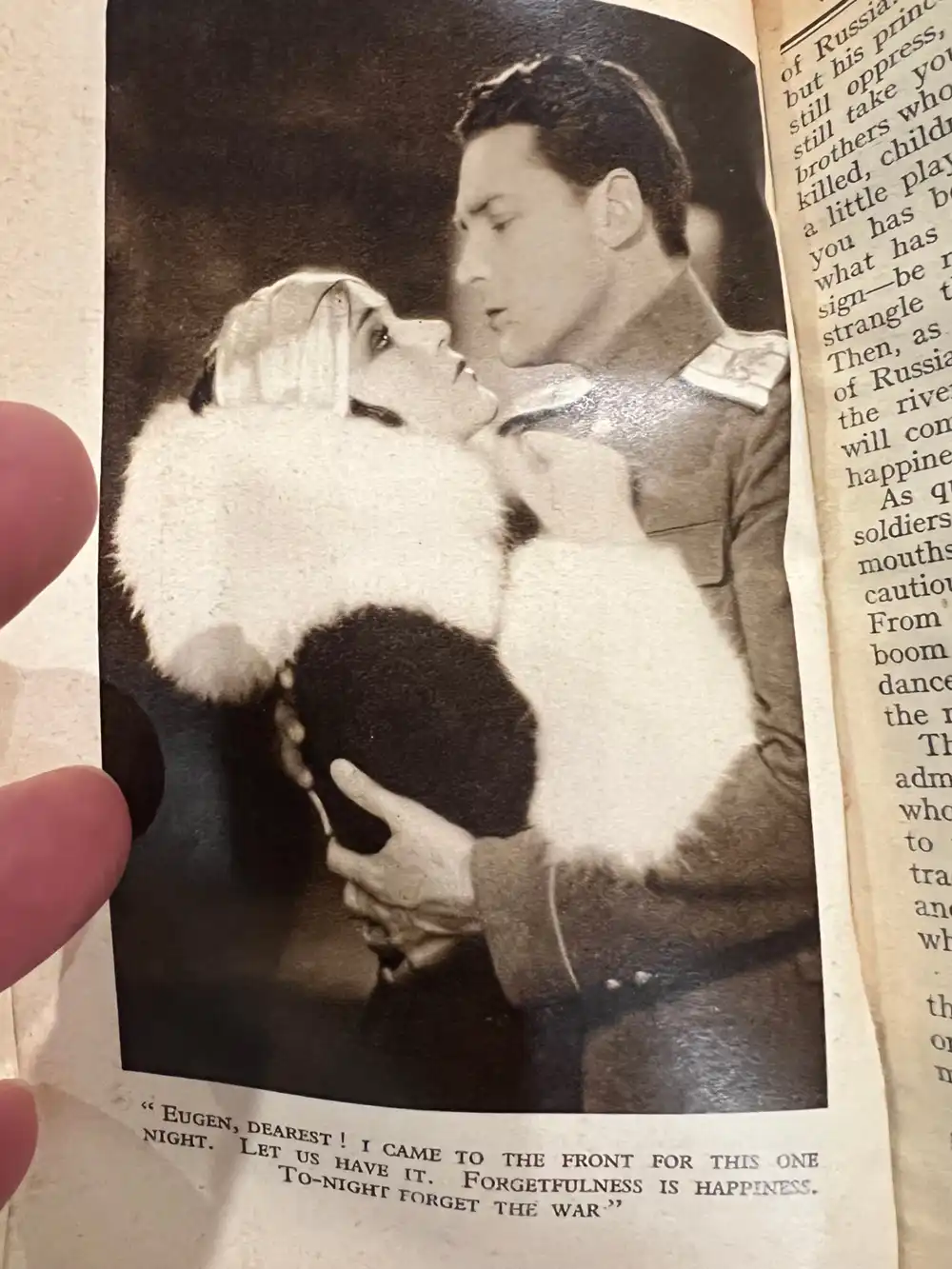
The film's tone is a delicate balance between sweeping romance and the grim reality of the Russian Revolution. While the melodrama is a defining characteristic of the genre, there are instances where the emotional intensity feels unearned, or where a reaction shot lingers a beat too long, pulling focus from the narrative momentum. The rapid shifts between the opulence of the imperial court and the chaos of the revolutionary streets are visually effective, but sometimes the emotional threads connecting Tasia's personal drama to the wider political upheaval feel a little thin.
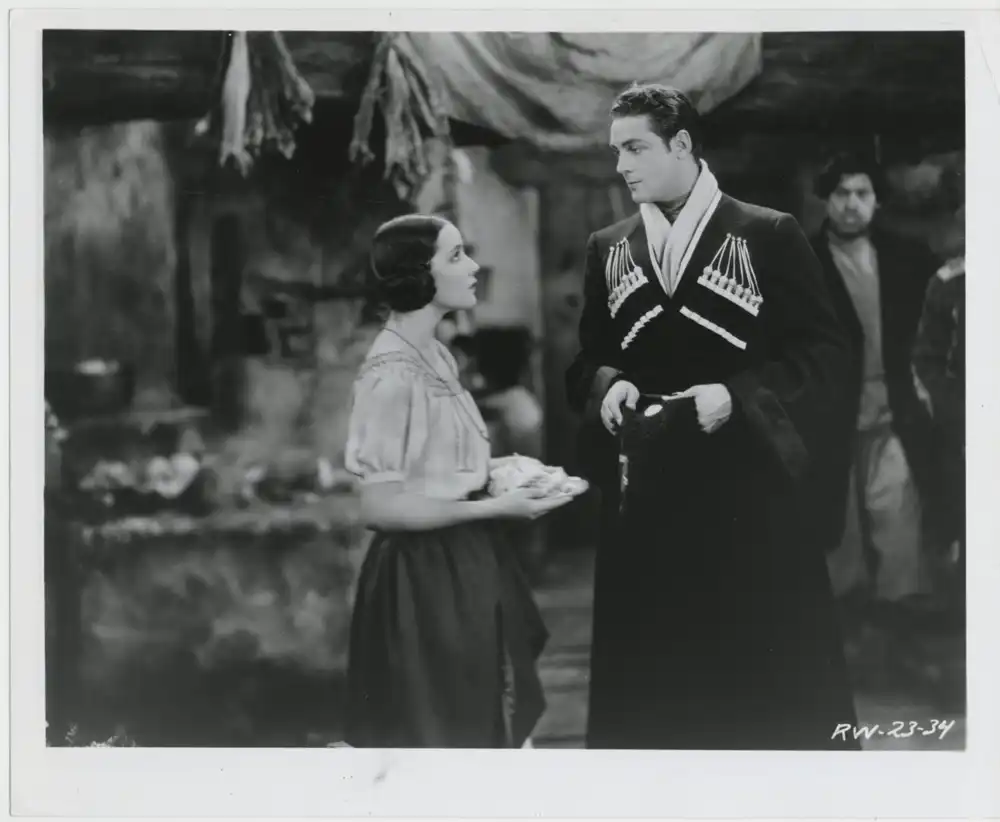
Visually, The Red Dance is an ambitious production. The set design for the Grand Duke's palace is lavish, effectively conveying the aristocratic excess that the revolution seeks to overthrow. This stands in stark contrast to the gritty, often chaotic, depictions of the revolutionary streets and the stark interiors of prisons. The crowd scenes during the uprising are particularly noteworthy; they feel surprisingly organic and less rigidly choreographed than in some other silent epics, lending a raw, almost documentary-like edge to the studio-bound chaos. This attention to detail in the background movement and the sheer number of extras involved is a testament to the film's production values.
The sequences featuring Tasia as 'The Red Dancer' are perhaps the film's visual highlight. Utilizing dramatic, high-contrast lighting and evocative costuming, these scenes elevate Tasia's stage persona, transforming her from a peasant girl into a symbol of revolutionary fervor. The cinematography frequently uses close-ups to emphasize Del Río's striking features and expressive eyes, allowing her non-verbal performance to carry significant emotional weight. The film also makes clever use of intertitles, not just for dialogue, but for dramatic effect, sometimes appearing as stark, bold statements to underscore the revolutionary fervor or personal dilemmas.
The Red Dance is a fascinating artifact of its time, a testament to the power of star charisma and ambitious silent filmmaking. Dolores Del Río's magnetic performance alone makes it a worthwhile watch for anyone interested in the silent era, and the film's visual scale is still impressive nearly a century later. While its pacing occasionally falters and its melodramatic elements can feel dated to modern sensibilities, the core romantic tragedy remains compelling. It's a film that demands a certain patience and appreciation for its historical context, but rewards those who give it a chance with a visually rich and emotionally potent experience. It's not a perfect film, but it is a significant one, anchored by a truly luminous central performance.
IMDb —
1915
Community
Log in to comment.