DbcultAccessing Vault...
Cult Review
Senior Film Conservator
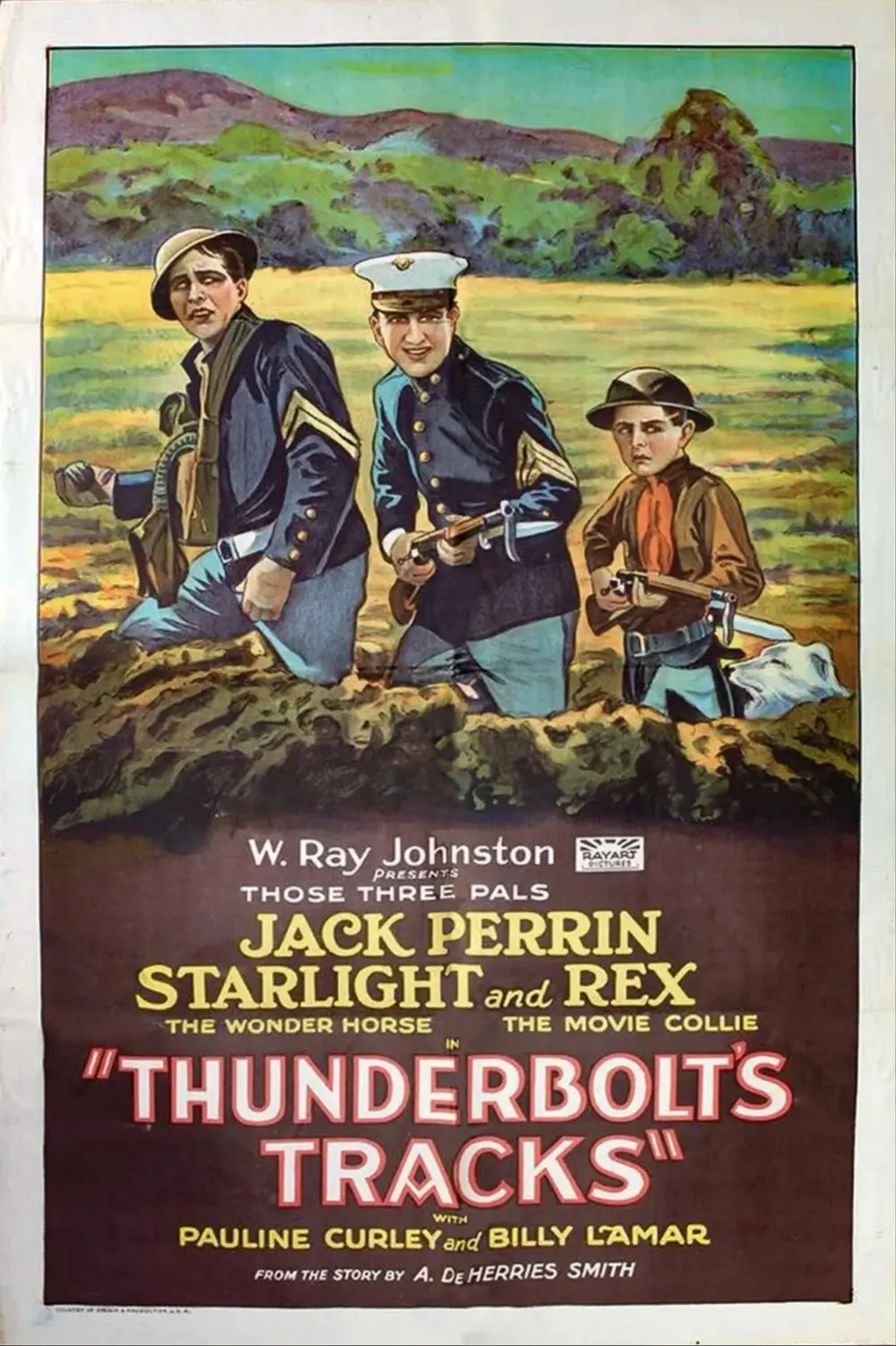
Is Thunderbolt’s Tracks a film that demands your attention in the modern era? Short answer: only if you have a deep-seated affection for the oddities of the silent era or a scholarly interest in how post-war trauma was filtered through the Western genre. It is a film that feels caught between two worlds—the traditional frontier myth and the emerging modernism of the 1920s. For the casual viewer, it might feel like a slow burn with a strange payoff, but for the enthusiast, it is a fascinating artifact.
This film is specifically for those who enjoy B-Western archetypes and the physical storytelling of early 20th-century cinema. It is emphatically NOT for anyone who requires high-octane pacing or a complex, morally grey narrative. This is meat-and-potatoes filmmaking with a side of pugilism.
This film works because it leans into the physical charisma of its leads and the novelty of its central conflict—replacing the gun with the glove.
This film fails because its secondary characters are paper-thin, and the narrative logic behind the boxing match is, frankly, absurd even by 1920s standards.
You should watch it if you want to see a rare example of a 'Marine-turned-Cowboy' crossover that captures the post-WWI American zeitgeist.
The 1920s were a transformative time for the Western. The genre was moving away from the stark realism of the early silents and toward the more polished, stunt-heavy B-movies that would dominate the 1930s. Thunderbolt's Tracks sits right on that fence. By introducing the characters as Marines returning from the war, writers Bennett Cohen and A. DeHerries Smith attempt to ground the film in a contemporary reality that audiences in 1927 would have felt deeply. This isn't just about a ranch; it's about men who have seen the worst of the world trying to protect the little bit of good they have left.
The New Mexico setting is captured with a rugged, unpretentious eye. Unlike the more stylized vistas seen in films like Lone Hand Wilson, the landscapes here feel functional and harsh. The water rights dispute, a classic trope of the genre, is treated with a desperate gravity. When the Marines realize the family they are visiting is being starved out, the shift from grief to action is immediate. It is a simple setup, but it works because of the inherent stakes of survival in the desert.
For the modern cinephile, Thunderbolt's Tracks is worth watching primarily as a study in genre blending. It is a Western that refuses to be just a Western. While it lacks the narrative tightness found in Fighting Bill, it compensates with its unique 'boxing-as-justice' climax. If you can tolerate the static camera work and the standard melodrama of the era, the film offers a unique glimpse into the 1920s fascination with athletic prowess as a substitute for lethal force.
Let's talk about the boxing match. In an era where the Western hero usually settled things with a quick draw, having the climax center on a regulated prize fight is a bold, if slightly ridiculous, choice. The Marshal's decision to settle water rights through a sporting event feels like a screenwriter’s convenience rather than a logical legal proceeding. However, it allows the film to showcase the physical training of the actors. Ethan Laidlaw brings a certain stoic, muscular presence to the role that distinguishes him from the more lithe heroes of the time, such as Jack Perrin in Shoot Straight.
The fight itself is choreographed with surprising grit. There is a lack of the 'theatrical' boxing often seen in early films; instead, it feels like a brawl that has been barely contained by a ring. The stakes are palpable. You aren't just watching a sport; you are watching the fate of a family ranch being decided by which man can stay upright the longest. It’s a brutal, simplistic metaphor for the American dream: work hard, fight fair, and hope the system doesn't cheat you.
One cannot discuss a B-Western from this period without mentioning the four-legged cast members. Rex the Dog and Starlight the Horse were often bigger draws than their human counterparts. In Thunderbolt's Tracks, Rex is more than just a companion; he is a narrative engine. There is a specific scene where Rex’s intuition alerts the heroes to a sabotage attempt that feels more genuine than half the dialogue-driven plot points. The animal's performance is a reminder of how silent cinema relied on these non-human actors to convey emotion and tension without the need for intertitles.
Starlight the Horse also gets his moments of glory, though he is less central here than in other films of the era. The presence of these animals adds a layer of 'comfort' to the film, adhering to the expectations of the audience who wanted to see a hero, his dog, and his horse take on the world. It’s a formula that worked then and, in a strange way, still provides a sense of nostalgic structure today.
The direction is serviceable, if uninspired. The film lacks the visual flair of high-budget silent epics, but it understands the grammar of the B-movie. The pacing is somewhat uneven; the middle act drags as the legalities of the water rights are explained through multiple intertitles. It feels like the film is stalling for time before it can get to the boxing match. However, when the action hits, it hits with clarity. The use of close-ups during the boxing match is particularly effective, capturing the sweat and strain of the combatants in a way that the wide shots of the desert cannot.
Compared to a film like Ten Dollars or Ten Days, which plays with a more comedic tone, Thunderbolt's Tracks remains stubbornly serious. This seriousness is its greatest strength and its greatest weakness. It takes the plight of the family seriously, but it also makes the more absurd elements—like the boxing Marshal—feel even more out of place. It’s a film that doesn’t know how to wink at the audience.
Thunderbolt's Tracks is a curious relic. It is not a masterpiece, nor is it a disaster. It is a functional, mid-tier silent Western that tried to do something a little different by trading six-shooters for boxing gloves. The film works. But it’s flawed. The transition from the battlefields of Europe to the water-starved ranches of New Mexico provides a compelling emotional hook that the rest of the film only occasionally lives up to.
"The film’s greatest irony is that it uses a regulated sport to settle a lawless dispute, suggesting that even in the wild West, the rules of the ring are more reliable than the rules of the land."
If you have ninety minutes to spare and a curiosity about how the 1920s viewed the 'returning soldier' archetype, give it a watch. Just don't expect it to change your life. It is a punchy, dusty, and ultimately fleeting experience that serves as a reminder of the vast, varied landscape of early American cinema.
IMDb 6.9
1935
Community
Log in to comment.