DbcultAccessing Vault...
Cult Review
Senior Film Conservator
Short answer: Yes, but only if you view it as a rebellious artifact of early silent cinema rather than a polished narrative. It is a film for those who find joy in the primitive chaos of slapstick and the subversion of social norms.
This film is specifically for historians of comedy and those who enjoy seeing the 'natural order' turned on its head. It is absolutely not for those who require high-definition production values or a plot that moves beyond a singular, repetitive gag.
1) This film works because it treats its animal performers as sentient comedic agents rather than mere props, allowing their 'refusal' to drive the humor.
2) This film fails because the technical limitations of 1917 cinema result in a static frame that occasionally fails to capture the kinetic energy of the animal mutiny.
3) You should watch it if you are fascinated by the transition from stage-bound humor to the more expansive, outdoor physical comedy seen in works like The Unknown Ranger.
The Fox Hunt is a fascinating study in what I call the 'comedy of refusal.' In most early silent shorts, humor is derived from action—falling, hitting, or chasing. Here, the humor is derived from the lack of action. When Frank Butler attempts to mount his horse, the animal doesn't just buck; it dismisses him with a cold, calculated indifference that feels surprisingly modern.
This isn't the high-stakes drama of Captain Swift. It is something much more grounded and, frankly, much funnier. The fox itself is the standout. In one specific scene, the hounds are baying for blood, and the fox simply sits down and looks at them as if they have lost their collective minds. It is a middle finger to the entire concept of the hunt.
The film lacks the polished pacing of The Rough Lover, but it makes up for it in sheer audacity. It takes a sacred cow of the upper class—the fox hunt—and turns it into a circus of incompetence. The humans are the only ones trying to maintain the script, while the animals have clearly moved on to a different genre entirely.
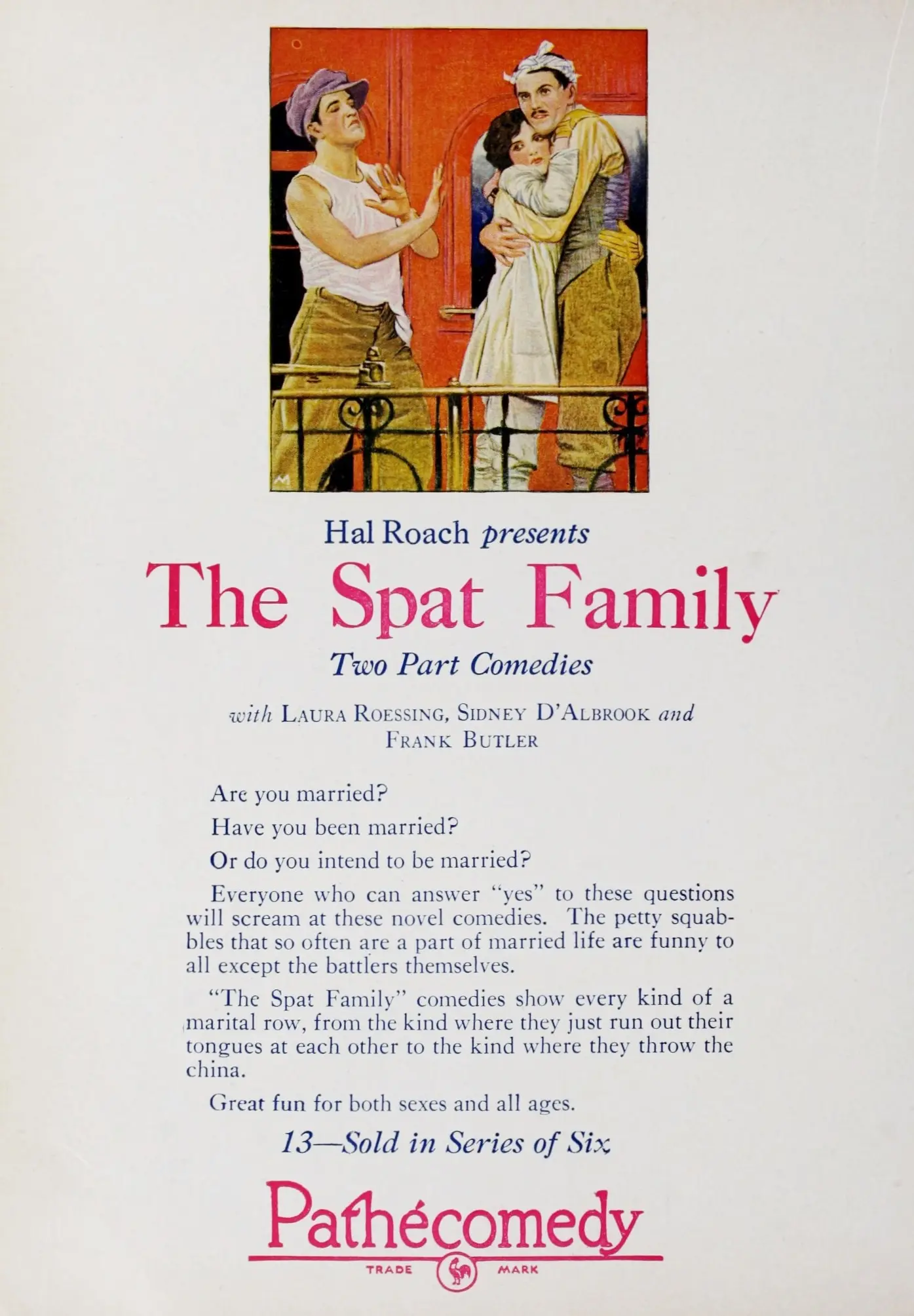
Frank Butler plays the 'straight man' to a horse, which is a difficult feat in any era. His frustration is palpable, and his physical timing is impeccable. He doesn't overact with his face as much as his contemporaries in Amor e Boemia; instead, he uses his entire body to convey a man being defeated by a four-legged creature.
Laura Roessing provides the necessary social anchor. Her presence reminds the audience of the stakes: if the hunt fails, the social hierarchy trembles. Her interactions with Sidney D'Albrook provide a brief glimpse into the interpersonal dynamics that usually dominate films like Reputation, though here they are secondary to the animal antics.
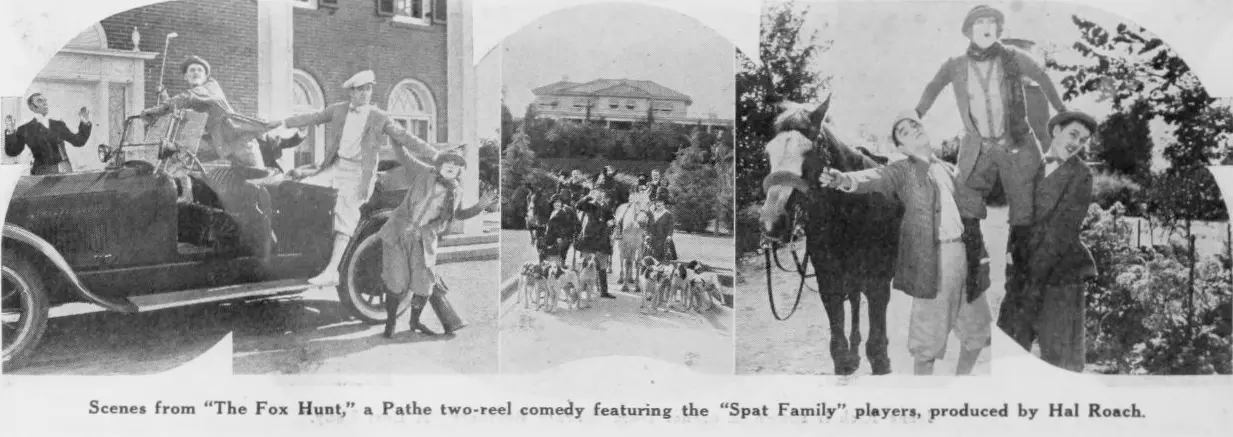
D'Albrook, usually known for more rugged roles, handles the lighthearted material with grace. However, the real stars are the animals. The trainers clearly had their hands full, or perhaps they didn't have to do much at all. The 'non-performance' of the fox is the greatest performance in the film. It is a masterclass in deadpan comedy before deadpan was a recognized style.
The cinematography is functional, if uninspired. We don't see the sweeping vistas or the dramatic lighting found in The Blue Moon. Instead, the camera remains mostly stationary, acting as a stage-side observer to the chaos. This works in the film's favor, as it allows the audience to see the full scale of the horses' disobedience without distracting cuts.
The pacing is where the film struggles. Because the central joke is 'nothing is happening as it should,' the film occasionally feels like it is stalling. Unlike the tight editing of Before Breakfast, The Fox Hunt lingers a bit too long on individual moments of frustration. It works. But it’s flawed.
However, the outdoor setting provides a level of realism that studio-bound comedies of the time lacked. You can feel the dirt and the grass, which makes the absurdity of the situation feel more grounded. It’s a stark contrast to the stylized melodrama of Eye for Eye.
If you are looking for a deep narrative with character arcs and emotional resonance, look elsewhere—perhaps toward Tess of the D'Urbervilles. The Fox Hunt does not care about your emotions. It only cares about the inherent hilarity of a horse that refuses to move.
But if you want to see the roots of anti-comedy, this is a vital watch. It’s a short, punchy reminder that even 100 years ago, filmmakers were finding ways to subvert expectations. The fox has more charisma than the human leads. That is a bold statement for 1917, and it’s one that holds up today.
The Fox Hunt (1917) is significant because it is one of the earliest examples of a 'subversive comedy' that uses animal behavior to mock human social structures. By having the animals refuse to participate in the hunt, the film critiques the rigidity of the British class system. It serves as a precursor to modern 'cringe' and 'anti-comedy' genres.
When compared to Wolves of the Range, which treats its outdoor setting with grim seriousness, The Fox Hunt feels like a breath of fresh air. It doesn't try to be an epic; it just tries to be funny. Even in the realm of lighthearted shorts like A Bit of Jade, this film stands out for its cynical edge.
It lacks the romantic charm of Land o' Lizards, but it replaces charm with a biting wit. There is something inherently punk-rock about a 1917 film that tells its audience that the 'noble hunt' is actually just a bunch of people being ignored by animals. It’s a theme that would later be explored with more sophistication in Le sorprese del divorzio, but the raw version here is quite special.
The Fox Hunt is a minor classic that deserves more attention than it gets. It is not a masterpiece of technical filmmaking, but it is a masterpiece of comedic intent. By focusing on the 'refusal' of the animals, it creates a unique space for itself in the history of silent cinema. It’s short, it’s strange, and it’s surprisingly smart. It works. But it’s flawed. And that’s exactly why you should see it.
IMDb —
1919
Community
Log in to comment.