DbcultAccessing Vault...
Cult Review
Senior Film Conservator
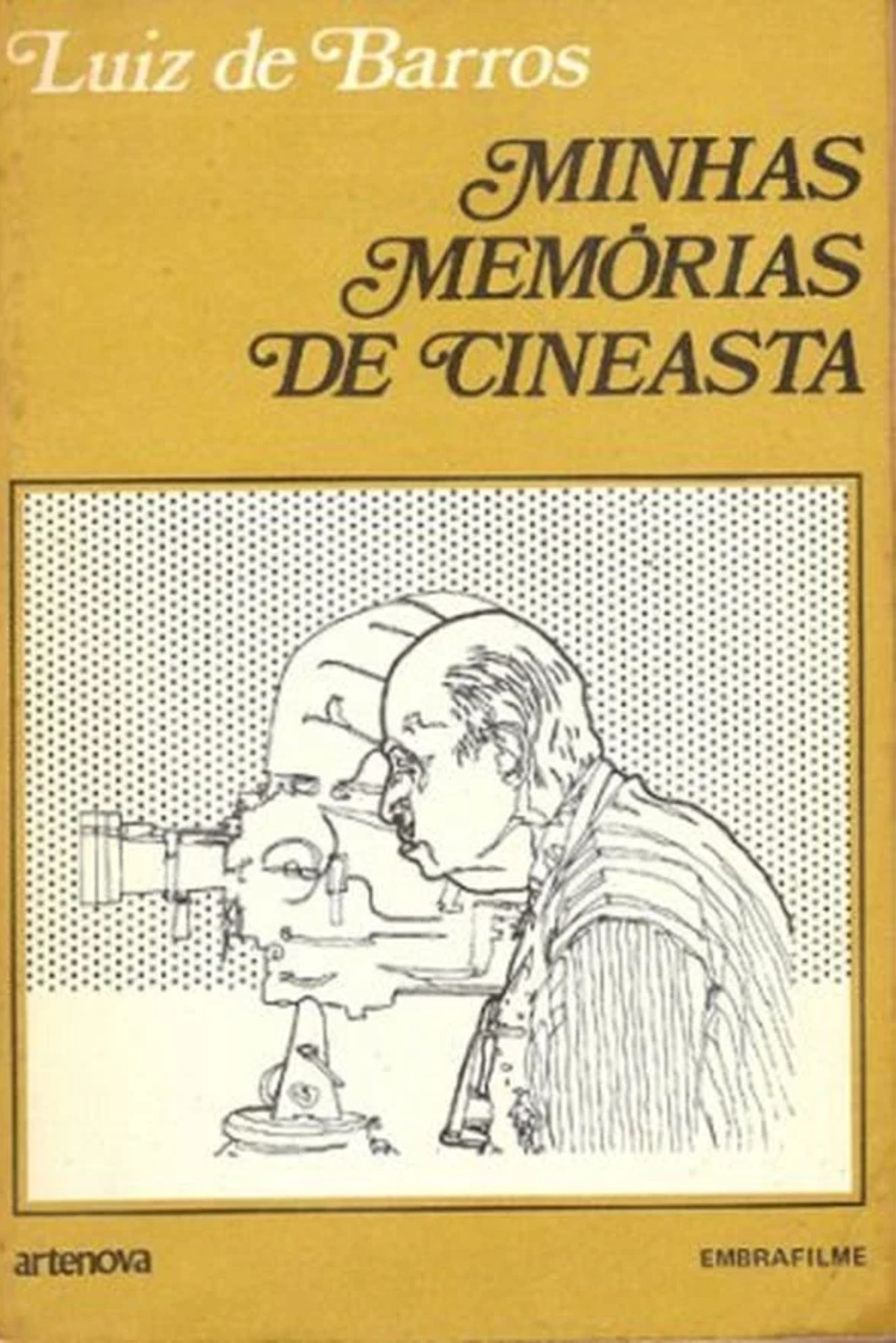
The projector clatters like a cicada trapped in a tin can, and suddenly the twentieth century births itself in the hothouse of Fortaleza’s Cine Olímpia: A Viuvinha—a title that belies its volcanic subtext—materializes in silver nitrate shards, each frame hissing with the humidity of unacknowledged female rage.
Gita de Barros, credited only by her aristocratic surname in publicity sheets, embodies the eponymous widow with a paradoxical frailty that feels carved from basalt. Notice how Luiz de Barros—actor, adapter, and impresario—positions her against doorframes so that the mahogany swallows her outline, turning her into a movable absence. The camera, still shackled to static tableaux, nevertheless trembles whenever she lifts her veil: a micro-shiver that suggests the tripod itself is aroused. This is 1914, mind you; Griffith is still finessing cross-cutting, yet here is a Brazilian production already flirting with the eroticization of negative space.
Barros and co-writer José de Alencar hack away at the novelist’s sentimental moss to expose the raw geopolitical marrow: the widow’s body as contested deed, the plantation house as both harem and courthouse.
Inside the sala, every candelabrum drips tallow like slow confession; outside, the moon is a monocle pressed to the sky by a bored Portuguese monarch. The resulting chiaroscuro would make The Stranglers of Paris look anaemic. Shadows are not mere absence but property lines: when the uncle’s hand slides across the table to grasp hers, the shadow of his arm bisects the lace cloth, claiming acreage. She responds by tilting her own shadow until it overlaps his, a silent deed of repossession.
Intertitles arrive sparingly, lettered in a font that mimics the copperplate of land grants. Yet the true language is olfactory: you can almost whiff the fermenting cane, the beeswax, the indigo vats where slave-scrubbed sheets turn cerulean. Compare this sensorial assault to the antiseptic piety of Paradise Lost; here, redemption stinks of molasses and armpits.
Halfway through, the film’s single iris-in—an elliptical vignette that tunnels onto the widow’s ankle—feels like a peephole drilled by the audience’s collective id. The ankle is adorned not with the expected black stocking but with a circlet of seed pearls, a nuptial residue. Barros holds the shot until the pearls seem to levitate, becoming a microscopic constellation against her ochre skin. In that instant, the widow’s body is both map and territory, a cartography of every transaction that colonial marriage ever was.
Enter Fausto Muniz’s vaquero: barefoot, hatless, his ribs a xylophone played by famine. Unlike the hyper-stylized machismo of John Vane, this cowboy is erotic precisely because he owns nothing, not even the dust he coughs up. Their courtship transpires in stolen negative space: behind the sugar mill’s grinding stones, inside the confession booth abandoned by a priest off to billet a nephew. When they finally kiss, the camera retreats to the rafters, as if modesty itself were a colonial implant that must be spat out like sugarcane fiber.
Note the costuming transmutation: she unpicks the widow’s collar, re-stitches it into his shirt cuff. A sartorial graft that whispers, my mourning is now your armor. Such understated radicalism makes Du Barry’s diamond stomp look like Marie-Antoinette cosplay.
The third act detonates into a nocturnal bacchanal: goats wearing rosaries, lanterns stuffed with fireflies, a blind accordionist playing a polka that predates the very concept of syncopation. Barros overlays multiple exposures so that the widow dances simultaneously inside and outside her own body, a proto-feminist double exposure. Linda Bianchi’s cameo as the Italian painter—palette knife slashing canvases the color of menstrual rust—provides the metatextual wink: art itself is the only legitimate husband left.
Compare this melee to the staid masquerade of The Midnight Wedding; here, masks are ripped off, revealing not faces but raw appetites. The plantation’s ledger books burn, their ash settling on the revelers like black snow, each flake a canceled debt.
At dawn, she exits barefoot, cowbell clanging where her wedding ring once suffocated. The camera tracks her until she becomes a dot swallowed by caatinga thorns. No swelling orchestra, no intertitle preaching emancipation—just the metallic heartbeat of the bell fading into the ambient growl of the sertão. The screen fades to white, not black: an overexposure that blinds the viewer into complicity.
Viewing this on 35mm at the Cinemateca Brasileira, I felt the splice marks like hiccups of history—each physical scar on the celluloid echoing the whip scars on the vaquero’s back. The archivists have tinted night scenes in aquamarine, day scenes in sepia, creating a temporal vertigo where grief always feels underwater and desire forever sun-bleached.
Histories of Brazilian cinema prefer to start with Humberto Mauro or Cinema Novo, yet A Viuvinha is the missing link between En hjemløs Fugl’s Nordic melancholy and Call of the Bush’s colonial swagger. It anticipates Glauber Rocha’s ”aesthetic of hunger” by half a century, only here hunger is not metaphor but waistline: you count every rib on Muniz like tree rings of famine.
Meanwhile, Hollywood was busy inventing the damsel tied to train tracks; Barros gives us a damsel who unties herself, then repurposes the rope as a lasso for patriarchal throats. The film’s refusal to punish her transgression—no cliff, no convent, no suicide—renders it more subversive than Was She Justified? or even The Other’s Sins.
As of 2024, the only extant print resides in a climate-controlled vault in São Paulo, scanned at 4K but stubbornly untranslated. The intertitles are in archaic Portuguese, yet the visuals speak a pre-Babel tongue. If you snag a screening, bring a hand fan—not for heat but to flutter away the ghosts of every colonial transaction still unpaid.
And when the final bell fades, resist the urge to applaud. Silence is the only worthy encore; let the cowbell echo in your skull until you exit the theater and confront the modern world’s less visible but equally voracious inheritances.
For further contraband, smuggle yourself into Forgiven; or, the Jack of Diamonds or the glacial penance of Nankyoku tanken katsudô shashin. Each offers a different flavor of absolution—none as pungent as the widow’s.
IMDb 6.8
1929
Community
Log in to comment.