DbcultAccessing Vault...
Cult Review
Senior Film Conservator
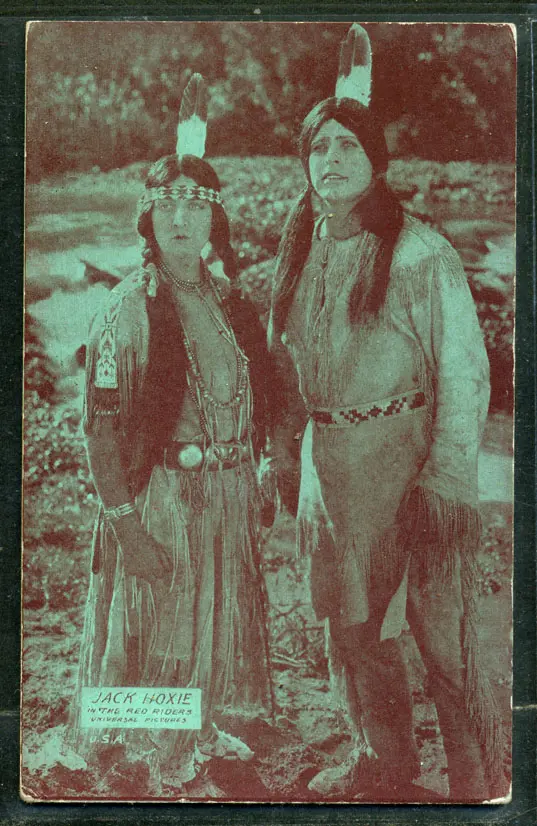
The Red Rider, a film rich in narrative depth and visual storytelling, takes viewers on a journey that melds elements of Western, romance, and historical drama. At the heart of this tale lies White Elk, a light-skinned Indian chief whose life is a mosaic of deception and revelation. His story begins with a confrontation that sets the stage for a web of intersecting fates and destinies.
White Elk, a man of honor and leadership, finds himself at the center of a conflict between Chief Black Panther and a westbound wagon train. When he intervenes to prevent Black Panther from looting the wagon train, he earns the enmity of the powerful chief. This act of defiance is only the beginning of a series of trials that White Elk must face.
Complicating White Elk's life further is his love for Lucille Cavanagh, a white woman from the East. Their romance is marked by a series of misunderstandings and betrayals. Lucille's father, John Cavanagh, a schemer and opportunist, manipulates events to his advantage, leading to a tragic confrontation that threatens to tear White Elk from his tribe and his identity.
The film's plot takes a dramatic turn when White Elk is condemned to be burned alive by Black Panther. A sudden rainstorm, a plot device that hints at divine intervention or fate, allows him to escape. This escape not only saves White Elk's life but also marks a pivotal moment in his journey of self-discovery. He soon learns a shocking truth: he is, in fact, a white man who was adopted by the tribe as an infant, following the disappearance of his parents. This revelation complicates his relationship with his tribe and his own sense of identity.
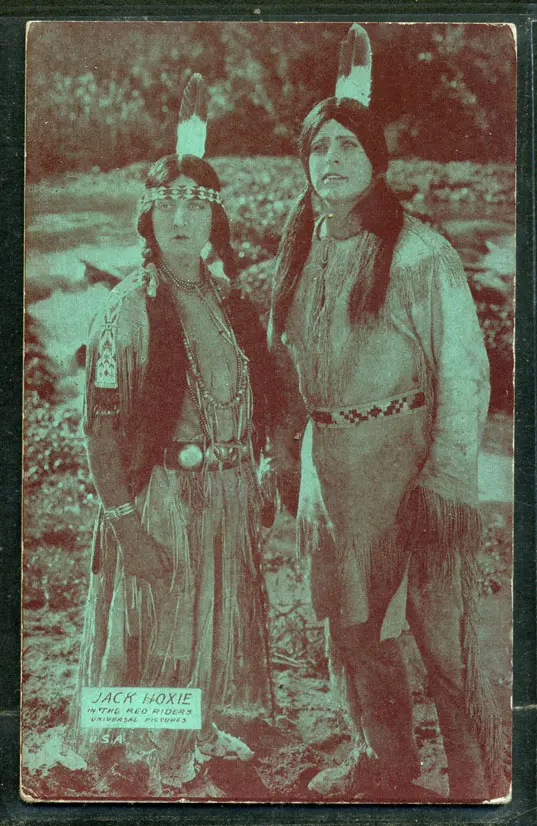
Parallel to White Elk's story, Lucille's journey is equally compelling. She is abducted by Black Panther, strapped into a canoe, and set adrift above a waterfall. The scene is a combination of dramatic action and emotional turmoil, setting the stage for a tense and suspenseful climax. When White Elk rescues Lucille, the princess takes her place, offering herself as a sacrifice. This act of self-sacrifice, while noble, further complicates the narrative and raises questions about the characters' motivations and the moral landscape of the film.
The film's exploration of identity is further nuanced by the introduction of the old scout, who leads the wagon train. It is revealed that this scout is White Elk's birth father, adding another layer of complexity to the narrative. This revelation not only clarifies White Elk's true heritage but also provides a sense of closure and understanding that enriches the story.
The cast, including Clark Comstock, Duke R. Lee, and Virginia True Boardman, brings depth and authenticity to their roles. Their performances are nuanced and emotional, effectively conveying the characters' inner struggles and external conflicts. The supporting cast, including Natalie Warfield, William McCall, and Mary McAllister, also contribute significantly to the film's success, providing a rich tapestry of supporting characters that enhance the overall narrative.
The cinematography of 'The Red Rider' is a standout feature, capturing the stark beauty of the landscapes and the dramatic tension of the scenes. The use of natural light and shadow creates a sense of foreboding and tension, perfectly complementing the film's narrative. The visual storytelling is particularly effective in scenes that depict the conflict between the characters and the natural world, adding a layer of emotional depth to the story.
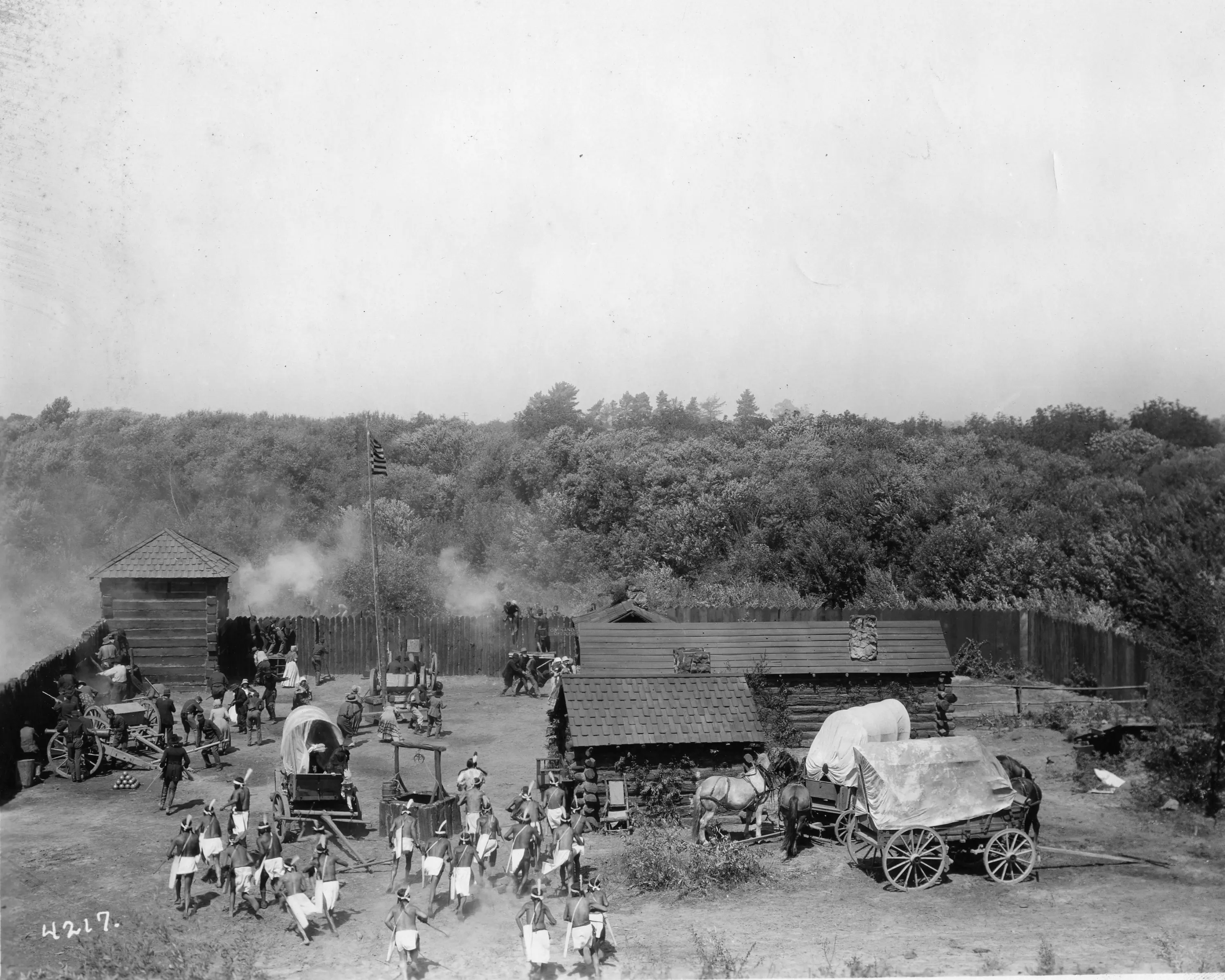
The editing of 'The Red Rider' is another strong point. The film uses a blend of rapid cuts and longer, more contemplative scenes to create a dynamic rhythm that keeps the audience engaged. The pacing is well-balanced, allowing for moments of reflection and action to coexist seamlessly. The editing also effectively uses flashbacks and dream sequences to provide context and deepen the characters' backstories, enhancing the overall narrative.
The score, composed by an unnamed musician, adds another layer of emotional resonance to the film. The music is a blend of traditional Western motifs and more modern, orchestral elements, creating a unique soundscape that perfectly complements the film's themes and emotional tone. The score effectively builds tension during action sequences and provides a sense of melancholy and reflection during quieter moments.
While 'The Red Rider' is a film that requires a certain level of engagement from its audience, it offers a rich and rewarding viewing experience. The narrative is complex and multi-layered, but the film's pacing and editing ensure that it remains accessible and engaging. The performances, particularly those of Clark Comstock and Virginia True Boardman, are standout features, bringing depth and authenticity to their roles.
Overall, 'The Red Rider' is a film that successfully blends elements of Western, romance, and historical drama. It offers a rich and nuanced exploration of identity, love, and conflict, making it a compelling watch for those who appreciate films that challenge and engage the audience. While it may not be for everyone, it is a film that rewards those willing to engage with its complex narrative and richly drawn characters.
Comparatively, 'The Red Rider' stands out among films like 'No Parking', 'Lady Godiva', and 'The Boer War', each of which offers a unique take on historical and dramatic narratives. However, 'The Red Rider' excels in its blend of genres and its exploration of complex themes, making it a standout in its category.
IMDb 5.2
1920
Community
Log in to comment.