DbcultAccessing Vault...
Cult Review
Senior Film Conservator
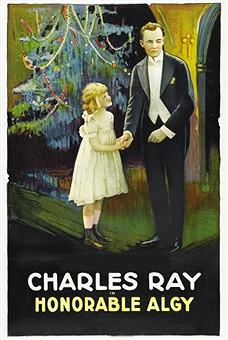
Ah, the silent film era! A period often romanticized, yet frequently misunderstood. It's a time when storytelling relied on the sheer power of visual narrative, the nuanced expressions of its performers, and the evocative artistry of its intertitles. Among the myriad of cinematic offerings from this fascinating epoch, J.G. Hawks' "The Honorable Algy" emerges as a compelling example of how timeless themes of love, duty, and societal expectation were explored with a surprising depth and wit. This isn't just a historical curiosity; it's a vibrant tapestry woven with human desires and dilemmas that resonate even today.
At the core of "The Honorable Algy" lies a dilemma as old as civilization itself: the tension between personal desire and familial obligation. Our titular protagonist, Algy, a young British man imbued with an admirable idealism, finds himself at a pivotal crossroads. His family, presumably driven by the pragmatic concerns of lineage and legacy, has orchestrated an arranged marriage for him across the vast expanse of the Atlantic. The intended bride? A wealthy American heiress, a woman whose fortune promises to bolster Algy's aristocratic standing, or perhaps, rescue a dwindling family estate. This scenario, a common trope in early 20th-century narratives, immediately sets the stage for a dramatic exploration of class, culture, and the very definition of happiness.
Algy's journey to America is not one of eager anticipation. Far from it. His heart, we discover, is already irrevocably pledged to another: the humble, yet undoubtedly charming, daughter of his local vicar. This secret affection casts a long shadow over his forced transatlantic voyage, imbuing every frame with a sense of melancholic resignation. The visual contrast between the stately, perhaps austere, British setting and the vibrant, burgeoning American landscape would have been a powerful symbolic element for contemporary audiences, highlighting Algy's internal conflict – torn between the weight of tradition and the burgeoning call of personal liberty. One cannot help but draw parallels to other films of the era that explored similar themes of societal pressure versus individual will, such as The Dollar and the Law or even the more dramatic The Scarlet Sin, though the latter delves into far darker moral territory.
Just when the narrative seems poised to descend into a predictable melodrama of unrequited love and forced matrimony, J.G. Hawks, with a deft touch, introduces a delicious complication. The wealthy heiress, the seemingly passive recipient of this arranged union, is not merely a pawn in this grand societal game. She possesses a surprise, an unexpected agenda that promises to unravel the carefully laid plans and inject a much-needed jolt of unpredictability into Algy's predetermined fate. This narrative device is a testament to Hawks' understanding of audience engagement, ensuring that the story transcends a simple romantic tragedy to become something far more intriguing.
This 'surprise' could manifest in myriad ways: perhaps the heiress herself is in love with another, secretly plotting her own escape from the gilded cage of expectation. Or perhaps, she is a woman of formidable independence, unwilling to be merely a vessel for family ambition. The ambiguity inherent in this plot point allows for a rich interpretation of her character, transforming her from a mere plot device into an active agent of change. Such clever subversions of expectation were not uncommon in the more sophisticated narratives of the silent era, often echoing the complexities seen in films like A Woman's Honor or even the more lighthearted Házasodik az uram, which also toyed with matrimonial misunderstandings.
The success of any silent film hinges critically on the emotive capabilities of its cast, and "The Honorable Algy" seems to have been blessed with a talented ensemble. Margery Wilson, a prominent figure of the era, likely brought her characteristic grace and expressive power to a key role. Whether she embodied the conflicted vicar's daughter or the enigmatic heiress, her performances were often lauded for their naturalism and emotional depth. Albert R. Cody and Margaret Thompson, alongside Katherine Kirkwood and Jerome Storm, would have contributed to the film's dramatic texture, each actor tasked with conveying complex internal states through gesture, facial expression, and body language. The silent screen demanded a particular kind of performance, one where subtlety could speak volumes, and grand gestures avoided overt theatricality.
The presence of seasoned performers like Walt Whitman, Howard Hickman, and Tom Guise further solidifies the film's acting pedigree. Whitman, in particular, often brought a gravitas to his roles, while Hickman was known for his versatility. And then there's Charles Ray, an actor often associated with wholesome, rural American characters, whose presence here could suggest a nuanced portrayal of Algy, perhaps emphasizing his idealism or even his naivety. His ability to convey sincerity would have been invaluable. Thelma Salter, Louise Brownell, and Charles K. French round out a cast that collectively worked to breathe life into J.G. Hawks' intricate narrative. Their collective efforts ensured that the emotional currents of the story, from Algy's quiet despair to the heiress's cunning resolve, were palpable to the audience, transcending the absence of dialogue.
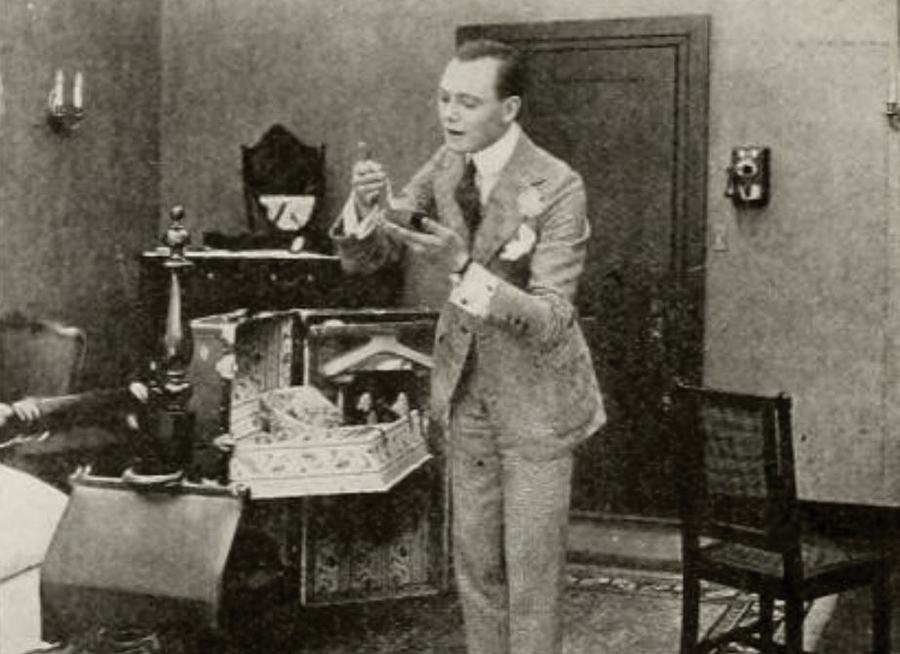
The narrative ingenuity of "The Honorable Algy" is undeniably rooted in the writing of J.G. Hawks. Known for his contributions to numerous films of the period, Hawks possessed a keen understanding of character development and plot construction that allowed him to craft stories that were both engaging and thought-provoking. In an era where many films relied on broad strokes and overt moralizing, Hawks often injected a refreshing layer of complexity. His decision to introduce an active, surprising element from the heiress's side elevates the plot beyond a simple 'boy meets girl, boy loses girl' scenario. It transforms the narrative into a more sophisticated exploration of agency, challenging the passive roles often assigned to women in such arrangements. This kind of writing, which respects the intelligence of its audience, is what separates a memorable film from a forgettable one.
Hawks' storytelling here reflects a broader trend in early cinema towards more intricate plots, moving away from purely spectacle-driven narratives. His ability to weave together themes of class distinction, cultural clash, and personal integrity within a romantic framework showcases a skilled hand. One might even compare his narrative craft to the subtle complexities found in films like Vanity, which also delved into the moral and social dilemmas of its time, or the more direct examination of relationships in Husband and Wife. "The Honorable Algy" stands as a testament to Hawks' capacity to transcend simple formulas, offering audiences a story rich in character and unexpected turns.
Beyond the immediate plot, "The Honorable Algy" delves into universal themes that continue to captivate audiences. The central conflict between duty and desire is a timeless one, forcing characters and viewers alike to ponder the true cost of societal expectations. Algy's idealism, juxtaposed with the transactional nature of his arranged marriage, highlights the inherent tension between romantic love and pragmatic unions. This film, like many of its contemporaries such as Rosemary, serves as a cultural artifact, offering a window into the prevailing social mores of its period while simultaneously exploring emotions that transcend any specific historical context.
The transatlantic setting itself is a potent thematic element. The journey from Britain to America symbolizes more than just a geographical shift; it represents a passage from an old world of rigid class structures and inherited obligations to a new world of perceived opportunity and self-determination. The American heiress's 'surprise' further complicates this dynamic, suggesting that even in the land of the free, personal agency can be expressed in unexpected, perhaps even rebellious, ways. This interplay between Old World tradition and New World dynamism adds a compelling layer to the narrative, making it more than just a simple love story. It becomes a commentary on evolving societal values, a topic explored in varying degrees in other contemporary works like York State Folks, which often contrasted urban and rural American values.
For modern viewers, approaching a silent film like "The Honorable Algy" requires a shift in perspective. It's an invitation to engage with storytelling in its purest visual form, to appreciate the artistry of the actors' expressions, the evocative power of the cinematography, and the narrative economy of the intertitles. These films, far from being primitive, often demonstrate a sophisticated understanding of visual grammar and emotional resonance. The absence of spoken dialogue forces a heightened awareness of non-verbal communication, making the experience intensely immersive in its own unique way. It’s a stark contrast to the bombastic spectacles like Das Phantom der Oper, which relied on grand sets and dramatic tension, or the emotionally searing drama of La dame aux camélias, yet equally powerful in its own right.
The restoration and preservation of such films are crucial, allowing contemporary audiences to connect with the roots of cinematic art. Each rediscovered frame offers insights into the cultural fabric of a bygone era, revealing how universal human experiences were interpreted and presented through the nascent medium of film. "The Honorable Algy," with its engaging plot and compelling characters, serves as an excellent entry point for those curious about the richness and diversity of silent cinema, proving that a story well-told, regardless of its technological constraints, can transcend the boundaries of time.
In conclusion, "The Honorable Algy" is more than just a historical artifact; it is a vibrant piece of cinematic art that continues to speak volumes about the complexities of human relationships and societal pressures. J.G. Hawks' skillful writing, brought to life by a talented cast including Margery Wilson, Albert R. Cody, and Charles Ray, ensures that the film's central dilemma – Algy's heart-wrenching choice between love and duty – remains compelling. The unexpected twist introduced by the heiress adds a layer of intrigue that keeps the audience engaged, transforming a potentially straightforward romance into a nuanced exploration of autonomy and destiny.
For those with an appreciation for classic cinema, and particularly for the unique storytelling prowess of the silent era, "The Honorable Algy" offers a rewarding experience. It serves as a poignant reminder that while the world may change, the fundamental human quest for love, happiness, and self-determination remains a timeless narrative thread, beautifully captured even without a single spoken word. It’s a film that quietly asserts its place among the more thoughtful productions of its time, inviting us to reflect on the choices we make and the unexpected paths they often lead us down. Much like the intricate mysteries in The Mystery of the Poison Pool or the journey of self-discovery in The Unbroken Road, "The Honorable Algy" takes its audience on a compelling, if silent, adventure of the heart.
IMDb 5.6
1932
Community
Log in to comment.