DbcultAccessing Vault...
4.9/10
Senior Film Conservator
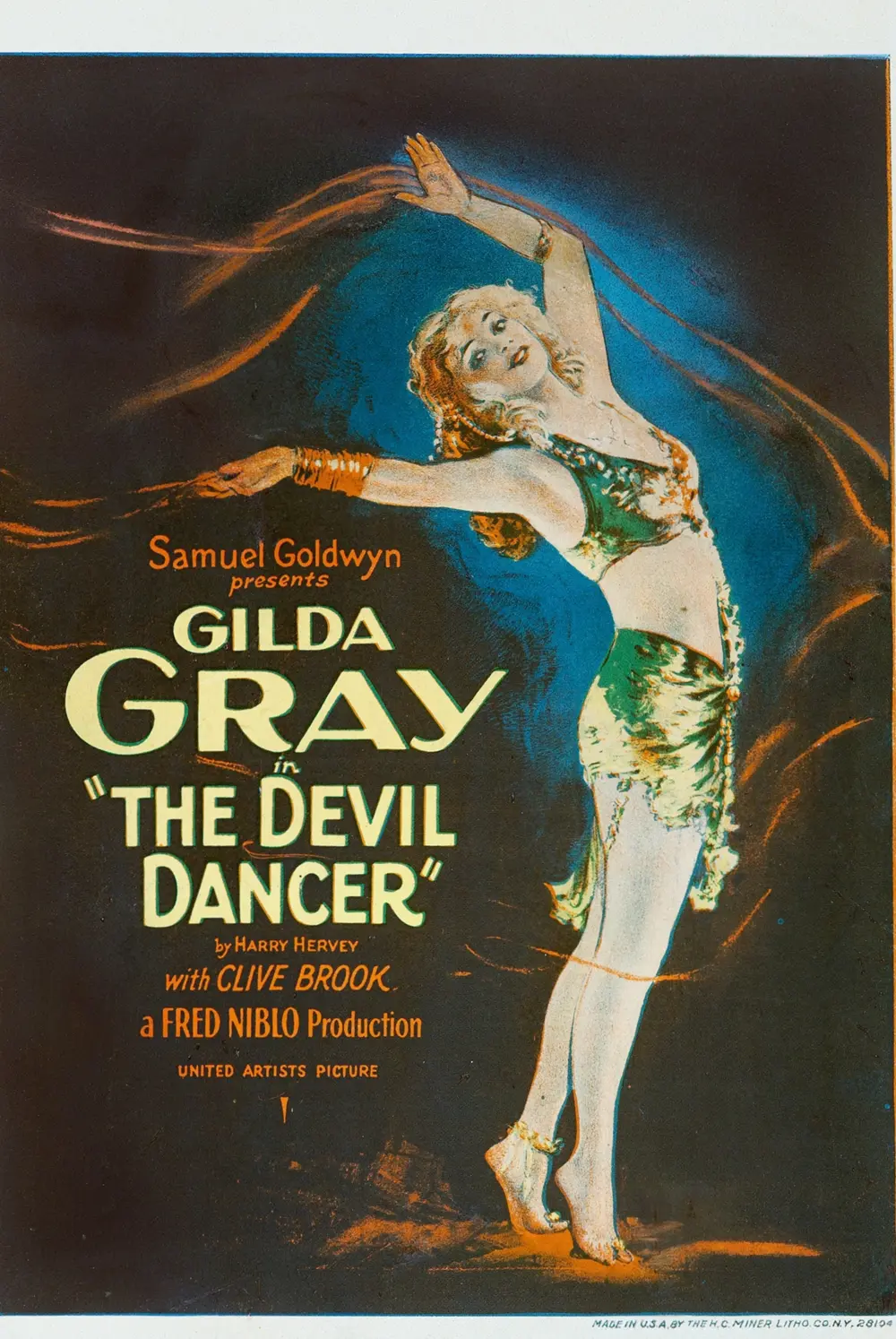
A definitive 4.9/10 rating for a film that redefined the boundaries of cult cinema. The Devil Dancer remains a cornerstone of transgressive art.
Is The Devil Dancer worth your time in the modern age? Short answer: Yes, but only if you are a dedicated archeologist of silent cinema or a fan of Gilda Gray’s magnetic screen presence. This is a film for those who appreciate the technical artistry of the 1920s and can view it through a critical, historical lens; it is definitely not for anyone seeking an authentic or sensitive portrayal of Tibetan culture.
The film stands as a fascinating, if problematic, monument to Hollywood’s obsession with the 'exotic' East. It is a piece of entertainment that works in spite of its colonial baggage, primarily because of the sheer charisma of its lead and the high-production values that Samuel Goldwyn poured into it. It is gaudy, it is over-the-top, and it is quintessential 1920s spectacle.
1) This film works because Gilda Gray brings a visceral, physical energy to the title role that transcends the stilted dialogue cards of the era.
2) This film fails because its 'Orientalist' perspective treats sacred traditions as mere stage dressing for a white savior narrative.
3) You should watch it if you want to see the pinnacle of 1920s set design and the legendary 'Shimmy' queen at her peak.
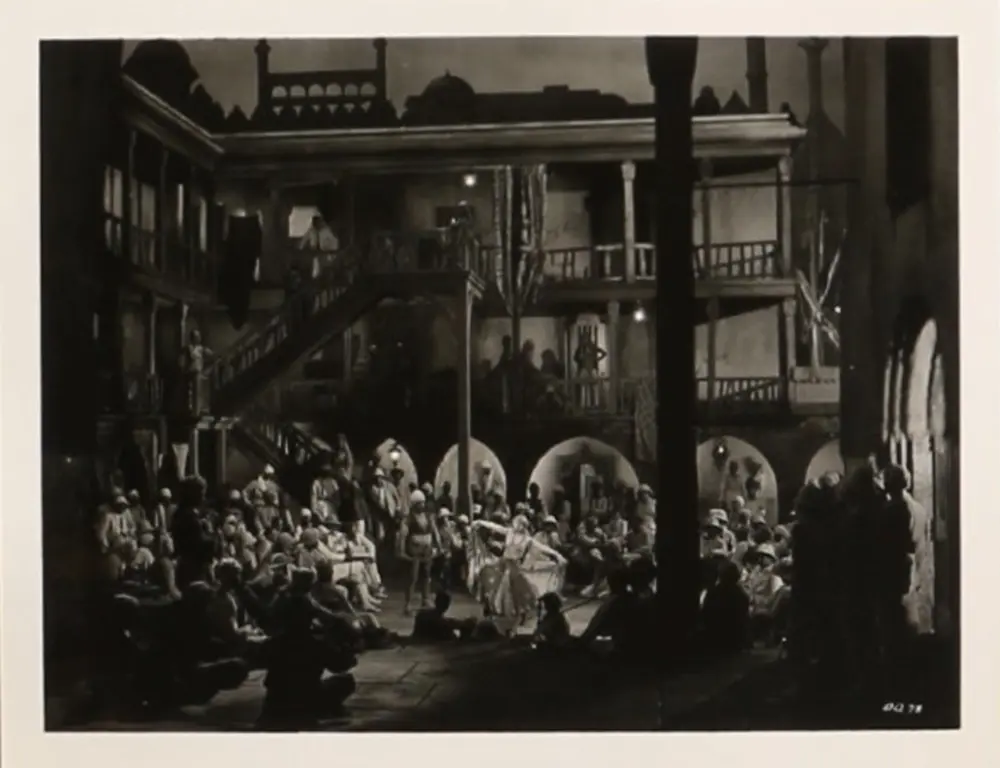
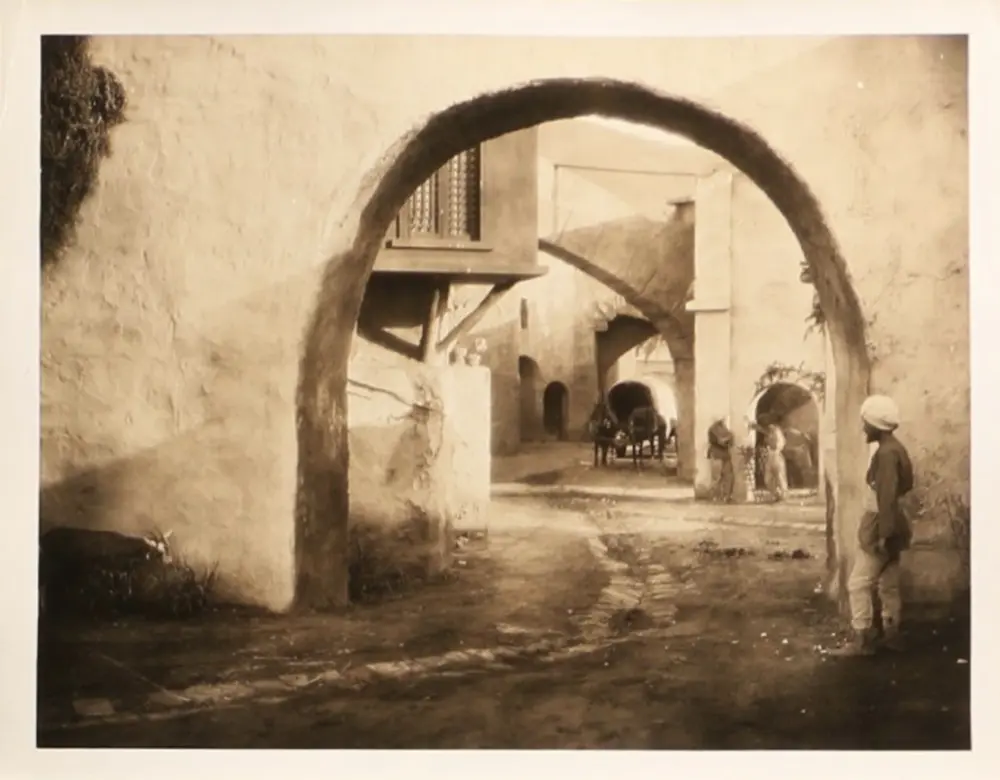
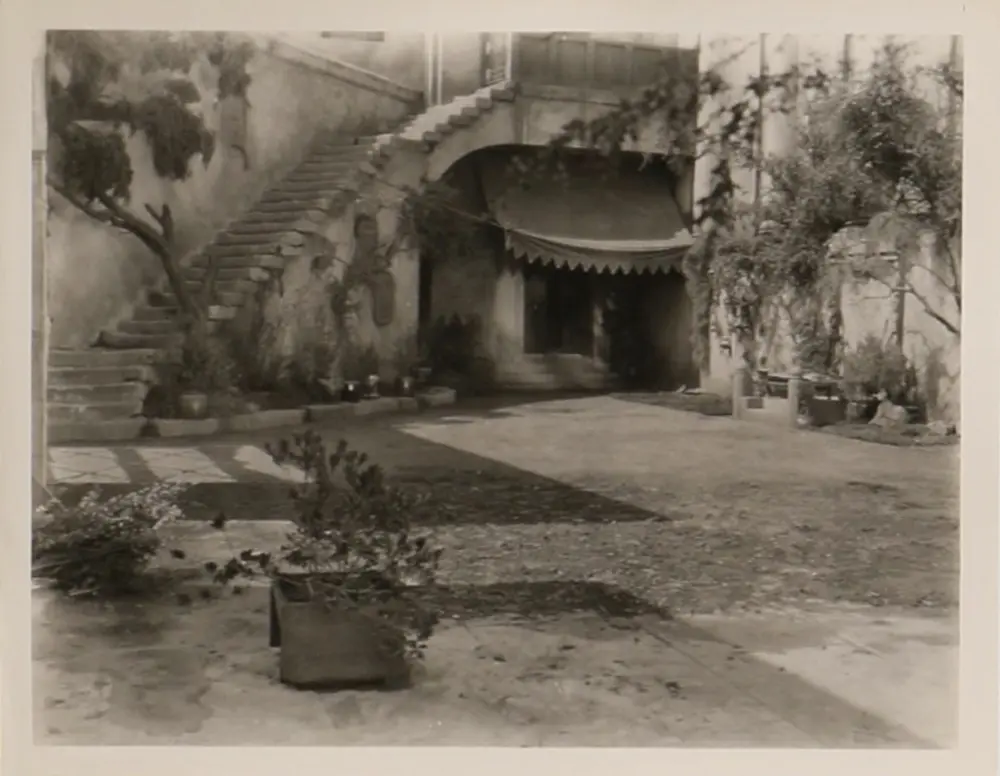
The Devil Dancer is a product of its time, and that time was obsessed with the 'Mystic East.' Unlike the grounded domesticity found in The Narrow Street, this film aims for the heavens and the hells of a fictionalized Tibet. The sets are massive, the costumes are intricate, and the lighting—handled by the legendary George Barnes—creates a chiaroscuro effect that makes the lamasery feel like a gothic cathedral.
The plot, penned by a trio of writers including Edwin Justus Mayer, is a standard rescue mission wrapped in the trappings of 'forbidden' rituals. Stephen, played with a stiff-upper-lip resolve by Clive Brook, is our window into this world. He is the classic English explorer: noble, brave, and utterly convinced that his way of life is the only one worth living. When he sees Takla (Gilda Gray), he doesn't see a woman with a complex spiritual background; he sees a damsel in distress who needs to be 'civilized.'
This dynamic is where the film feels most dated. The rescue isn't just an escape from a physical location; it’s an extraction from a culture that the film views as inherently sinister. However, the sheer visual power of the dance sequences provides a counter-narrative. When Gray performs, she isn't a passive victim. She is a force of nature. Her movements are sharp, rhythmic, and undeniably modern, which creates a strange, compelling friction with the ancient-looking sets.
Gilda Gray was the 'Shimmy Queen' of the Ziegfeld Follies, and The Devil Dancer was designed to translate that stage fame into cinematic gold. It works. Gray’s performance is remarkably physical. In the sequence where she first performs the 'Devil Dance' for the lamas, the camera lingers on her with an intensity that feels almost voyeuristic. But Gray holds that gaze. She uses her eyes—heavy with dark liner—to convey a sense of wildness that isn't just 'acting.' It feels like she’s trying to dance her way out of the screen.
Contrast this with her performance in other contemporary works like The Old Nest, and you see a performer who was capable of much more than just a dance routine. She brings a vulnerability to Takla in the quiet moments, particularly when she is interacting with Josephine the Monkey. Yes, there is a monkey in this film, and yes, it provides some of the most genuinely human moments in an otherwise heightened melodrama. The relationship between the girl and the animal serves as a reminder of her isolation and her need for connection, making the 'rescue' feel slightly more earned.
Clive Brook, as Stephen, is less interesting. He’s a fine actor, but the role requires him to be a cardboard cutout of British heroism. He lacks the internal conflict that would have made the character truly resonate. In many ways, he is simply the vessel that carries us from one set-piece to the next. The real supporting strength comes from Sôjin Kamiyama as the Sadhu. Sôjin, a Japanese actor who often played 'mysterious' Asian roles in Hollywood, brings a quiet, menacing dignity to the villainy that elevates it above a mere caricature.
One cannot discuss The Devil Dancer without mentioning the cinematography. George Barnes was one of the first truly great cinematographers, and his work here is breathtaking. He uses deep shadows and soft-focus close-ups to create an atmosphere of dread and wonder. The scenes in the Himalayan passes, while likely filmed on a backlot, have a scale and texture that feel authentic to the silent era’s grandiose ambitions.
The pacing of the film is surprisingly modern. Unlike the languid, theatrical pace of The Enchanted City, The Devil Dancer moves with a sense of urgency. The escape from the lamasery is edited with a rhythmic precision that mirrors the dance itself. There is a sequence involving a chase through narrow corridors that feels genuinely tense, even nearly a century later. The use of tinting—blue for the cold mountain nights and amber for the torch-lit interiors—adds a layer of emotional depth that black and white alone couldn't achieve.
It is impossible to watch this film today without looking for Anna May Wong. While she is not the lead, her presence is a reminder of the immense talent that was often sidelined by the racial politics of 1920s Hollywood. Wong, as Sada, brings a grace and a gravitas that often outshines Gilda Gray. Every time Wong is on screen, the film feels more grounded and real. Her performance is a masterclass in silent acting—using subtle shifts in posture and expression to tell a story that the script largely ignores.
It is a tragedy of film history that Wong was never given the lead role in a film of this scale. Watching her play second fiddle to Gray is a frustrating experience, but it also highlights the film's central flaw: its refusal to engage with its setting on anything other than a surface level. The film is more interested in the *idea* of Tibet than the *reality* of it, and Wong is the only one who seems to be trying to bring a shred of authenticity to the proceedings.
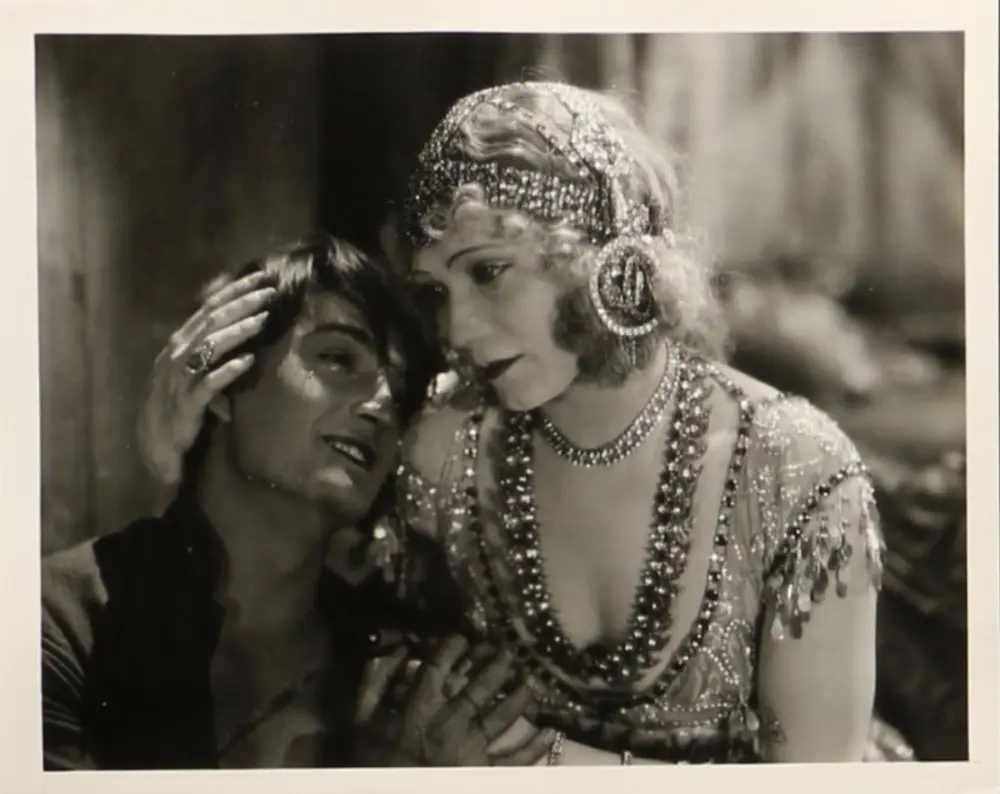
Is The Devil Dancer a lost masterpiece? No. A masterpiece requires a level of cohesion and depth that this film lacks. However, it is a significant piece of cinema history. It represents the peak of the 'exotic' silent epic, a genre that would eventually give way to the more grounded (though no less problematic) adventure films of the 1930s like The Wolf Man.
You should watch it for the visuals. You should watch it for Gilda Gray. You should watch it to see how Hollywood once viewed the world. But you must watch it with your eyes open to its shortcomings. It is a beautiful, flawed, and deeply strange artifact.
Pros:
- Gilda Gray’s high-energy performance is a sight to behold.
- Lavish set design that defines the 'Goldwyn Touch.'
- A fast-paced plot that avoids the 'silent film drag.'
- Excellent use of lighting and shadows to create atmosphere.
Cons:
- Heavy-handed colonial themes that haven't aged well.
- Clive Brook’s character is remarkably dull.
- The film’s treatment of Tibetan culture is purely superficial.
- The 'lost film' status means existing prints are often of variable quality.
The Devil Dancer is a relic that pulses with an uncomfortable energy. It is a film that wants to be a grand romance but succeeds most as a showcase for its lead actress's physical prowess and its cinematographer's technical genius. It works. But it's flawed. It is a snapshot of a time when the world felt smaller and Hollywood felt like it had the right to own every corner of it. Watch it for the history, stay for the shimmy, but keep your critical guard up. It’s a 7/10 for historical importance, and a 5/10 for narrative substance. Ultimately, it’s a film that dances on the edge of greatness but is held back by the very culture it seeks to exploit.
IMDb —
1920
Community
Log in to comment.