DbcultAccessing Vault...
Cult Review
Senior Film Conservator
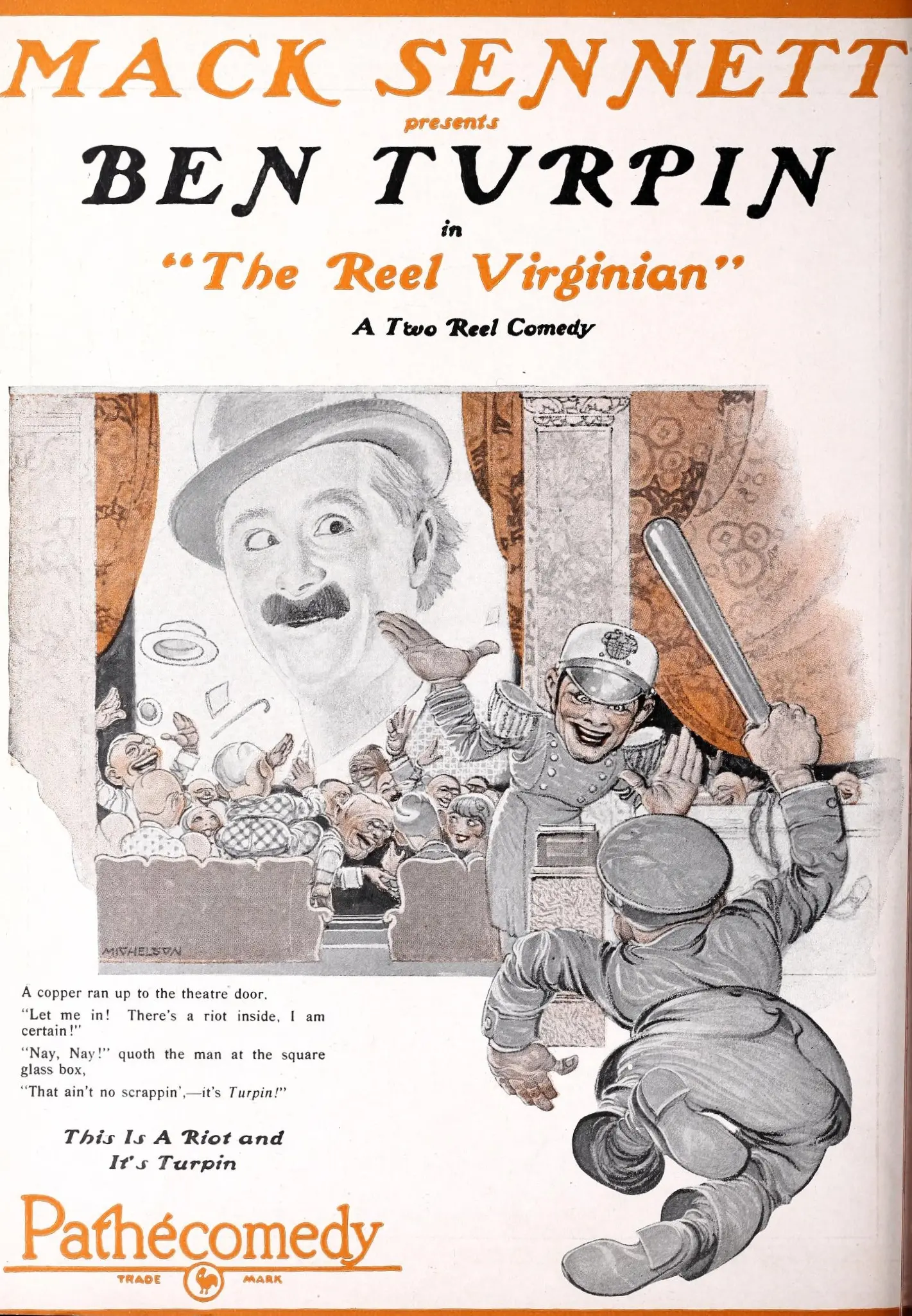
The Reel Virginian, a 1924 silent film, is an enigmatic entity that defies facile categorization. This cinematic curiosity, co-written by a veritable who's who of early Hollywood talent, including Frank Capra, navigates a complex interplay of tone and narrative thread.
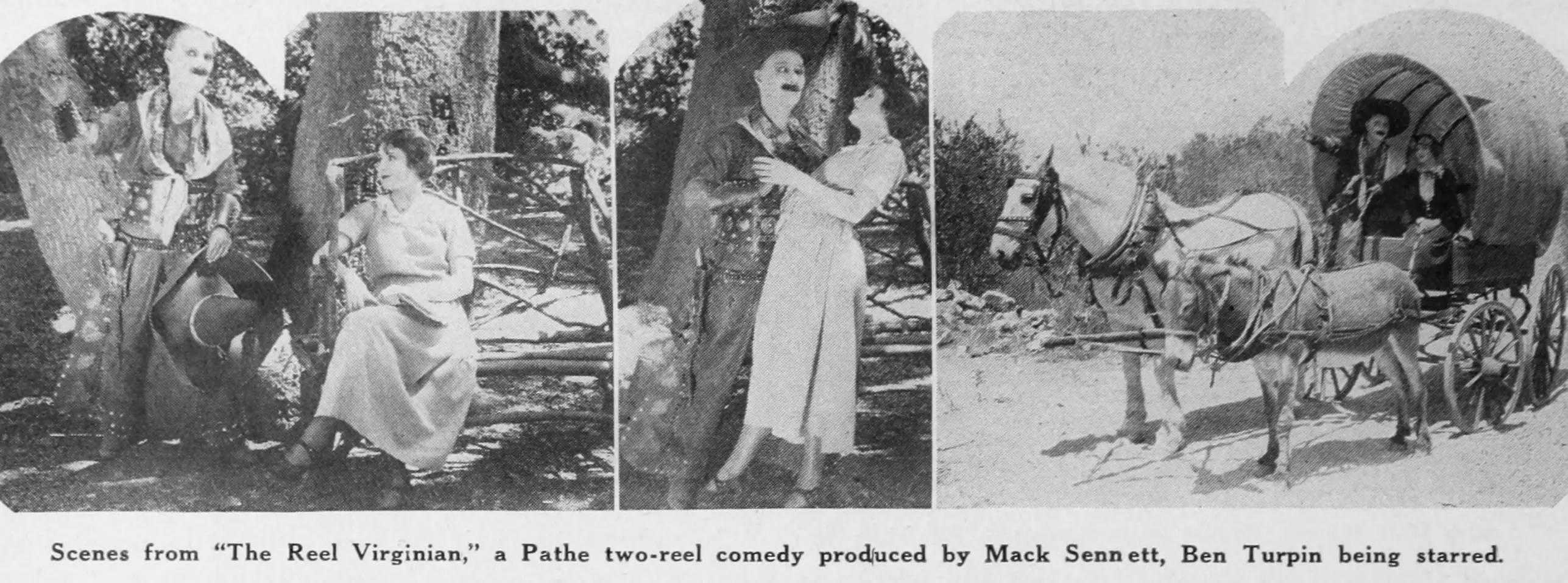
The eponymous Virginian, played by Christian J. Frank, is a study in contradictions - a rustic ingenue with an air of quiet confidence, yet simultaneously, a cunning strategist. This dichotomy serves as the narrative linchpin, propelling the film's series of misadventures and mistaken identities.
Coy Watson Sr.'s character, conversely, functions as a cynical counterpoint to Frank's Virginian. Their interactions are a highlight of the film, imbuing the narrative with a sense of kinetic energy and unpredictability.
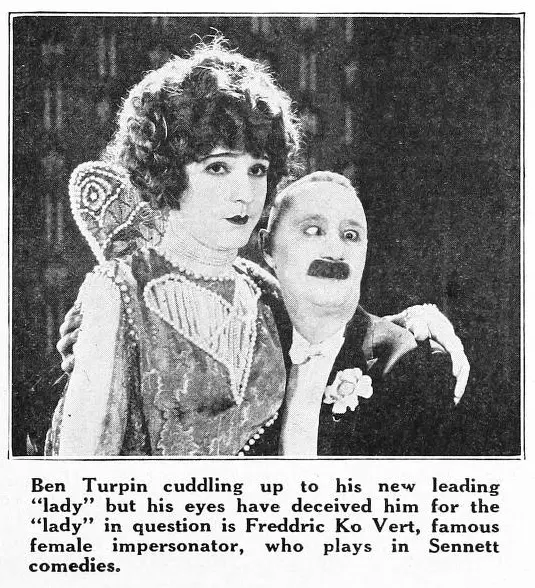
The supporting cast, including Alice Day, Ben Turpin, and Frederick Ko Vert, add depth and texture to the film's intricate web of relationships. Their performances are expertly calibrated, oscillating between slapstick humor and poignant drama.
A pertinent comparison can be drawn with the 1928 film Smile Please, which also explores themes of identity and deception. However, 'The Reel Virginian' distinguishes itself through its audacious narrative structure, which borrows elements from farce, romance, and social commentary.
The film's writers - John A. Waldron, Frank Capra, Blake Wagner, Arthur Ripley, and Jack Wagner - have crafted a script that is at once a scathing critique of societal mores and a paean to the human condition. This thematic resonance is reminiscent of Greater Than Fame (1924), which also probes the tensions between artistic expression and commercialism.
One of the most striking aspects of 'The Reel Virginian' is its use of visual storytelling. The film's cinematography is a masterclass in the use of mise-en-scène, composition, and lighting to convey narrative information. A notable example is the scene in which the Virginian and Watson's character engage in a heated debate, their faces bathed in a warm, golden light that underscores the emotional intensity of the moment.
In contrast to the more sensationalist fare of the era, such as Behind the Mask (1921), 'The Reel Virginian' presents a refreshingly nuanced portrayal of human relationships. The film's exploration of love, deception, and redemption is tempered by a deep empathy for its characters, rendering their struggles and triumphs both relatable and affecting.
The film's tone is characterized by a delicate balance of humor and pathos. The The Love Egg (1922) and Tarnish (1920) also experiment with tonal complexity, but 'The Reel Virginian' stands out for its consistency and narrative cohesion.
In conclusion, 'The Reel Virginian' is a landmark of silent cinema that warrants reevaluation. Its unique blend of farce, romance, and social commentary, coupled with outstanding performances and direction, render it an essential viewing experience for cinephiles and scholars alike.
Additional films that provide context for 'The Reel Virginian' include Der Weltspiegel (1925), Wolfe; or, the Conquest of Quebec (1896), and Ihr großes Geheimnis (1925). These films, while not directly comparable, share thematic and stylistic elements that enrich our understanding of 'The Reel Virginian'.
The film's legacy as a cinematic artifact is undeniable. As a window into the early days of Hollywood, 'The Reel Virginian' offers a fascinating glimpse into the artistic and commercial forces that shaped the industry.
Ultimately, 'The Reel Virginian' is a testament to the power of cinema to captivate, educate, and inspire. This obscure masterpiece, expertly crafted by its writers, directors, and performers, continues to enthrall audiences with its timeless themes and universal appeal.
IMDb 6.2
1934
Community
Log in to comment.