DbcultAccessing Vault...
5.8/10
Senior Film Conservator
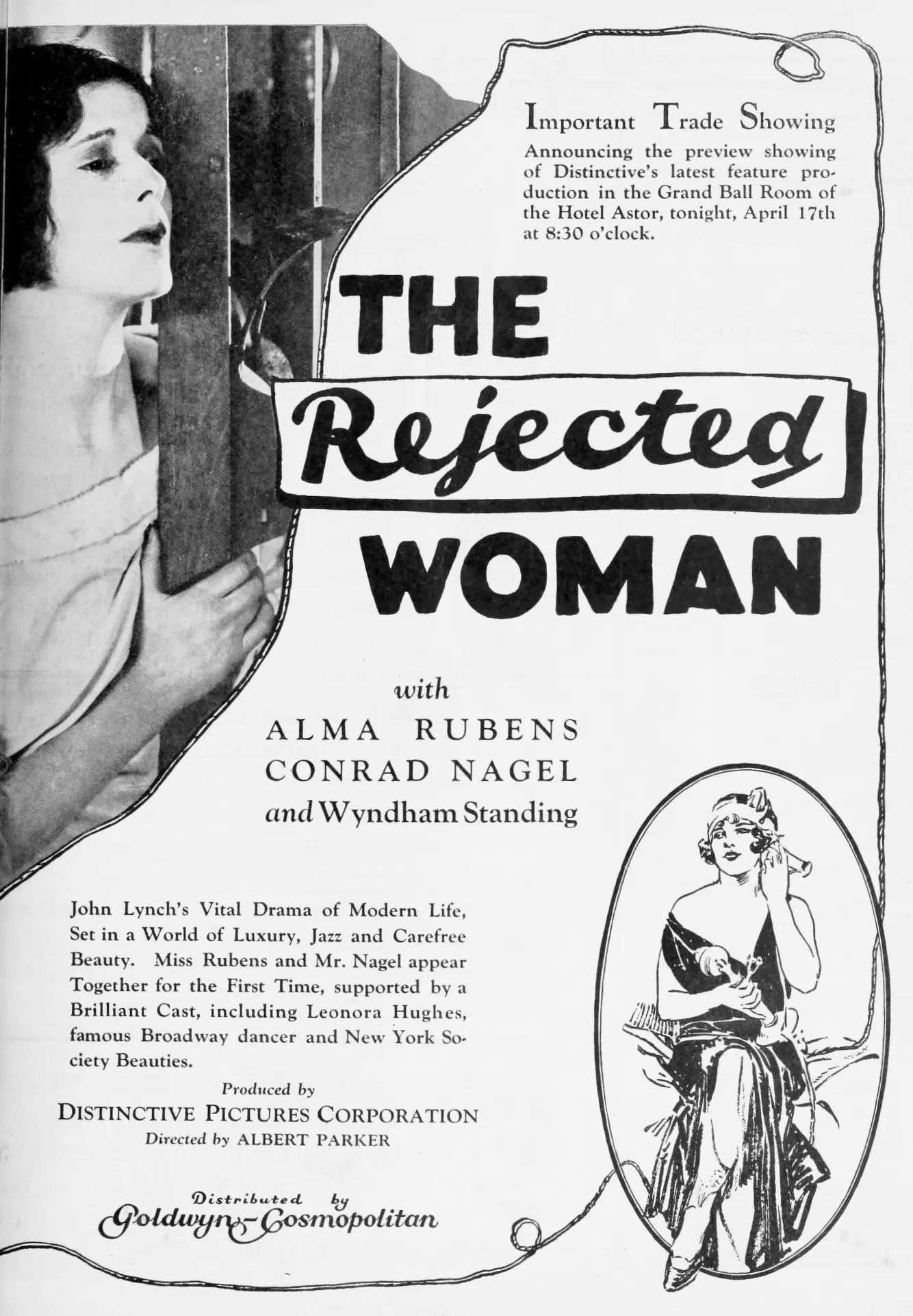
A definitive 5.8/10 rating for a film that redefined the boundaries of cult cinema. The Rejected Woman remains a cornerstone of transgressive art.
The year 1924 remains a fascinating threshold in the annals of silent cinema, a period where the medium was shedding its theatrical chrysalis to embrace a more nuanced, visual vocabulary. Standing at this crossroads is The Rejected Woman, a film that, while ostensibly a melodrama of the heart, functions as a profound exploration of spatial and social alienation. Directed with an eye for the atmospheric by Albert Parker, the film utilizes the stark, monochromatic contrasts of the Canadian North to mirror the internal desolation of its protagonist, Diane Du Prez. As we peel back the layers of this nearly century-old celluloid, we find a narrative that resonates with the same haunting frequency as the wind howling through a pine forest.
The inciting incident—an aviator grounded by a storm—is a quintessential trope of early 20th-century storytelling, representing the intrusion of modern technology into the untamed wild. Conrad Nagel, portraying John Leslie, brings a sophisticated, almost detached urbanity to the role that stands in sharp relief against the rugged backdrop. Unlike the more visceral, action-oriented frontiersmen found in The Border Legion, Nagel’s Leslie is a creature of the skies, a man who views the world from an elevated perspective until the elements force him into a terrestrial intimacy he is ill-prepared for. His encounter with Diane, played by the ethereal Alma Rubens, is not merely a romantic spark but a collision of two disparate worlds.
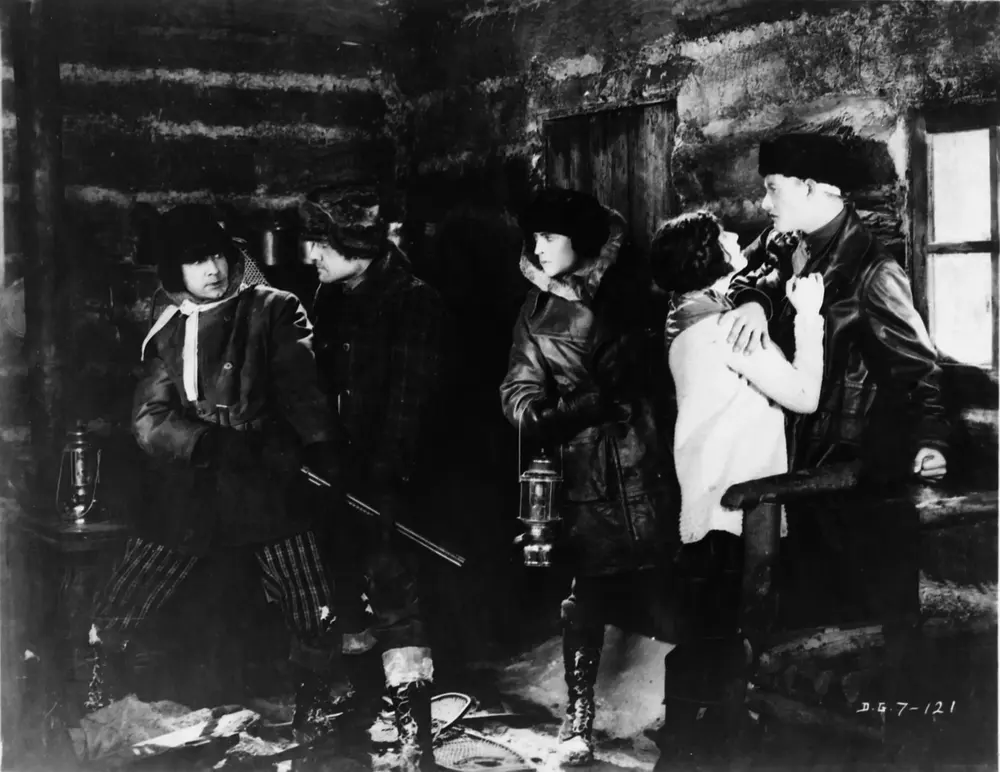
Alma Rubens delivers a performance that is nothing short of hypnotic. In an era often criticized for its histrionic overacting, Rubens employs a subtle, expressive economy. Her eyes convey a lifetime of 'rejection' long before the plot demands it. She is the heart of the film, a woman whose life has been defined by the boundaries of her father's cabin and the vast, uncaring wilderness. When she is forced to return to the city following her father's death, the film shifts from a survivalist romance into a biting social critique. The transition is jarring, purposefully so, highlighting the artificiality of the urban socialites compared to the raw honesty of the Canadian storm.
For modern audiences, the primary curiosity of The Rejected Woman often lies in the appearance of Bela Lugosi. Long before he would become the definitive face of Gothic horror, Lugosi was a versatile character actor, and here, as Jean de Barre, he provides a fascinating glimpse into his pre-Dracula persona. There is an inherent intensity to his screen presence, a magnetism that threatens to pull the focus away from the central melodrama. His performance adds a layer of European sophistication and underlying tension that enriches the film’s texture. One cannot help but compare this restrained performance to the more overt theatricality seen in his later work, or even the stylistic shifts seen in films like The Wolf Man (1923), which shared a similar penchant for atmospheric dread.
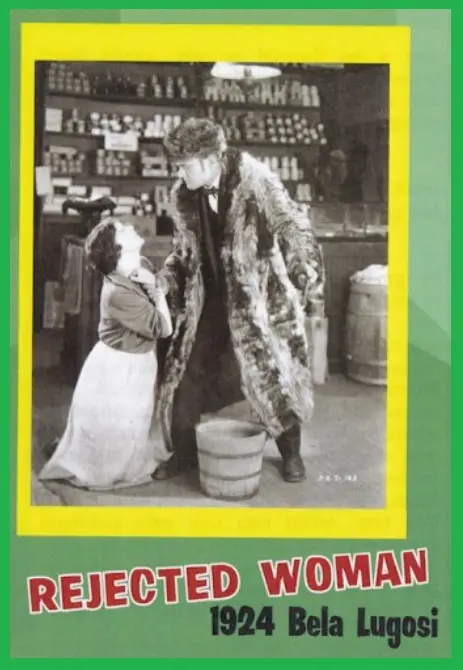
The supporting cast, featuring stalwarts like C. Aubrey Smith and Wyndham Standing, provides a sturdy framework for the central drama. Smith, in particular, embodies the rigid morality of the era, a patriarchal force that Diane must navigate or transcend. The ensemble work here is more refined than the chaotic energy of Black and Tan Mix Up or the slapstick leanings of A Studio Rube. Instead, there is a somber dignity to the performances that aligns with the film’s title.
Technically, the film is a masterclass in the use of light and shadow to articulate emotion. The cinematography captures the Canadian wilderness not as a postcard-perfect landscape, but as a claustrophobic, oppressive entity. The storm sequence is particularly noteworthy, utilizing practical effects and clever editing to create a sense of genuine peril. This visual grit provides a necessary counterweight to the more sentimental aspects of the script. In many ways, the film’s visual ambition rivals the sweeping scales of The Birth of a Nation, though it trades historical epicness for psychological depth.
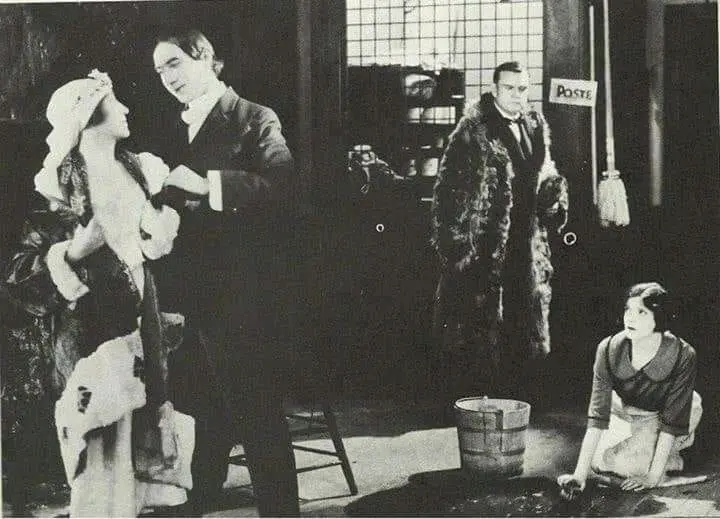
The motif of 'rejection' is woven into the very fabric of the film’s composition. Diane is frequently framed through doorways, windows, or against the vast horizon, emphasizing her status as an outsider. Even when she enters the high-society world of the city, she is visually isolated, often placed at the edge of the frame or separated from the group by lighting. This visual storytelling is far more effective than the intertitles themselves, which at times can feel a bit florid. It reminds one of the thematic weight found in Her Reckoning, where a woman’s worth is constantly interrogated by the societal lens.
The screenplay by John Lynch avoids the easy path of a simple romance. Instead, it delves into the trauma of loss and the difficulty of reintegration. When Diane’s father dies, the film shifts gears into a poignant study of grief. Her return to 'civilization' is depicted not as a homecoming, but as an exile. The city, with its noise, its rigid social codes, and its judgmental inhabitants, is far more treacherous than any Canadian blizzard. This inversion of the 'nature vs. nurture' trope is what gives The Rejected Woman its lasting power. It asks the audience to consider where the true wilderness lies: in the snow-covered woods or in the hearts of the social elite?
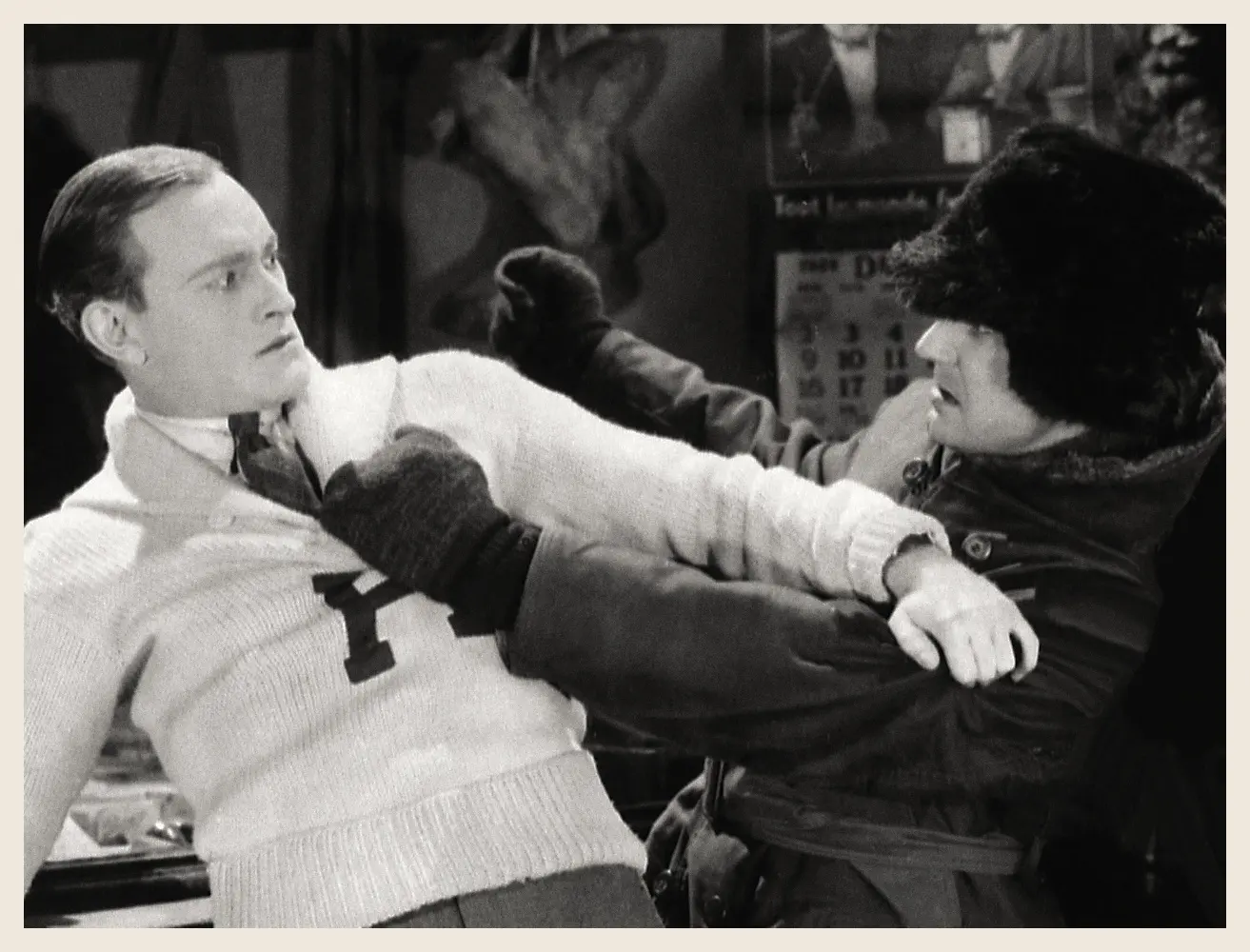
This thematic exploration draws interesting parallels with The Misleading Lady, which also toys with the dynamics of gender and environment, though The Rejected Woman maintains a much more somber and introspective tone. While The Girl of My Dreams might offer a more idealized version of femininity, Parker’s film presents a woman who is scarred, resilient, and ultimately, self-defined.
One cannot ignore the socio-economic undertones that permeate the second half of the film. Diane’s 'rejection' is not just emotional; it is a class-based exclusion. Her lack of pedigree and her time spent in the 'uncivilized' North make her a pariah among the circles John Leslie inhabits. This commentary on the fragility of social standing is as relevant today as it was in 1924. The film touches upon the same nerves as Lombardi, Ltd. or the moral inquiries of The Evil Thereof, proving that the silent era was deeply concerned with the shifting tectonic plates of the class system.
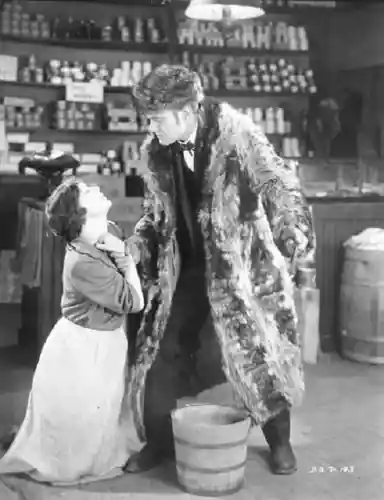
In conclusion, The Rejected Woman is a masterfully crafted melodrama that transcends its genre through exceptional performances and a sophisticated visual style. It is a film about the spaces between people—the literal miles of Canadian wilderness and the metaphorical miles of social prejudice. Alma Rubens delivers a career-defining performance, and the early glimpse of Bela Lugosi is a treat for cinephiles. While it may lack the frantic energy of contemporary cinema, its slow-burn emotional intensity and its stark beauty make it an essential watch for anyone interested in the evolution of the silent film. It is a reminder that even in silence, the cry of a rejected soul can be deafening.
Whether you are drawn to it for the historical novelty of Lugosi, the tragic allure of Rubens, or the atmospheric direction of Parker, The Rejected Woman stands as a testament to the power of early cinema to capture the complexities of the human condition. It is a film that lingers in the mind like a cold morning mist, beautiful, haunting, and undeniably real. It doesn't just tell a story; it evokes a feeling—a sense of being lost in a world that is at once too large to grasp and too small to breathe in. In the end, Diane Du Prez is not just a character; she is a mirror reflecting our own fears of being cast out, left to face the storm alone.
Critically acclaimed and historically significant, this 1924 masterpiece remains a cornerstone of the silent era's dramatic achievements.
IMDb 5
1935
Community
Log in to comment.