DbcultAccessing Vault...
Cult Review
Senior Film Conservator
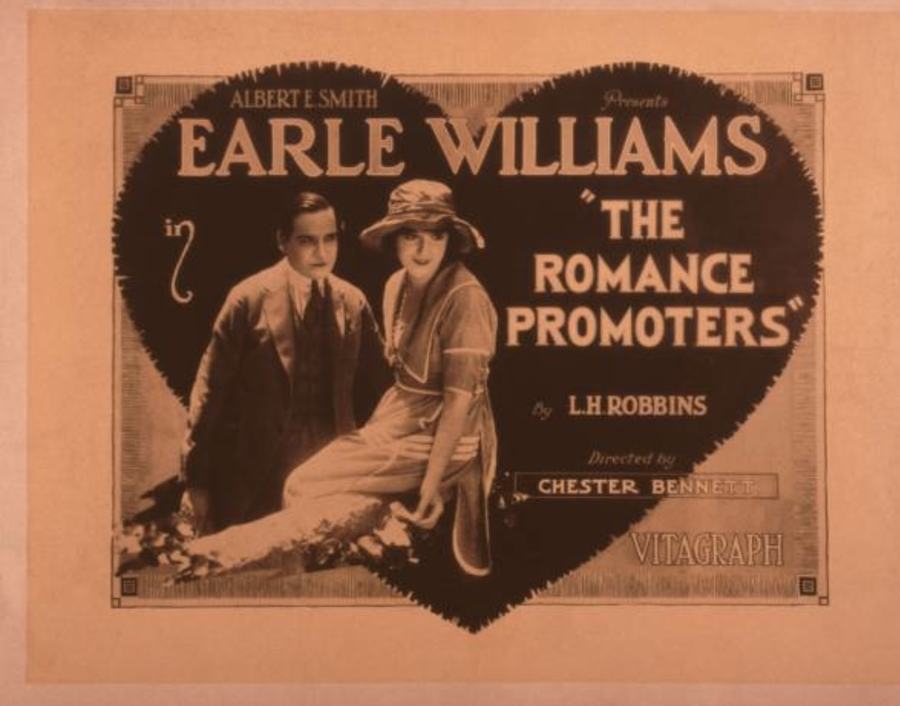
Plot skeletons in top-hats, beware: the real scaffold here is patriarchal paranoia.
The Romance Promoters is not, despite its coy title, a bureau that arranges affection; rather, it is a consortium of vultures who monetize courtship the way brokers short wheat futures. Harvey F. Thew and L.H. Robbins stitch their yarn with the same cynical needle that runs through Nobody's Wife and Adele, yet the silhouette feels closer to a caper—an upstairs-downstairs relay where every hand in white cotton gloves is either picking a pocket or a lock.
Shot in the waning days of 1922 and released the following spring, the picture bears the birthmarks of a studio hedging bets: interiors are lousy with potted palms to disguise shallow sets, yet cinematographer J. Parker McConnell sneaks in voluptuous tracking shots that prefigure the roaming camera of late-period Stroheim. Note the dinner sequence where Betty’s pearl collar glints like Morse code against obsidian velvet—each glint a breadcrumb for the audience to trace the coming betrayal. Intertitles, often the weak vertebrae of silent storytelling, here crackle with Thew’s tabloid zingers: “Love is a liability—and liabilities must be liquidated.” If you squint, you can almost see the DNA that will one day spiral into the hardboiled repartee of Wilder and Chandler.
Earle Williams, matinee idol in the twilight of his career, plays Todfield King with a jaw you could set a transit by; he underacts while everyone else gnashes the balustrades. The contrast lands like a cool compress on fever skin, making the eventual eruption—fists hammering Count Vorilla’s smirk into foie gras—all the more cathartic. Opposite him, Helen Ferguson’s Betty is no fainting flapper; her stillness reads as computation, eyes flicking like abacus beads while calculating which man might bankrupt her and which might bankroll her freedom. It’s a performance pitched at the frequency Lillian Gish used in The Bridge of Sighs, but Ferguson adds a capitalist sneer: she knows money is the only language these men speak, so she becomes fluent.
Archival evidence suggests the original road-show presentation featured a ten-piece orchestra sawing away at a pastiche that leaps from Mendelssohn to ragtime without apology. Modern streams or restorations (should any surface from the nitrate purgatory) often slap on generic piano, flattening the class tensions. Seek out anything—bootleg DVD, university archive, even a 240p YouTube rip—that retains the cue sheets; you’ll hear how the waltz swells precisely as Lorris unveils his “test,” a sonic wink that tells the balcony spectators they’ve been played as surely as King has.
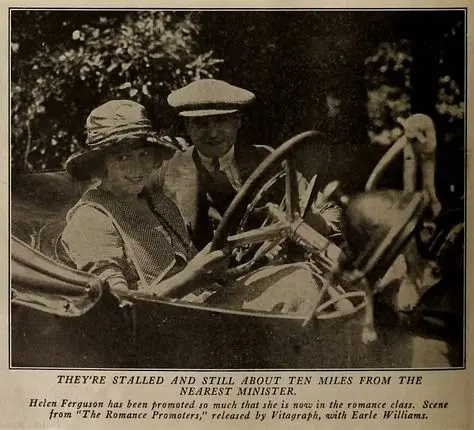
Strip the tuxedos and the film is a schematic: capital (Lorris) hires labor (King) to renovate the literal estate while unconsciously renovating the dynastic one. Trustees—Gleason, Slane, Vorilla—embody finance, administration, and aristocracy respectively, three heads of the same hydra. Their panic when King refuses the bait is the panic of every cartel that discovers labor might possess ethics. The engineer’s decision to walk away is the moral pivot; it is also the moment the film sides with the New-World work ethic against Old-World entitlement. Yet the coda undercuts the triumph: Lorris reveals the entire ordeal as a job interview for son-in-law. Thus the capitalist co-opts even revolt, turning integrity into another line item on a balance sheet—an irony that feels proto-noir, a spiritual cousin to the bleak termini of The Stranglers of Paris.
Betty, nominally the prize, weaponizes incompetence: her wide-eyed bewilderment masks a forensic savvy. Watch how she palms a letter opener during the Count’s siege—never used, but present, gleaming like a Chekhovian hedge. The camera lingers on her gloved hand longer than it does on King’s clenched fist, implying where the real power lies. When she finally folds into King’s arms, the intertitle reads: “I choose the man who chose to leave,” a declaration that ownership has flipped. In 1923 such a line must have hit flappers like moonshine; today it still stings because it anticipates every post-2008 rom-com where HEA hinges not on rescue but on a woman’s right to audit her own trust fund.
No complete 35mm print is known to survive; what circulates is a 9.5mm Pathéscope abridgement marketed to home libraries in 1930, roughly 42 minutes. The condensation guts subplots—Slane’s forgery, Vorilla’s prior marriage—but paradoxically tightens the allegory: every frame left breathes like a sniper’s lung. Rumors swirl of a 16mm acetate in a Slovenian monastery, and the Cinémathèque Royale included the title on a 2018 “Most Wanted” circular. Until then, we piece the mosaic from stills, promptbooks, and Charles Wingate’s annotated script recently digitized by MoMA. Even in fragments, the film teaches a serrated lesson about American myths: that the self-made man is always an invention of the already-made.
Stack it beside The Glorious Adventure or A Doll's House and the difference is velocity: those films treat money as destiny, Promoters treats it as weather—something you forecast, exploit, or endure. The inheritance ploy here is less Dickensian doom, more hedge-fund arbitrage. Likewise, Barbarous Mexico wallows in the tragedy of systemic graft, whereas Promoters shrugs: graft is the system, find your corner and dig in. That shrug is what makes the film feel modern, almost streaming-era in its refusal to moralize beyond the last reel.
Should some pristine print surface tomorrow, I’d still champion the battered Pathéscope: its emulsion scars look like acid burns on a stock certificate, a reminder that capital leaves marks. The Romance Promoters is not a love story; it is an instruction manual on how love was monetized a century before dating apps turned affection into data points. Watch it—if you can find it—not for nostalgia but for the chill of recognition, the same chill you feel when your bank statement arrives after Valentine’s Day. In the arithmetic of desire, someone always collects the interest; this film merely shows the ledger, then sets it ablaze.
If you dig up a reel in your attic, contact the National Film Preservation Foundation; don’t auction it to the highest bidder. Some artifacts are worth more than money—they are receipts for our collective soul.
IMDb —
1920
Community
Log in to comment.