DbcultAccessing Vault...
5.8/10
Senior Film Conservator
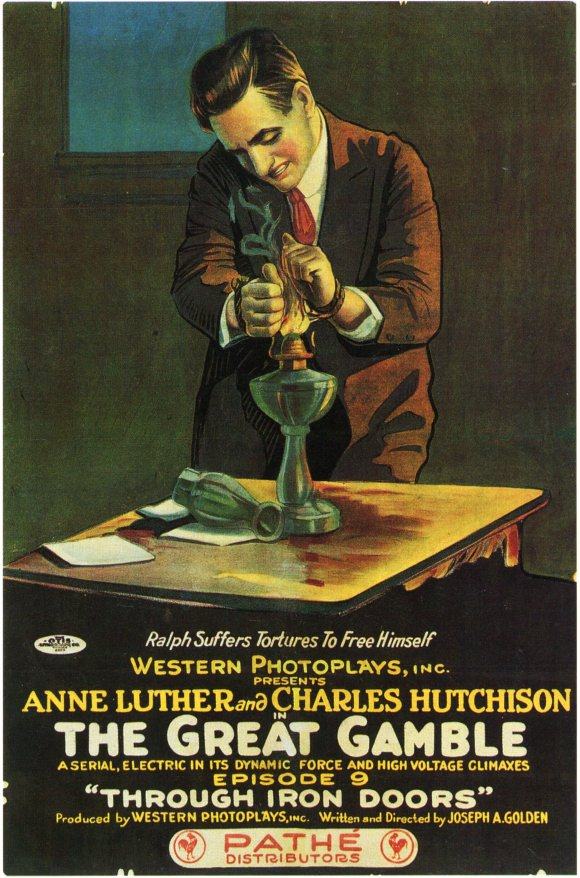
A definitive 5.8/10 rating for a film that redefined the boundaries of cult cinema. The Great Gamble remains a cornerstone of transgressive art.
Stepping back into the nascent days of cinematic storytelling, one encounters a film like 'The Great Gamble' (1919), a work that, even a century removed from its initial exhibition, resonates with a surprising potency. It’s a compelling artifact from an era when narrative was paramount, conveyed through the expressive nuances of silent performance and the evocative power of visual metaphor. Joseph A. Golden, the architect of this intricate drama, crafted a narrative that delves into the precarious balance between personal integrity and the relentless demands of the financial world, a theme as relevant today as it was in the roaring twenties.
Richard Neill, in his portrayal of Arthur Sterling, delivers a performance that transcends the limitations of the silent medium. Sterling is not merely a caricature of the embattled financier; he is a man burdened by an almost tragic flaw – an unwavering commitment to a past decision that now threatens to unravel his entire existence. Neill’s subtle facial expressions, the slight tremor in his hands during moments of intense pressure, and the weary slump of his shoulders eloquently convey the immense weight of his predicament. He embodies the quiet desperation of a patriarch striving to shield his family from the impending storm, a silent sentinel against the encroaching darkness. His portrayal is a masterclass in understated pathos, drawing the audience into Sterling's moral quandary without a single spoken word.
The film’s central conflict unfurls with the precision of a well-oiled clockwork mechanism. Sterling’s past, a specter of a questionable financial maneuver or perhaps a deeply personal secret, is being exploited by the ruthless Warren Cook, whose character, a shadowy antagonist, personifies the cutthroat nature of ambition untethered by ethics. Cook’s performance is a chilling counterpoint to Neill’s gravitas, a malevolent force that propels the narrative forward with an almost predatory grace. The tension between these two titans of industry, one fighting for survival and legacy, the other for dominance and destruction, forms the bedrock of 'The Great Gamble'.
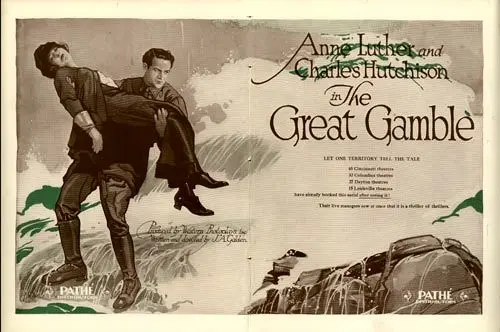
Anna Luther, as Eleanor Sterling, brings a delicate vulnerability and burgeoning strength to the screen. Her character is initially presented as an innocent, shielded from the harsh realities of her father's world. However, as the plot thickens, Eleanor's journey becomes one of awakening, forced to confront uncomfortable truths about love, loyalty, and the pervasive influence of money. Her romance with Charles Hutchison's Jack Thorne is not a simple dalliance; it's a narrative thread intricately woven into the fabric of the main conflict. Hutchison’s Thorne is an intriguing figure, charming and seemingly upright, yet his mysterious connections hint at a deeper, more complicated role in Sterling's downfall. This duality adds a layer of dramatic irony, as Eleanor's affections inadvertently draw her closer to the very forces that menace her family.
The supporting cast illuminates the narrative's multifaceted dimensions. Edith Thornton, as Lillian Vance, is a figure of captivating ambiguity. Is she a femme fatale, a pawn, or a player in her own right? Thornton’s portrayal keeps the audience guessing, her enigmatic smiles and calculated gestures adding a delicious layer of intrigue. Laura La Plante, in contrast, offers a portrayal of steadfast loyalty as Martha, the family confidante. Her presence provides a moral compass, a grounding force amidst the swirling chaos, and a poignant reminder of unwavering human connection. The ensemble, including William Cavanaugh, William F. Moran, and Karl Dane, contributes to the rich tapestry of early 20th-century society, each character, no matter how brief their appearance, adding a brushstroke to the expansive canvas of Golden's vision.
Joseph A. Golden’s screenplay for 'The Great Gamble' is a masterclass in structural integrity, a tightly wound mechanism of rising stakes and escalating tension. The plot is not merely a sequence of events but a carefully constructed argument about the nature of compromise and the true cost of maintaining appearances. Golden understands the power of implication, allowing the audience to infer much from the characters' reactions and the unfolding circumstances, a hallmark of effective silent film writing. The narrative, while rooted in the specificities of its era, touches upon universal themes of greed, redemption, and the enduring strength of familial bonds. It’s a testament to his skill that the emotional beats land with such precision, even without the aid of spoken dialogue.
Visually, one can imagine 'The Great Gamble' as a film that, despite the technological constraints of its time, leveraged the nascent art of cinematography to great effect. The use of deep focus, chiaroscuro lighting, and meticulously designed sets would have played a crucial role in conveying mood and status. Imagine the stark contrast between the opulent, yet increasingly suffocating, interiors of Sterling's mansion and the shadowy, conspiratorial backrooms where Cook's schemes are hatched. The director, likely working with a keen understanding of visual storytelling, would have used close-ups to emphasize the emotional turmoil etched on Neill’s face and wide shots to underscore the isolation of characters caught in the web of deceit. The costumes, too, would have been integral, reflecting not just the fashion of the period but also the characters' inner states – the crisp, unyielding suits of the financiers, the flowing, innocent gowns of Eleanor, and the more daring attire of Lillian Vance, each contributing to the visual narrative.
When considering 'The Great Gamble' within the broader tapestry of early cinema, one can discern thematic parallels with other significant works of the era. The moral quandaries faced by Arthur Sterling, caught between personal honor and societal expectation, echo the profound struggles depicted in Les Misérables, Part 1: Jean Valjean. Both films explore the long shadow cast by past deeds and the relentless pursuit of individuals by forces beyond their control, questioning the very nature of justice and societal redemption. The pervasive sense of impending doom and the intricate web of deception in 'The Great Gamble' also bring to mind the gripping suspense of Mrs. Balfame, where secrets and societal pressures drive characters to desperate measures. The silent film era, rich with melodramatic possibilities, often excelled in portraying these heightened states of human experience.
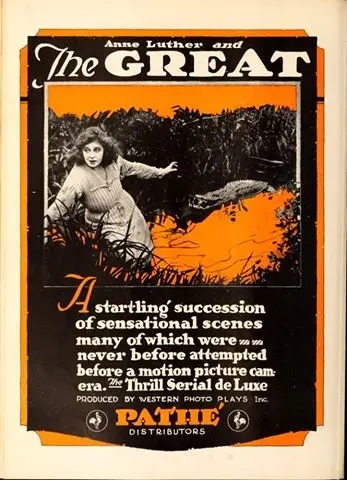
Furthermore, the film's exploration of family dynamics under duress, particularly the generational conflict and the father-child relationship, finds a spiritual cousin in works like Father and the Boys. While the latter might lean more into comedic aspects, both delve into the complexities of legacy, expectation, and the ways in which parental decisions reverberate through subsequent generations. The romantic entanglement, fraught with hidden agendas and societal barriers, also bears a distant kinship to the dramatic tension seen in A Tale of Two Cities, where personal desires are often sacrificed on the altar of larger societal or political forces. These comparisons aren't to suggest direct influence but rather to highlight the shared thematic concerns that captivated audiences of the time and continue to resonate today.
The film's title itself, 'The Great Gamble', is a potent metaphor for life's inherent uncertainties and the often-unforeseen consequences of choices made under duress. It’s a narrative that eschews easy answers, preferring to immerse the viewer in the moral ambiguity of its characters' predicaments. The ending, without divulging specifics, is likely to have been crafted to leave a lasting impression, prompting reflection on the true cost of victory and the definition of success. Does Sterling emerge triumphant, or is his victory merely a Pyrrhic one, leaving him irrevocably changed? Such questions are the hallmark of compelling drama, and Golden’s narrative undoubtedly aimed to provoke such contemplation.
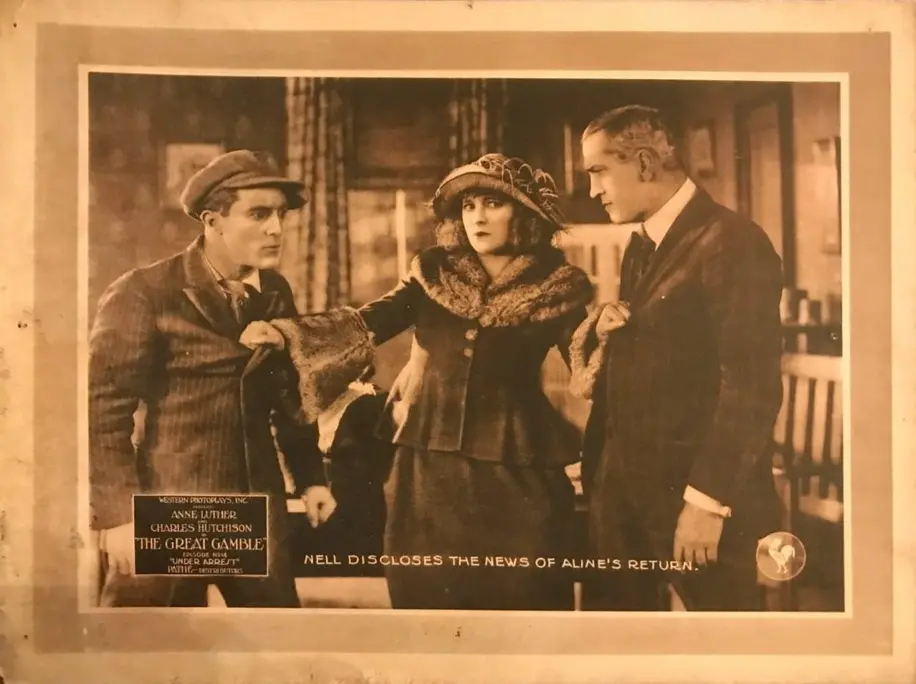
The performances, particularly Neill's, are the linchpin of the film's enduring appeal. In an era before synchronized sound, actors were tasked with conveying entire emotional landscapes through gesture, posture, and the subtlest shifts in expression. Neill rises to this challenge magnificently, creating a character whose internal struggles are palpable. His Arthur Sterling is a figure of tragic grandeur, a man caught in a maelstrom of his own making, yet striving to navigate it with a dignity that borders on the heroic. Anna Luther’s transformation from naive debutante to a woman capable of confronting harsh truths is equally compelling, providing a vital emotional arc that grounds the more abstract financial machinations.
Beyond the individual performances, the film's lasting impact lies in its sophisticated approach to storytelling. Joseph A. Golden, as a writer, understood that the most profound dramas are often those that explore the human condition against a backdrop of grand societal forces. The financial world, with its inherent risks and rewards, serves as a powerful metaphor for the gambles we all take in life, whether in love, career, or personal integrity. 'The Great Gamble' is not just a tale of economic peril; it is a meditation on the choices that define us and the legacies we leave behind. The film’s ability to weave together personal drama with broader societal commentary is a testament to its enduring artistic merit, solidifying its place as a significant work of the silent era.
In conclusion, 'The Great Gamble' stands as a powerful reminder of the sophisticated narratives and compelling performances that characterized early cinema. It’s a film that, despite its age, speaks volumes about the timeless struggles of ambition, betrayal, and the unyielding pursuit of redemption. For those willing to delve into the rich history of film, it offers a rewarding and thought-provoking experience, a silent symphony of human drama that continues to resonate with contemporary audiences. Its intricate plot, memorable characters, and profound thematic undercurrents cement its status as a vital piece of cinematic heritage, a true gem from the formative years of the silver screen.
IMDb 5.3
1920
Community
Log in to comment.