DbcultAccessing Vault...
Cult Review
Senior Film Conservator
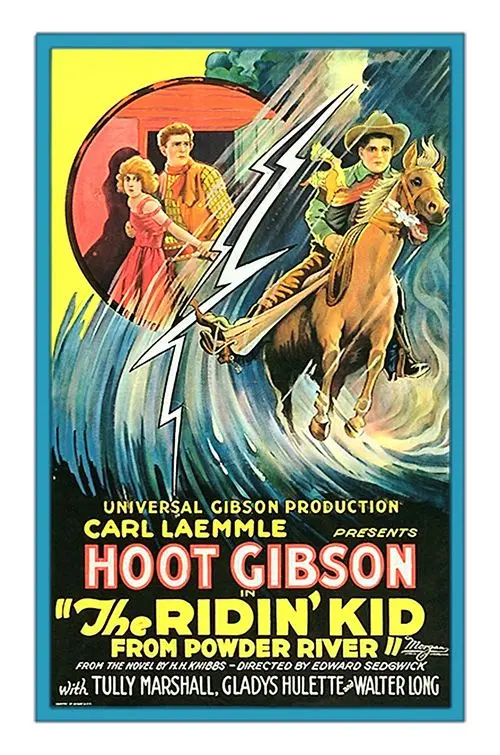
The cinematic tapestry of the American West is often woven with threads of justice, retribution, and the indomitable spirit of those who carved out lives on its untamed fringes. In this grand tradition, 'The Ridin' Kid from Powder River' emerges as a compelling artifact, a narrative steeped in the primal urge for vengeance and the unexpected blossoming of love amidst profound danger. This film, born from the creative synergy of writers Henry H. Knibbs, Richard Schayer, Raymond L. Schrock, Rex Taylor, and LeRoy Armstrong, plunges audiences into a world where the lines between law and lawlessness blur, and personal codes of honor dictate destinies.
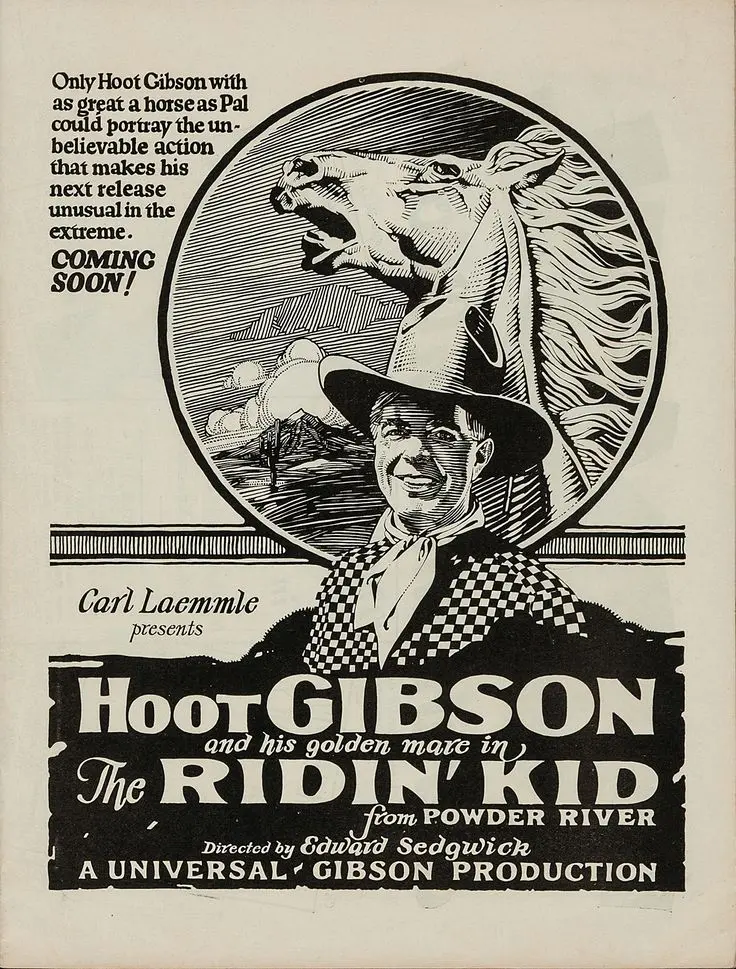
At its core, the story orbits around Bud Watkins, portrayed with a brooding intensity by Hoot Gibson, whose character embodies the quintessential Western archetype: a man haunted by past trauma, driven by a singular, consuming purpose. For fifteen long years, Bud has nursed the bitter embers of resentment, systematically tracking the cattlemen's gunman responsible for the murder of his foster father, Pop Watkins. This isn't merely a plot point; it's the very psychological bedrock of Bud's existence, a relentless, almost mythological quest that defines his every action. The film masterfully conveys the weight of this extended pursuit, suggesting a profound internal transformation wrought by prolonged grief and the unyielding commitment to an ultimate reckoning. When that moment of revenge finally arrives, it's less a cathartic release and more a grim fulfillment, immediately propelling Bud into the precarious position of an outlaw, hunted by the very system he perhaps believes has failed to deliver true justice.
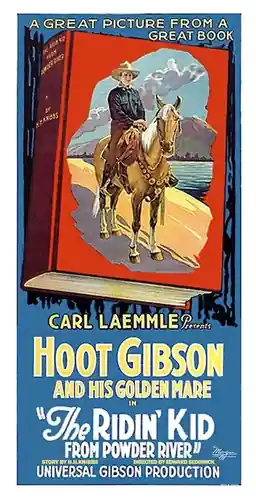
Fleeing the imminent threat of the sheriff, Bud finds himself in an unexpected refuge: the ranch of 'The Spider,' a shadowy figure of the underworld, played with a compelling blend of menace and charisma by Walter Long. This sanctuary is not one of peace, but of a different kind of peril, a world operating outside conventional morality. The Spider's domain serves as a fascinating counterpoint to the 'civilized' world, a lawless haven where allegiances are fluid and survival is paramount. It's here, amidst the rugged landscape and the tension of illicit dealings, that Bud encounters 'Miss,' The Spider's daughter, brought to life with captivating spirit by Gladys Hulette. Her presence introduces a vital human element into Bud's hardened existence. Their burgeoning romance is not merely a conventional love story; it is a fragile bloom in a desolate land, a testament to the enduring power of human connection even in the most hostile environments. The chemistry between Gibson and Hulette, even in the silent era's often exaggerated pantomime, manages to convey a genuine tenderness that feels both earned and precarious, adding a crucial emotional layer to the otherwise stark narrative of revenge.
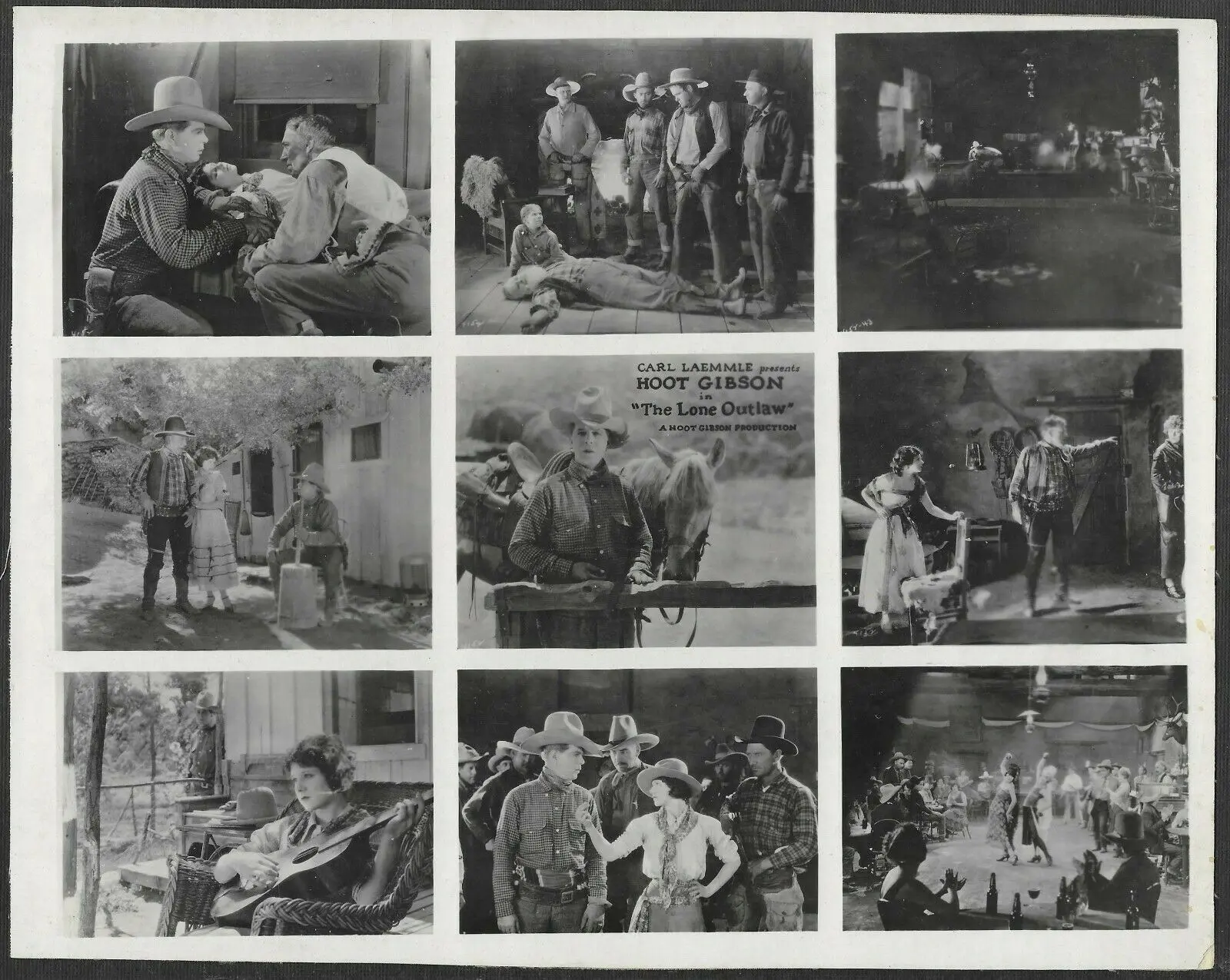
The precarious balance of their newfound happiness is inevitably shattered by the machinations of Steve Lanning, a jealous rival whose malicious betrayal to the sheriff plunges Bud and Miss back into immediate danger. Frank Rice, as Lanning, embodies the archetype of the petty, vindictive antagonist, his actions serving as a catalyst for much of the film's escalating tension. The betrayal underscores a recurring theme in Westerns: the ever-present threat of human malice, often more dangerous than the wilderness itself. This moment is a stark reminder that even in a 'safe' haven, external threats and internal jealousies can prove devastating. The subsequent attempt to escape is fraught with peril, culminating in Miss being shot. This pivotal incident forces Bud into an agonizing dilemma: maintain his anonymity and risk losing Miss, or expose himself to the law to secure medical help. His decision to risk discovery, riding into town for a doctor, highlights the depth of his burgeoning affection, transforming him from a singular avenger into a protector, a man willing to sacrifice his freedom for love. The sequence is handled with a palpable sense of urgency, drawing the audience into Bud's desperate race against time.
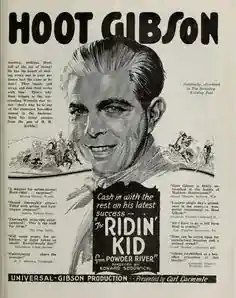
Miss's recovery, though a moment of respite, is fleeting. As she and Bud make another desperate attempt to escape their pursuers, the vengeful Steve Lanning strikes again, kidnapping Miss. This act ignites the film's thrilling climax, transforming the narrative into a high-octane chase across the rugged Western landscape. Bud's pursuit of Lanning and Miss is a masterclass in early cinematic action, showcasing the raw energy and spectacle that defined silent Westerns. The 'thrilling ride' mentioned in the plot summary is undoubtedly the film's centerpiece, a sequence designed to elicit maximum excitement from the audience. It is here that the physical prowess of Hoot Gibson, a real-life rodeo champion, shines through, lending an authenticity to the horsemanship and stunt work that was unparalleled for its time. The climactic rescue isn't just about retrieving Miss; it's about Bud asserting his dominion, protecting what he holds dear, and finally finding a purpose beyond his initial quest for revenge. The resolution, while satisfying, leaves a lingering sense of the challenges inherent in forging a life on the frontier, where peace is often hard-won and never truly guaranteed.
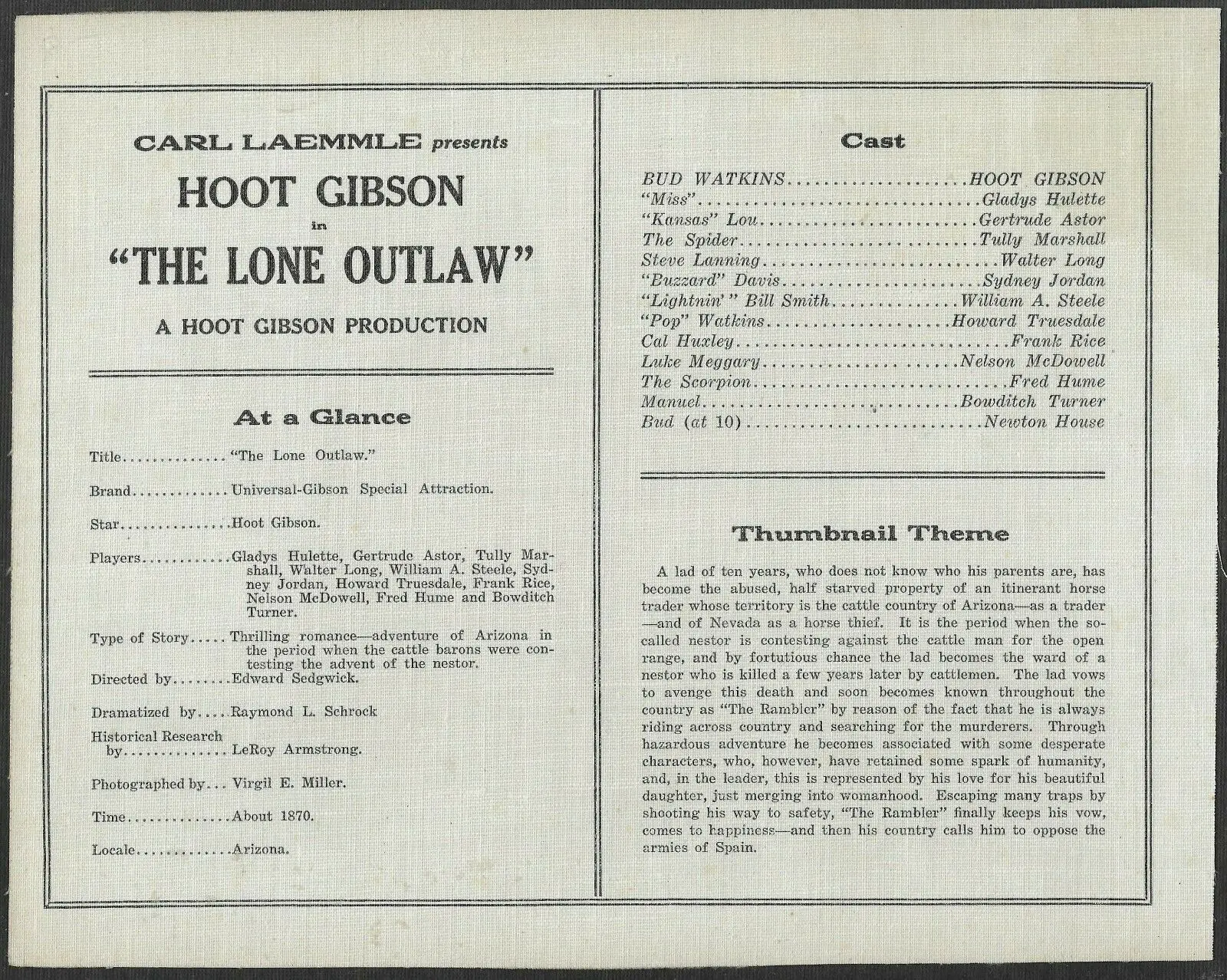
The ensemble cast contributes significantly to the film's texture. Beyond Gibson and Hulette, figures like Sid Jordan, Frank Rice, Gertrude Astor, Newton House, Howard Truesdale, William Steele, Tully Marshall, Nelson McDowell, Bowditch M. Turner, and Fred Humes populate this vivid frontier world. Each actor, operating within the stylistic constraints of silent film, employs expressive physicality and exaggerated gestures to convey emotion and character. Gertrude Astor, for instance, often brought a sophisticated, sometimes villainous, presence to her roles, and her contribution here, even if minor, would have added to the dramatic fabric. Walter Long, as The Spider, delivers a memorable performance, his imposing stature and often villainous roles making him a natural fit for the bandit leader. The cumulative effect of these performances is a rich tapestry of frontier life, capturing the diverse personalities that inhabited the American West. The writers, Henry H. Knibbs, Richard Schayer, Raymond L. Schrock, Rex Taylor, and LeRoy Armstrong, crafted a narrative that, while adhering to genre conventions, still managed to inject sufficient twists and turns to maintain audience engagement. Their ability to construct a compelling story arc, balancing action with emotional beats, is commendable for the era.
'The Ridin' Kid from Powder River' is not merely a standalone story; it exists within the rich lineage of the Western genre, a genre that was rapidly defining itself in the early decades of cinema. It showcases many of the enduring tropes that would come to define the form: the lone avenger, the damsel in distress, the morally ambiguous outlaw, the thrilling chase, and the vast, unforgiving landscape as a character in itself. While it shares thematic echoes with films focused on personal quests, like the intricate web of justice and consequence explored in Trompe-la-Mort, its execution is distinctly American Western. The raw, kinetic energy of its action sequences, particularly the climactic ride, might remind one of the unpolished but exhilarating stunt work seen in early comedies like An Overall Hero, though deployed here for dramatic, life-or-death stakes. The film's narrative structure, with its clear delineation of hero, villain, and love interest, provides a foundational blueprint that many subsequent Westerns would follow, refining and subverting these elements over time.
The visual storytelling, a paramount aspect of silent cinema, would have been crucial in conveying the nuances of Bud's internal struggle and the escalating external threats. The vastness of the Powder River region, presumably captured through location shooting, would have emphasized the isolation and the epic scale of the events unfolding. The use of intertitles, while necessary for dialogue and exposition, would have been carefully balanced with strong visual compositions to ensure a dynamic and engaging experience. For its era, the film likely represented a high standard of production, capitalizing on the popularity of Westerns and the charismatic appeal of its lead, Hoot Gibson, who was a significant star in the genre. His authentic cowboy background lent an invaluable layer of realism to his performances, distinguishing him from many of his contemporaries. This authenticity was a key factor in the enduring appeal of many early Western stars, making the action feel more grounded, even amidst heightened drama.
In retrospect, 'The Ridin' Kid from Powder River' stands as more than just an entertaining Western; it's a window into the formative years of Hollywood and the enduring power of classic storytelling. It encapsulates the spirit of an era when cinema was still finding its voice, yet already capable of crafting compelling narratives that resonated deeply with audiences. The film's exploration of themes like the moral ambiguities of revenge, the redemptive power of love, and the relentless pursuit of freedom against overwhelming odds remains timeless. While its stylistic conventions may appear dated to modern eyes, its core emotional beats and thrilling action sequences retain a visceral appeal. The film's legacy lies in its contribution to the Western canon, demonstrating how early filmmakers harnessed the nascent power of the moving image to transport viewers to a mythic landscape where heroes and villains played out their destinies against the backdrop of an expanding frontier. It is a testament to the enduring appeal of simple, yet potent, narratives that speak to universal human experiences, from the profound desire for justice to the desperate yearning for connection in a harsh world. The careful construction of character arcs, particularly Bud's journey from solitary avenger to devoted protector, speaks to a sophisticated understanding of narrative progression, even in an era of rapidly evolving cinematic language. The film, therefore, offers a compelling case study in the foundational elements that would define the Western genre for decades to come, demonstrating how a potent blend of action, romance, and moral struggle could captivate and inspire. Its place in the pantheon of early Westerns is secure, not just for its entertainment value, but for its role in shaping the very iconography of the genre.
The exploration of loyalty, particularly in the context of The Spider's gang, adds another layer of complexity. While Bud is an outsider seeking refuge, the dynamics within the bandit's ranch hint at a different kind of societal structure, one built on pragmatic alliances rather than formal laws. This subtle world-building enriches the setting, making it more than just a backdrop for action. The film's ability to weave together these disparate elements—revenge, romance, betrayal, and a thrilling escape—into a cohesive and engaging narrative speaks volumes about the storytelling prowess of its creators. It's a reminder that even in the nascent stages of cinema, the fundamental principles of dramatic construction were well understood and expertly applied. The enduring popularity of Westerns, from these early silent features to their modern interpretations, owes much to films like 'The Ridin' Kid from Powder River' which established many of the genre's most beloved and iconic elements. Its narrative simplicity belies a sophisticated understanding of human motivation and cinematic impact, making it a valuable piece in the mosaic of film history.
IMDb 6.9
1929
Community
Log in to comment.