DbcultAccessing Vault...
Cult Review
Senior Film Conservator
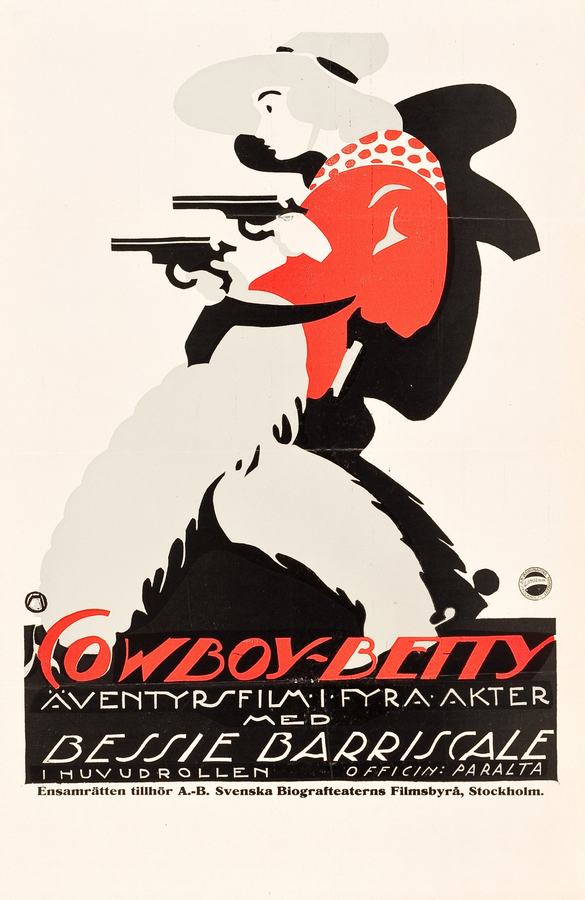
The first thing you notice is the dust—thick, ochre, almost carnivorous—rolling across the frame like a living thing hungry for any trace of pretense. In Two-Gun Betty (1916) that dust devours more than horizons; it swallows every comfortable gender binary the Western genre ever saddled up.
Jack Cunningham’s screenplay, lean yet cunning, unleashes Betty Craig (Bessie Barriscale) as a proto-meta hurricane: she bets Florence Kennedy she can infiltrate an all-male ranch by becoming “Bob Craig,” and the wager itself feels like a flapper-era prophecy hurled backward into the horse-and-wagon days. The miracle? The film knows we know the disguise is paper-thin; the brim of Bob’s hat shadows cheekbones too delicate, the swagger too studied, the voice a octave above baritone. Yet the cowboys—led by Richard Wayne’s sardonic foreman and C.M. Carlos’s winking Jack Kennedy—pretend to buy the charade, turning the narrative into a slow-motion practical joke that boomerangs into epiphany.
Director William Desmond Taylor (uncredited in surviving lobby cards but attested by trade papers) stages each gag like a gauntlet: Betty/Bob is told to break a bronc that’s more whirlwind than horse; ordered to swim the Snake River with a Winchester overhead; commanded to brand a steer that’s really a painted mule. Each trial is shot in long, unbroken takes that let Barriscale’s physical wit sparkle—her calves quivering, shoulders squaring, eyes flashing a dare right back at the lens.
The humor is vicious, almost Mack Sennett in its velocity, yet beneath the slapstick is a slow recognition: the cowboys aren’t testing Bob’s masculinity; they’re auditing their own. When Jack finally rips the hat off to reveal the chestnut braid coiled like a sidewinder, the reveal lands less as scandal than relief. The punchline? Betty demands a stake in the ranch, not merely the right to ride alongside. The men, half-grinning, half-gobsmacked, acquiesce—not out of gallantry but because she’s already outworked them at every turn.
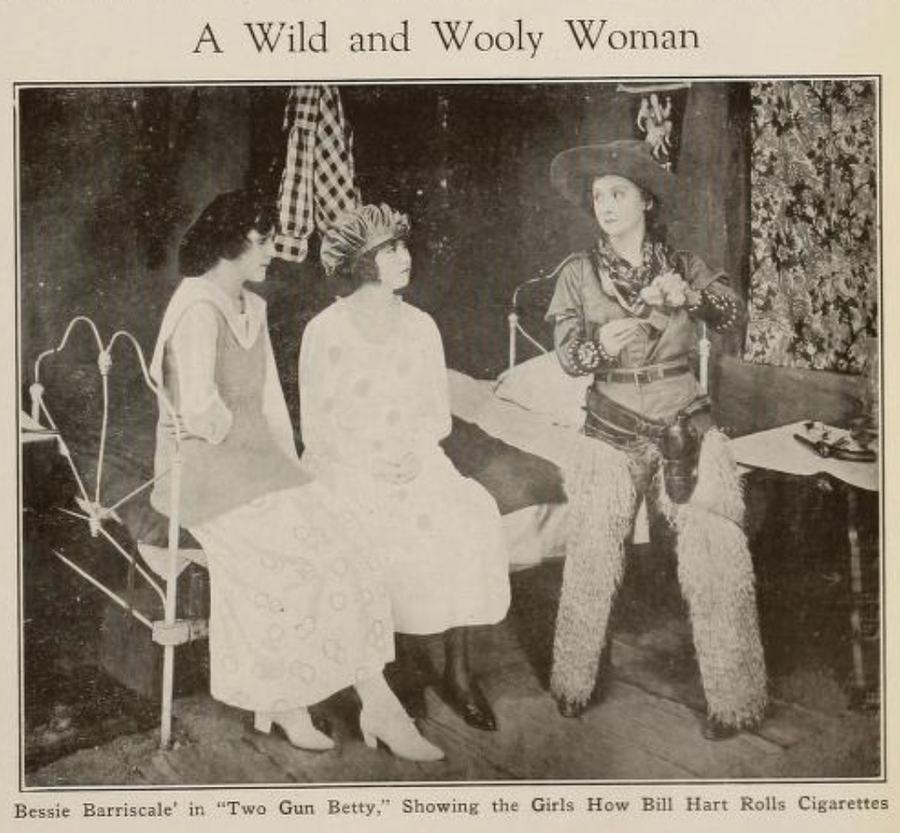
Cinematographer James Van Trees (later mentor to Gregg Toland) shoots the Nevada plains in chiaroscuro: ivory moonlight slashes across obsidian shadows, turning every fence post into a moral question mark. Notice how Betty’s silhouette grows more angular, more “masculine,” as the film progresses—shoulders artificially padded, gait widened—until the final campfire scene where she strips back to petticoat and the frame literally flares, as if the cellululoid itself sighs. Compare this visual arc to Salvation Joan where the cross-dressing is merely narrative garnish; here it is ontological surgery.
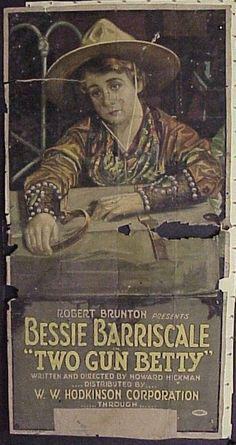
Interior scenes—shot on cramped ranch-house sets smelling of beeswax and kerosene—use doorframes like proscenium arches, staging confrontations in depth. When Jack leans against a timber beam, foreground left, while “Bob” milks a cow center-frame, the spatial tension predicts the power inversion to come. It’s Stagecoach before Stagecoach, minus the Monument Valley bombast, plus gender subversion Spielberg still hasn’t tried.
Bessie Barriscale, often dismissed in fan magazines as “the sweet girl with the curls,” weaponizes that very image. Watch her fingers drum against leather chaps—impatience disguised as masculine nonchalance—or the way she lowers her voice an octave only to let it crack at the syllable’s tail, reminding us the disguise is performance, not identity. Her comic timing rivals any Keystone anarchist, yet she never winks at the audience; the integrity of the masquerade stays airtight, which makes the eventual unmasking feel like a sunrise rather than a stunt.
Richard Wayne’s Jack is equal parts pragmatist and romantic; his smirk carries the weight of someone who’s read the playbook and still enjoys the game. In the midnight scene where he “accidentally” spills coffee on Bob’s shirt, forcing a layer of wet fabric to cling to corset outlines, Wayne lets his eyes linger a half-second too long—desire flickering like a struck match. It’s a silent-era precursor to the erotic tension Bogart would bottle a generation later.
Helen Hawley’s Florence operates as the film’s moral gyroscope, observing the tomfoolery with arched brow and folded arms. Her final nod of approval—almost a benediction—authorizes the new social order, echoing the suffragette fervor sweeping 1916 headlines.
Released the same year Montana elected Jeannette Rankin to Congress, Two-Gun Betty vibrates with the tremors of a nation renegotiating the frontier myth. The film’s intertitles—hand-lettered with curlicues that parody masculine block type—drop zingers like “Some saddles ain’t built for hips—nor is the Law built for women.” Contemporary newspapers hailed it as “the best argument for the ballot since Susan B. Anthony,” while Variety sniffed it was “too improbable for dime-western digestion.” History, of course, laughs last.
Contrast this with The Hand That Rocks the Cradle, released months earlier, which punishes any woman who steps beyond domestic orbit; Betty rewards its heroine with acreage. The dialectic between the two films charts the cultural fault line of 1916 America, one trembling between Victorian constraint and modern insurgence.
Most of the film survives only in a 35mm nitrate positive discovered in a Butte, Montana, barn circa 1978; the final reel was chewed by rodents, necessitating a still-card reconstruction. The Library of Congress’ 4K photochemical restoration (2021) returned the amber tones of the campfire sequences, revealing textures—sweat on a horse’s flank, the glint of a spur—previously lost to chemical bloom. The new score by Mont Alto Motion Picture Orchestra leans into jaunty brass for pratfalls, then pivots to minor-key strings during Betty’s moonlit self-reckoning, anchoring the tonal whiplash that makes the film feel avant-garde even now.
Stack Two-Gun Betty beside Two Men and a Woman and you’ll see how both triangulate desire through triads, yet Betty weaponizes the geometry. Against Vengeance Is Mine!’s brooding masculinity, Betty’s comedic velocity feels like a shot of adrenalin to the genre’s weary heart. Meanwhile Purity moralizes female virtue; Betty monetizes it into land deeds and stock options.
So, does Two-Gun Betty earn its spurs? Absolutely—then melts them down to forge a new brand. It’s a film that anticipates Calamity Jane, Johnny Guitar, even Hidden Figures in its insistence that identity is a costume you can tailor to fit destiny. The climax isn’t a kiss but a contract: Betty’s signature on a deed that rewrites the West as communal, not patriarchal. When the credits—hand-inked on a bandana—flutter across the screen, you realize you’ve not just watched a comedy; you’ve witnessed a coup.
Stream the 4K restoration on Criterion Channel, or chase down the Blu-ray with the Mont Alto score. Either way, keep your Stetson on—Betty just might shoot it off.
IMDb 6.3
1935
Community
Log in to comment.