DbcultAccessing Vault...
Cult Review
Senior Film Conservator
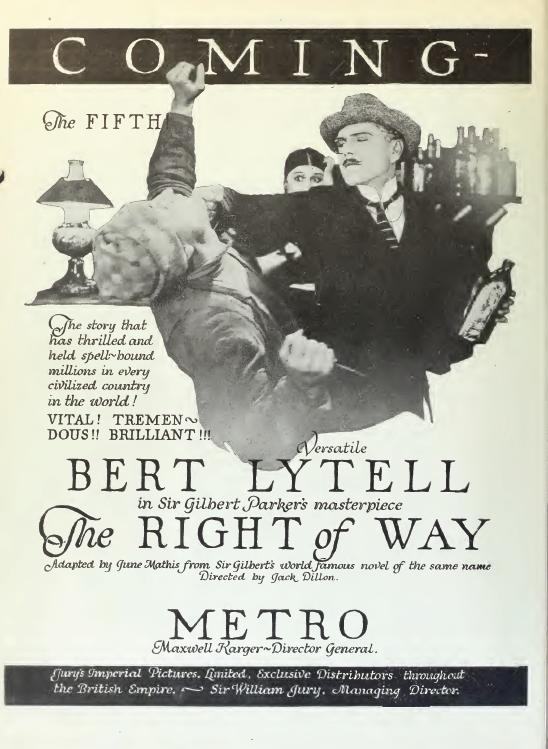
The film The Right of Way is a poignant and thought-provoking exploration of the human condition, delving into themes of identity, morality, and the complexities of the human experience. Through the character of Charles 'Beauty' Steele, played by Henry Harmon, we witness the downfall of a man who has become consumed by his own ego and arrogance. His wife, tired of his debauched behavior and lack of empathy, leaves him, and his brother-in-law's betrayal serves as the final blow, prompting Steele to reevaluate his life choices.
As Steele navigates the treacherous landscape of his own making, he is met with a series of challenges that test his resolve and force him to confront the darkest aspects of his own nature. The film's use of light and shadow serves to underscore the turmoil that Steele is experiencing, with the darkness representing his inner struggle and the light symbolizing his potential for redemption.
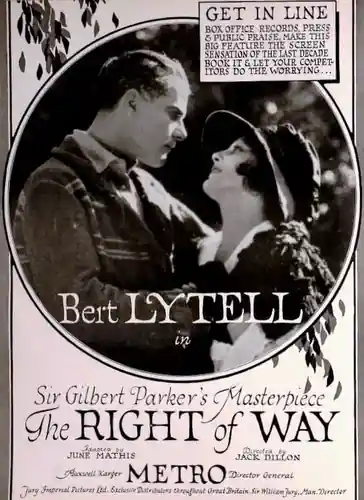
The turning point in the film comes when Steele is rescued by a kind couple, who take him in and nurse him back to health. As he begins to rebuild his life, Steele starts to experience a sense of peace and contentment that he had previously been unable to find. However, this newfound happiness is short-lived, as his memories eventually return, forcing him to confront the consequences of his past actions.
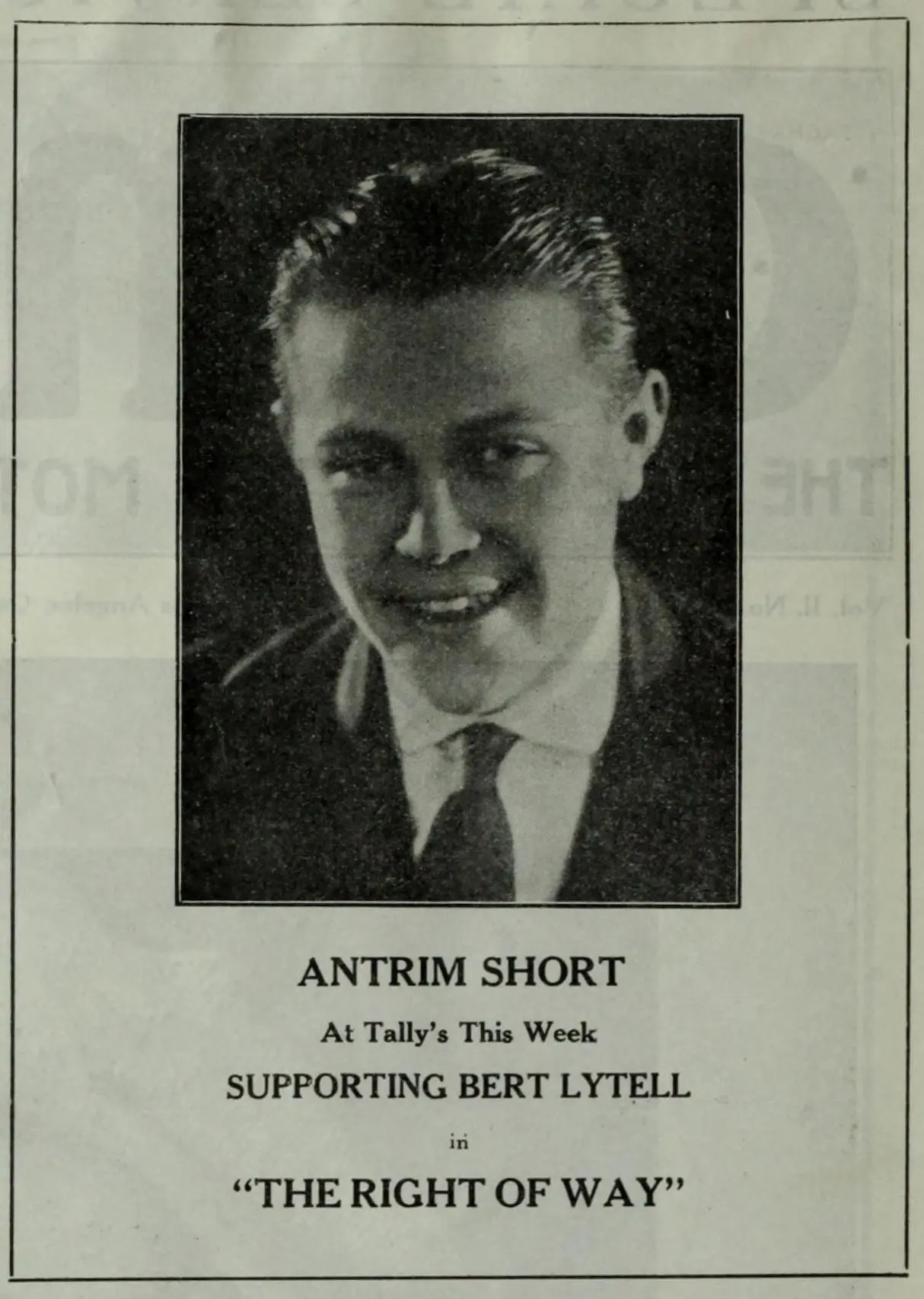
The film's supporting cast, including Leatrice Joy and Frank Currier, deliver strong performances that serve to underscore the complexity of the narrative. The cinematography is also noteworthy, with the use of high-contrast lighting and innovative camera angles adding to the overall sense of tension and drama.
In comparison to other films of the era, such as Miss Ambition and Das Grand Hotel Babylon, The Right of Way stands out for its nuanced exploration of the human condition. While films like Hendes fortid and The Three Godfathers also deal with themes of identity and morality, The Right of Way is unique in its thought-provoking and emotionally charged portrayal of a man's journey towards redemption.
The film's historical context is also worth noting, as it was released during a time of great social change and upheaval. The Roaring Twenties were marked by a sense of liberation and freedom, as people began to challenge traditional social norms and values. In this sense, The Right of Way can be seen as a reflection of the times, as it explores the tensions between traditional values and modernity.
Overall, The Right of Way is a powerful and thought-provoking film that explores the complexities of the human experience. With its strong performances, innovative cinematography, and nuanced narrative, it is a must-see for fans of silent cinema. Whether you are a film historian or simply a cinephile, The Right of Way is a film that will leave you haunted long after the credits roll.
For those interested in exploring more films from this era, I would recommend checking out Impossible Catherine, Susan Rocks the Boat, and Under Crimson Skies. Each of these films offers a unique perspective on the human experience, and together they provide a fascinating glimpse into the social and cultural landscape of the time. Additionally, fans of silent cinema may also enjoy An American Gentleman, The Eyes of Mystery, and The Toilers, each of which offers a distinctive take on the genre.
In conclusion, The Right of Way is a masterpiece of silent cinema that continues to captivate audiences to this day. With its powerful performances, innovative cinematography, and thought-provoking narrative, it is a must-see for anyone interested in the art of filmmaking. So why not experience it for yourself and discover the timeless magic of The Right of Way?
IMDb 6.3
1935
Community
Log in to comment.