DbcultAccessing Vault...
Cult Review
Senior Film Conservator
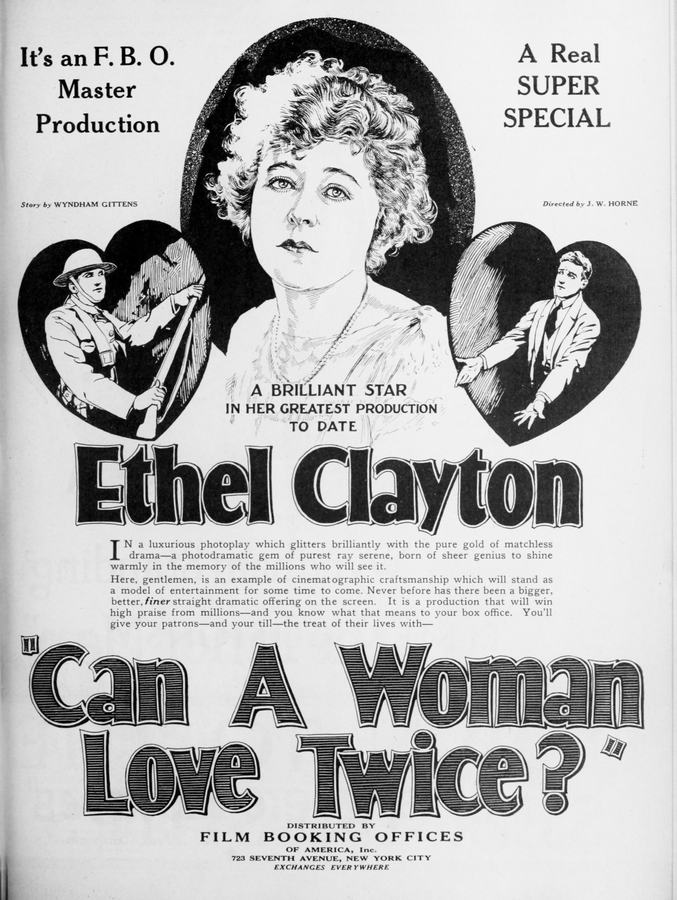
The cinematic landscape of Can a Woman Love Twice? is a richly woven tapestry of dark orange hues, symbolizing the turbulent emotions that roil beneath the surface of Mary Grant's existence. As she grapples with the aftermath of her husband's passing, the yellow glow of hope flickers, casting a warm, yet uncertain light upon her journey. With each step, the sea blue depths of her emotional turmoil threaten to engulf her, as she confronts the harsh realities of her new circumstances.

The character of Mary Grant, adeptly portrayed by Ethel Clayton, is a masterful study in contrasts, her fiery spirit and determination tempered by the soft, golden light of her love for her son Tom. As she navigates the treacherous waters of her husband's family, who seek to claim Tom as their own, Mary's resolve is tested, her very core threatened by the prospect of losing the one person who remains to her.

In contrast to the carefree antics of Penrod and Sam, Can a Woman Love Twice? presents a somber, sea blue-tinged portrait of a woman struggling to come to terms with her newfound solitude. While the whimsical charm of Mrs. Plum's Pudding may offer a fleeting respite from the travails of everyday life, Mary Grant's story is a poignant reminder that, for many, the harsh realities of existence cannot be so easily escaped.
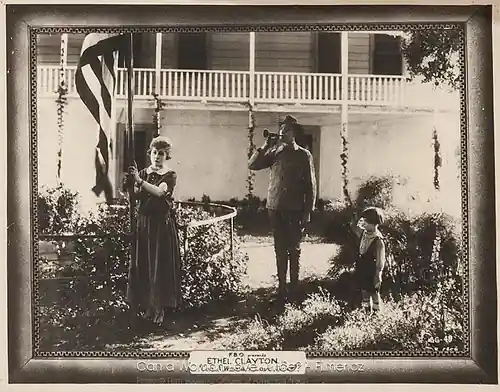
As the narrative unfolds, the dark orange embers of Mary's past continue to glow, a reminder of the love she once knew, and the life she once led. Yet, even as the yellow glow of hope begins to reassert itself, the sea blue depths of her emotional turmoil remain, a testament to the enduring power of love and loss to shape the human experience. In this, Can a Woman Love Twice? finds common ground with the unflinching determination of Her Fighting Chance, and the wry humor of Props, each film a unique thread in the intricate tapestry of human emotion.

The supporting cast, including Malcolm McGregor, Al Hart, and Fred Esmelton, deliver performances that are at once nuanced and multifaceted, their characters imbued with a depth and complexity that adds richness to the narrative. As the story hurtles toward its inevitable conclusion, the audience is left to ponder the universal themes that underpin Can a Woman Love Twice?, and the ways in which they resonate with the timeless struggles of the human experience.
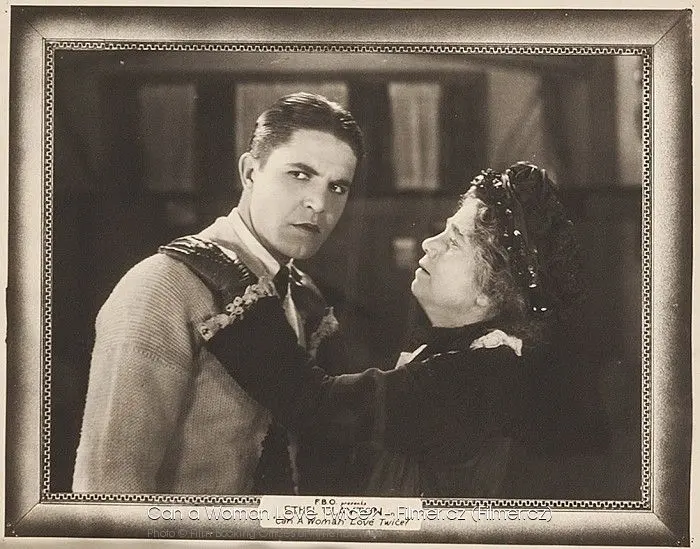
In the end, it is the unflinching honesty of Can a Woman Love Twice? that proves most striking, a beacon of hope in a world often marked by turmoil and uncertainty. As the credits roll, the audience is left to ponder the enduring power of love, and the ways in which it can both heal and harm. In this, Can a Woman Love Twice? finds common ground with the unapologetic candor of The Divorcee, and the unflinching self-reflection of Are You a Failure?, each film a unique exploration of the human condition.
As the dark orange hues of the cinematic landscape fade to black, the yellow glow of hope remains, a testament to the transformative power of love, and the human spirit's capacity to endure and overcome. In Can a Woman Love Twice?, we find a film that is at once a gripping drama, a poignant romance, and a thought-provoking exploration of the human experience, a true masterpiece of cinematic storytelling.
Ultimately, Can a Woman Love Twice? is a film that will linger in the memory, its vibrant colors and nuanced performances combining to create a cinematic experience that is at once haunting and uplifting. As the audience departs the theater, they will carry with them the enduring themes of the film, and the unforgettable characters that bring them to life, a testament to the timeless power of cinema to captivate and inspire.
IMDb 6.5
1934
Community
Log in to comment.