DbcultAccessing Vault...
5.3/10
Senior Film Conservator
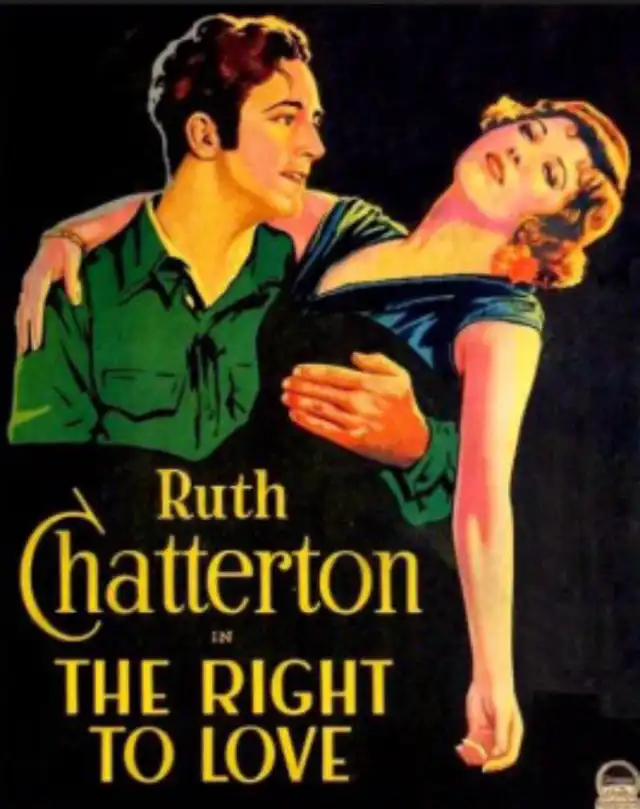
A definitive 5.3/10 rating for a film that redefined the boundaries of cult cinema. The Right to Love remains a cornerstone of transgressive art.
Alright, so The Right to Love from 1930. Is it worth tracking down these days? Look, if you’re a fan of early sound films, or if you appreciate actresses like Ruth Chatterton really going for it, then yeah, maybe give it a shot. You’ll probably enjoy the sheer melodrama of it all. But if you’re hoping for anything fast-paced, subtle, or, you know, not from 1930, you’ll likely find it a bit of a slog. It’s got a very specific appeal. 🕰️
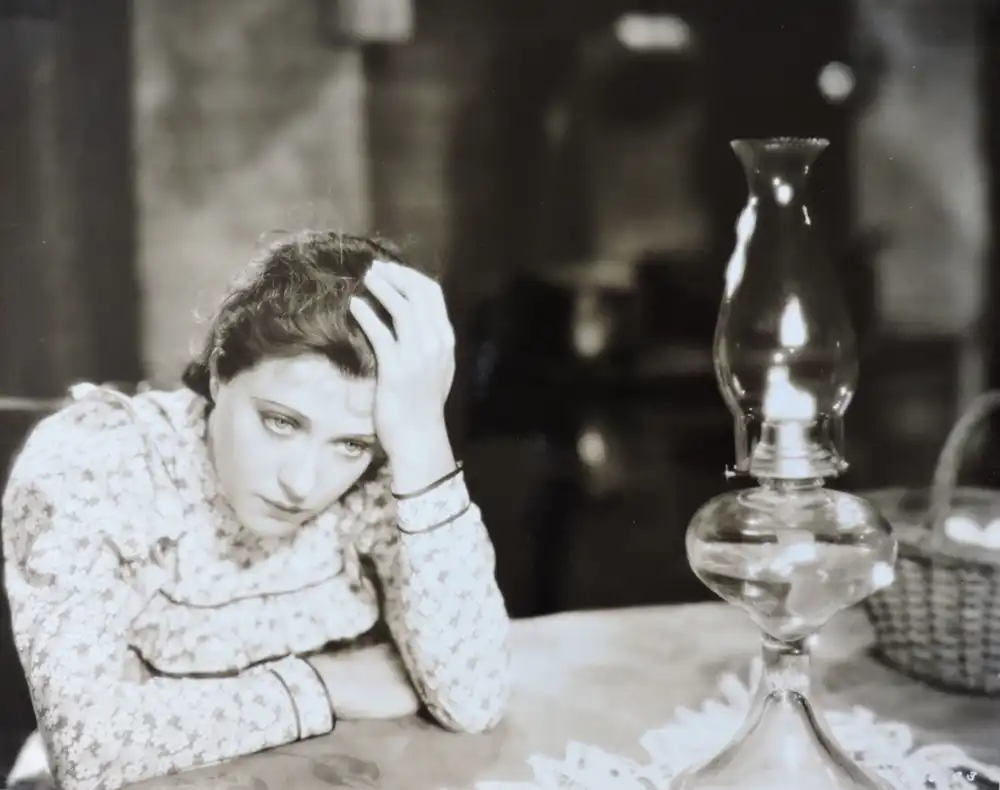
The whole thing hinges on this big secret: a mother, played by the quite intense Ruth Chatterton, has a daughter who doesn't know she's illegitimate. Once that cat’s out of the bag, the daughter, played by someone named Judith, really struggles with it. Like, really struggles. Her world just crumbles. And Chatterton’s character, the mother, tries to navigate this fallout. It’s a lot.
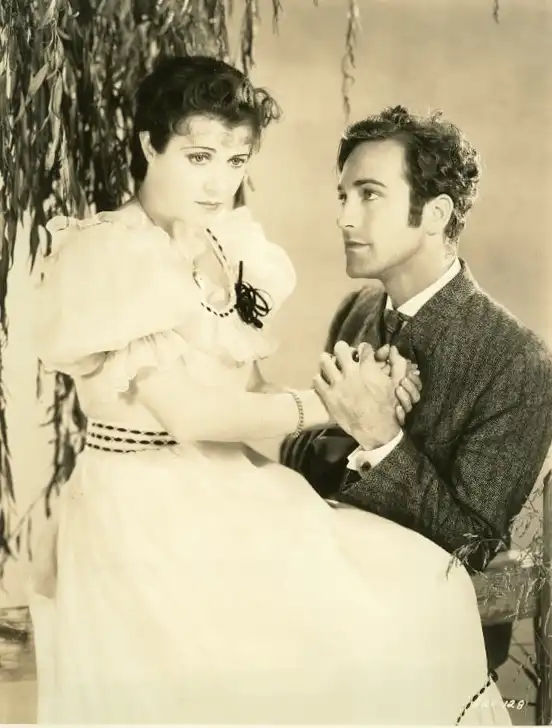
Chatterton, she’s the main reason to watch. Her face can do so much in those close-ups. There’s a scene early on where she’s just looking at her daughter, and you can feel the weight of this secret she's holding. It’s a quiet moment, but it’s heavy. Later, when the truth comes out, her anguish… it’s a performance that doesn't hold back. Sometimes it feels a little much for a modern eye, but that was the style, right?
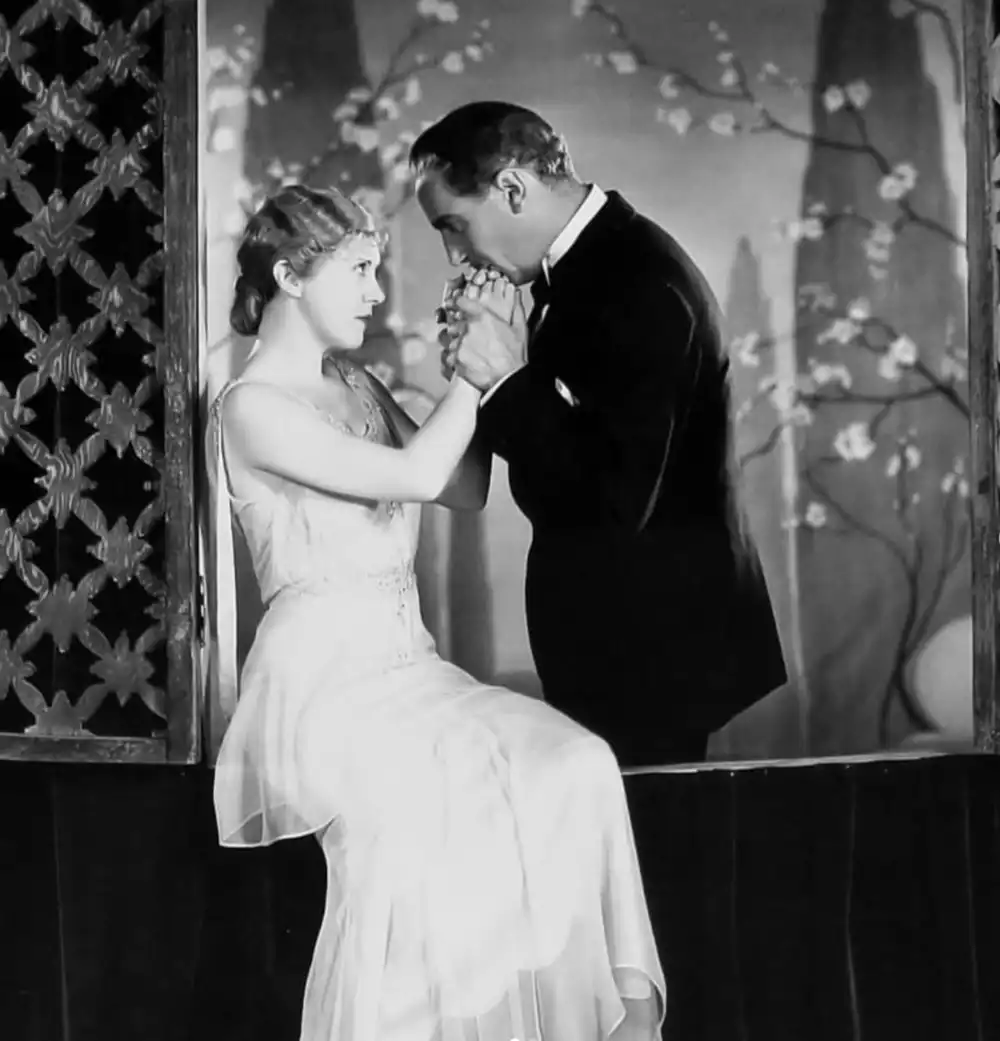
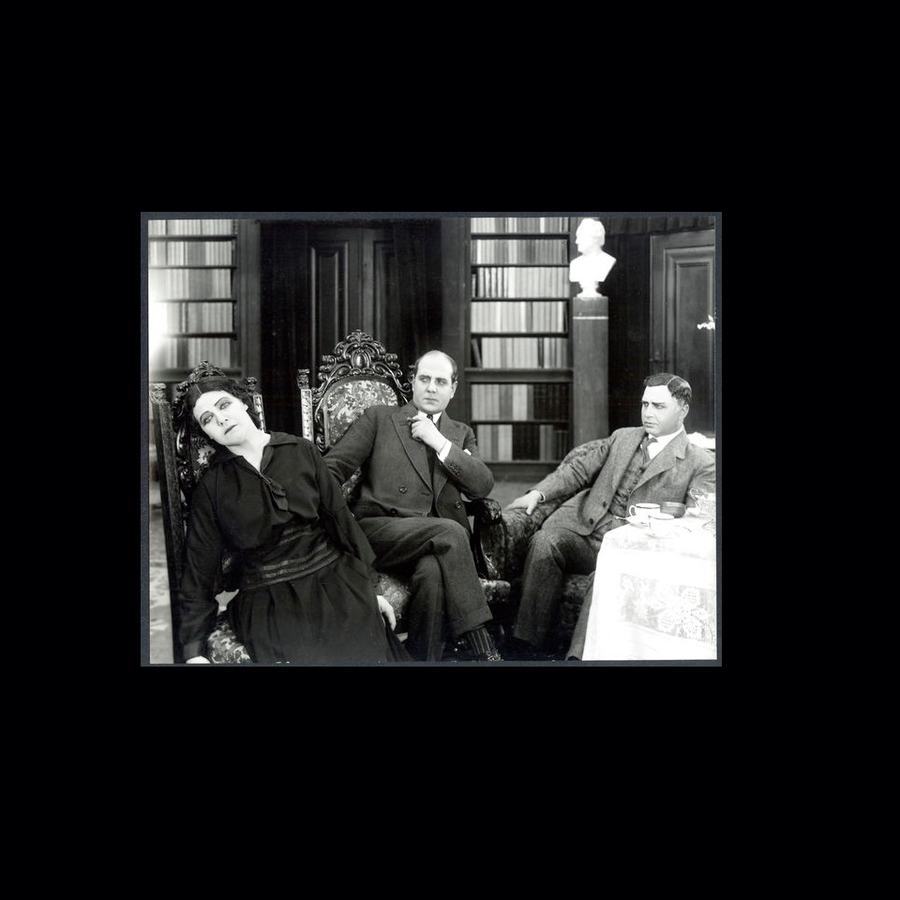
The daughter’s reaction is, well, *very* 1930s. She acts like this is the absolute end of her world, and society's judgment is just this huge, crushing thing. You can almost feel the movie trying to convince you this moment matters more than anything. It’s a different era, sure, but her dramatic fainting spells and refusal to even look at her mother... it’s a bit much. You sort of want to tell her to calm down, even as you understand the societal pressures.
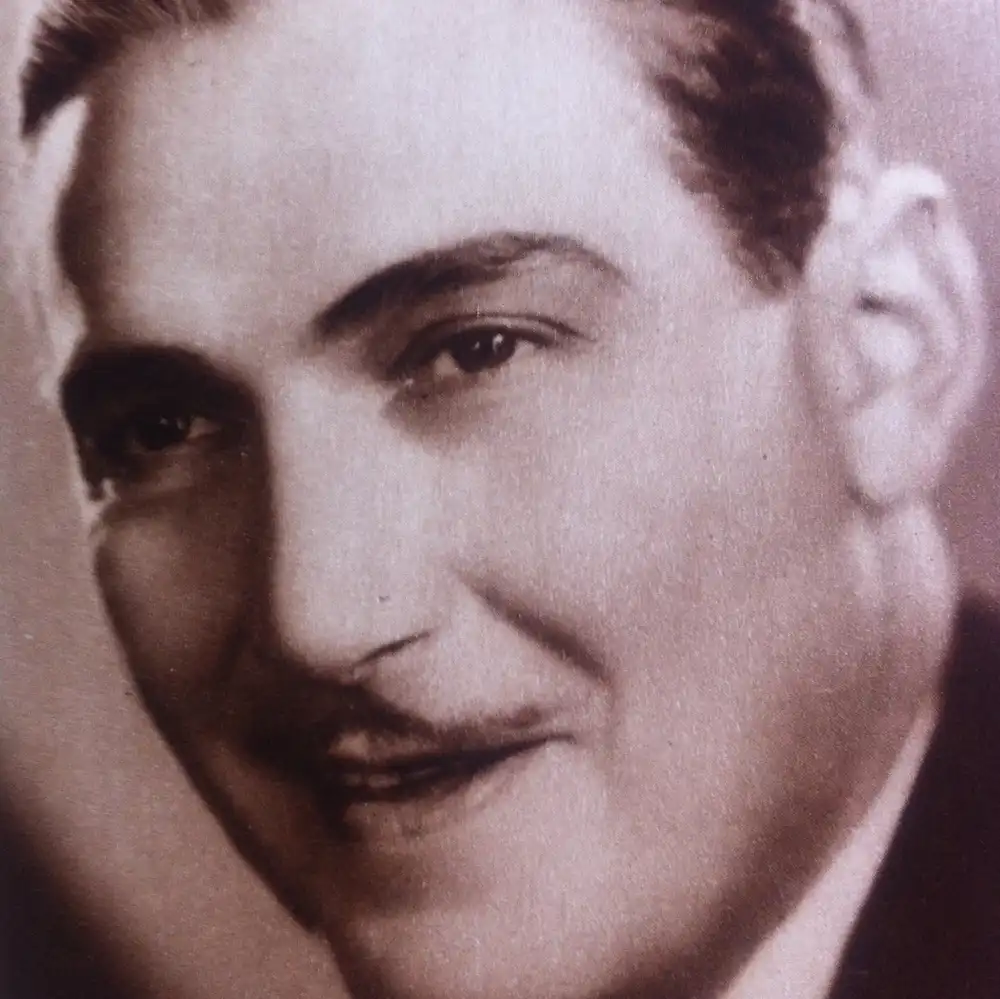
There's a specific shot, I think it’s when Judith is first told, and she just stares, mouth slightly open. It lingers. Like, really lingers. For a moment, it’s powerful, then it almost becomes a little funny because it goes on for so long. You’re waiting for her to *do* something, but she just... stays there. The director, someone named Melville Brown (I think he directed a few things), really milked those reactions.
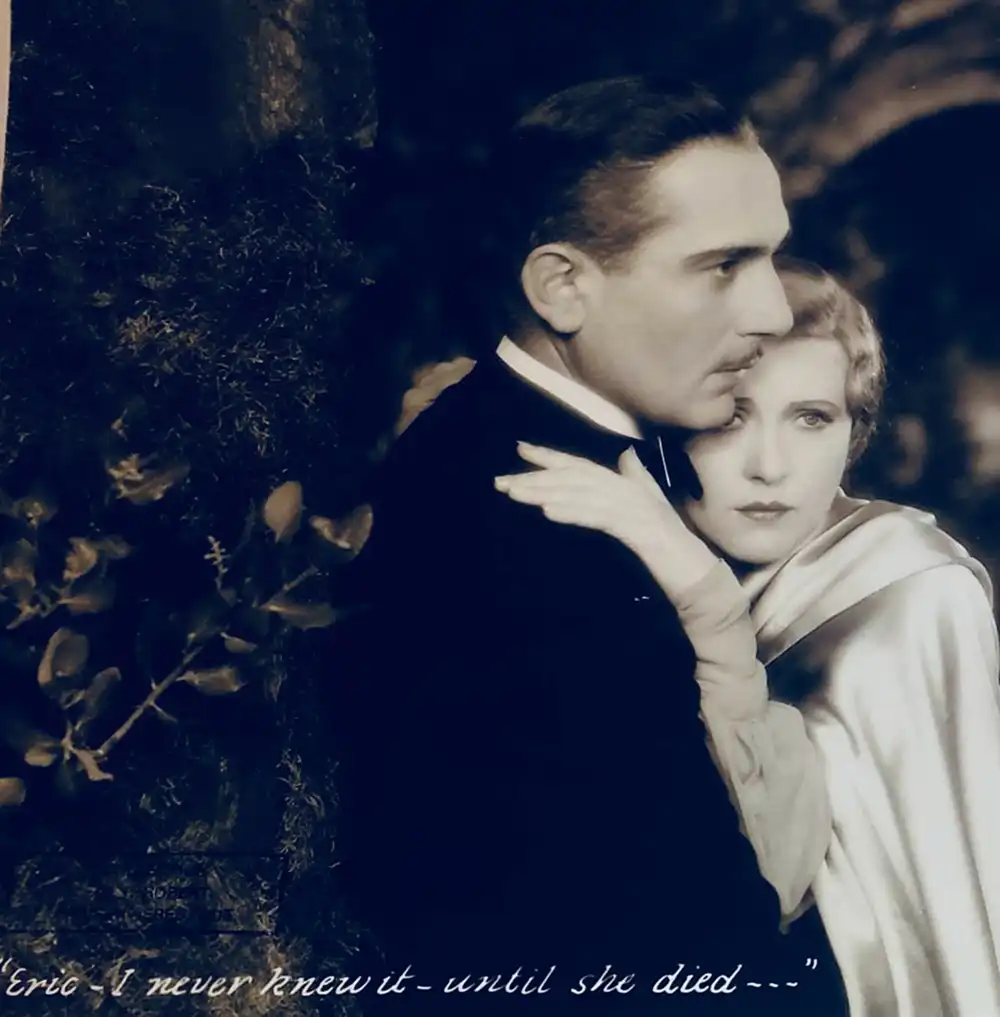
The pacing, oh boy. It’s a commitment. You’ll get long stretches of dialogue, and then long stretches of people just *looking* at each other. It really feels like they were still figuring out how to use sound. The camera isn't moving a whole lot. It’s often just planted, recording. You can hear every rustle of a dress, every dramatic sigh. It’s almost quaint now.
Paul Lukas is in this too, as the sort of 'other man' in Chatterton's past. He’s got that suave, slightly world-weary charm. He tries to be understanding, but he’s also wrapped up in this very tangled situation. His presence adds another layer of complication, not necessarily resolving anything.
One detail that sticks with me: the hats. Everyone’s hats. They're these elaborate, often wide-brimmed things that seem to add to the dramatic flair of every scene. Especially Chatterton’s. They almost feel like their own characters, just silently judging. Or maybe it's just me. 👒
The movie gets noticeably better once the initial shock wears off and the characters actually start *talking* about things, rather than just reacting in shock. There's a slight shift, a sense of trying to piece things back together, even if it's messy.
Ultimately, The Right to Love is a fascinating artifact. It’s a window into how these emotional dramas played out almost a century ago. It’s not a perfectly crafted film by today’s standards, but it has this raw, almost theatrical energy. It’s a good one to watch if you’re curious about early talkies and don't mind a very earnest, very dramatic story. Just be ready for the mood. 🎬
IMDb 5.6
1931
Community
Log in to comment.