DbcultAccessing Vault...
Cult Review
Senior Film Conservator
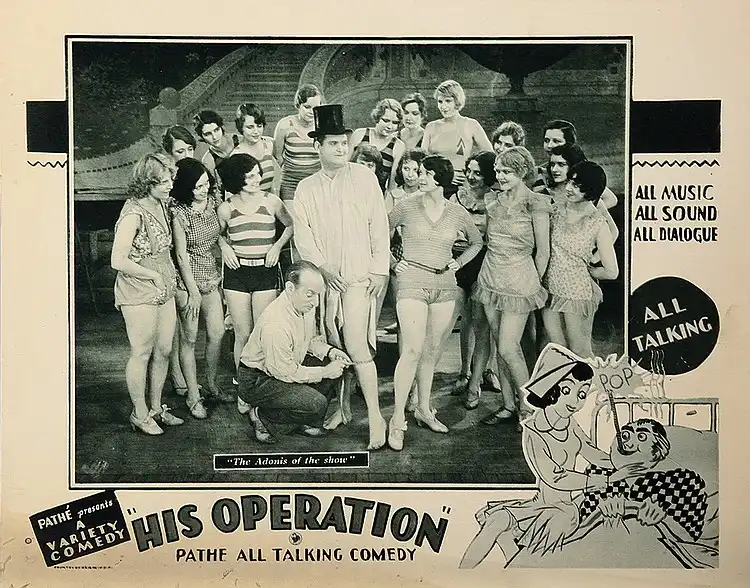
Look, if you're into those *really* old black-and-white films where folks have big feelings and everyone seems a bit too dramatic, then His Operation might be a quiet afternoon watch for you. It's not a must-see, not by a long shot. But for anyone curious about early cinema's take on serious stakes, it's got moments. If you need explosions or even just talking, you'll probably bounce off this one fast. It's all silent, remember?
The film, it centers on Dr. Charles Kemper. He's this respected surgeon, right? And his wife, Naomi Casey, gets real sick. Like, *needs an operation* sick. And he decides to do it himself. That's a whole lot of pressure, and you feel it, even without a single word spoken.
Kemper's character, he paces. Oh, he paces a lot. You could almost time the film by his worried steps in the hospital hallway. Every turn, every pause, it screams anxiety. 😬
The hospital sets are pretty sparse. A bed, a table, maybe a window with some light coming through. It makes you wonder about budgets back then, but it also kinda makes everything feel more… stark. No hiding places for emotions here.
Naomi Casey, as the ailing wife, she spends a good chunk of the film in bed. Her expressions are tough to read sometimes. Is it fear? Or just this weary resignation? It leaves you thinking.
There's a scene where Evalyn Knapp, the nurse, just adjusts a blanket over Casey. It goes on for a solid 10 seconds. You expect something else to happen, a sudden gasp, a dramatic turn. But nope, just blanket adjusting. It's oddly compelling in its stillness, almost meditative.
The way the light hits the operating room table, it's harsh. Like, really harsh. There’s no comfort there, just cold, hard reality. The shadows play a big part in setting that mood.
Sally Noble's character, she's mostly in the background, just *sitting* in a chair for long stretches. Her hands are clasped tight, you know? You can feel her worry, her helplessness, even without a single subtitle telling you what she's thinking. It's all in the posture.
Close-ups are kinda rare in this one, but when they do zoom in on Kemper's face, you really see it. The sweat. The tension in his jaw. It feels very immediate, like you're right there with him, holding your breath.
There's a quick shot, maybe a flashback, to a garden. Green leaves, bright sun. It feels completely out of place at first, a bit jarring. Then you get it. Probably supposed to be a glimpse of 'happier times' before all this medical drama. A quick, sad memory.
The medical instruments they show are surprisingly detailed for the era. Someone on set did their homework, even if the overall hospital felt a bit, well, minimal. It adds a touch of realism to the core of the story.
One little thing I noticed: the way the camera sometimes just... holds. On an empty doorframe after someone leaves. Or on a shadowed corner of the room. It creates a sort of quiet, empty space. Makes you feel the weight of what's happening, or not happening, off-screen.
The film really relies on the actors’ ability to convey emotion through their bodies and faces. And for the most part, it works. You buy into Kemper's anguish, even if it feels a little over-the-top by today's standards.
The ending… it’s a bit abrupt, honestly. You don't get a big, neat bow on everything. Just… that's it. Leaves you hanging a little, but maybe that's the point. Life isn't always tied up neatly, right? 🤔
IMDb 5.7
1929
Community
Log in to comment.