DbcultAccessing Vault...
5.5/10
Senior Film Conservator
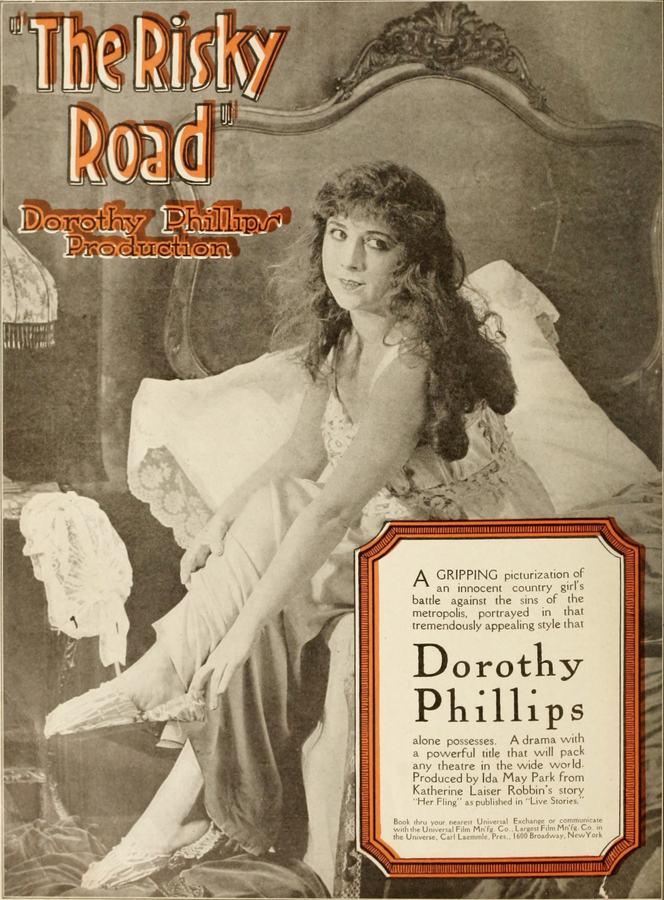
A definitive 5.5/10 rating for a film that redefined the boundaries of cult cinema. The Risky Road remains a cornerstone of transgressive art.
Stepping into the flickering glow of the silent era, one often finds narratives that, despite their age, resonate with an astonishing contemporary relevance. Such is the case with The Risky Road, a cinematic journey that, even without spoken dialogue, articulates the intricate dance between societal pressures, personal integrity, and the often-perilous pursuit of affection. This film, a testament to the storytelling prowess of its time, unfurls a tapestry woven with threads of economic desperation, class disparity, and the profound misunderstandings that can irrevocably alter human destinies. It’s a compelling exploration of moral compromise and the arduous path toward genuine connection, anchored by performances that transcend the limitations of their medium.
At the heart of this poignant drama lies Marjorie Helmer, portrayed with remarkable depth by the incomparable Dorothy Phillips. Marjorie is introduced as a woman of quiet dignity, a stenographer navigating the bustling, often unforgiving, urban landscape. Her chance encounter with Melville Kingston, a millionaire whose wealth affords him a certain detachment from conventional morality, sets in motion a chain of events that will test the very fabric of her being. Kingston, haunted by the specter of his brother Miles’s disastrous marriage, has cultivated a cynicism towards love and commitment, viewing relationships through a transactional lens. His initial offer to Marjorie is not one of romance, but of patronage – a thinly veiled attempt to exert control under the guise of benevolence. Marjorie, possessing an innate sense of self-worth, initially rebuffs his advances, her refusal a powerful declaration of independence in an era where women’s economic autonomy was often precarious.
However, the relentless grind of urban existence soon exacts its toll. The sudden loss of her job plunges Marjorie into a vortex of financial despair, leaving her vulnerable and desperate. It is a stark reminder of the harsh realities faced by working-class women of the period, where a single misstep or stroke of bad luck could lead to utter destitution. In a moment of profound vulnerability, she reconsiders Melville’s offer, but with a crucial caveat: she will accept his material support only if he treats her with the utmost respect. This stipulation is not merely a request; it is a desperate plea for her dignity to remain intact, a fragile shield against the encroaching shadows of societal judgment. Phillips’s portrayal here is particularly potent, conveying Marjorie’s internal struggle with an eloquent subtlety that belies the lack of spoken word, making her a figure of both tragic circumstance and quiet resilience.
The narrative deftly explores the treacherous terrain of miscommunication and rumor, a landscape where reputations can be shattered by a whisper. The introduction of a “Mrs. Kingston” into the narrative, actually Melville’s brother Miles’s beleaguered wife, becomes the catalyst for Marjorie’s profound disillusionment. She interprets these reports as irrefutable proof of Melville’s duplicity, confirming her worst fears about his character. This misunderstanding is a masterstroke of dramatic irony, plunging Marjorie into a state of despair that feels utterly earned. The audience, privy to the truth, watches helplessly as she makes a series of emotionally charged decisions based on incomplete information, a common tragic flaw in many human dramas. This element of mistaken identity also echoes in films like The Dividend, where characters often grapple with the consequences of obscured truths and hidden motives, though The Risky Road grounds its deception in romantic rather than financial intrigue.
In her heartbreak, Marjorie reaches out to Robert Grant, her old sweetheart, seeking solace and a return to a simpler, more honorable past. However, their reunion is anything but comforting. Robert, a man seemingly bound by conventional morality and perhaps a touch of possessiveness, arrives to find Marjorie in an opulent apartment, clad in lavish attire provided by Melville. His immediate assumption – fueled by societal prejudice and his own insecurities – is that Marjorie has fallen from grace, sacrificing her virtue for material gain. The ensuing confrontation is brutal, a visceral representation of the destructive power of judgment and the tragic chasm that can open between individuals when trust is eroded by appearances. Robert’s violent reaction is a chilling commentary on the double standards women often faced, where their circumstances were judged not by their intentions, but by superficial markers of wealth and perceived moral failing.
The film excels in its nuanced portrayal of Melville Kingston’s character arc. Initially presented as a cynical, almost predatory figure, his interactions with Marjorie slowly peel back the layers of his jaded exterior. Her unwavering insistence on respect, even in her moments of vulnerability, seems to chip away at his hardened heart. He is forced to confront the superficiality of his own worldview, to recognize that genuine connection transcends mere financial transactions. His journey from detached observer to committed lover is a central pillar of the narrative, demonstrating a capacity for personal growth that elevates the film beyond a simple melodramatic tale. This transformation is subtly conveyed through Edward Cecil’s performance, relying on facial expressions and body language to articulate a profound internal shift, a hallmark of compelling silent film acting.
The silent film era, often characterized by broad gestures, here finds its strength in the more understated moments. The direction, likely a collaborative effort given the typical studio system, skillfully uses visual cues to convey complex emotions. The contrast between Marjorie’s humble beginnings and her later lavish surroundings is not just a backdrop; it’s a character in itself, silently commenting on the societal pressures and temptations at play. The use of intertitles, far from being mere dialogue substitutes, are crafted to punctuate emotional beats and advance the plot with a poetic brevity, guiding the audience through the labyrinthine misunderstandings. The film’s pacing, while deliberate, builds tension effectively, particularly leading up to the climactic confrontation between Marjorie and Robert, and ultimately, Melville’s confession. This deliberate pacing and focus on emotional authenticity can be observed in other silent dramas of the period, such as The Eternal City, which similarly grappled with weighty moral dilemmas and personal redemption against a backdrop of grand societal narratives.
Writers Katherine Leiser Robbins and Ida May Park deserve commendation for crafting a narrative that, while rooted in the conventions of its time, manages to explore themes with surprising depth. They delve into the complexities of human motivation, the insidious nature of rumor, and the redemptive power of truth. The script avoids simplistic villainy, instead presenting characters who are products of their circumstances and societal expectations. Melville’s cynicism, while initially off-putting, is given a plausible origin in his brother’s marital woes, adding a layer of psychological realism. Marjorie’s choices, though seemingly compromising, are portrayed with empathy, highlighting the impossible situations women often found themselves in when faced with economic hardship. This nuanced approach to character development elevates The Risky Road beyond mere melodrama, solidifying its place as a thoughtful piece of social commentary.
The supporting cast, including Sally Starr, Edward Cecil (as Melville), Claire Du Brey, Joseph W. Girard, George Chesebro, Juanita Hansen, and William Stowell, contribute effectively to the film’s atmosphere. Claire Du Brey, likely as Miles’s wife, plays a crucial, albeit indirect, role in setting the misunderstanding in motion, her unseen presence casting a long shadow over Marjorie’s perception of Melville. Each actor, through their expressive gestures and carefully modulated performances, helps to build a believable world, allowing the audience to suspend disbelief and become fully immersed in the unfolding drama. The collective effort underscores the collaborative spirit that was so vital to the success of silent film production, where every visual cue and every subtle movement carried significant narrative weight.
Reflecting on The Risky Road through a contemporary lens, its exploration of class, gender roles, and the power of perception remains remarkably potent. The film serves as a historical document, offering insights into the social anxieties and moral codes of the early 20th century. Yet, its core themes — the struggle for dignity in the face of adversity, the corrosive effects of misunderstanding, and the transformative power of genuine affection — are universal and timeless. It reminds us that appearances can be deceiving, and true character often reveals itself not in prosperity, but in moments of profound crisis and vulnerability. The film implicitly critiques the societal structures that placed women like Marjorie in such precarious positions, forcing them to navigate a moral minefield simply to survive.
In an era brimming with cinematic experimentation, The Risky Road stands out not for groundbreaking special effects or avant-garde techniques, but for its solid storytelling and heartfelt performances. It’s a film that trusts its audience to interpret subtle cues, to connect with the raw emotions conveyed through silent artistry. It invites contemplation on the choices we make, the judgments we render, and the long, often circuitous path to understanding one another. The resolution, with Melville’s confession of love and desire for marriage, provides a satisfying, if somewhat conventional, closure, yet it feels earned through the crucible of misunderstanding and emotional growth endured by both protagonists. It’s a powerful statement about the triumph of authentic emotion over cynical pragmatism, a journey from calculated arrangement to heartfelt commitment.
Ultimately, The Risky Road is more than just a historical curiosity; it is a compelling human drama that speaks to the enduring complexities of relationships and societal pressures. It showcases the enduring power of silent film to convey profound narratives with grace and emotional resonance. For those interested in the evolution of cinematic storytelling, or simply in a compelling tale of love, deception, and eventual understanding, this film offers a richly rewarding experience. It reminds us that the human heart, no matter the era, navigates a landscape fraught with risks, but also capable of profound connection and redemption. This silent gem, with its intricate plot and powerful performances, continues to illuminate the timeless challenges of finding love and maintaining integrity on life's often treacherous journey. It’s a testament to the fact that some stories, told well, never truly fade, but rather gain new layers of meaning with each passing generation. A truly captivating watch, offering both historical insight and universal emotional appeal, it’s a film that deserves to be rediscovered and appreciated.
IMDb —
1921
Community
Log in to comment.