DbcultAccessing Vault...
6.8/10
Senior Film Conservator
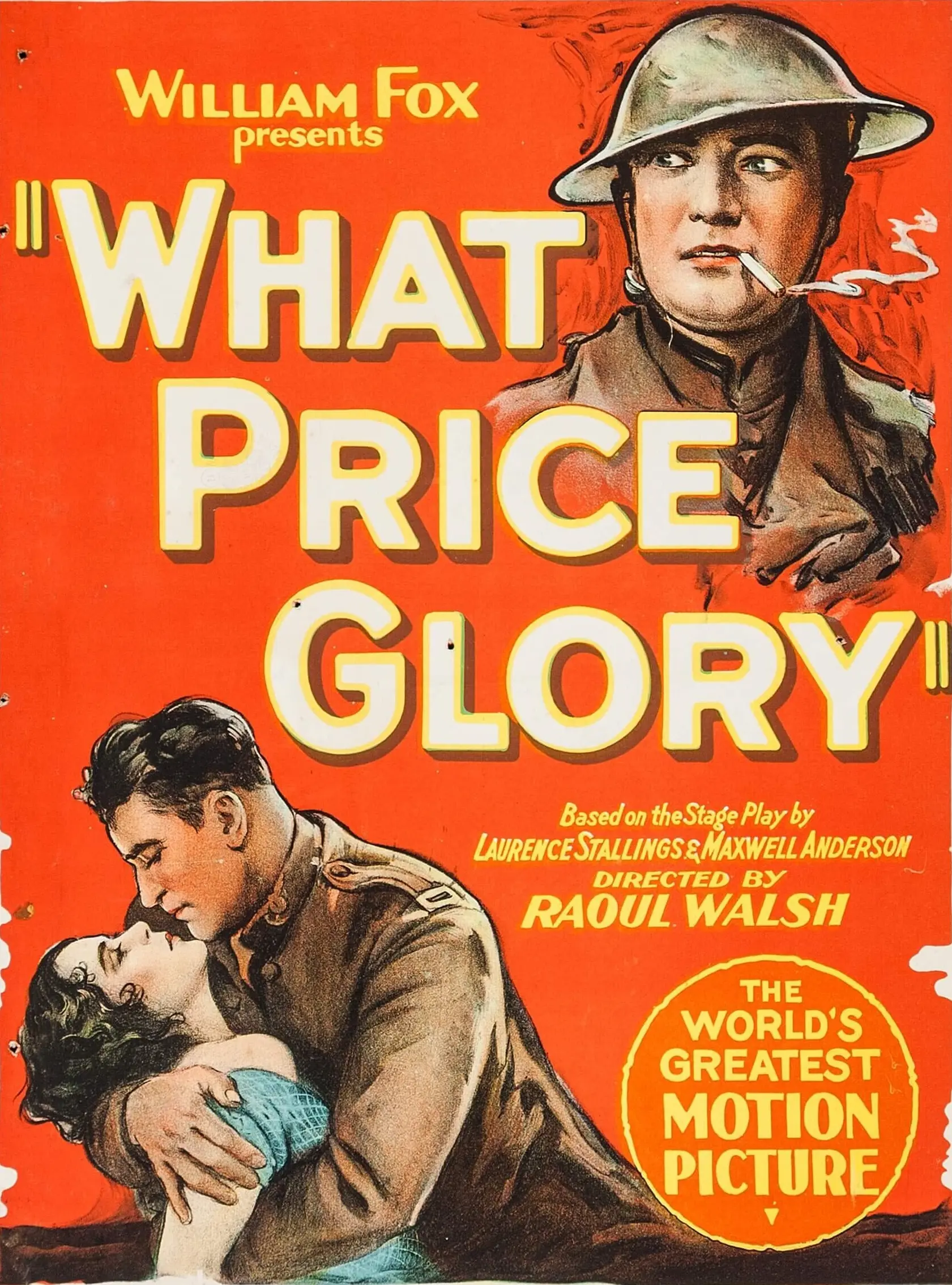
A definitive 6.8/10 rating for a film that redefined the boundaries of cult cinema. What Price Glory remains a cornerstone of transgressive art.
Is 'What Price Glory' worth watching today? Short answer: yes, absolutely, but with a critical eye for its historical context. This film is essential for cinephiles interested in early war cinema and the origins of the buddy-cop dynamic, but it might test the patience of viewers accustomed to modern narrative pacing and sensibilities.
Raoul Walsh’s 1926 adaptation of the stage play is more than just a historical artifact; it’s a visceral, often darkly humorous, exploration of men at war, stripped of the usual romantic veneer. It’s a film that demands engagement, not passive consumption.
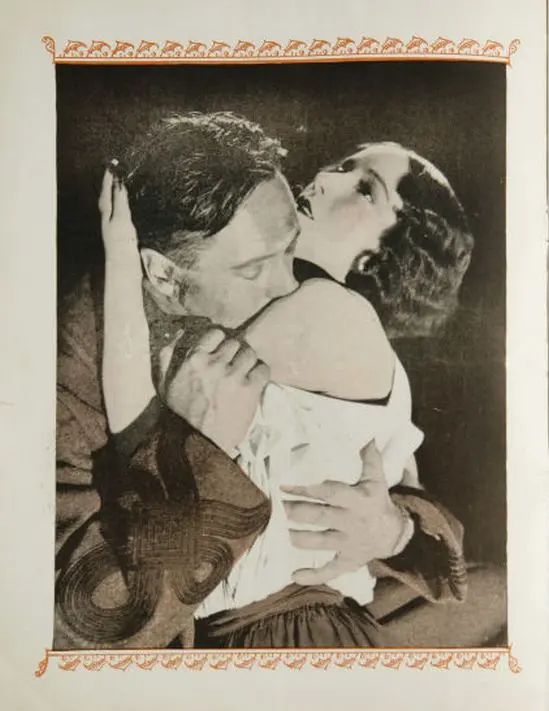
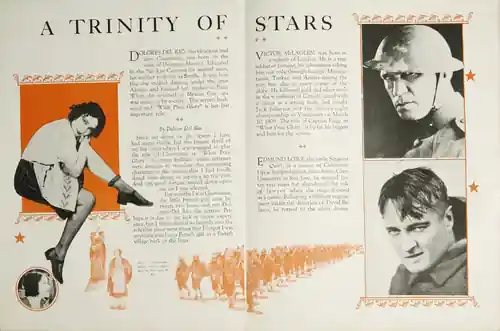
This film works because its raw, unromanticized depiction of soldiering and the electric chemistry between its leads, Victor McLaglen and Edmund Lowe, cut through the decades. Their performances are the bedrock, lending an authenticity that still resonates.
This film fails because its pacing can feel episodic, a direct hangover from its theatrical origins, and some of its comedic beats, particularly regarding female characters like Charmaine, haven't aged gracefully. They feel less like character development and more like plot devices.
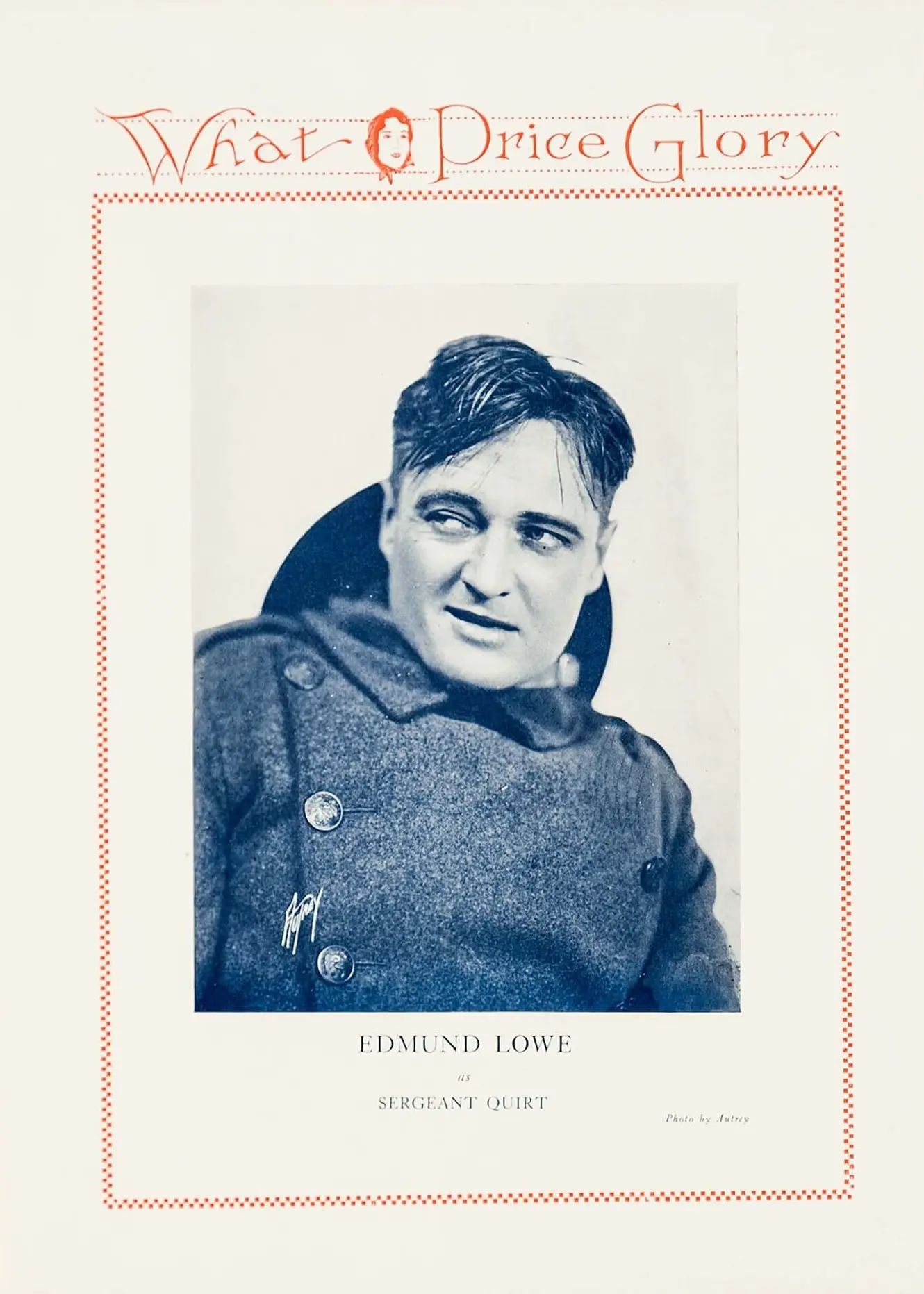
You should watch it if you appreciate the foundational texts of cinema, desire a gritty, character-driven war story, and are willing to engage with a film that challenges contemporary sensibilities while offering a window into a pivotal era of filmmaking.
At its core, What Price Glory is a saga of two men — Captain Flagg and Sergeant Quirt — whose lives are inextricably linked by a competitive spirit as fierce as any battlefield engagement. Their rivalry isn’t merely about women or rank; it’s a primal, almost brotherly struggle for dominance and recognition. In peacetime, this manifests as petty squabbles over local beauties in exotic locales like China and the Philippines. These early scenes, while brief, effectively establish the established dynamic: Flagg, the more composed but equally hot-headed officer, and Quirt, the rough-and-tumble, perpetually aggrieved subordinate.
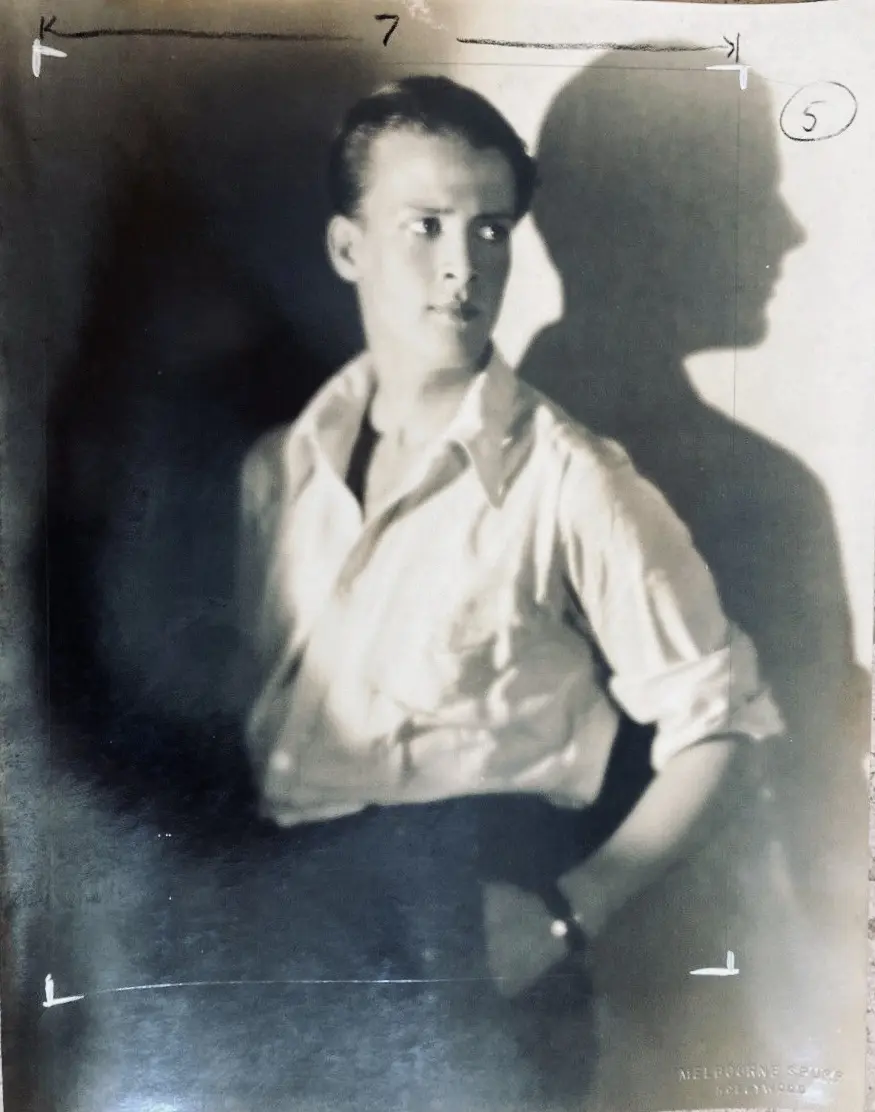
The genius of the narrative lies in how it transplants this personal feud onto the grand, horrific stage of World War I. Suddenly, their individualistic battles are dwarfed by the collective struggle for survival. France becomes the new arena, but the fundamental friction between them persists, even deep within the trenches. When Flagg, now a Captain, finds a fleeting solace in the arms of Charmaine, the vivacious inn-keeper's daughter, it’s not long before Quirt, with his characteristic disruptive timing, reappears to inject chaos into Flagg's brief reprieve. This isn’t simply a love triangle; it’s a continuation of their relentless, almost ritualistic, dance.
The film’s brilliance is in its subversion of expectations. The war, rather than extinguishing their rivalry, initially fuels it. Yet, as the shelling intensifies and the threat of a shotgun marriage looms over Flagg, a strange commonality emerges. The harsh realities of the front, coupled with the absurdities of civilian life, force these two antagonists into an uneasy, yet profoundly human, alliance. Their shared predicament becomes a catalyst, revealing the deep, unspoken bond that underlies their constant antagonism. It’s a compelling, often darkly comedic, exploration of male camaraderie under duress.
Raoul Walsh’s direction in What Price Glory stands as a testament to early cinematic realism. He eschews the heroic, sanitized depictions of war that often characterized films of the era, opting instead for a grittier, more chaotic portrayal of trench warfare. The film doesn't glorify combat; it illustrates its brutal, soul-crushing reality. Walsh’s camera lingers on the mud, the exhaustion etched onto soldiers’ faces, and the sheer, overwhelming disorder of the front lines.
One particularly striking sequence involves a nighttime advance through no-man's-land. The flickering flares, the sudden bursts of shellfire, and the desperate scramble of the Marines create an atmosphere of palpable tension and fear. There’s a distinct lack of sweeping, heroic shots; instead, Walsh grounds the audience in the intimate, terrifying experience of the individual soldier. This isn't a war of grand strategy, but of survival, moment by harrowing moment.
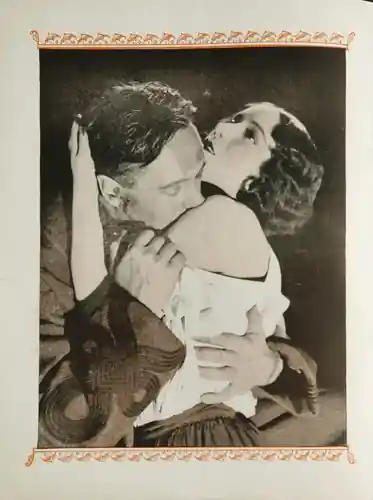
The cinematography, while constrained by the technology of its time, effectively conveys the bleakness of the French countryside transformed into a battlefield. Shadows are used to great effect, particularly in the cramped, claustrophobic trenches, enhancing the sense of dread and confinement. Walsh understands that the true horror of war isn’t just in the violence, but in the constant, gnawing anxiety. The contrast between the relatively lighthearted scenes of the men on leave and the sudden, jarring return to the front is expertly handled, underscoring the precariousness of their existence.
“It’s not about the glory. It’s about the price.”
This directorial choice to focus on the human cost, rather than jingoistic heroics, set a precedent for future war films and remains one of the film’s most powerful attributes. It's ugly. It's beautiful. It's war.
The heart and soul of What Price Glory undeniably lie in the powerhouse performances of Victor McLaglen as Captain Flagg and Edmund Lowe as Sergeant Quirt. Their on-screen chemistry is electric, a masterclass in physical comedy and dramatic sparring. McLaglen’s Flagg is a mountain of a man, capable of both booming authority and surprising vulnerability. His attempts to maintain military decorum while constantly being provoked by Quirt are a source of endless, genuine amusement.
Lowe’s Quirt, on the other hand, is the quintessential agitator – cunning, quick-witted, and perpetually ready for a fight or a frolic. He's the monkey wrench in Flagg's carefully constructed world. Their interactions, whether they're brawling in a bar or trading insults in the trenches, feel authentic and lived-in. One memorable scene sees them attempting to share a single bed, their oversized bodies comically struggling for space, a perfect visual metaphor for their entire relationship.
Mathilde Comont, as Charmaine, injects a lively, if somewhat one-dimensional, feminine presence into this masculine world. Her flirtatious, pragmatic portrayal of the inn-keeper’s daughter serves primarily as a catalyst for the men’s rivalry. While her character often feels
IMDb —
1916
Community
Log in to comment.