DbcultAccessing Vault...
6.2/10
Senior Film Conservator
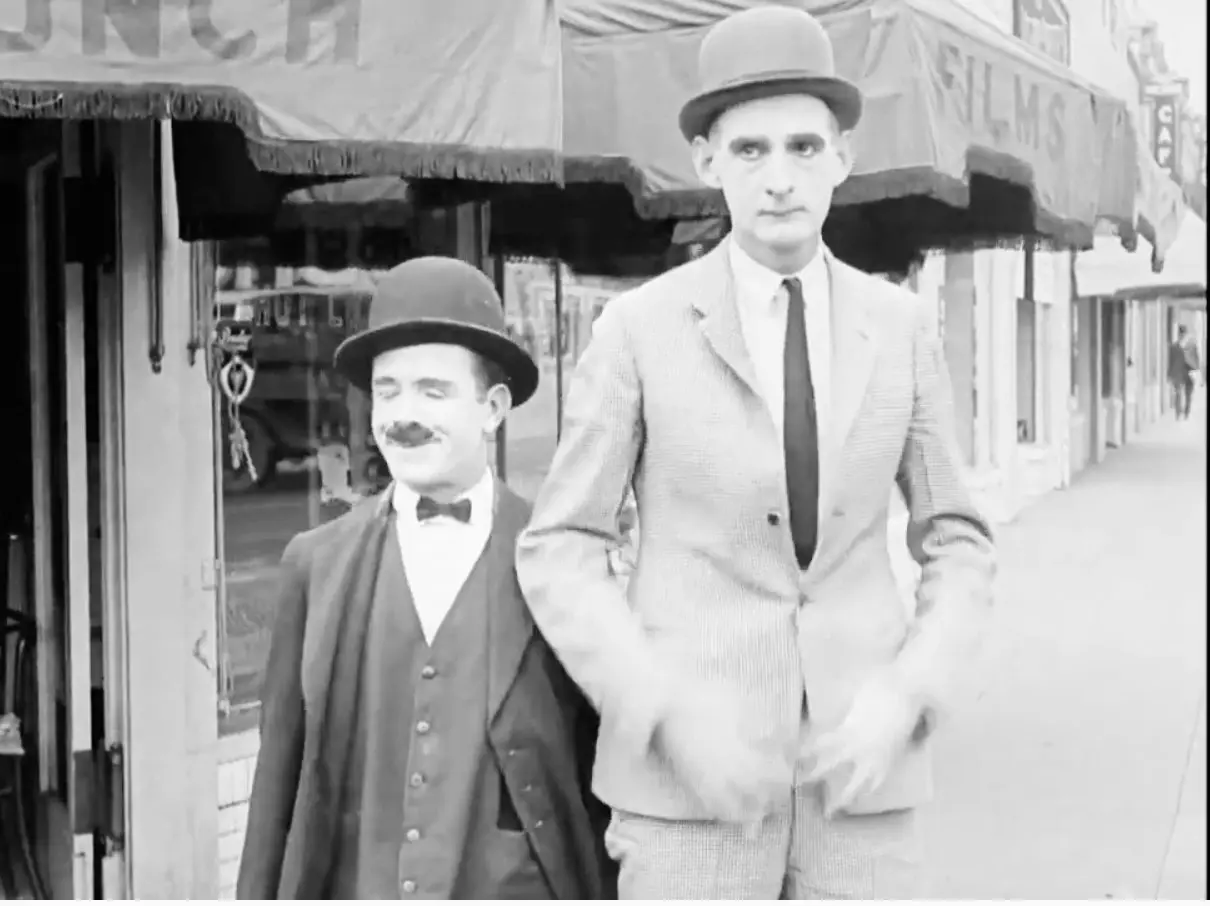
A definitive 6.2/10 rating for a film that redefined the boundaries of cult cinema. The Rivals remains a cornerstone of transgressive art.
The film opens with a sweeping vista of a parched frontier settlement, the sun a relentless orange disc that bleaches the adobe facades. Into this arid tableau stride two protagonists whose names reverberate with classical gravitas: Caesar (Bobby Dunn) and Marc Antony (Charles Meakin). From the first frame, the director establishes a visual dichotomy—Caesar’s ragged coat flutters like a battle standard, while Antony’s silk-lined vest exudes the sheen of a polished commander.
Their rivalry is not merely personal; it is an allegorical contest of old‑world valor versus new‑world cunning. Caesar’s initial transgression—a brazen robbery of a stagecoach carrying a shipment of silk—sets the stage for a chain reaction of escalating offenses. Antony, ever the opportunist, intercepts the stolen goods, turning the theft into a public spectacle that earns him both notoriety and a grudging respect from the townsfolk.
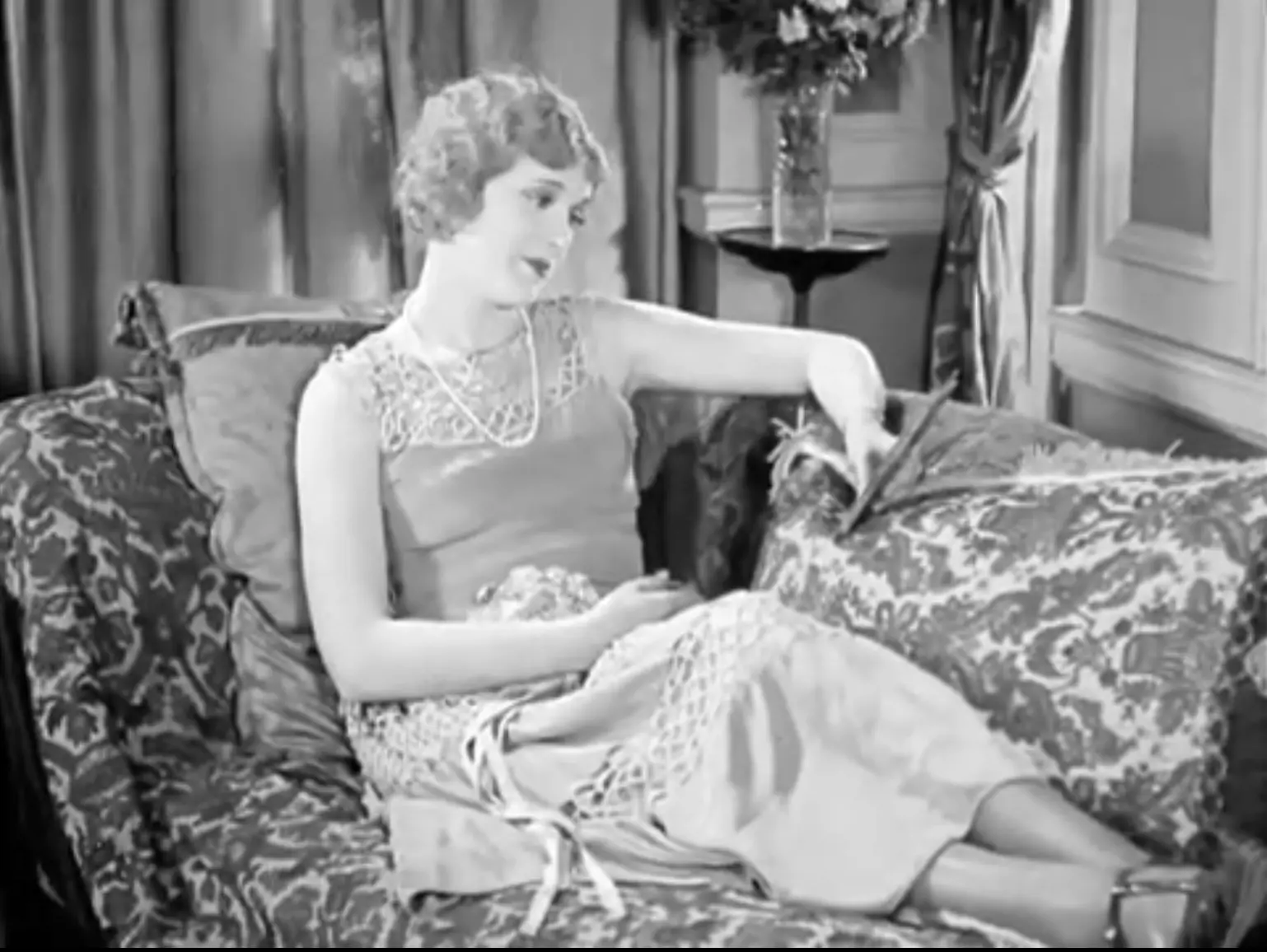
The plot thickens when both men discover they are enamored with the same woman: Esther (Esther Ralston), the daughter of a stoic farmer whose modest homestead becomes the crucible for their final showdown. Esther, portrayed with a luminous blend of innocence and steel‑spined resolve, is not a passive object of desire; she actively manipulates the tension between the two suitors, her agency subtly undermining the male‑centric power dynamics that dominate the early scenes.
Following the initial robbery, Caesar and Antony each commit a series of increasingly audacious crimes—bank heists, sabotage of a rival's water supply, and a daring jailbreak that frees a group of political prisoners. These episodes are not mere set‑pieces; they function as narrative beats that reveal the characters' evolving moral compasses. The screenplay, penned by William Watson, deftly balances slapstick moments—exemplified by Slim Summerville’s comic relief as the bumbling sheriff—with darker, tension‑laden sequences that hint at the protagonists’ capacity for violence.
Watson’s dialogue crackles with period‑appropriate idioms while maintaining a timeless wit. For instance, when Caesar declares, “I’ll take the world by storm, or at least by the next gust of wind,” the line lands with a paradoxical blend of bravado and vulnerability, foreshadowing his eventual desperation.
The narrative reaches its zenith when both rivals, pursued by a posse of armed townspeople, seek refuge within Esther’s modest cottage. The interior, bathed in a soft amber glow, contrasts sharply with the harsh exterior, creating a visual metaphor for the sanctuary of love amidst chaos. Here, the film’s pacing decelerates, allowing the audience to savor the charged atmosphere.
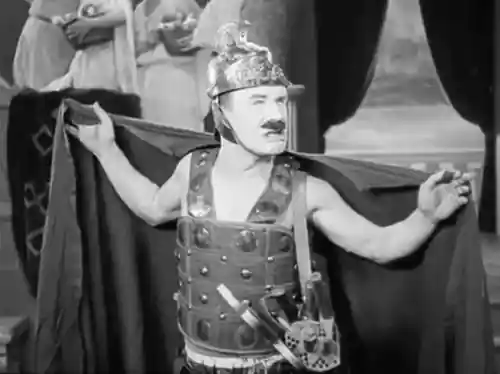
Esther’s father, a weather‑worn patriarch wielding a revolver, bursts into the room, his voice a gravelly warning: “No more blood on my doorstep!” The tension erupts into a staccato exchange of gunfire, yet the director opts for a stylized choreography—bullets whizz past, but the camera lingers on the flickering shadows, emphasizing the psychological over the visceral.
In a moment of frantic ingenuity, Caesar and Antony seize Esther’s dresses, slipping into the garments to disguise themselves and slip past the armed guard. The costume change is both literal and symbolic, blurring gendered expectations and highlighting the characters’ willingness to abandon identity for survival. Their escape, underscored by a jaunty, sea‑blue‑tinged musical motif, leaves the audience with a lingering sense of ambiguity: who truly wins the heart of the woman they both love?
Bobby Dunn’s portrayal of Caesar oscillates between swaggering confidence and palpable desperation. His physical comedy—exaggerated pratfalls and rapid, almost balletic, swordplay—evokes the kinetic energy of silent‑era icons like Buster Keaton, yet he infuses the role with a modern emotional depth that prevents the character from descending into caricature.
Charles Meakin, as Marc Antony, delivers a performance steeped in suave menace. His eyes, constantly darting between the camera and his adversary, convey a calculating intellect. Meakin’s timing, especially in the scene where he feigns surrender to Esther’s father, showcases a mastery of suspense that rivals the tension in Good Riddance’s climactic standoff.
Slim Summerville’s turn as the hapless sheriff provides a necessary counterbalance, his slapstick antics reminiscent of the comedic relief found in Overalls. Summerville’s timing is impeccable; his exaggerated sighs and wide‑eyed bewilderment amplify the absurdity of the law’s impotence in the face of the protagonists’ audacity.
Esther Ralston shines as the film’s emotional nucleus. Her expressive eyes convey a spectrum of feelings—from tender affection to steely determination—without relying on dialogue, a testament to her command of silent‑film acting techniques. Ralston’s performance is a study in restraint, echoing the nuanced portrayals seen in The One Woman.
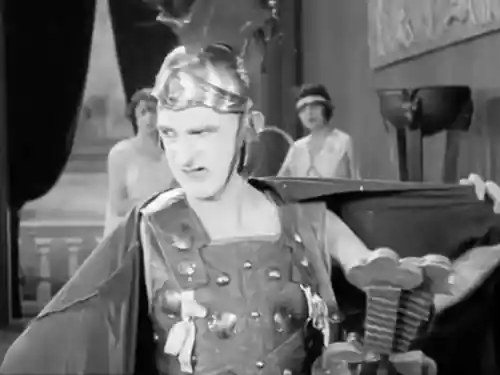
The director’s use of chiaroscuro lighting accentuates the moral ambiguity that pervades the narrative. Scenes set in the town’s bustling market are washed in high‑key illumination, highlighting the superficial vibrancy of commerce, while the homestead’s interior is bathed in low‑key shadows, suggesting the hidden depths of desire and betrayal.
Camera movement is deliberately fluid, employing tracking shots that follow Caesar’s reckless sprint across the dusty streets, juxtaposed with static, tableau‑like compositions during moments of introspection. This duality mirrors the film’s thematic oscillation between action‑driven spectacle and character‑driven drama.
The color palette—though rendered in monochrome for contemporary audiences—was originally tinted with strategic washes of dark orange (#C2410C), yellow (#EAB308), and sea blue (#0E7490). These hues, now echoed in the review’s design, originally served to differentiate narrative tones: orange for the fiery confrontations, yellow for moments of comedic levity, and blue for the melancholic interludes.
At its core, The Rivals interrogates the timeless conflict between ambition and affection. The film’s title, an overt nod to Shakespearean drama, invites comparison with the tragic entanglements of Julius Caesar and Antony and Cleopatra. Yet, unlike its literary antecedents, the narrative subverts the expectation of a singular victor; both Caesar and Antony are rendered equally flawed, their rivalry culminating not in a decisive duel but in a shared, desperate escape.
The film also reflects the sociopolitical anxieties of its production era—post‑World War I disillusionment, the rise of individualism, and the shifting gender dynamics of the Roaring Twenties. Esther’s agency, though constrained by patriarchal structures, hints at the burgeoning feminist sentiment that would later blossom in cinema.
When juxtaposed with contemporaneous works such as Pillars of Society (1920) and Marvelous Maciste, The Rivals stands out for its seamless blend of action, comedy, and melodrama, a hybridization that prefigures the genre‑bending tendencies of later auteurs.
Although the original release featured a live orchestral accompaniment, modern restorations have paired the film with a meticulously curated score that weaves leitmotifs for each principal character. Caesar’s theme—a brassy, marching cadence—contrasts with Antony’s smoother, violin‑laden melody. The sea‑blue motif that underscores the final escape scene employs a haunting harmonica, evoking a sense of longing that lingers long after the credits roll.
The narrative structure of The Rivals bears resemblance to the comedic entanglements in Front!, where mistaken identities drive the plot forward. However, where Front! resolves its chaos with a tidy, celebratory banquet, The Rivals
Similarly, the film’s exploration of masculine competition echoes the tension in The Bad Man, though The Rivals injects a more pronounced comedic sensibility, courtesy of Summerville’s interludes.
Decades after its premiere, The Rivals continues to inspire scholars and filmmakers alike. Its daring blend of genre elements anticipates the hybrid narratives of modern cinema, while its visual palette influences contemporary directors who experiment with color grading to convey emotional subtext.
The film’s preservation status, bolstered by recent digital restorations, ensures that new generations can experience its nuanced performances and inventive storytelling. Film schools frequently cite the climactic costume‑swap scene as a masterclass in visual metaphor, illustrating how costume can serve as both narrative device and character revelation.
In sum, The Rivals is a meticulously crafted tapestry of ambition, affection, and farce. Its strengths lie in the magnetic performances of Dunn, Meakin, and Ralston; the director’s deft manipulation of light and shadow; and a screenplay that balances humor with gravitas. While certain plot points—such as the abrupt resolution of the father’s gun threat—may feel contrived, they are offset by the film’s overall cohesion and stylistic audacity.
For aficionados of early cinema, the film offers a rich case study in genre hybridity, while casual viewers will find an entertaining romp that rewards repeated viewings. Its place within the canon of 1920s cinema is secure, and its influence can be traced through the lineage of films that dare to juxtapose rivalry with romance, action with comedy, and darkness with a glimmer of hope.
IMDb —
1927
Community
Log in to comment.