DbcultAccessing Vault...
Cult Review
Senior Film Conservator
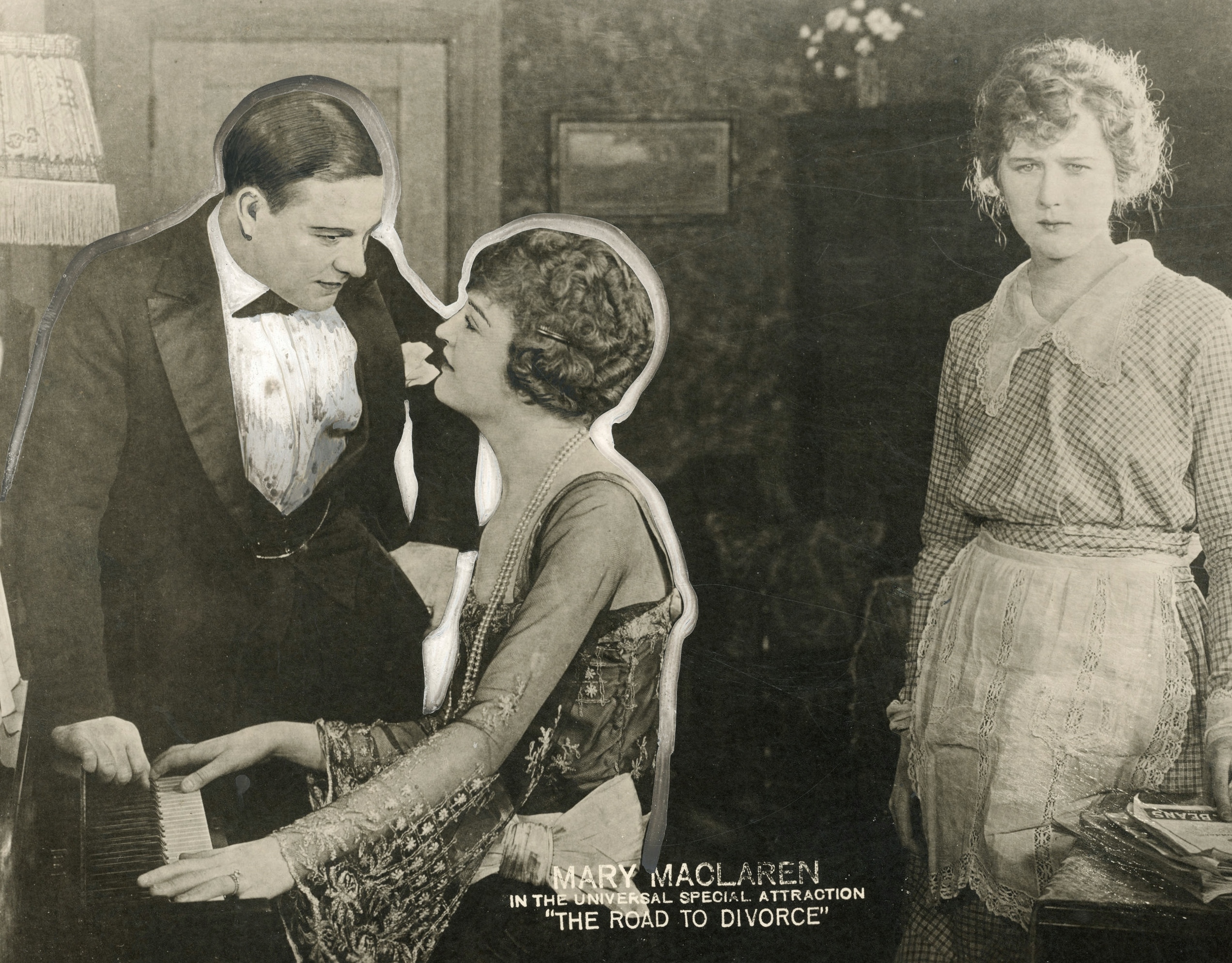
In the pantheon of silent-era domestic dramas, few films capture the slow, agonizing rot of matrimonial complacency with as much earnestness as The Road to Divorce (1920). Directed with a steady hand and written by the prolific J. Grubb Alexander, this film serves as a fascinating cultural artifact, reflecting the anxieties of a post-Victorian society grappling with the shifting roles of women within the domestic sphere. It is a film that doesn't just depict a marriage in crisis; it dissects the very architecture of expectation and the precarious nature of romantic loyalty when faced with the mundane realities of child-rearing.
The narrative arc of The Road to Divorce is deceptively simple, yet its emotional resonance is amplified by the nuanced performances of its lead cast. Mary MacLaren, an actress of remarkable expressive depth, portrays Mary Bird with a vulnerability that avoids the pitfalls of mere melodrama. Unlike her more spirited turn in The Wine Girl, MacLaren here embodies a woman whose identity is being slowly subsumed by the demands of her children. The film opens with a luminous depiction of her early marriage to Myron Sharpe, played by William Ellingford with a mix of boyish charm and burgeoning entitlement. Their life in a small New England town is presented as a cinematic tableau of peace, a visual language of stability that the audience knows is destined to be disrupted.
The central conflict arises not from a grand betrayal, but from the accumulation of small, daily neglects. As Mary’s attention shifts from her husband to their children, the film utilizes clever visual cues to signify Myron’s growing isolation. While Mary is depicted in soft lighting, often surrounded by the chaotic energy of her brood, Myron is frequently framed in solitary spaces, his face etched with a mounting sense of being an interloper in his own home. This theme of parental displacement is a recurring motif in silent cinema, often explored in works like The Prince Chap, where the introduction of a child fundamentally alters the romantic equilibrium.
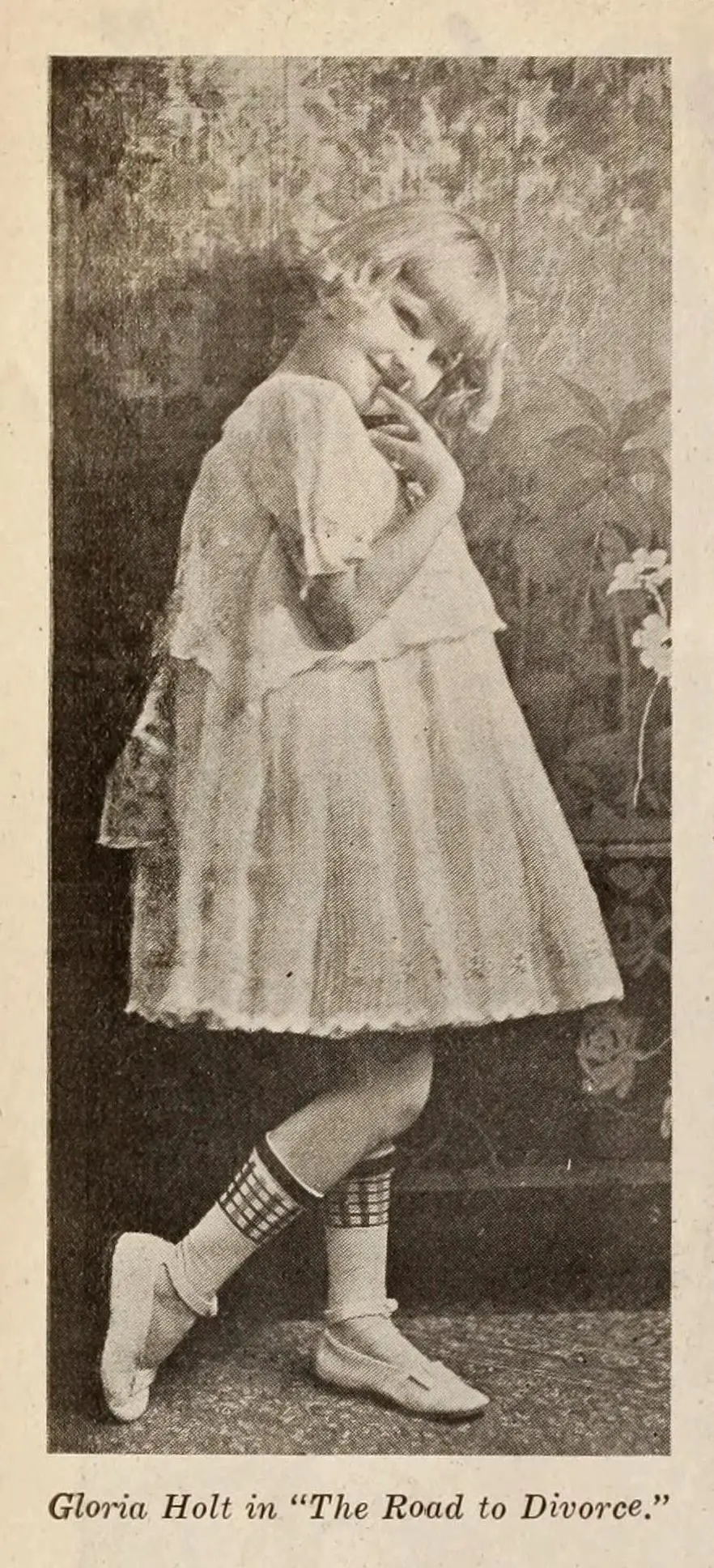
The arrival of Pauline Dallas, played with a sharp, modern edge by Helen Davidge, introduces the necessary friction to propel the plot into the realm of the scandalous. Pauline represents the 'New Woman' of the 1920s—unencumbered, stylish, and possessing a chic appearance that stands in stark opposition to Mary’s functional, maternal attire. The film uses Pauline as a mirror for Myron’s vanity. In her presence, he sees the man he believes he still is, rather than the secondary figure he feels he has become at home. This dynamic is reminiscent of the social tensions found in A Perfect Lady, where appearances and social standing dictate the terms of romantic viability.
"The Road to Divorce is a cautionary tale that suggests the greatest threat to a marriage isn't a sudden storm, but the slow erosion of the self in the service of the family."
The climax of the film shifts from the domestic interior to the turbulent waters of the Atlantic. When Mary is lost during a boating excursion in a sudden storm, the film transitions from a drawing-room drama to a survivalist epic. The storm is, of course, a heavy-handed but effective metaphor for the emotional tempest that has been brewing within the Sharpe household. The cinematography during these sequences is surprisingly visceral for 1920, capturing the terrifying anonymity of the sea. It evokes the atmospheric tension found in Out of the Drifts, where the natural world serves as a crucible for human morality.
Myron’s reaction to Mary’s disappearance is the film's emotional heartbeat. William Ellingford masterfully conveys the transition from callous indifference to soul-crushing regret. The realization that his wife is potentially dead forces him to confront the superficiality of his attraction to Pauline. In the face of ultimate loss, the 'chic appearance' that once captivated him becomes an empty husk. This trope of redemption through tragedy is a staple of early 20th-century storytelling, much like the moral reckonings seen in A Man's Making or the heavy-handed justice of Common Clay.
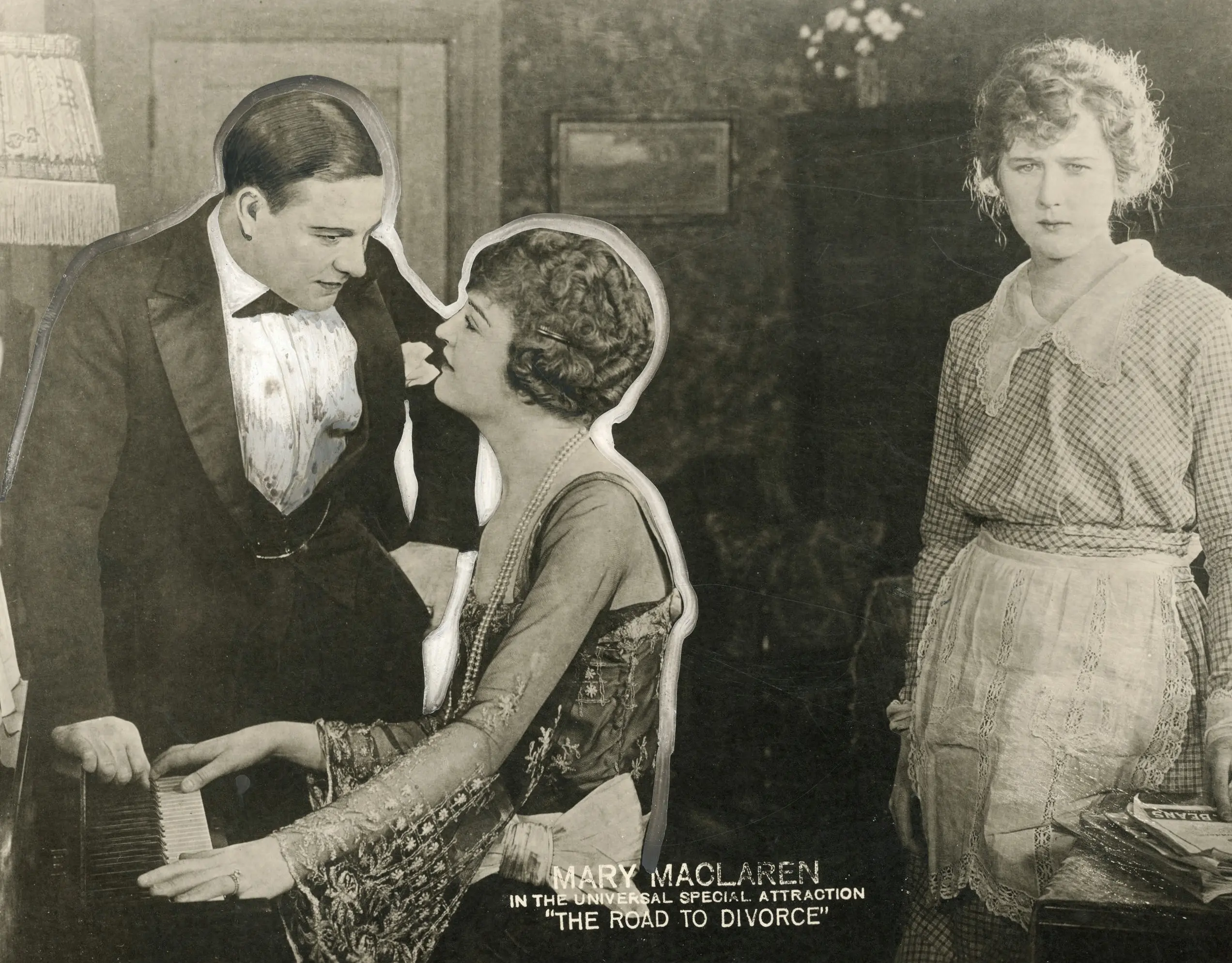
When we compare The Road to Divorce to other contemporary works, its focus on the 'motherhood vs. wifehood' dichotomy feels particularly pointed. While Amarilly of Clothes-Line Alley deals with class mobility and romance, The Road to Divorce is purely internal, focusing on the psychological decay of a seemingly perfect middle-class life. It lacks the adventurous spirit of She, but it replaces that scale with an intimacy that is often more unsettling. The film shares a certain DNA with Mary Lawson's Secret, specifically in how domestic secrets and unvoiced frustrations can lead to a breaking point.
Furthermore, the film’s resolution—a miraculous rescue and a tearful reconciliation—might feel overly convenient to modern audiences, but within the context of 1920, it was a necessary affirmation of the family unit. In an era where divorce was becoming a more visible social reality, films like this served as a cultural anchor, warning against the 'road' mentioned in the title. It echoes the sentiment of Silent Strength, where the preservation of the home is seen as the ultimate moral victory, regardless of the personal cost.
The screenplay by J. Grubb Alexander is notable for its economy of language in the intertitles. Alexander understands that in a silent film, the visual must lead the narrative. The dialogue is sparse, used only to punctuate moments of high emotional stakes. This allows the audience to focus on the nuanced physical acting of the ensemble, including supporting turns by Edward Peil Sr. and Eugenie Forde. The pacing is deliberate, allowing the tension to simmer before the explosive third act. It’s a far cry from the episodic nature of something like Beatrice Fairfax Episode 7: A Name for a Baby, opting instead for a cohesive, feature-length exploration of a single thematic thread.
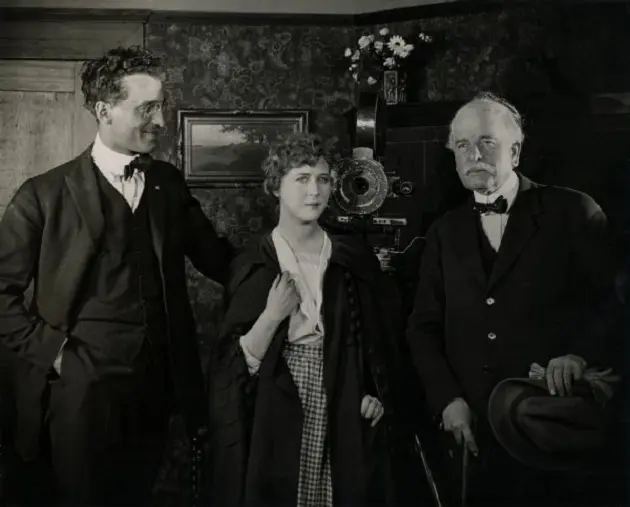
Technically, the film benefits from the lighting techniques of the era, using shadows to emphasize the growing distance between Myron and Mary. The interior of their home, initially bright and airy, becomes increasingly claustrophobic as the marriage nears its breaking point. This use of space to mirror internal states is a hallmark of sophisticated silent cinema, a technique also prevalent in The Rack. The contrast between the rigid, safe structures of the town and the wild, unpredictable nature of the sea is a masterclass in visual storytelling.
While The Road to Divorce may be viewed by some as a relic of a bygone era with outdated views on gender roles, it remains a compelling watch for its raw emotional honesty. Mary MacLaren’s performance alone justifies its place in the history of cinema. She captures the exhaustion of the 'unprotected' woman—not unprotected from physical harm, as seen in Unprotected, but unprotected from the emotional abandonment of a spouse. The film challenges us to consider what we owe to our partners and what we owe to ourselves, a question that remains as relevant today as it was in 1920.
In the end, the film suggests that reconciliation is possible only when we are willing to see past our own selfish desires. Myron’s journey from vanity to empathy is a difficult one, and while the film offers a happy ending, there is a lingering sense that the road they have traveled has left permanent scars. It is a work of significant lexical and emotional diversity, a testament to the power of silent film to convey complex human truths without the need for a single spoken word. For fans of early cinema, The Road to Divorce is an essential viewing experience, a bridge between the Victorian moral plays of the past and the more psychologically complex dramas of the coming decade, much like The Silent Man or A Pistol-Point Proposal.
IMDb 7.2
1935
Community
Log in to comment.