Summary
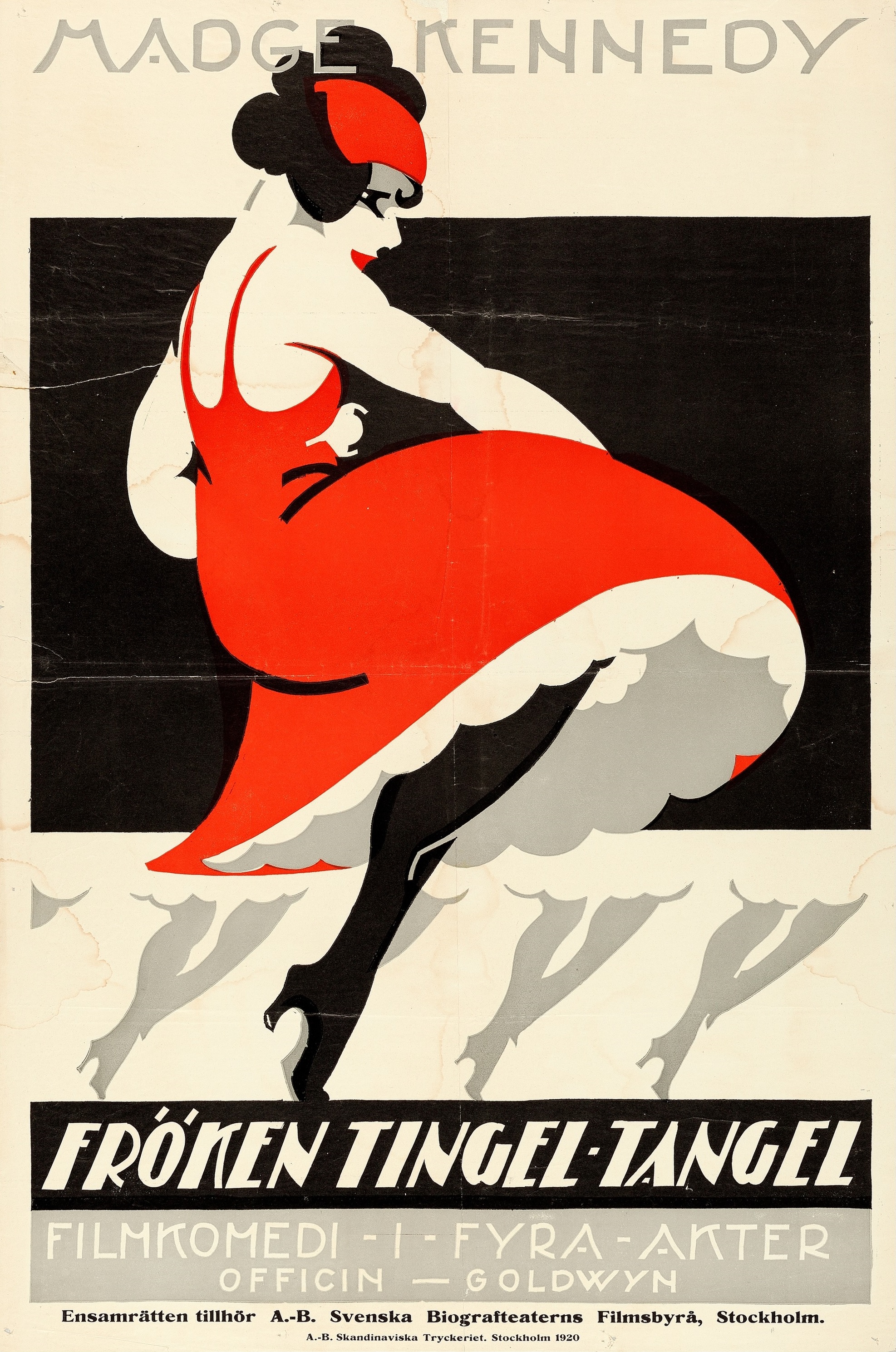
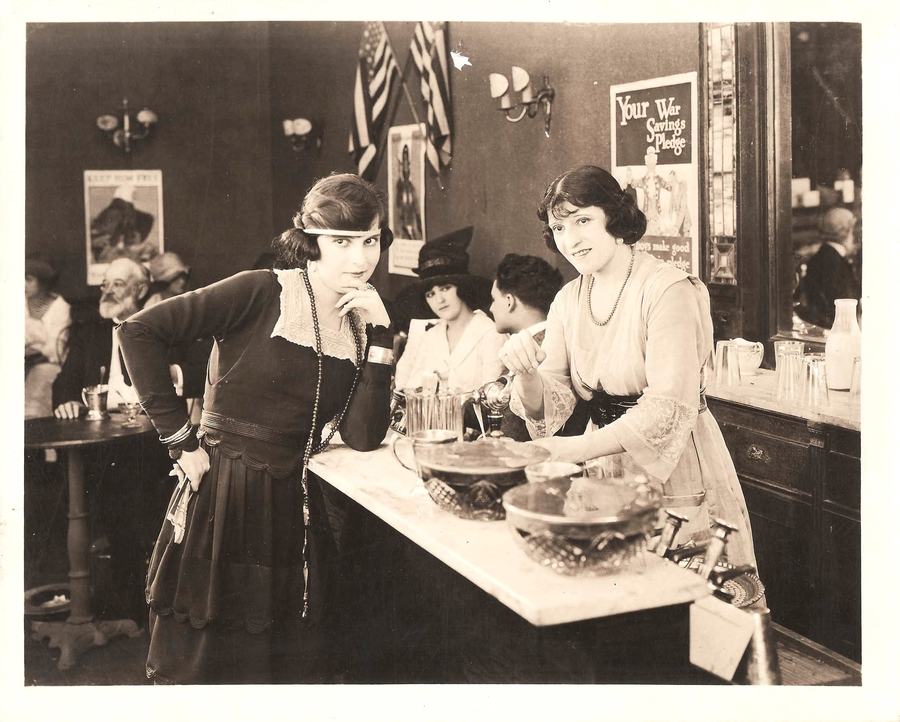
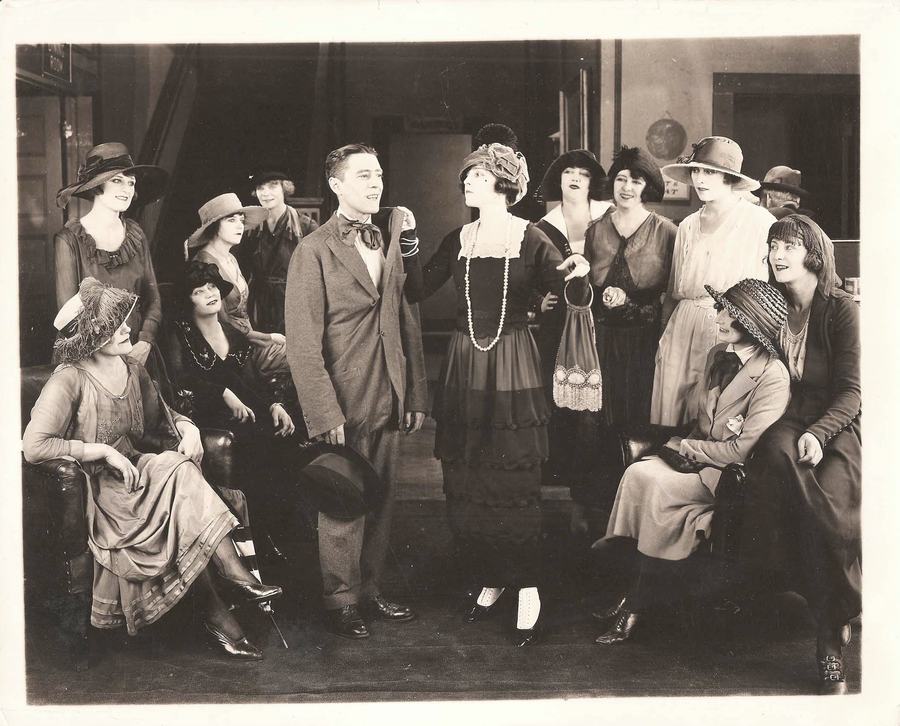
In a sepia-toned hamlet where even the church bells blush, a sequin-spangled tempest named Désirée—part bacchanal, part confessional—struts off the midnight train with hips that spell out blasphemy in cursive. She rents the abandoned opera house, once a granary of guilt, and re-stitches its velvet gloom into a lantern of forbidden skin; every drumroll becomes a heartbeat the town elders never admitted they possessed. Deacon Thorpe, he of the lantern jaw and genealogical ledger of sins, campaigns to have her tarred, feathered, and freighted back to Babylon, but his crusade is quietly sabotaged by his own son, Cyril—lapsed seminarian, closet caricaturist—who sketches the dancer’s ankles in the margins of Leviticus and discovers, to his tremor, that the graphite won’t stop moaning. Meanwhile, the mayor’s epileptic wife, Mrs. Cordelia Gray, commissions a private midnight show, hoping the tassels might hypnotize her seizures into choreography; instead, she awakens to find her corset unlaced by her own dormant laughter, a sound so foreign it shatters the parlor mirror and releases her husband’s reflection, finally free to ogle without sanctimony. Across the square, the town’s only Negro widow, Opaline Jefferson, sells peach pies whose steam carries the scent of buried jazz; she trades a slice for a ticket, and the dancer, tasting molasses and sorrow, choreographs a solo that ends with Opaline’s deceased husband’s pocket watch ticking between her teeth—time reclaimed, reparations pirouette. When the Ku Klux temperance league marches with kerosene and scripture, Désirée ascends the opera roof, drapes herself in the town’s original 1861 Union flag—moth-eaten, blood-specked—and performs the first striptease of Reconstruction: each shed garment lands upon a torch, snuffing it with a hiss that sounds suspiciously like forgiveness. By dawn the courthouse windows are fogged with condensation from collective exhalation; verdicts dissolve, hymnal pages reassemble into paper cranes, and the statue of the town’s founding prude sports a feather boa of irreverent pink. Our heroine boards the same train at noon, now wearing Deacon Thorpe’s starched collar as a bracelet, while Cyril, sketchbook under arm, follows her into the vestibule of whatever next wilderness requires illumination. The final shot: the opera house curtains billow open to an empty house where Opaline’s pies cool on the piano, a single bite missing from every slice—proof that the town, at last, knows how to take, how to taste, how to swallow its own longing without choking.
A burlesque dancer overcomes the puritanism of a repressed small town.
Review Excerpt
"
The first time we see May McAvoy’s Désirée Valéry—ankle-deep in locomotive soot, skirt hiked to reveal a garter stitched from discarded theater tickets—she is already mid-laugh at the cosmic joke of American modesty. The camera, timid as a deacon’s wife, cranes upward rather than pan, as though the lens itself fears scandal. Yet within that single oblique frame, director Walter Law inscribes the entire thesis of A Perfect Lady: repression is merely desire wearing a starched collar backward to ..."