DbcultAccessing Vault...
6.8/10
Senior Film Conservator
A definitive 6.8/10 rating for a film that redefined the boundaries of cult cinema. The Rosary remains a cornerstone of transgressive art.
Alright, let’s talk about The Rosary. If you’re a die-hard fan of films from the early 1930s, the kind who genuinely enjoys seeing how cinema was figuring itself out, then yeah, you might find something here. It’s a bit of a time capsule. But for anyone used to even slightly modern pacing or clear sound? You’ll probably be checking your watch, or just… confused. Not for everyone, no. 🤷♀️
This movie feels like someone just pointed a camera at a stage play. And then they forgot to move it much. The camera just sits there, really. You get a lot of full shots of people talking, which is fine, but it makes everything feel so static.
The sound quality, oh boy. It’s a *trip*. One minute, Irene Rooke is murmuring something and you’re leaning in, straining to catch it. The next, a door slams off-screen and it’s like a thunderclap in your living room. Seriously, the mixing is all over the place. 🔊
Irene Rooke, though, she has this intense stare. Even when her character Vera isn’t saying much, her eyes are just… working overtime. You can almost feel the weight of whatever secret she’s carrying just by watching her face. She really tries to sell it.
There’s this one scene, pretty early on, where Vera is just sitting by a window. It goes on for what feels like a solid minute and a half. Just her. Looking out. You can almost feel the movie trying to convince you this moment matters. And maybe it does, for the time. But now, it’s a long stretch of silence.
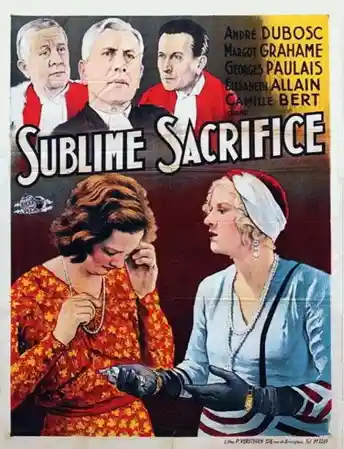
Margot Grahame, as the younger, more spirited character, brings a bit of spark. Her energy is a nice contrast to the more somber mood. She moves around the set a little more, which is refreshing. Her expressions are a bit exaggerated, but that’s pretty standard for the era, right?
The plot itself is pure melodrama. A woman with a secret past, a lost love, societal expectations… you know the drill. It’s all very earnest. And sometimes, a little *too* earnest. You can almost hear the violins swelling in the background even when there aren’t any.
One thing that really stuck with me: there’s a moment where a character, I think it was Charles Groves, is trying to comfort someone. He just pats their shoulder, really awkwardly. And then his hand just kind of… hovers there for a second too long. It felt so genuinely uncomfortable, like a real person who has no idea how to console someone. It was a very human touch in a very stiff movie. 😂
The sets are what you’d expect. Lots of ornate furniture, heavy drapes. Everything looks a bit too clean, a bit too perfect, like it’s waiting for the next act of a play. There isn’t a lot of depth to them, which makes sense, but it does make the world feel a little small.
And the rosary itself? It doesn’t actually feature as prominently as the title suggests. It’s more of a symbolic thing, a reminder of faith or perhaps a burden. It pops up, then fades, then pops up again. Like an old friend who keeps dropping by without much warning.
The pacing is definitely the biggest hurdle here. Everything feels drawn out. Conversations linger. Reaction shots hold. It's a slow, deliberate crawl. You gotta be in the mood for it, that’s for sure. If you’re looking for a quick watch, maybe try Pay Day (1922) instead, it's short and sweet.
All in all, The Rosary is a fascinating glimpse into early sound cinema. It’s clunky, a little awkward, and definitely shows its age. But if you can look past the technical limitations, there’s a certain charm to its old-fashioned drama. Just don’t expect any explosions or fast-paced chases. This is more of a quiet, emotional struggle. With a lot of very loud doors. 🚪
IMDb —
1919
Community
Log in to comment.