DbcultAccessing Vault...
Cult Review
Senior Film Conservator
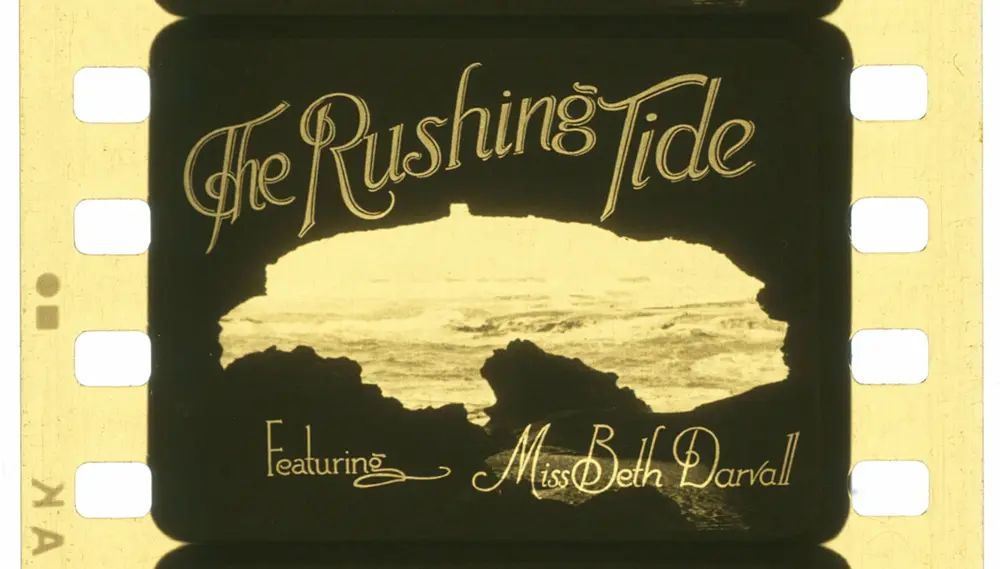
Short answer: yes, but only if you are a dedicated student of early 20th-century melodrama or an enthusiast for the birth of Australian bush realism. This isn't a casual Friday night watch for the modern blockbuster fan; it is a slow-burn relic that demands patience and a willingness to look past the technical limitations of 1926.
This film is for the cinephile who finds beauty in the grain of old celluloid and the exaggerated gestures of the silent era. It is definitely not for anyone who requires fast-paced editing, high-definition clarity, or a narrative that doesn't lean heavily on 19th-century moral tropes.
1) This film works because it captures an authentic sense of place that few contemporary films can replicate without the crutch of CGI.
2) This film fails because the pacing in the second act feels like wading through knee-deep mud, stalling the momentum built by the opening scenes.
3) You should watch it if you want to see the roots of Australian cinematic identity and how filmmakers like Norman Dawn used the landscape as a primary character.
The story of The Rushing Tide is built on the bones of traditional melodrama. We have the stoic hero, the vulnerable but resilient heroine, and the looming threat of social ruin. However, what elevates this from being just another generic silent film is the way it integrates the Australian environment. The timber industry and the coastal setting aren't just backdrops; they are active participants in the drama. Unlike the more urban-focused dramas of the time, such as The Misfit Wife, this film feels grounded in the dirt and the spray of the ocean.
Godfrey Cass delivers a performance that is surprisingly restrained for the period. While many of his contemporaries were still leaning into the theatrical overacting that defined the early 1920s, Cass uses his eyes to convey a sense of weary resignation. There is a specific scene where he stands on the cliffside, looking out at the incoming tide, where his posture says more about his internal conflict than any title card could. It’s a moment of quiet brilliance that keeps the film from descending into pure camp.
The writing, while credited to the era's standard tropes, manages to weave in themes of class and belonging that feel strangely modern. There is a subtext of the 'outsider' trying to integrate into a closed-off community, a theme we see handled with perhaps more sophistication in Painted People, but here it feels more visceral because the stakes are tied to physical survival in a harsh landscape.
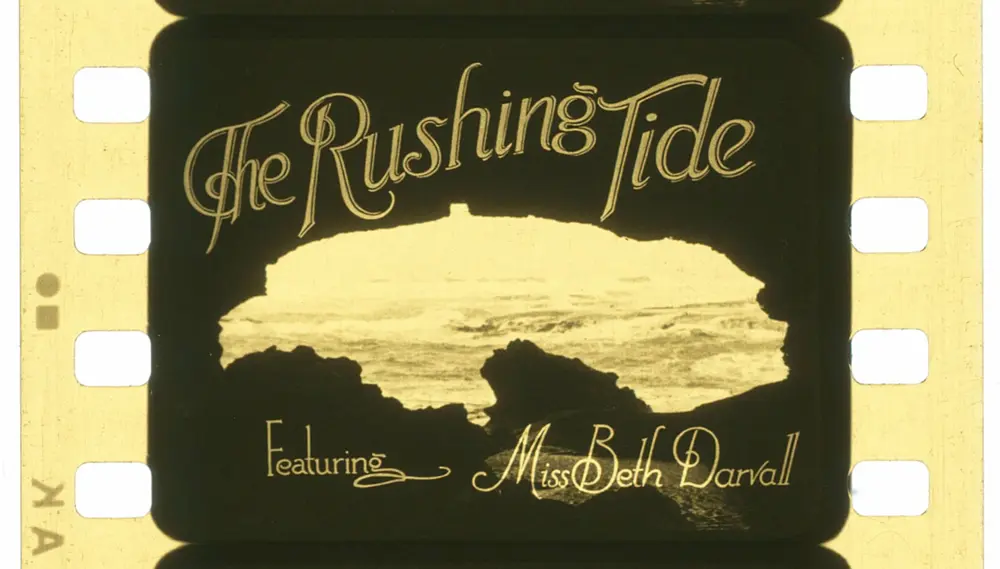
Visually, the film is a fascinating experiment. Norman Dawn, known for his technical innovations, uses the camera to create a sense of scale that was ambitious for its time. The way the light hits the water during the climactic sequence is genuinely impressive, even by today's standards. It lacks the expressionistic flair of European imports like Lord Saviles brott, but it replaces that stylization with a raw, documentary-like quality that feels uniquely Australian.
However, we must address the pacing. The Rushing Tide is, frankly, a bit of a slog in its middle section. The film spends an inordinate amount of time on subplots that don't quite pay off, making the 1926 runtime feel twice as long. It’s a common issue in films from this period, where the transition from short subjects to features often resulted in 'padding' the narrative. Compared to the tighter structure of a film like The Rat's Knuckles, The Rushing Tide feels like it’s constantly fighting to keep its head above water.
The cinematography by the uncredited cameramen (likely under Dawn's heavy supervision) utilizes natural light in a way that creates a stark, high-contrast look. The shadows in the timber mills are deep and oppressive, mirroring the psychological state of Beth Darvall’s character as she navigates a world dominated by men and their grudges. It’s a visual choice that works. But it’s flawed. The lack of varied camera angles can sometimes lead to a static feeling that bores the modern eye.
If you are looking for a historical artifact that showcases the ambition of early Australian cinema, then yes, The Rushing Tide is essential viewing. It provides a window into the cultural anxieties of the mid-20s, specifically the tension between the rugged rural identity and the encroaching modernity of the cities. However, if you are looking for a film with a tight, engaging plot that holds up to modern standards of storytelling, you might find it more frustrating than rewarding.
The film succeeds as a piece of visual history but struggles as a compelling narrative. It is a cinematic bridge between the primitive shorts of the early 1900s and the more polished features that would emerge in the 1930s. It lacks the sheer entertainment value of something like Sahara, but it possesses a grit that is undeniably its own.
Pros:
The performances, particularly from Godfrey Cass, are grounded and effective. The film captures a vanished era of Australian life with incredible detail. The technical ambition of the outdoor sequences is commendable given the equipment of the time.
Cons:
The narrative is repetitive and often stalls. The title cards are sometimes overly expository, leaving little to the imagination. The restoration quality varies, making some scenes difficult to parse for the uninitiated.
Iris Roderick and Norman Lee provide the necessary romantic tension, but it often feels secondary to the environment. Lee, in particular, feels a bit too 'staged' in his movements, a stark contrast to Cass’s more naturalistic approach. In many ways, the film feels like a battle between two different styles of acting: the old-school pantomime and a new, more cinematic realism. This clash is most evident in the scenes between the younger cast and the veterans like Eardley Turner.
Turner brings a gravitas to the role that reminds one of the heavy hitters in The Scarlet Oath. He understands the weight of the moment. He doesn't just play the character; he inhabits the space. When he is on screen, the film feels more substantial. When he isn't, the energy tends to dip into the melodramatic tropes that make modern audiences roll their eyes.
One surprising observation is the film's treatment of its female characters. While Beth Darvall’s role starts in a traditional 'damsel' space, she is given moments of agency that feel ahead of their time. She isn't just waiting to be saved; she is actively negotiating her place in this harsh world. It’s a subtle shift, but one that makes the film far more interesting than a standard 'rescue' plot like Someone Must Pay.
The Rushing Tide is a flawed, slow, but ultimately significant piece of cinema. It isn't a masterpiece, and it doesn't try to be. It is a work of transition. It shows a film industry trying to find its voice in a world dominated by American and European imports. It’s better than Go Easy but falls short of the technical mastery found in Hit-the-Trail Holliday. It is a film that demands your attention but doesn't always reward it. If you can handle the drag, the final sequence is a powerful reminder of why we still watch these old ghosts today. It works. But it’s flawed. And that’s exactly why it’s worth discussing.
IMDb —
1922
Community
Log in to comment.