DbcultAccessing Vault...
6.8/10
Senior Film Conservator
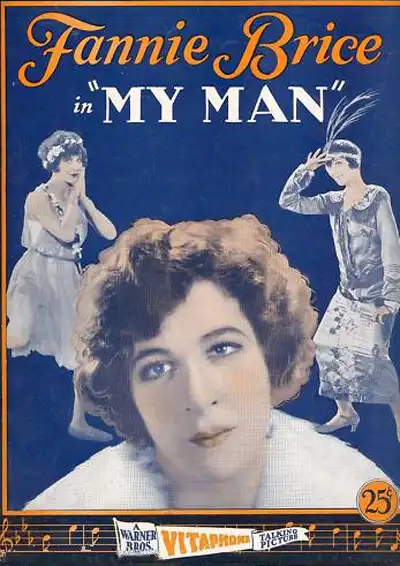
A definitive 6.8/10 rating for a film that redefined the boundaries of cult cinema. My Man remains a cornerstone of transgressive art.
So, "My Man." It's one of those films that just exists, right? A mailman, a quiet life, then bam, something happens. That’s the whole pitch, essentially. And for a movie from that era, sometimes that’s all you get, plot-wise. You watch it less for the intricate twists and more for the feeling it tries to give you.
The first reel or two, it’s mostly just watching this guy go about his route. Delivering letters. Up a porch, down the steps. You get a real sense of the routine. The same houses, the same gate that squeaks. It actually goes on for a bit, maybe a touch too long if you’re not used to older films. But it does _really_ establish his world. This man, he's content. Or so we think. There's a particular shot of him sorting mail, just the way his hands move, very precise. It tells you a lot about his orderly life, even without a single word.
Edna Murphy, she’s got this presence, even in these early films. Her eyes often tell more than any title card ever could. There’s a scene, a quick one, where she just glances at the mailman as he passes her house. She's sitting on her porch, knitting, and her eyes follow him for just a second too long. It's almost nothing, a blink-and-you-miss-it, but it makes you wonder. What’s her deal? What's she thinking? That little moment stuck with me. Is she admiring him? Pitying him? You never quite know, and that's part of its charm.
Then comes the "unexpected." And honestly, it’s not some grand, world-shattering event you might expect from a Hollywood blockbuster. It’s more personal, more intimate. A situation, let’s say, that forces our mailman to really look at his own life, maybe for the first time. The film doesn't spell it out like a modern movie would. There's no dramatic monologue. Instead, it relies on these subtle reactions, on the way a character might pause in the middle of a street, or how their shoulders might slump a little bit more than usual. It’s all very subtle, sometimes almost *too* subtle. You really gotta lean in to catch it.
I found myself really paying attention to the faces in the crowd scenes. Not just the main players. There’s one shot, where the mailman walks through a busy street after this 'thing' happens. Everyone around him is just going about their day, chatting, laughing, oblivious to the shift in his world. But he’s clearly carrying a weight, a new burden. It’s a nice touch, that contrast between his internal turmoil and the bustling indifference of the city. 🌎 It makes you feel for him, you know?
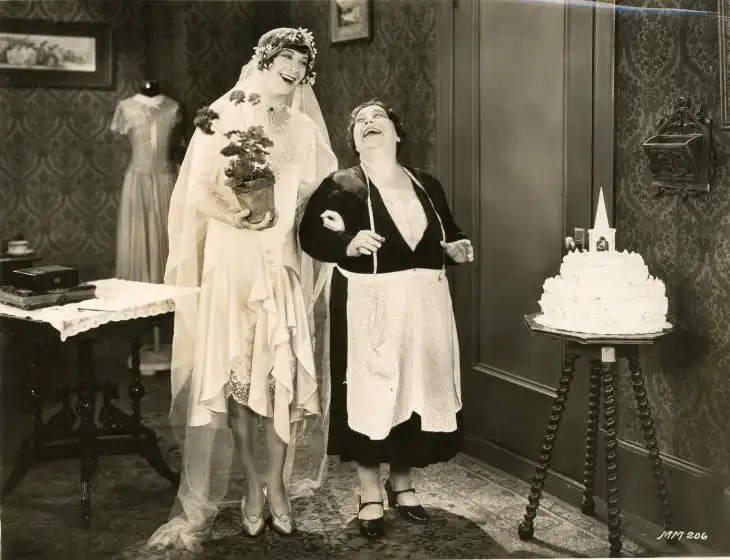
Fanny Brice, she pops up, and her energy is just *different*. She lights up the screen, even in a role that isn't her usual showstopper. You can almost feel the film trying to give her a moment, a spot to shine. There’s this one bit, a quick exchange, maybe just a nod and a smile, and you just know it's her. She brings a certain sparkle that really stands out against the film's more somber tones. It's like a sudden burst of sunshine in a slightly cloudy day, a reminder that life still has its lighter moments. Her character, she seemed to be the only one truly *living* in her scenes, everyone else just… existed.
Arthur Hoyt, too, he’s got a way of making even small roles feel important. There’s a scene where he's just observing. He doesn't say much – well, *none* of them "say" much, it's silent film after all – but his expression conveys a lot. You can read his concern, his curiosity, even a hint of something conspiratorial maybe? It’s good acting, really. He's got these little eye movements that just add layers to a scene that would otherwise be just two people standing there.
The visual storytelling is what makes it. The way shadows fall in a particular hallway, or how the rain suddenly starts during a moment of distress. They use these simple tricks, but they work. You can almost feel the chill in the air, or the gloom settling over the mailman's spirit. It's not flashy, not at all, but it is effective. The cinematographer, or whoever made these choices, knew what they were doing with light and dark.
The film's strength, if you ask me, isn't the big event. It's in those quiet moments. The way the camera sometimes just holds on a character's face, letting you sit with their emotions. The feeling of a small town, or a busy street, even a specific alleyway that just feels *right*. It transports you, in a way. You feel the grit, the everyday. 💌 It’s not about spectacle; it’s about empathy for this one guy.
The ending felt a little... abrupt. Like they ran out of film, or an idea, or maybe the budget just ended. It doesn’t wrap everything up neatly, which, for some, might be frustrating. You’re left with questions, with loose ends. But it also means you’re left thinking about it. What happens next for this mailman? Does he really change, or does he just go back to his route, but with a new, heavier perspective? I kinda like that it lets you fill in some of the blanks. It doesn’
IMDb 5.2
1917
Community
Log in to comment.