DbcultAccessing Vault...
6.6/10
Senior Film Conservator
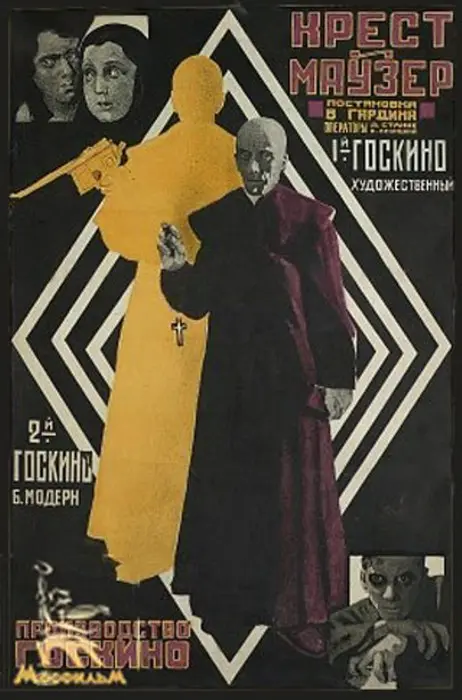
A definitive 6.6/10 rating for a film that redefined the boundaries of cult cinema. Krest i mauzer remains a cornerstone of transgressive art.
Set in the shadow of societal collapse, Krest i mauzer is a poignant exploration of resilience and faith. The film opens in one of Russia's western towns, where a monastery serves as both sanctuary and witness to the unfolding drama. Orphan Yulka, a young woman of indomitable spirit, is seen tending to her flock of sheep, a solitary figure amidst the chaos that lurks just beyond the monastery walls. Her life is forever changed when she is visited by the enigmatic Jerome, a shepherd whose presence carries an air of mystery and a hint of purpose.
Their encounter is both fateful and inevitable, leading to a momentous event that will reverberate through the film. Yulka, in a state of unwed and unprepared motherhood, gives birth to a child in the confines of the monastery. This act, simple yet profound, becomes the linchpin of the narrative, tying together the threads of their lives and the broader tapestry of Russian society on the brink of revolution.
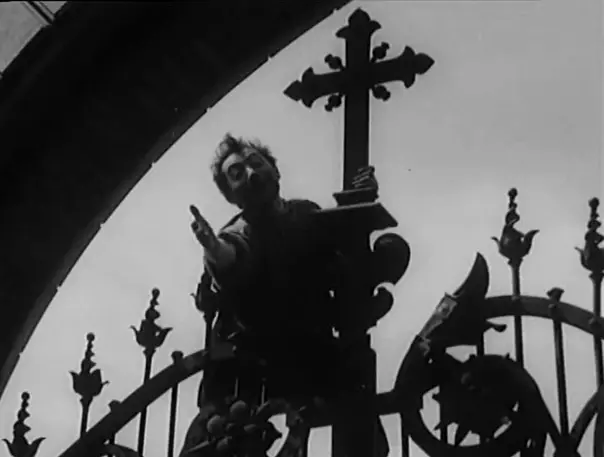
Yulka's character is a testament to the human spirit's indomitable nature. Despite her circumstances, she remains resolute, drawing strength from her faith and the support of the other characters within the monastery. Her journey is one of emotional and spiritual growth, as she navigates the complexities of motherhood, the responsibilities that come with it, and the challenges of living in a time of great change.
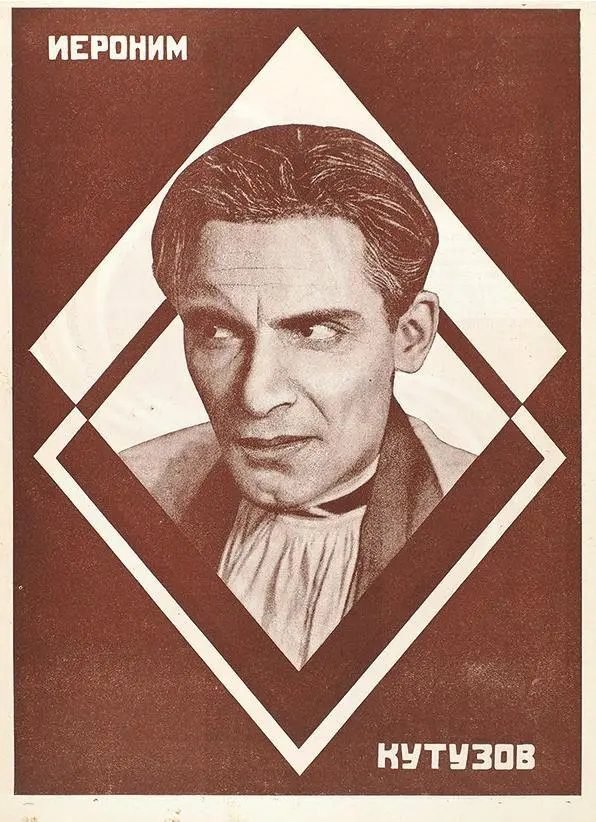
Jerome, on the other hand, brings a layer of ambiguity and enigma to the narrative. His reasons for coming to the monastery are shrouded in mystery, and his relationship with Yulka is complex and multifaceted. He is a figure of both guidance and mystery, offering Yulka a glimpse of a future that is both uncertain and potentially transformative. This duality in his character adds depth and complexity to the plot, inviting viewers to question the nature of his presence and his ultimate motivations.
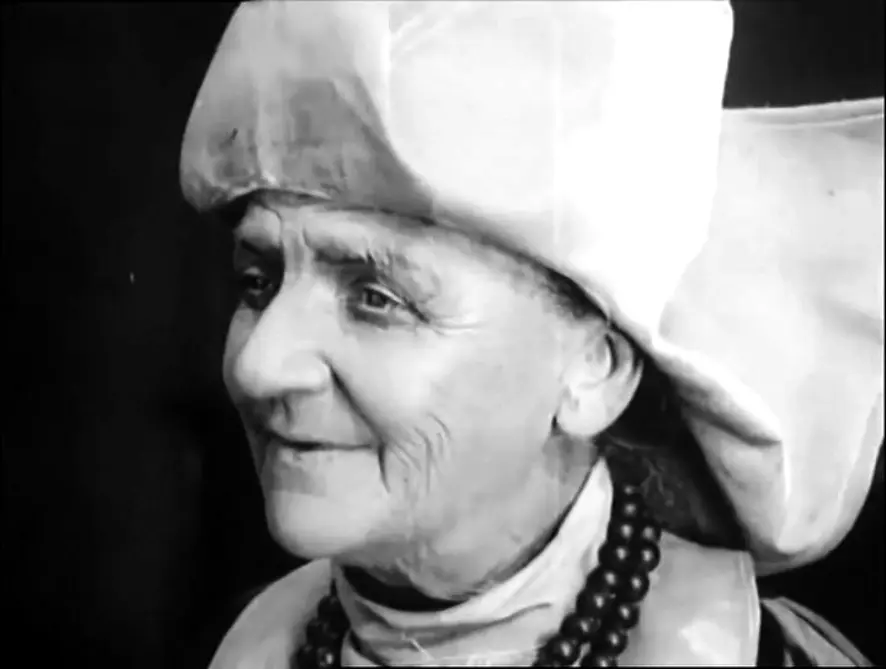
The supporting cast of Krest i mauzer is equally compelling, each bringing their unique strengths to the story. Nina Li and T. Sinitsina deliver powerful performances as Yulka and the other women in the monastery, capturing the essence of their characters' resilience and determination. The male cast, including Alexey Pirogov and Pyotr Savin, add vital layers of character development, their roles critical in supporting the central narrative and providing emotional depth.
Lev Nikulin, as the writer and director, masterfully crafts a film that is both a tribute to the resilience of the human spirit and a nuanced exploration of the social and political upheaval that defined the era. His direction is meticulous, with a keen eye for detail that brings the early 20th-century Russia to life. The cinematography, by [unspecified but vital], captures the stark beauty of the rural landscape and the emotional intensity of the scenes within the monastery walls. The score, by [unspecified but integral], complements the film's somber yet hopeful tone, enhancing the emotional impact of pivotal moments.
The film's setting is a crucial element in its narrative. The monastery, with its austere beauty and the palpable sense of community, serves as both a refuge for the characters and a microcosm of the larger societal changes occurring outside its walls. The contrast between the sanctuary of the monastery and the chaos that surrounds it is a powerful visual and emotional device, highlighting the characters' individual struggles against the backdrop of a larger historical narrative.
Themes of faith, survival, and the unyielding human spirit are central to Krest i mauzer. These themes are explored through the characters' interactions, their personal journeys, and the broader historical context. Yulka's unwavering faith in God and her commitment to providing for her child, despite the odds, are emblematic of the broader narrative's exploration of resilience in the face of adversity.
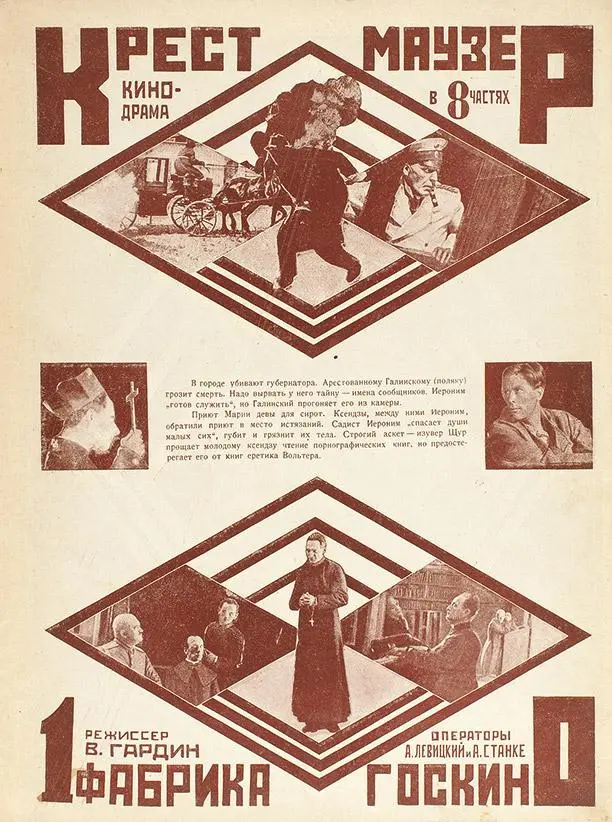
Comparatively, the film shares thematic and stylistic similarities with works such as Days of Daring, which also delves into the human experience during times of political turmoil. However, Krest i mauzer excels in its intimate portrayal of individual stories within the larger historical narrative. It is a film that requires the viewer's full attention and engagement, rewarding those who immerse themselves in its world with a rich and compelling story.
Technically, the film is a standout. The performances are nuanced and deeply felt, with the actors effectively conveying the emotional weight of their characters' journeys. The direction, particularly in its handling of intimate scenes and the emotional core of the narrative, is particularly noteworthy. The use of natural light and the stark landscapes of the rural setting serve to enhance the film's sense of realism and immersion.
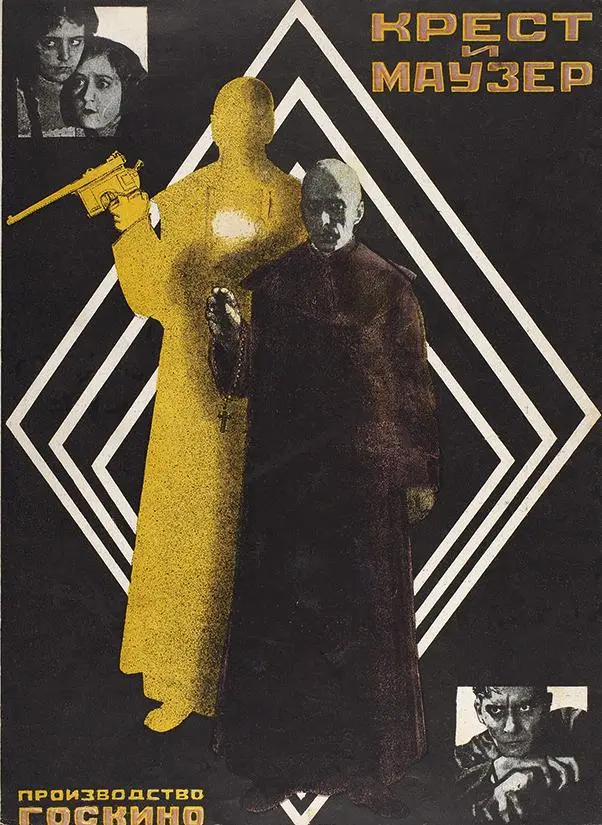
While Krest i mauzer is a serious and sometimes somber film, it does not shy away from moments of levity and warmth. These moments, often found in the interactions between the characters and the daily routines of life within the monastery, provide vital balance and add to the film's emotional depth. The humor, when it does appear, is subtle and adds to the overall sense of authenticity.
In conclusion, Krest i mauzer is a film that deeply resonates with its audience, offering a rich and nuanced exploration of the human experience during a pivotal moment in history. It is a testament to the power of storytelling and the enduring human spirit, providing viewers with a deeply moving and thought-provoking cinematic experience.
The performances, direction, and technical aspects of the film come together to create a powerful and evocative work. It is a film that will resonate with those who appreciate the complexity of human emotions and the resilience of the human spirit. Whether viewed as a historical drama or a character study, Krest i mauzer stands as a significant contribution to the art of cinema, offering a profound and moving exploration of one of the most tumultuous periods in Russian history.
IMDb 5.5
1928
Community
Log in to comment.