DbcultAccessing Vault...
5.6/10
Senior Film Conservator
A definitive 5.6/10 rating for a film that redefined the boundaries of cult cinema. Fireman Save My Child remains a cornerstone of transgressive art.
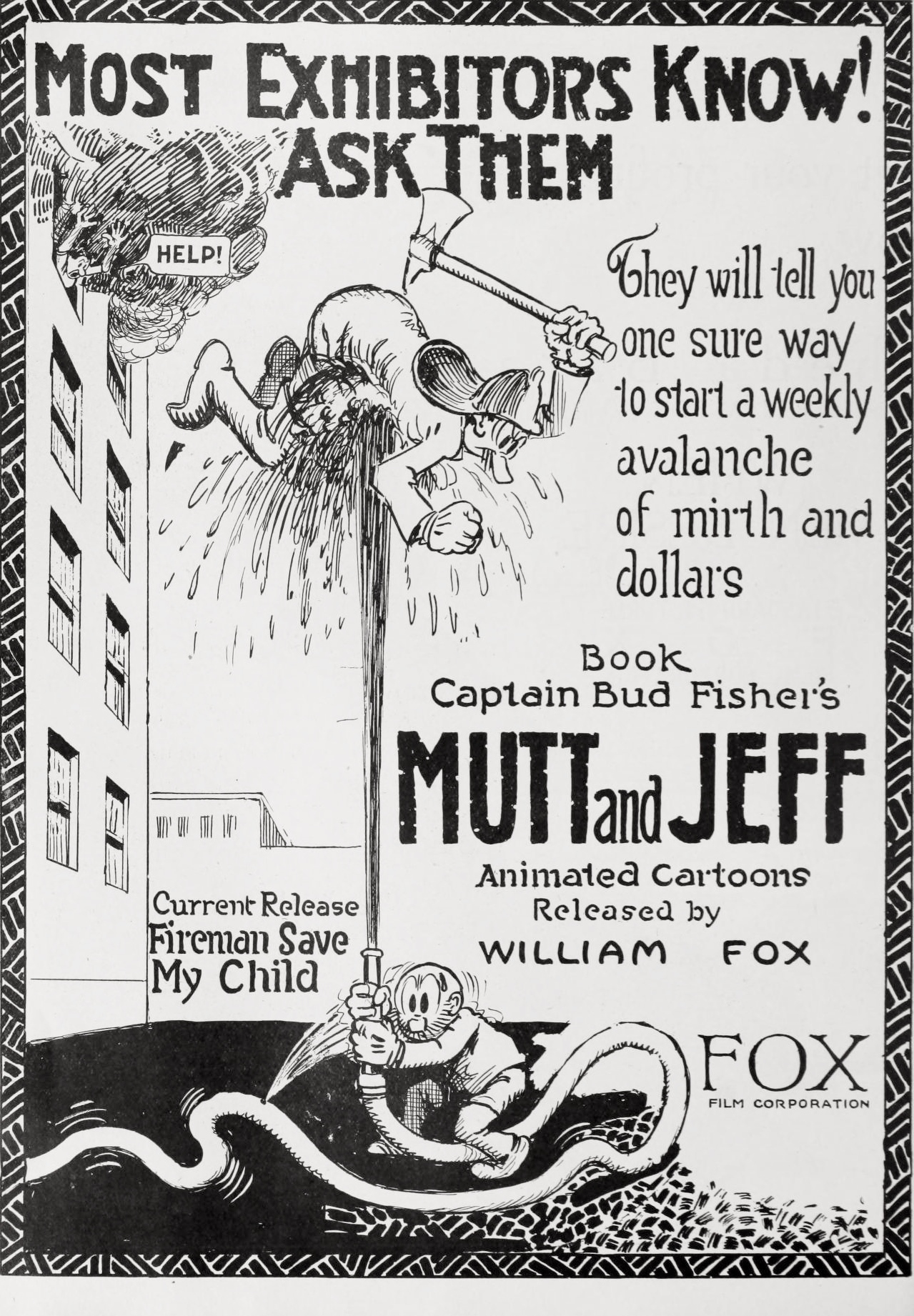
When the modest firehouse run by the eccentric brothers Mutt and Jeff is thrust onto the national stage, the film Fireman Save My Child does more than simply stage a rescue; it paints a portrait of frantic heroism laced with absurdist humor. The premise—two under‑qualified firefighters scrambling up a multi‑storey blaze to retrieve a baby—might appear formulaic, yet the screenplay, penned by Bud Fisher, subverts expectations at every turn.
Mutt, the self‑appointed sentinel of smoke, embodies a dog‑ged conviction that every wisp of gray portends disaster. His mantra, "where there’s smoke, there’s fire," becomes a double‑edged sword, propelling the duo into a preliminary skirmish that feels almost comical in hindsight. Jeff, by contrast, is the reluctant engineer, the quiet hand that fashions a ladder from discarded hoses, a contraption that teeters on the brink of ingenuity and sheer madness. Their dynamic oscillates between slapstick banter and genuine camaraderie, a balance that keeps the audience tethered to their plight.
The residential tower is not merely a backdrop; it assumes the role of an antagonistic entity, its charred skeleton breathing menace through every creaking beam. As the fire spreads, the interior morphs into a claustrophobic maze, each floor a new theater of peril. The cinematography captures the orange‑hued inferno against the stark blackness of night, employing chiaroscuro lighting that accentuates the desperation of the ascent.
The film’s most compelling twist lies not in the flames but in the omission: the frantic mother, desperate to save her child, withholds a crucial piece of information—a compromised gas line that could ignite a secondary explosion. This secret, revealed only in the film’s penultimate moments, reframes the entire rescue as a high‑stakes gamble, forcing Mutt and Jeff to confront a moral dilemma that eclipses their own survival instincts.
While the film carves its own niche, it invites comparison to genre staples. The frantic climb mirrors the tension of The Accidental Honeymoon, yet Fireman Save My Child injects a darker, more sardonic humor reminiscent of A Bit o' Heaven. The underlying theme of ordinary individuals thrust into extraordinary circumstances also resonates with the wartime urgency of The Battle Cry of Peace, albeit filtered through a contemporary, urban lens.
The sound design deserves particular commendation. The crackle of fire, the distant wail of sirens, and the muffled cries of the trapped infant coalesce into an auditory tapestry that heightens the visceral experience. Composer John Ember supplies a score that oscillates between urgent staccato strings and mournful brass, underscoring the emotional pendulum swinging between hope and despair.
Set designers constructed a full‑scale replica of the building’s interior, allowing for practical effects that lend authenticity to the collapsing stairwells and soot‑laden corridors. The use of practical fire—rather than relying exclusively on CGI—imbues the scenes with a tactile realism that digital simulations often lack.
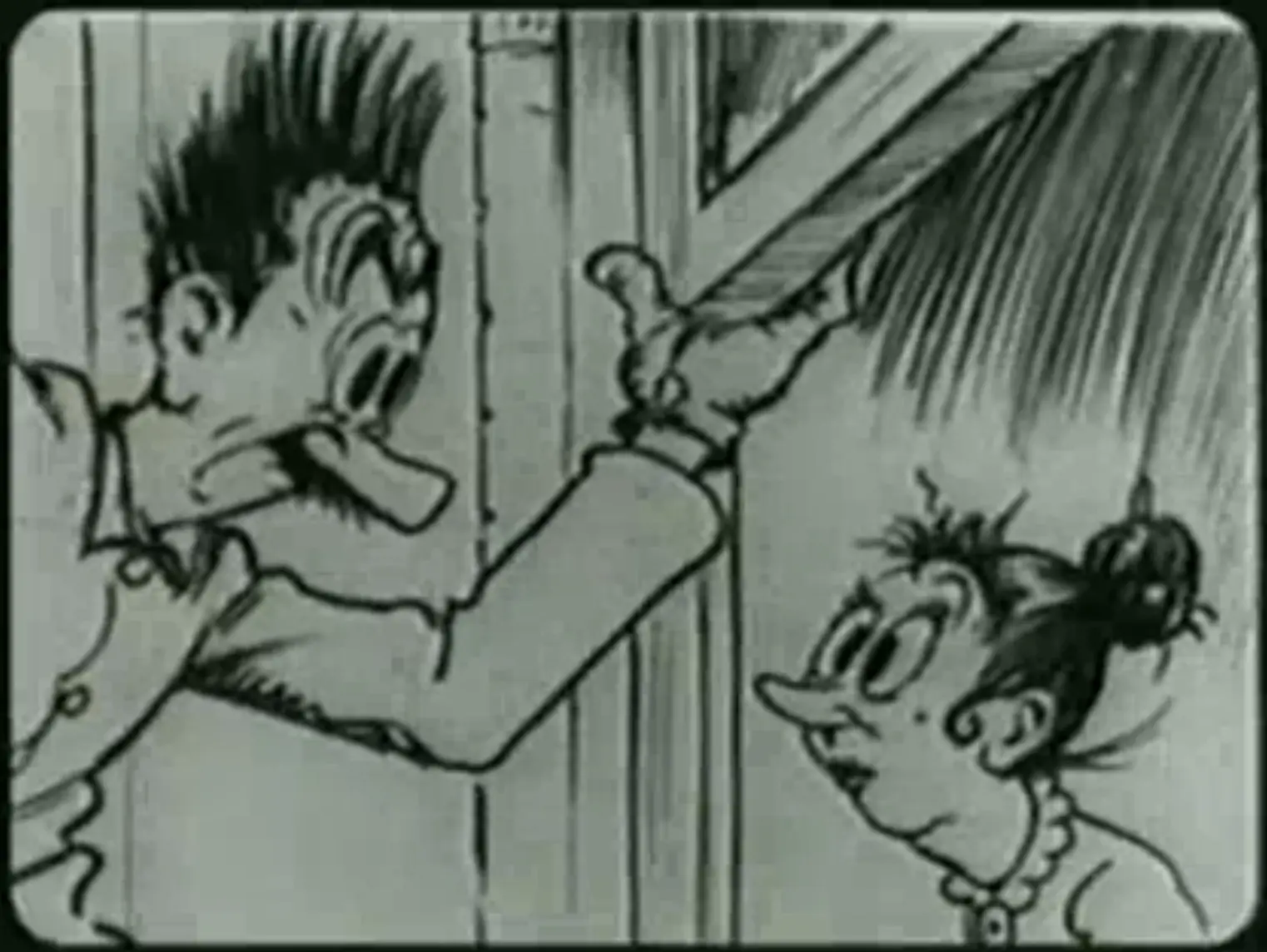
Bud Fisher, wearing both the writer’s pen and the lead actor’s mantle, delivers a performance that balances earnestness with sardonic wit. His portrayal of Mutt is layered: the character’s stubborn optimism masks an underlying fear of inadequacy, a nuance that Fisher captures through subtle facial micro‑expressions and a voice that trembles just enough to betray vulnerability.
Jeff, played by an uncredited yet remarkably adept supporting actor, offers a foil that is both grounded and inventive. His improvisational ladder—constructed from firehoses, rope, and sheer desperation—serves as a visual metaphor for the precarious balance between order and chaos that defines the film’s core.
Beyond the immediate thrills, the narrative probes deeper questions: What is the price of blind duty? How does deception—whether self‑inflicted or external—reshape the moral compass of those who answer the call? The mother’s omission, though seemingly a plot device, invites contemplation about the ethical weight placed upon rescuers, who must often act on incomplete information.
The film’s pacing is meticulously calibrated. The opening act, filled with comedic missteps, establishes character baseline before the inciting incident—a towering blaze—catapults the narrative into high gear. The middle section, dominated by the ascent, is a relentless cascade of obstacles, each more harrowing than the last. The climax, where the hidden gas line threatens to explode, delivers a cathartic release that feels earned rather than contrived.
In the evolving landscape of thriller‑comedy hybrids, Fireman Save My Child stakes a claim as a daring experiment that fuses visceral danger with off‑beat humor. Its willingness to let the absurd coexist with genuine peril mirrors the tonal daring of films like Paid in Full and Are You a Mason?, yet it retains a unique voice anchored in the specificity of firefighting lore.
Viewers are drawn to the film’s blend of relatable vulnerability and spectacular spectacle. The brothers’ flawed heroism mirrors everyday anxieties—being thrust into situations beyond one’s competence—while the visual grandeur of the fire offers a cathartic escape. The surprise revelation regarding the gas line functions as a narrative jolt that keeps audiences engaged, prompting repeat viewings to catch subtleties missed on the first pass.
In sum, Fireman Save My Child transcends its modest budget and ostensibly simple plot to deliver a layered, emotionally resonant experience. Its deft interweaving of comedy, suspense, and moral inquiry renders it a standout entry in the modern rescue‑film canon. For cinephiles seeking a film that ignites both heart and intellect, this is a blaze worth watching.
IMDb 8.1
1925
Community
Log in to comment.