DbcultAccessing Vault...
Cult Review
Senior Film Conservator

Okay, so The Sawdust Paradise. If you're hoping for something to just throw on in the background while you fold laundry, probably skip this one. But if you've got a soft spot for silent-era melodramas, especially ones with a bit of a cynical edge about faith and spectacle, you might find something here. It’s definitely not for anyone expecting modern pacing or subtle performances. You'll either get it or you'll be checking your watch every five minutes, honest.
The premise itself is a curious one: a showgirl, disillusioned with her carnival life, finds a new path with an evangelist. The film spends a good chunk of time in the carnival, showing us the grimy underside of what’s supposed to be fun and games. It’s less bright lights, more dusty tents and tired faces.
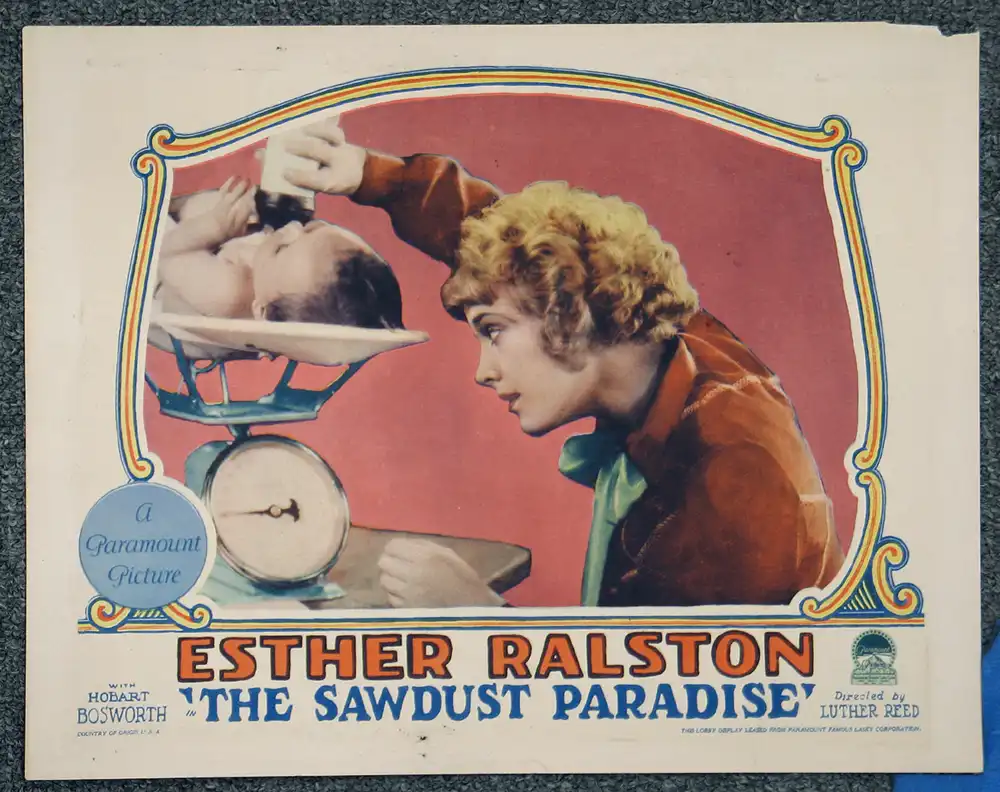
Esther Ralston plays the showgirl, and she’s got this weary energy that really sells her early scenes. You can almost feel the sawdust clinging to her costumes, and not in a romantic way. She’s just *done* with the whole thing, you know?
Then comes the evangelist. Frank Brownlee plays him with a kind of booming presence, even in silence. His gestures are grand, his eyes earnest, or at least they try to be. The film keeps you guessing for a bit on whether he's a true believer or just another showman with a different kind of stage. That ambiguity is actually one of the stronger threads here.
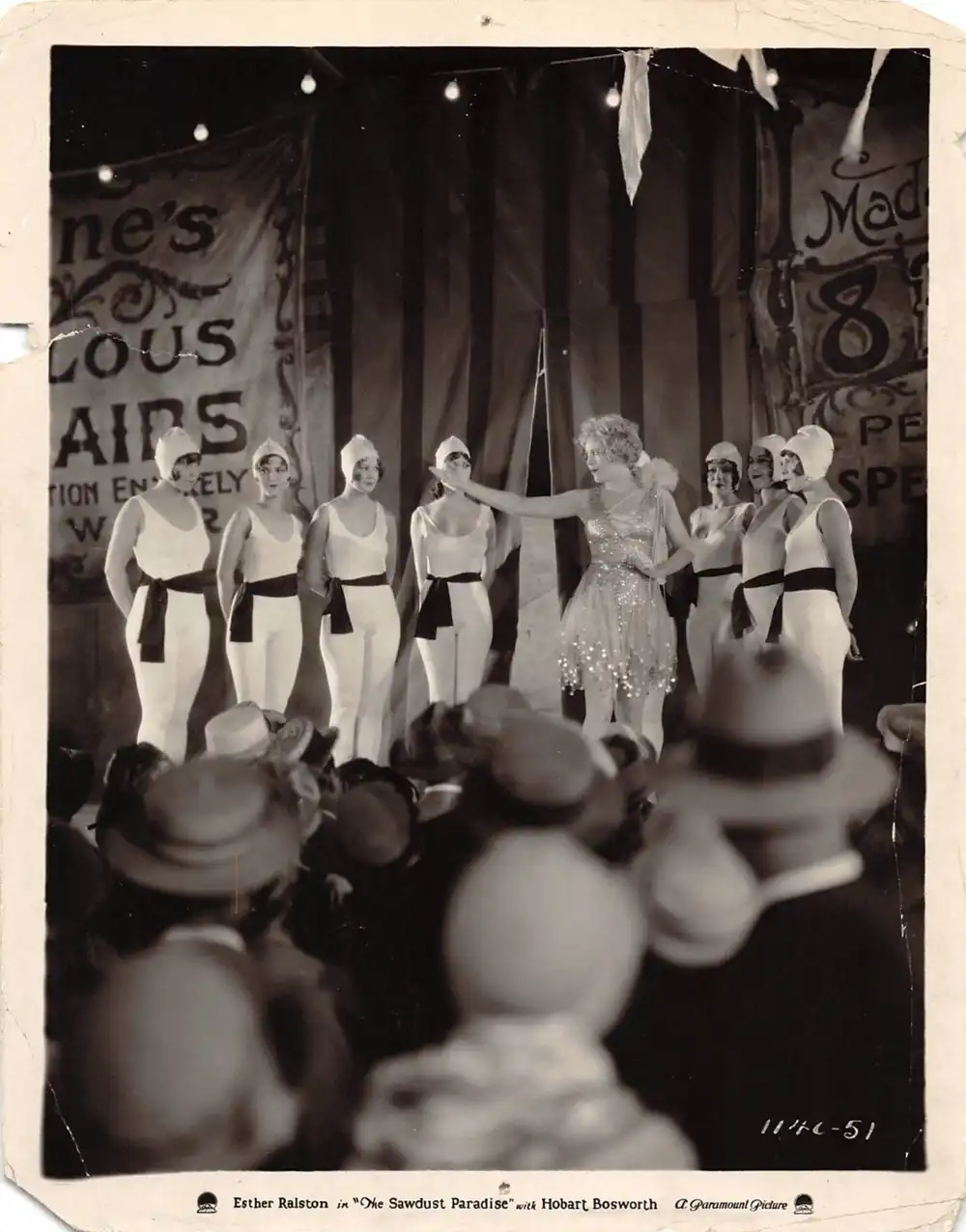
There’s a scene where the evangelist is preaching to a small crowd, and the camera lingers on a few faces in the audience. One woman looks completely rapt, almost hypnotized, while a man beside her seems just vaguely bored. It’s a nice, quiet touch that feels very real.
The shift from the carnival’s fake thrills to the evangelist’s promises of eternal joy isn't as jarring as you might expect. Ralston’s character, she sort of drifts into it, like it’s the next gig. Not quite a spiritual awakening, more like a change of venue for her talent. It makes you wonder about the nature of conviction, doesn't it?
Oh, and a quick note: Helen Hunt is listed in the cast. For anyone raising an eyebrow, no, it's not *that* Helen Hunt. This is an earlier actress, which is a fun little tidbit for film history buffs. She has a small but memorable part, mostly reacting to the main drama.
The film's pacing is, well, it’s a silent film. Things unfold deliberately. Some moments feel a bit drawn out, like the shots of the evangelist contemplating his next sermon. Others, like a brief, almost frantic chase sequence, feel surprisingly modern in their urgency. It's a bit of a mixed bag.
There’s a moment near the end where Ralston’s character has this almost **fervent glow** about her, helping the evangelist. It’s hard to tell if it’s genuine faith, or if she’s just found a new role where she feels valued. The movie doesn't quite spell it out, which is good. It lets you think.
The "paradise" in the title feels more like a question mark than a statement. Is it the carnival, with its fleeting joys and harsh realities? Or is it the evangelist’s path, with its promises of salvation? The film leaves you pondering that dusty, metaphorical sawdust, and whether it’s a foundation or just something to sweep away.
So, is it worth a look? If you appreciate the unique storytelling of the silent era and don't mind a slower burn, yes. It's a peculiar little film that offers a glimpse into a very specific time and mindset. Just don't expect a big, neat conclusion. It's more of a mood piece, really.
IMDb —
1918
Community
Log in to comment.