DbcultAccessing Vault...
6.3/10
Senior Film Conservator
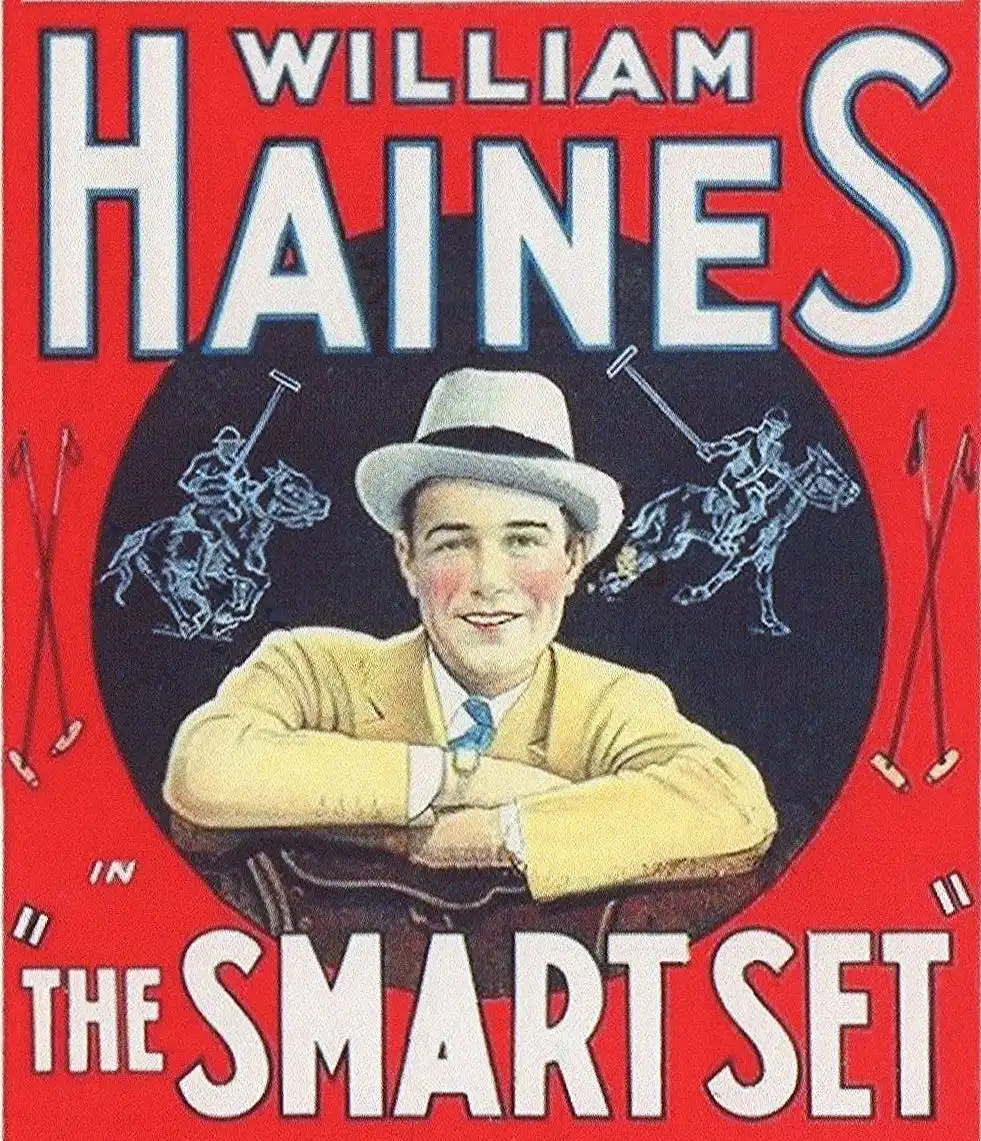
A definitive 6.3/10 rating for a film that redefined the boundaries of cult cinema. The Smart Set remains a cornerstone of transgressive art.
The Smart Set is one of those old silent films that probably only really clicks with people already deep into 1920s cinema, maybe specifically fans of William Haines. If you're looking for a breezy entry point into the era, this isn't it. It's too... particular. And slow, in places. But if you've got a soft spot for the specific brand of arrogant male lead that silent Hollywood loved to churn out, and a high tolerance for melodrama, you might find some weird charm here. Everyone else? Probably give it a miss unless you're a completist.
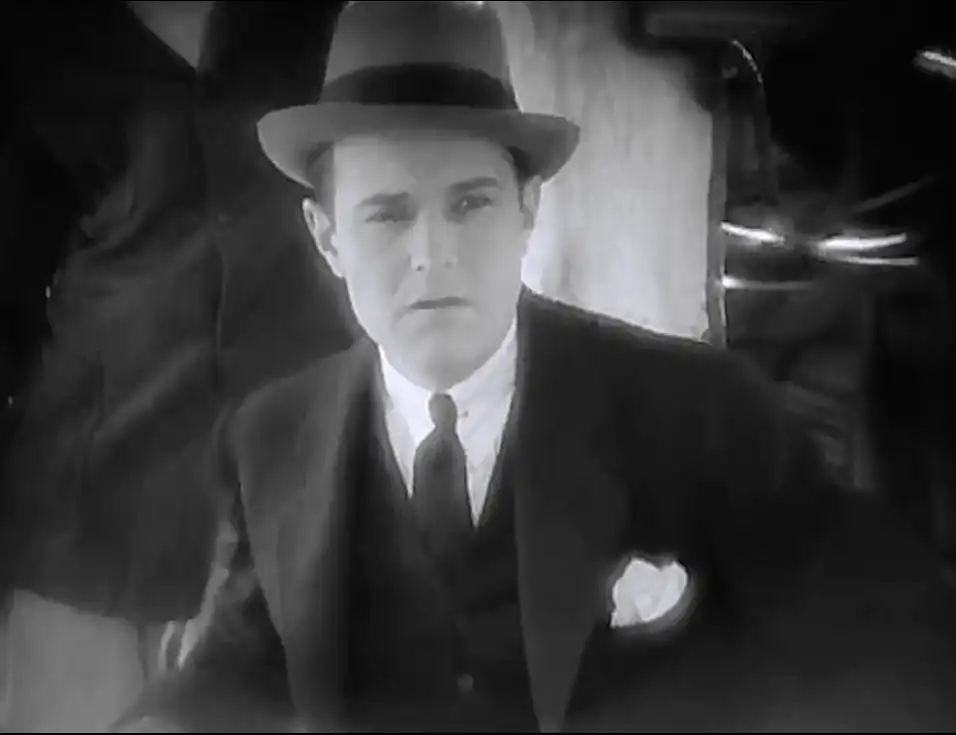
William Haines plays Jimmy, our aforementioned polo star. And he really leans into it. He swaggers, he grins, he throws his head back with a confidence that borders on obnoxious. Which, I guess, is the point. He’s supposed to be this hotshot who needs to be taken down a peg. There’s a scene early on where he’s just preening, flexing for the camera, and it goes on for a beat too long. You can almost feel the movie trying to convince you this guy is the guy, but it just makes him seem a bit desperate for attention.
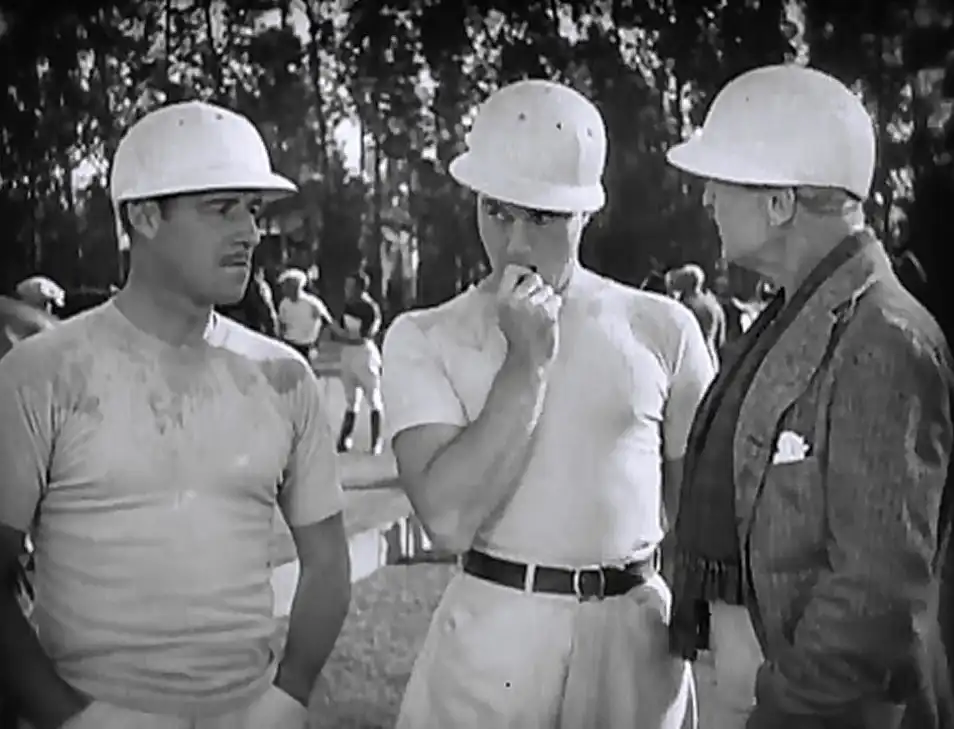
The whole setup with him getting booted off the U.S. team feels a little convenient, a swift, almost clumsy way to get the plot moving. One minute he’s on top of the world, the next he’s disgraced because of some vague 'insubordination.' It’s all very broad strokes, which is typical for the period, but here it just feels like the script writers needed an excuse to humble him quickly.
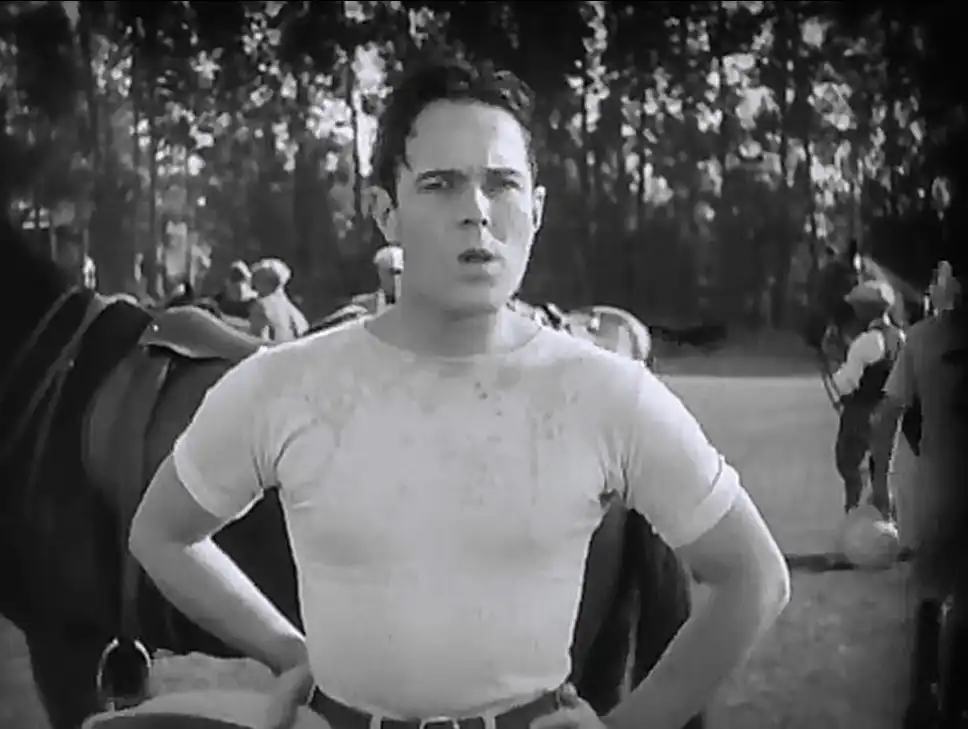
Constance Howard plays Polly, the girl Jimmy needs to win over. She’s... fine. She does a lot of looking distressed or disapproving, as many female leads in these kinds of stories did. There isn't a huge amount of spark between her and Haines. Their scenes together are mostly her looking stern while he tries to explain himself, or looking vaguely impressed when he does something moderately decent. It never really feels like she’s a person with her own desires beyond being an object for Jimmy's redemption arc.
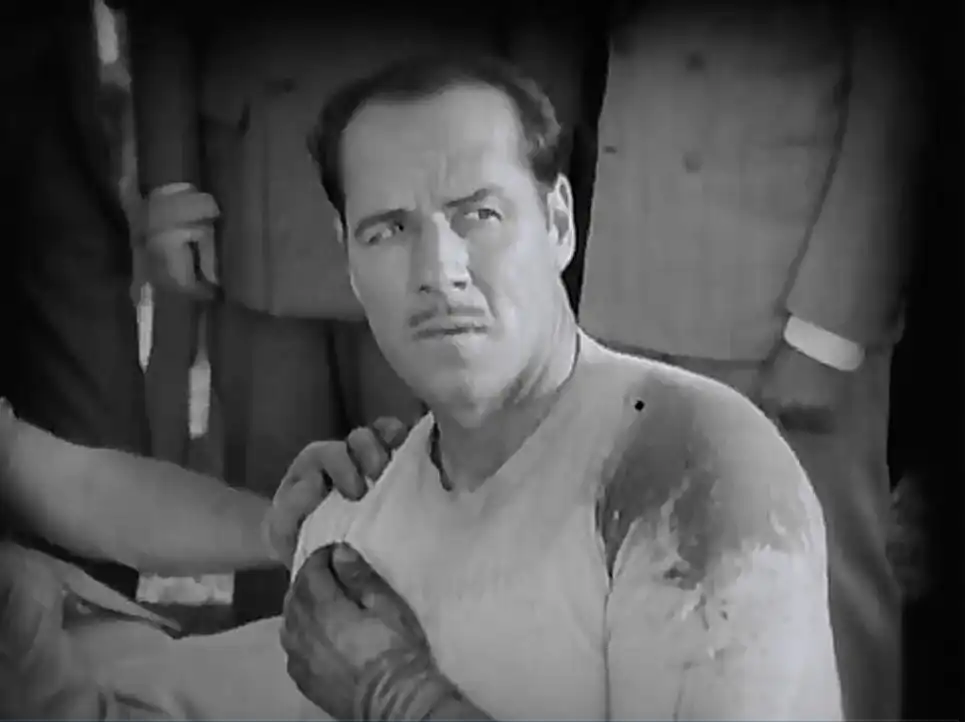
The polo matches themselves are a mixed bag. Some of the shots of horses thundering across the field are genuinely exciting, especially for a film from '26. You get a real sense of the speed and danger. But then there are these odd cuts to close-ups of players looking determined, or a ball flying past, that break the rhythm. The crowd scenes, too, have this oddly empty feeling sometimes, like half the extras wandered off for a snack. It’s not quite as immersive as you’d hope for the sport that defines the main character.
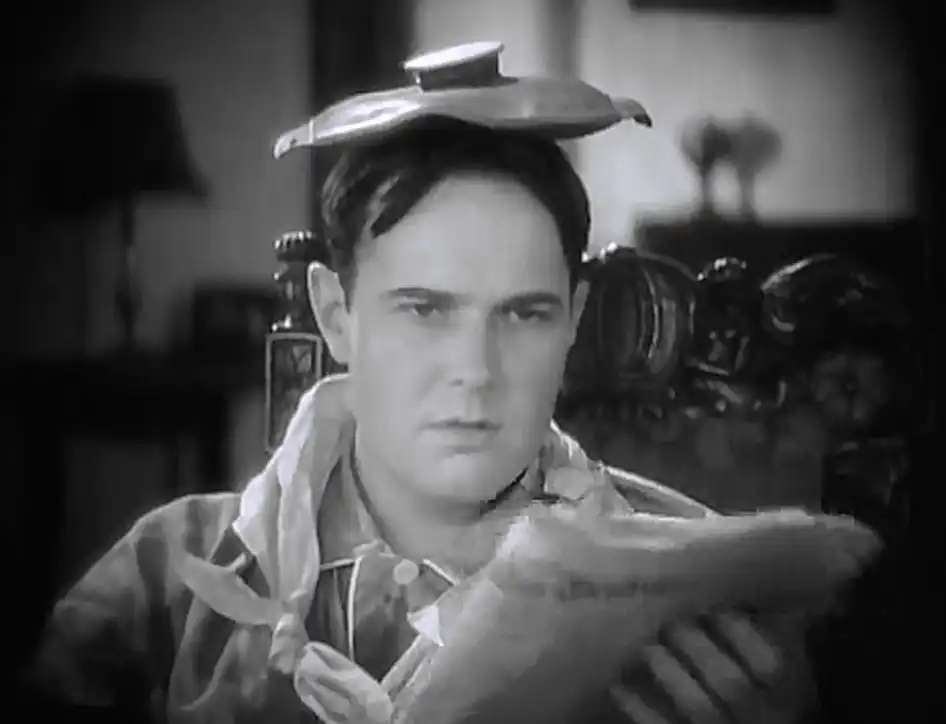
There's a moment, I think it's when Jimmy is trying to win back Polly, where he’s just standing there, looking earnest, and the intertitle flashes up: “He had learned his lesson.” It’s so blunt. It doesn't trust the audience at all to infer anything from his actions or expressions. It just states the theme right there. It deflates the scene, makes it feel like a moral lesson rather than a genuine emotional beat.
Speaking of intertitles, they’re frequent. Sometimes they’re necessary, obviously, being a silent film, but often they over-explain. The dialogue intertitles, in particular, feel a bit stilted, even for the era. It’s hard to imagine anyone actually speaking some of these lines out loud, even in a very formal way.
The film does pick up a little in its third act, once Jimmy actually has to *do* something to prove himself. The stakes feel slightly more tangible. But even then, there’s a sense of inevitability that saps some of the tension. It’s all leading to the predictable happy ending, and you can feel the movie ticking off the boxes.
There are a few nice visual touches though. One shot of Jimmy riding off into the distance, framed against a big sky, felt surprisingly poignant amidst all the melodrama. It almost hints at a better, more introspective film hiding somewhere within this one. But then it’s back to more of Haines’s exaggerated expressions.
Ultimately, The Smart Set is a curiosity. It’s a snapshot of a particular kind of star and a particular kind of storytelling from the silent era. If you’re into that, you’ll find things to chew on. But if you're just looking for a good movie, you'll probably find yourself checking the runtime more than once. It’s not bad, exactly, but it often feels like it's trying too hard to sell you on a story you already know.
IMDb —
1927
Community
Log in to comment.