DbcultAccessing Vault...
6/10
Senior Film Conservator
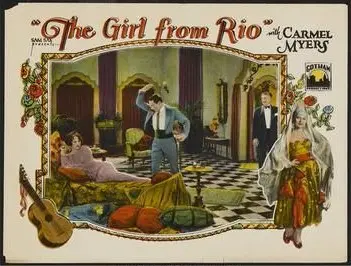
A definitive 6/10 rating for a film that redefined the boundaries of cult cinema. The Girl from Rio remains a cornerstone of transgressive art.
Is The Girl from Rio worth your time in the modern era? Short answer: yes, but primarily as a fascinating study of 1920s cultural anxieties rather than a gripping narrative masterpiece.
This film is for silent cinema completionists and those who appreciate the 'vamp' archetype of the late 20s; it is definitely not for viewers who require fast-paced plotting or modern sensibilities regarding cultural representation.
This film works because it leans heavily into the atmospheric contrast between the stiff American corporate world and the vibrant, dangerous allure of the Rio nightlife.
This film fails because its central conflict relies on a series of coincidences that feel thin even by the standards of 1927 melodrama.
You should watch it if you want to see Carmel Myers at the height of her powers, delivering a performance that bridges the gap between the silent 'vamp' and the more nuanced actresses of the early sound era.
The Girl from Rio, directed by Tom Terriss, is a film that exists in the sweat and shadows of a pre-industrialized Rio de Janeiro. While many films of this era, such as The Traveling Salesman, treated travel as a lighthearted romp, Terriss treats Paul Sinclair’s journey as a descent into a fever dream. Paul, played with a stiff-collared intensity by Edward Raquello, is the audience's surrogate—a man who thinks he knows the world because he knows the price of coffee beans.
The moment Paul first sees Lola (Carmel Myers) dancing is the film's undeniable pivot. The lighting shifts from the flat, high-key brightness of the American consul’s office to a low-key, chiaroscuro-heavy café setting. It is a visual representation of his soul being compromised. Unlike the more traditional romantic beats found in The Way of a Girl, this encounter feels predatory and intoxicating. Lola isn't just a dancer; she is a force of nature that the American business mind is ill-equipped to handle.
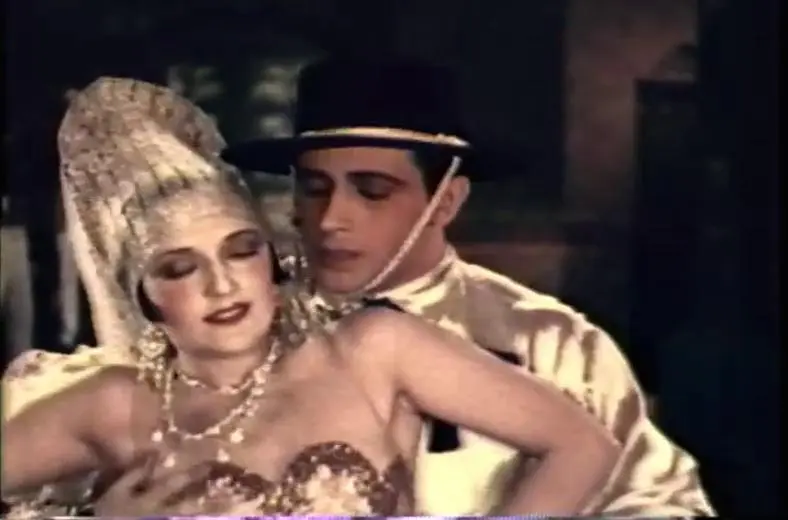
Terriss uses the camera to linger on the smoke and the rhythmic movements of the crowd, creating a sense of claustrophobia that mirrors Paul’s growing obsession. It is effective. It is moody. But it is also deeply rooted in the 'exotic' stereotypes of its time.
The true heart of the film lies in the casting. Carmel Myers is an absolute revelation here. In an era where many actresses were still clinging to the exaggerated gestures of the early teens—think of the pantomime style in The Silent Lie—Myers is surprisingly restrained. Her Lola uses her eyes to convey a mix of cynicism and genuine longing. When she looks at Raquello, you don't see a caricature; you see a woman who knows exactly how much power she holds over this 'civilized' man.
Contrast this with Mildred Harris, playing the jilted fiancée Helen Graham. Harris has the unenviable task of playing the 'boring' option. She represents the safety of the North, the stability of the status quo. While Harris is a capable actress, the script gives her little to do other than look concerned in expensive hats. The film creates a binary that is hard to ignore: Rio is life, New York is duty. It’s a simplistic choice, but in the context of 1927, it was a provocative one.
Walter Pidgeon also appears here in an early role. Seeing him before he became the quintessential father figure of the 1940s is a treat. He brings a certain groundedness to the proceedings, acting as a foil to Raquello’s increasingly erratic behavior. The chemistry between the cast is palpable, even if the plot occasionally feels like it’s treading water in the middle act.
Tom Terriss was a director who understood the importance of place. While much of the film was shot on sets, the integration of stock footage and clever production design creates a convincing Rio. The pacing is deliberate, perhaps a bit too slow for those used to the snappy editing of something like The Smilin' Kid, but it serves the atmosphere. Terriss wants the viewer to feel the heat and the humidity of the Brazilian night.
One standout sequence involves a confrontation in a back alley that uses shadows in a way that prefigures the film noir movement of the 1940s. The way the silhouettes dance against the stucco walls is far more evocative than the dialogue titles could ever be. It’s a reminder that silent film was a visual medium first and foremost. When the film stops trying to explain the plot and just lets the images breathe, it reaches a level of sophistication that rivals The Merchant of Venice adaptations of the same period.
However, the writing by Norman Kellogg and Pauline Forney occasionally falls into the trap of over-explanation. We don't need a title card to tell us Paul is conflicted; Raquello’s sweating brow tells us everything we need to know. The film is at its best when it trusts the audience to interpret the subtext of the performances.
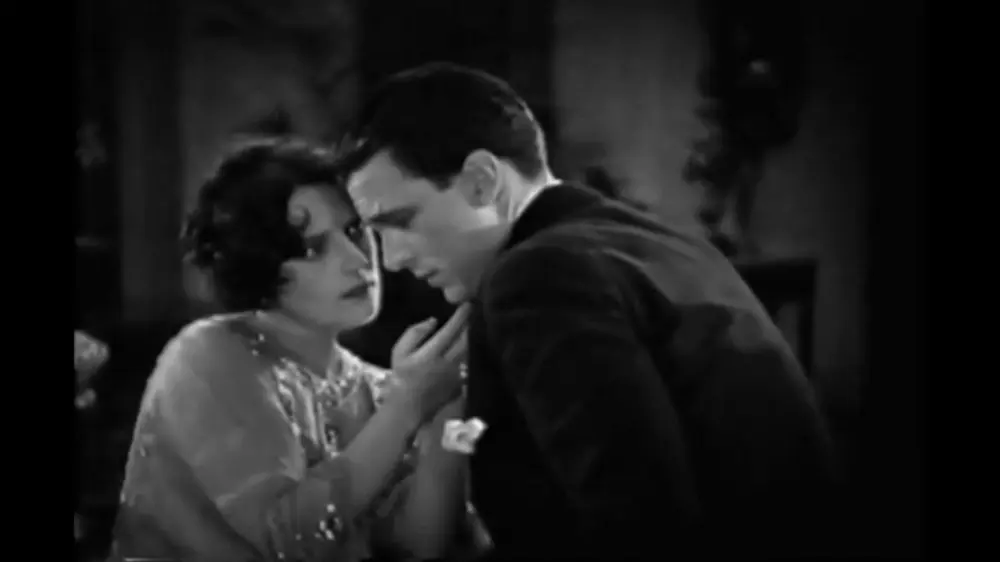
Is The Girl from Rio worth watching today? Yes, if you are a student of film history or a fan of silent melodrama. The film offers a unique window into how the 1920s viewed international relations through the lens of romance and temptation. While the plot is predictable, the visual execution and Carmel Myers’ performance make it a significant entry in the late silent era. It is a film that captures a specific moment in time when cinema was transitioning from simple storytelling to complex psychological exploration.
Pros:
- Exceptional cinematography that utilizes light and shadow to create a palpable atmosphere.
- A strong lead performance by Carmel Myers that elevates the material.
- Fascinating historical context regarding the American coffee trade and cultural perceptions of Brazil.
Cons:
- The male lead, Edward Raquello, can feel a bit wooden compared to his female counterparts.
- The secondary characters, particularly the fiancée, are severely underdeveloped.
- Some of the cultural depictions are undeniably dated and may be jarring to modern audiences.
In many ways, The Girl from Rio is a more successful exploration of temptation than The Untamed or The Beautiful Lie. Those films often relied on external threats to drive the drama, whereas Terriss focuses on the internal collapse of his protagonist. Paul Sinclair isn't being forced to stay in Rio; he is choosing to stay because he can no longer recognize the man who left New York. This internal struggle is where the film finds its teeth.
There is a brutal simplicity to the way the film handles Paul’s downfall. It doesn't offer him an easy out. It makes him sit in his choices. This is a refreshing change from the often moralistic endings of other 1920s dramas like 3 Keys. Here, the consequences feel earned, even if the path to get there is paved with melodrama.
The cinematography also deserves a second mention. The way the camera moves through the café scenes feels voyeuristic, as if we are part of the crowd watching Paul lose his mind. It’s an immersive experience that few films of this era achieved. It reminds me of the better moments in Umanità, where the environment becomes an active participant in the story rather than just a backdrop.
The Girl from Rio is far from perfect. It is a product of its time, carrying all the baggage that entails. But it is also a work of significant craft. It works. But it’s flawed. The film manages to transcend its pulp origins through the sheer force of its visual style and a powerhouse performance from Carmel Myers. While it may not have the philosophical depth of Die Liebe einer Königin, it possesses a raw, kinetic energy that is rare for 1927. If you can look past the dated tropes, you will find a compelling story about the cost of reinvention and the danger of the exotic gaze. It is a minor classic that deserves a spot in the conversation about the late silent era's technical achievements.
IMDb —
1917
Community
Log in to comment.