DbcultAccessing Vault...
Cult Review
Senior Film Conservator
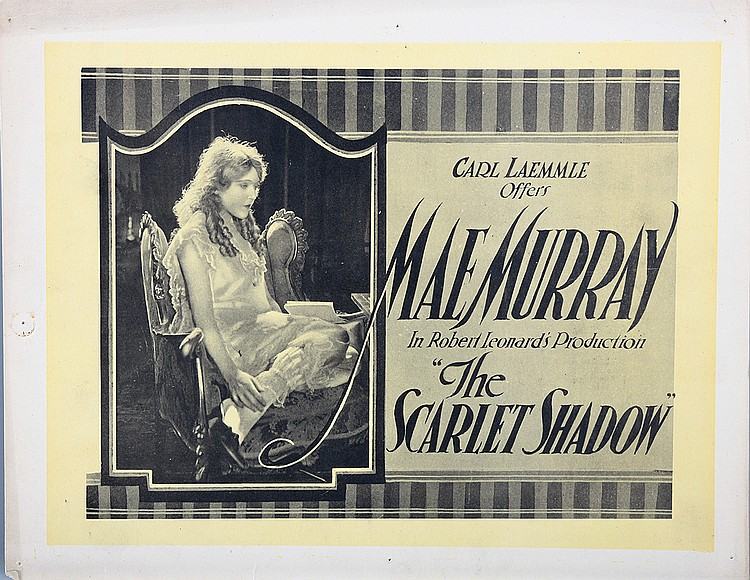
Martha Mattox’s Aunt Elvira emerges as one of silent cinema’s most chilling antagonists—a gargoyle of righteousness whose every gesture exudes glacial disapproval. Watch how she handles Elena’s embroidered handkerchief like contaminated evidence, or how her eyes narrow into shards of obsidian when Van Presby’s laughter echoes through her sterile parlor. This isn’t merely prudishness; it’s the vigilant policing of bloodlines disguised as virtue. Director John S. Robertson (later of Within the Law fame) frames her against oppressive Dutch angles, her black lace collars resembling prison bars across Mae Murray’s luminous complexion.
"The 'scarlet strain' mythology weaponizes maternal sin as hereditary taint—a perverse inversion of genetics where desire becomes congenital contamination."
Ralph Graves’ Van Presby functions as the perfect foil to this toxicity—a golden youth whose charm masks alarming entitlement. His transition from bashful suitor to intoxicated predator remains deeply unsettling precisely because of its casual plausibility. Notice how the film contrasts his drunken assault with Harvey’s restrained courtship: Van’s groping hands against Harvey’s hesitant fingertip-brush across Elena’s tear-stained cheek. The dichotomy reveals the era’s brutal marriage market realities where women navigated between predatory bachelors and transactional alliances.
Clarissa Selwynne’s Edith Presby delivers masterclass hypocrisy beneath pearled perfection. Her initial embrace of Elena—shot with ethereal backlighting that suggests sainthood—slowly curdles into Machiavellian calculation. The legendary costume designer Clare West (of Betsy Ross acclaim) underscores this duality through costume: Edith’s ivory tea gowns whisper luxury while constricting movement, much like her suffocating 'protection' of Elena. When she orchestrates the Fleming engagement, watch how her fingers flutter near her throat—a tell betraying nervous triumph.
Elena’s rebellion against the Fleming match becomes the film’s seismic shift. Murray’s physicality transforms from porcelain doll to feral survivor: she doesn’t merely refuse Joseph, she shatters the betrothal vase he gifts her. The symbolism resonates with the shattered marital expectations in The Daring of Diana, but here the violence feels cathartic rather than escapist. Cinematographer Oliver T. Marsh drowns this scene in oppressive shadows, Elena’s defiant silhouette shrinking beneath the mansion’s vaulted ceilings—an architectural manifestation of societal pressure.
Frank Elliott’s Harvey Presby represents the film’s moral compass—a remarkable feat considering his character’s potential for creepiness as Elena’s elder savior-lover. Elliott imbues Harvey with melancholic dignity, particularly in the library scene where he traces the spines of leather-bound books while confessing his dead wife’s laughter still haunts the shelves. His climactic confrontation with drunken Van crackles with generational tension: not just uncle versus nephew, but old-world honor versus modern decadence. Their struggle before the roaring fireplace creates expressionist tableaux reminiscent of Il fornaretto di Venezia's chiaroscuro dramatics.
The screenplay’s genius lies in transforming the titular 'scarlet strain' from damning curse to liberating revelation. Katherine Leiser Robbins’ dialogue (preserved in rare shooting scripts) strategically withholds the phrase until Aunt Elvira spits it at Harvey’s wedding announcement: "How dare you marry the daughter of a woman who... who..." "Who remarried after widowhood?" Harvey finishes calmly. This exchange demolishes the film’s central lie—that Elena carries some mystical moral disease—exposing it as cultural sickness masquerading as piety. The final title card lands like a velvet hammer: "The only scarlet was the stain on their judgment."
Murray’s performance remains revolutionary in its subtlety. Unlike the aggressive flapper archetypes soon to dominate screens, her Elena weaponizes vulnerability. Observe the glove-fitting scene: as Edith measures her for marriage prospects, Elena slowly curls her bare hand into a fist—a micro-gesture of rebellion visible only because Murray holds the frame for seven excruciating seconds. Her physical vocabulary—the way she melts against walls when cornered, or angles her chin upward during confrontations—creates a lexicon of quiet resistance. This nuanced approach distinguishes Elena from the overt defiance in The Daring of Diana, offering a more psychologically complex portrait of oppression.
"Robertson composes Elena’s close-ups like Vermeer paintings—every trembling lip and sidelong glance becomes a manifesto against female objectification."
The film’s technical mastery extends beyond performance. Marsh’s camera traces the Presby mansion like a gothic voyeur, its dolly shots gliding past velvet drapes to spy on intimate betrayals. Particularly breathtaking is the moonlit garden sequence where Elena overhears Edith plotting the Fleming marriage; Marsh backlights the gossamer curtains so they resemble ghostly bridal veils encircling the traumatized girl. Such visual poetry elevates the material beyond melodrama into socio-political critique.
Viewing The Scarlet Shadow through post-WWI lenses reveals deeper strata. Released months after Versailles, its anxiety about shifting sexual mores mirrors national trauma. Van Presby’s college debauchery evokes ‘lost generation’ decadence, while Harvey’s steadfastness represents idealized pre-war masculinity. This generational clash mirrors societal fractures explored in The Ships That Meet, though Robertson’s approach feels more psychologically acute.
Elena embodies the era’s 'New Woman' dilemma—craving autonomy yet navigating systems designed to crush it. Her journey from commodified virgin to self-determining adult mirrors real-world battles for suffrage and reproductive rights. The film’s controversial climax—where she actively chooses Harvey despite their age gap—becomes radical simply by centering female desire over social convenience. Unlike sacrificial mothers in The Mother Who Paid, Elena claims happiness without apology.
Modern audiences benefit from the 2018 Library of Congress restoration which uncovered astonishing details: the cerulean blue of Elena’s rebellion dress (originally hand-tinted), the flicker of oil lamps in Harvey’s study, even the textured grain of Aunt Elvira’s mourning crepe. These textures transform the film from historical artifact into visceral experience. Particularly impactful is the restored rape attempt sequence—previously censored in multiple states—where Murray’s frantic escape through billowing curtains regains its harrowing intensity.
J. Edwin Brown’s Joseph Fleming deserves reappraisal too—a character easily rendered buffoonish that becomes unexpectedly poignant through Brown’s choices. Watch his fingers nervously pluck at his boutonniere when rejected; this isn’t villainy but another victim of Edith’s manipulations. Such layered humanity distinguishes the film from broader contemporaries like Chase Me Charlie.
The film’s daring exploration of sexual double standards remains startlingly relevant. Consider how contemporary phrases like 'like mother, like daughter' or 'bad blood' perpetuate Elvira’s pseudoscience. Harvey’s final speech—"We brand women with scarlet letters for loving, remarrying, breathing while female—while men who rape drunkards face no consequences"—landed so provocatively that seven states banned the film despite no explicit content. This censorship battle parallels the suppression of Hidden Fires, though Scarlet Shadow’s critique cuts deeper by implicating societal infrastructure itself.
Robertson’s visual symbolism continues influencing filmmakers. The recurring motif of stained glass—through which colored light dapples characters in metaphorical 'stains'—finds echoes in later masterpieces like The Godfather. More profoundly, the film dismantles purity mythology by revealing how patriarchal systems invent hereditary sin to control women’s bodies. When Elena burns Aunt Elvira’s 'scarlet stain' embroidery in the final scene, the flames consume more than fabric—they incinerate centuries of shaming rhetoric.
Ultimately, The Scarlet Shadow triumphs through radical empathy. Even Elvira receives nuanced treatment; her final appearance shows her clutching a miniature of Elena’s mother—a hint that her venom springs from jealousy of her sister’s passions. This refusal to demonize, even while condemning poisonous ideologies, grants the film enduring power. Like the phantom stains it critiques, its messages seep into modern consciousness, reminding us that the most dangerous inheritances aren’t biological, but cultural.
IMDb —
1930
Community
Log in to comment.