DbcultAccessing Vault...
7.1/10
Senior Film Conservator
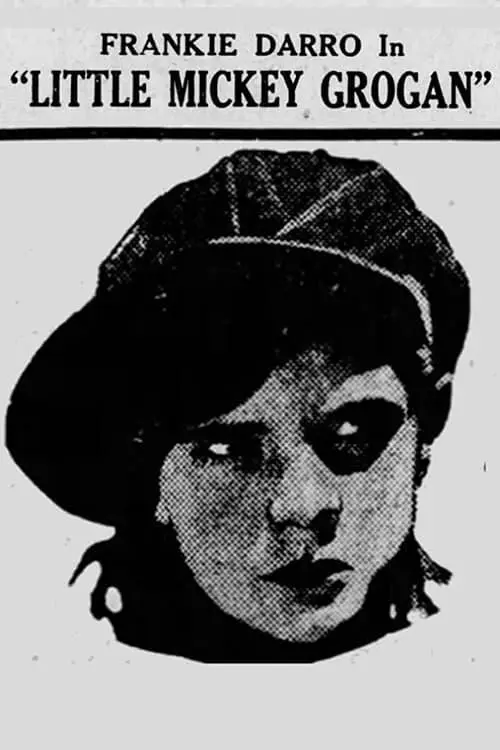
A definitive 7.1/10 rating for a film that redefined the boundaries of cult cinema. Little Mickey Grogan remains a cornerstone of transgressive art.
Should you spend your afternoon watching a 1927 silent film about orphans and a blind architect? Short answer: yes, but only if you value character grit over modern spectacle. This film is for the cinephile who enjoys the 'street urchin' subgenre of the 1920s, but it is certainly not for those who demand fast-paced action or high-definition clarity.
Little Mickey Grogan survives the test of time because it refuses to be purely pathetic. It has a spine. While many films of this era relied on the 'sad orphan' trope to milk tears from the audience, this film gives its young protagonists agency. They aren't just waiting to be saved; they are actively thwarting the adults who try to disrupt their fragile ecosystem.
Before we dive into the technical nuances of this silent-era production, let's establish the core of why this film remains relevant.
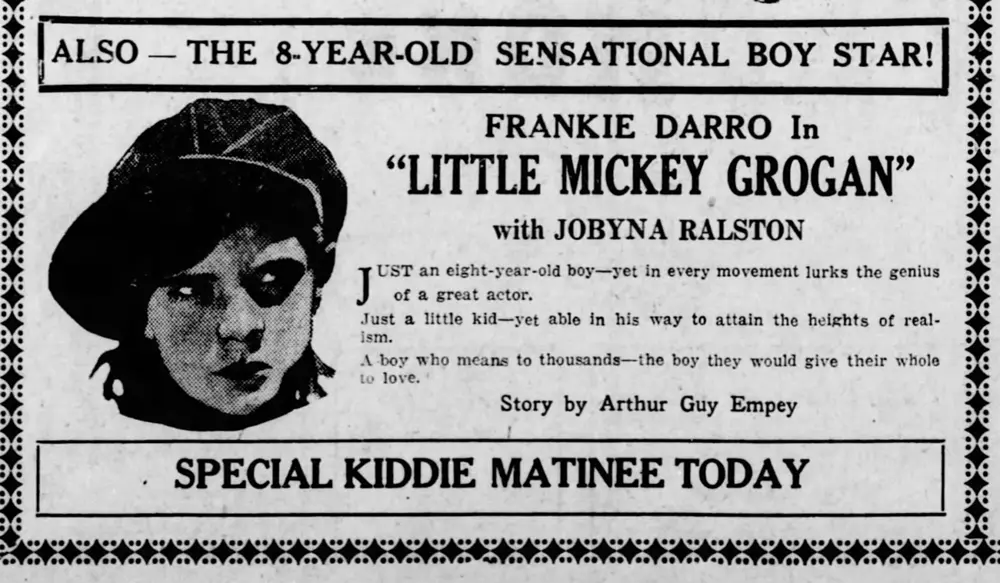
Frankie Darro is the heartbeat of this film. In an era where child acting often leaned toward the theatrical and exaggerated, Darro brings a grounded, almost athletic energy to the role of Mickey. He doesn't just walk; he maneuvers. You can see the gears turning in his head as he tries to outsmart the truant officer. It’s a performance that reminds me of the raw survivalism seen in The Exiles, albeit in a more family-friendly framework.
There is a specific scene where Mickey has to navigate a confrontation with the truant officer while simultaneously trying to protect the blind architect's dignity. The way Darro uses his body to shield the older man while maintaining a defiant stare at the camera is haunting. It works. But it’s flawed. The pacing in these sequences can feel repetitive, yet Darro’s intensity keeps the stakes high.
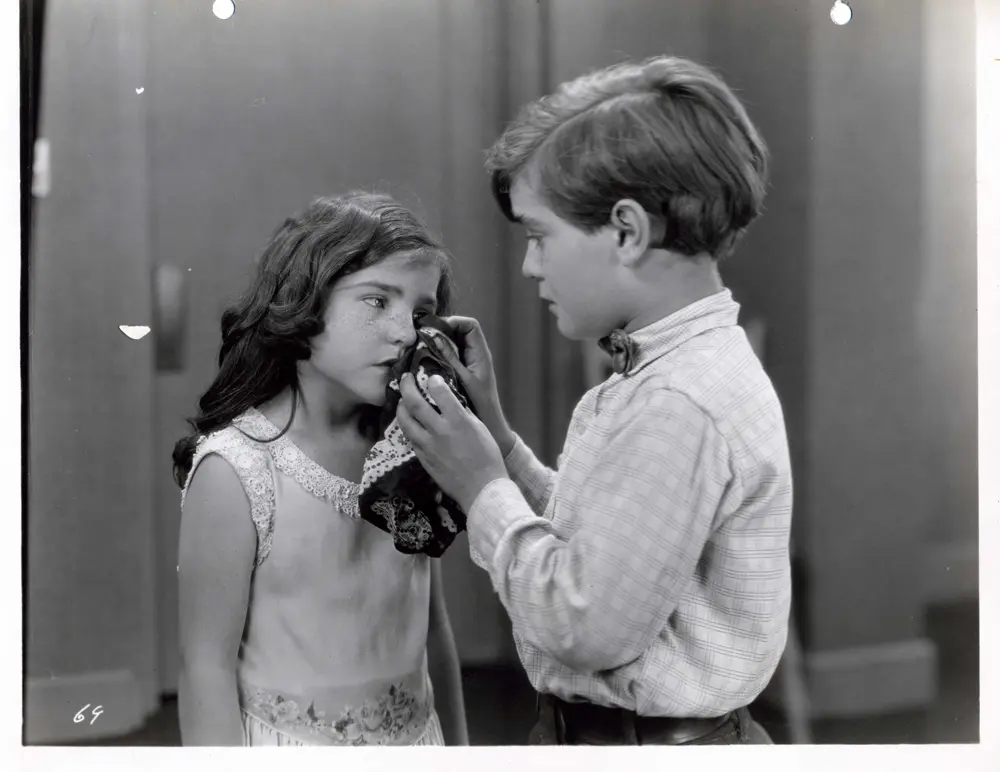
Lassie Lou Ahern provides the necessary emotional counterweight. While Mickey is the shield, she is the soul. Their interactions don't feel like scripted moments between child actors; they feel like two people who have actually shared a cold room and a thin blanket. This level of realism is often missing in contemporary silent films like Too Many Wives, which opts for broader comedy.
William Scott’s portrayal of the near-blind architect is perhaps the most sophisticated element of the script. In 1927, the idea of a disabled professional was often treated with either extreme pity or as a miracle cure candidate. Here, the blindness is a looming shadow. It represents the fading dreams of the post-WWI generation. He is a man who builds structures he will soon be unable to see, much like the orphans are building a life they may not be allowed to keep.
The cinematography by the uncredited camera team uses light effectively to mirror the architect's failing vision. There are moments where the edges of the frame seem to soften, drawing the viewer into his narrowing world. This isn't just a technical limitation of the time; it feels like a deliberate choice to align the audience with his vulnerability. It’s a much more subtle approach than the heavy-handed symbolism found in Les Misérables, Part 1: Jean Valjean.
The antagonists in Little Mickey Grogan are two-fold: the personal and the systemic. The loutish suitor represents the immediate threat to the domestic peace, while the truant officer represents the cold, unfeeling hand of the state. It is a classic 'us against the world' setup. The suitor is played with a sneering arrogance that makes his eventual comeuppance deeply satisfying, though his character is admittedly one-dimensional.
The truant officer, however, is the more interesting villain. He isn't necessarily evil; he is just a man doing his job, which makes him more terrifying. He represents the 'order' that would see this makeshift family torn apart in the name of 'propriety.' This tension drives the second act, creating a sense of claustrophobia that is rare for a film of this vintage. It’s a stark contrast to the more lighthearted social navigation seen in In Society.
Yes, Little Mickey Grogan is worth watching for its historical value and its surprisingly modern emotional core. While it suffers from some of the structural weaknesses of 1920s independent productions, the central performances elevate it. It is a film that values human connection over biological ties, a theme that remains potent today.
If you are looking for a film that captures the grit of the late silent era without the over-polished artifice of the major studios, this is it. It’s a small film with a large heart. It doesn't try to change the world; it just tries to show you how hard some people have to fight to stay in it.
The film features an incredible sense of place. The sets feel lived-in and grimy, avoiding the stagey look of many contemporary films like Maciste imperatore. The acting is restrained for the period, and the central conflict feels earned rather than forced.
The pacing in the middle of the film drags as the financial hardships are reiterated several times without moving the plot forward. Some of the title cards are overly wordy, explaining things that the actors have already conveyed through their performances.
Little Mickey Grogan is a sturdy, affecting piece of silent cinema. It avoids the trap of being a mere curiosity by grounding its story in the universal need for belonging. While it doesn't reinvent the cinematic wheel, it spins it with enough conviction to leave a mark. It’s a quiet triumph of the makeshift family. It works. But it’s flawed. Ultimately, it’s a journey worth taking for anyone who appreciates the foundational years of visual storytelling.
IMDb 4.2
1922
Community
Log in to comment.