DbcultAccessing Vault...
Cult Review
Senior Film Conservator
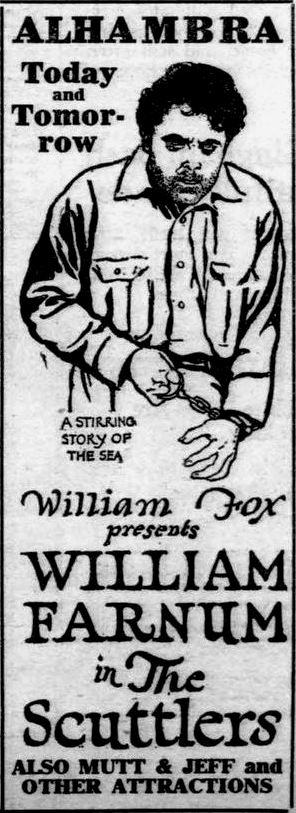
The cinematic landscape of 1920 was often dominated by theatrical melodrama, yet The Scuttlers, directed by J. Gordon Edwards (though frequently associated with the creative sensibilities of writers Paul Sloane and Clyde Westover), stands as a rugged outlier. It is a film that eschews the sanitized heroism of its contemporaries for a gritty, salt-sprayed exploration of industrial espionage and maritime ethics. At its heart lies William Farnum, an actor whose screen presence was defined by a formidable, almost tectonic gravitas. Here, he portrays Jim Landers, an operative for Lloyds of London, stepping away from the drawing-room intrigue of films like A Phantom Husband to embrace a more visceral, physically demanding role.
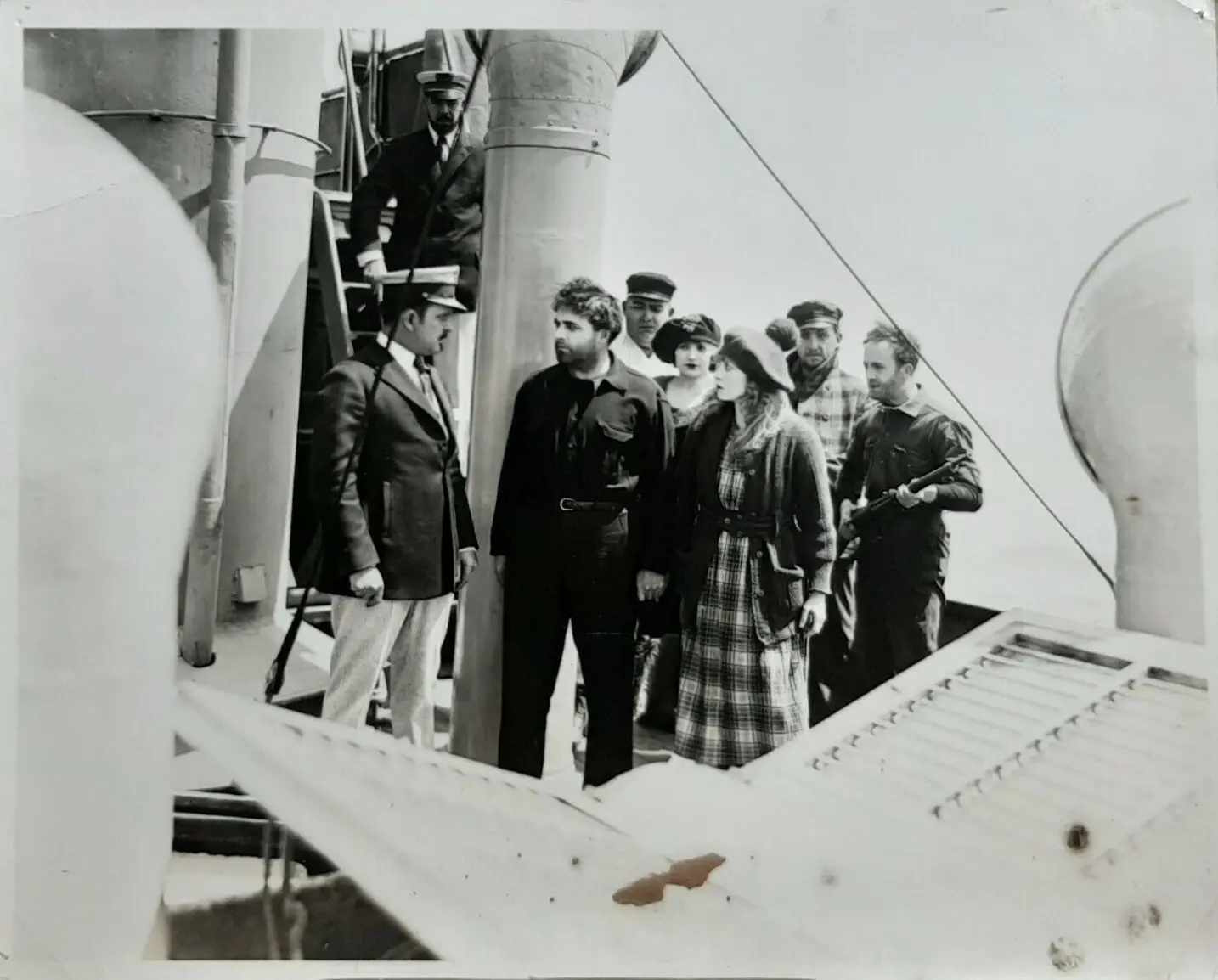
The narrative architecture of The Scuttlers is built upon the tension between the seen and the unseen. Landers’ decision to be shanghaied is not merely a plot device; it is a descent into a maritime underworld. The Dorothy Low serves as a microcosm of a society governed by the whip and the whim of those in power. G. Raymond Nye, portraying First Mate Erickson, provides a masterclass in silent-screen villainy. Unlike the more nuanced antagonists found in The White Circle, Erickson is a force of pure, unadulterated brutality. His presence creates a palpable sense of dread that permeates the first two acts, making the eventual scuttling feel less like a crime and more like a necessary purgation.
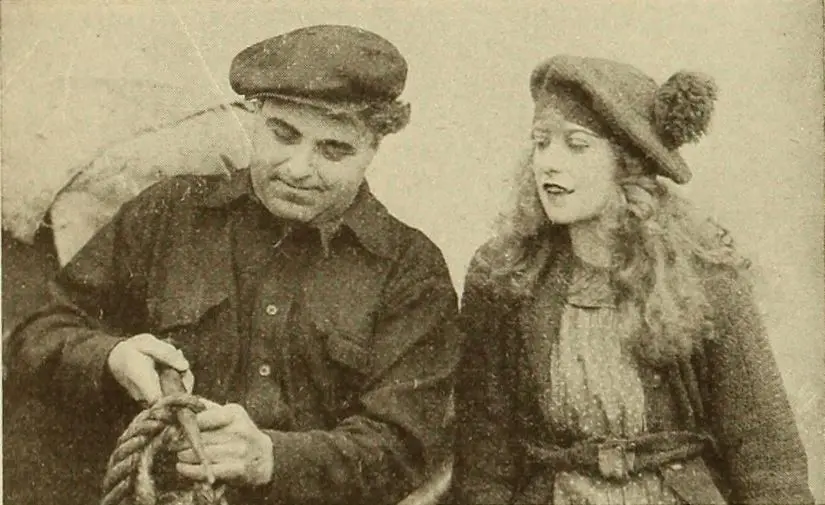
While the film shares some DNA with the survivalist themes of The Barrier, it pivots on the moral ambiguity of Captain Machen. Al Fremont plays Machen not as a swindler, but as a man burdened by a secret weight. This complexity is the film's greatest strength. In an era where characters were often binary—either virtuous or villainous—Machen exists in a gray expanse as vast as the ocean itself. The inclusion of Jackie Saunders as Laura, his daughter, provides the necessary emotional anchor for Landers. Her presence forces the investigator to question the binary nature of his mission, a thematic depth that resonates with the psychological explorations seen in An Alien Enemy.
Technically, The Scuttlers is a triumph of early location shooting and practical effects. The scuttling sequence itself is staged with a terrifying realism that must have left 1920s audiences breathless. The way the water encroaches upon the frame, the frantic energy of the crew, and the chaotic dissolution of the ship's hierarchy are captured with a kinetic energy that predates the sophisticated action cinema of later decades. It lacks the stylized artifice of Camille, opting instead for a documentary-like harshness that emphasizes the physical stakes of the drama.
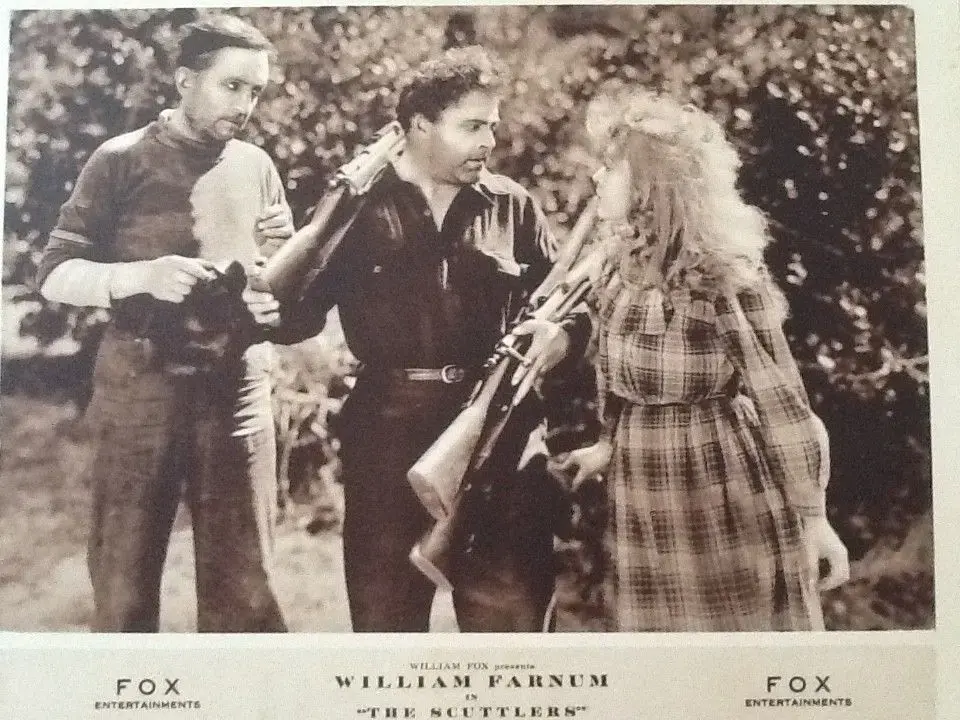
The screenplay by Sloane and Westover avoids the repetitive tropes of the 'insurance fraud' subgenre. Instead of focusing on the mechanics of the scam, they focus on the toll of the deception. The dialogue—rendered through expressive intertitles—carries a poetic weight, particularly in the final act. When Machen confesses his true motives, the film shifts from a procedural thriller to a poignant commentary on political sacrifice. The revelation that he scuttled ships to prevent arms from reaching Mexico adds a layer of historical texture that elevates the film above the standard fare of The Root of Evil.
William Farnum’s performance is a study in restrained intensity. Having seen him in roles that demanded broad theatricality, his work in The Scuttlers feels remarkably modern. He communicates Landers’ internal conflict through subtle shifts in posture and gaze, especially as his cynicism begins to erode under the influence of Laura. This transition is handled with far more grace than the abrupt character arcs often found in Thou Art the Man. Farnum’s chemistry with Saunders is genuine, providing a soft emotional core to an otherwise jagged narrative.
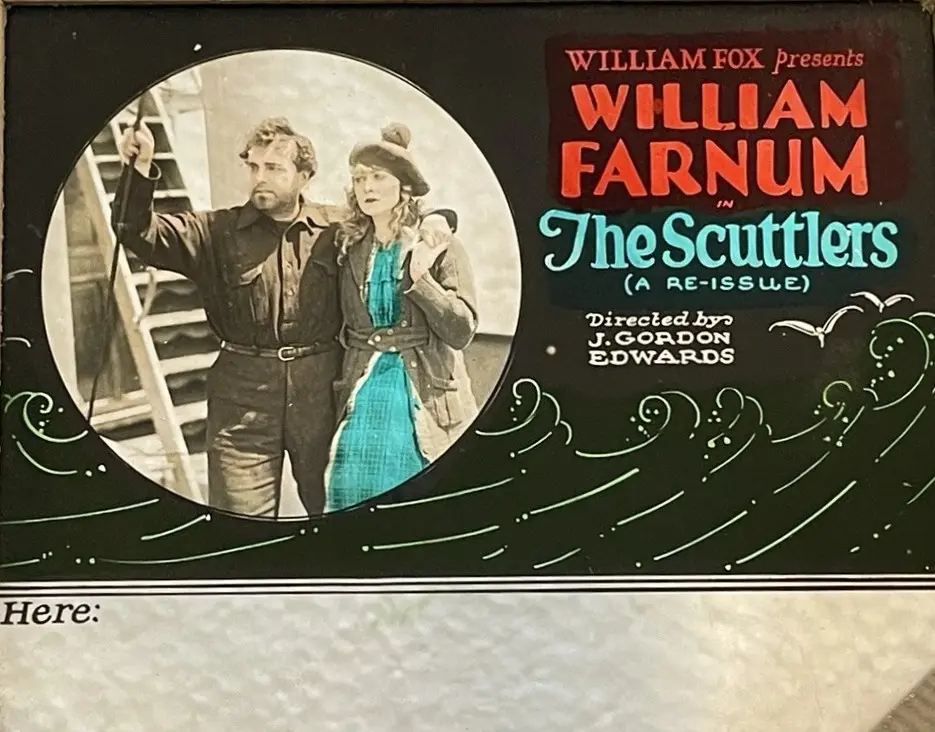
The supporting cast, including Earl Crain and Kewpie Morgan, populates the ship with a gallery of weathered faces that lend the production an air of authenticity. These are not actors playing sailors; they are the embodiment of the maritime proletariat. This commitment to realism is what separates The Scuttlers from more whimsical adventures like Going Some. There is a sense of genuine peril here, a feeling that the ocean is an indifferent god that could swallow these characters at any moment without a trace.
The third act of the film is where its philosophical ambitions truly manifest. The deathbed confession of Captain Machen is a masterful narrative pivot. By reframing the act of 'scuttling'—traditionally seen as the ultimate maritime sin—as an act of pacifist intervention, the film challenges the viewer's preconceived notions of legality versus morality. It suggests that sometimes, to do what is right, one must appear to do what is wrong. This theme of the 'unwritten code' of honor is a recurring motif in the era's cinema, notably in The Unwritten Code, yet it is rarely executed with such visceral impact.
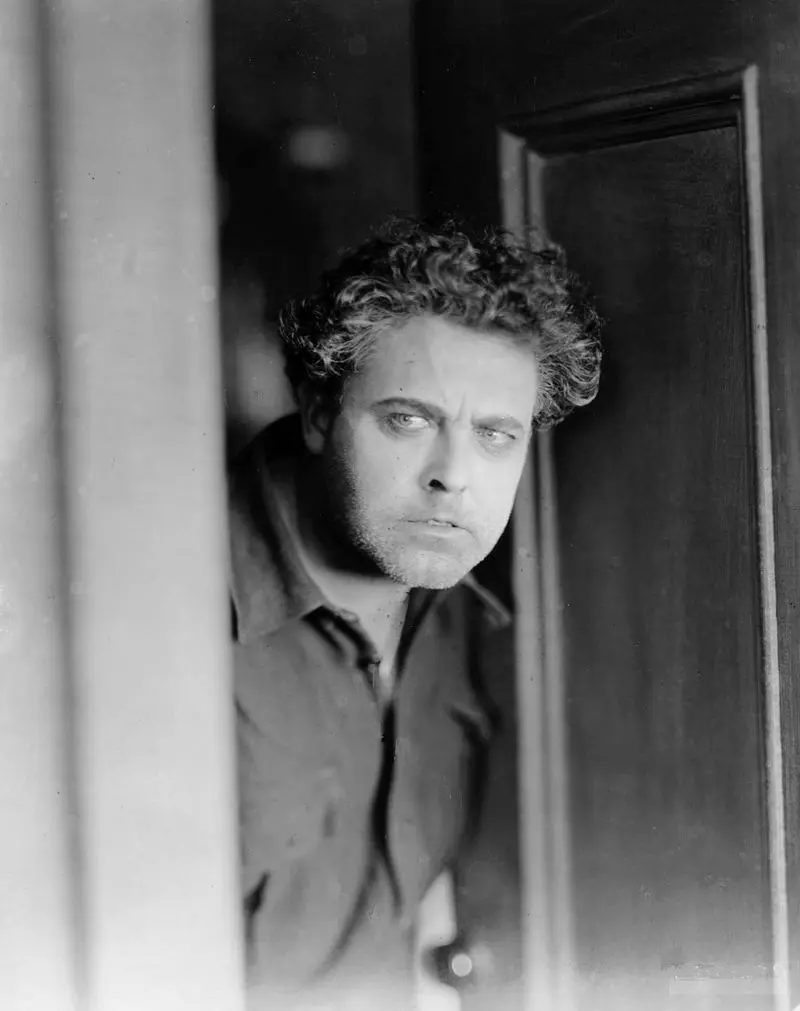
Landers’ realization that his investigation was built on a fallacy is the film's true climax. His professional victory is rendered hollow by the moral stature of the man he was sent to destroy. This irony is a sophisticated touch for a 1920 production, echoing the tragic undertones of Whom the Gods Destroy. The resolution, which sees Landers finding love amidst the ruins of his mission, provides a necessary catharsis, but the film leaves the audience with a lingering sense of the complexity of human motivation.
In the broader context of silent cinema, The Scuttlers deserves to be remembered as more than just a Fox Film Corporation programmer. It is a precursor to the maritime noirs of the 1940s, a film that understands that the dark corners of the human soul are often mirrored in the dark depths of the sea. Its influence can be seen in the way it balances high-stakes action with intimate character studies, a feat not always achieved in films like Blood Will Tell or The Moment of Victory.
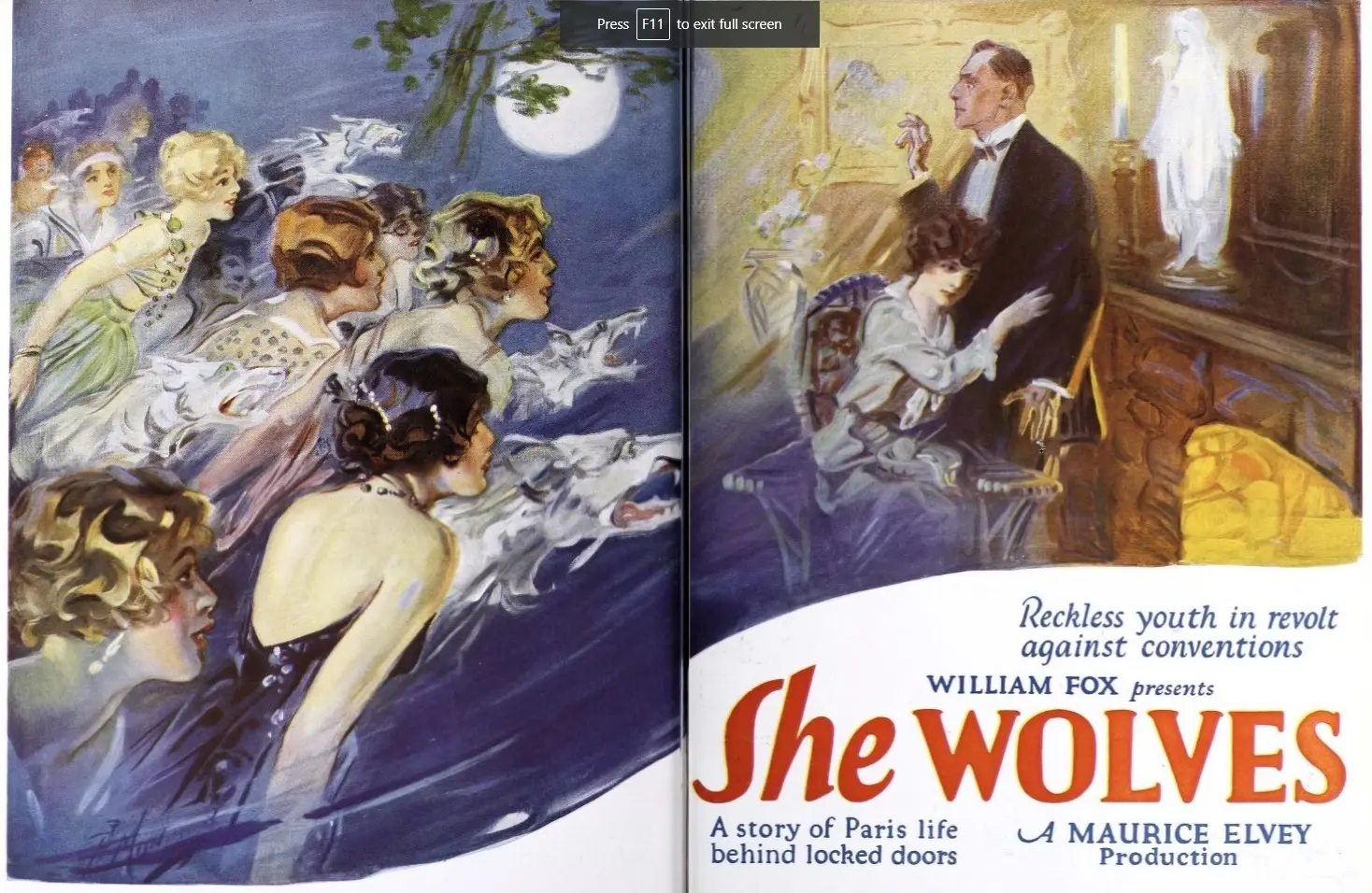
For the modern viewer, the film offers a window into a world where the boundaries of the known map were still being drawn, and where the honor of a sea captain was a matter of life and death. It lacks the comedic levity of Passing the Buck or the domestic focus of Házasodik az uram, but in their place, it offers a profound meditation on the nature of truth. The Scuttlers is a haunting, evocative piece of filmmaking that proves that even in the silent era, cinema was capable of speaking volumes about the human condition. It is a journey worth taking, a voyage that reminds us that even when the ship goes down, the truth has a way of floating to the surface.
Reviewer Note: Fans of rugged silent dramas like Immediate Lee will find much to admire in Farnum's grit, though the maritime setting provides a unique aesthetic flair that sets this film apart from the standard Western or urban drama of the time.
IMDb —
1934
Community
Log in to comment.