DbcultAccessing Vault...
Cult Review
Senior Film Conservator
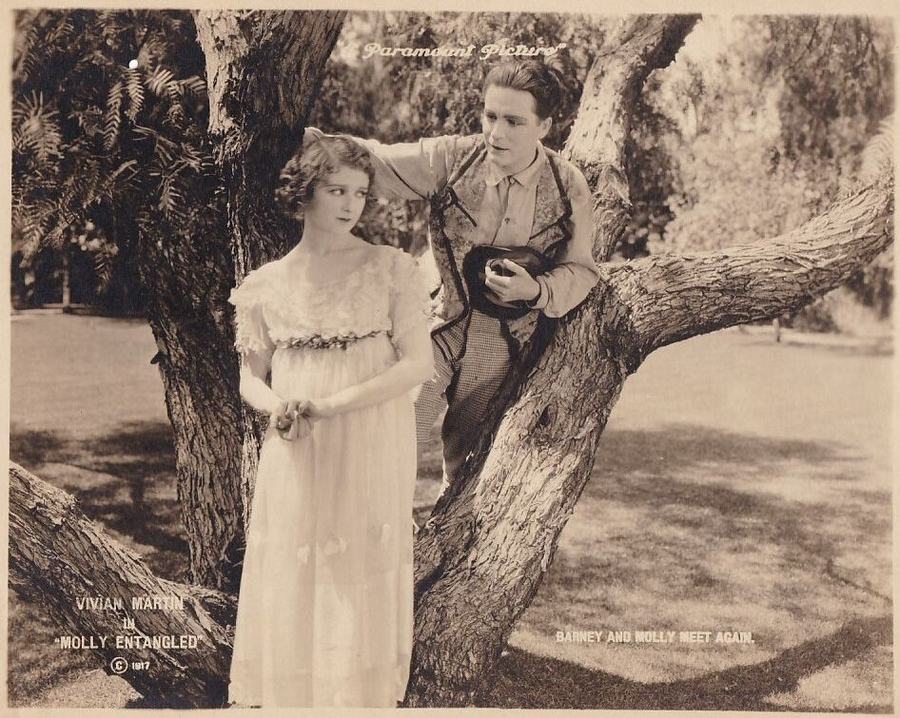
Ah, the silent era! A time when emotions were writ large across the screen, when the grand gestures and operatic twists of melodrama reigned supreme. In this vibrant tapestry of early cinema, few films capture the essence of a bygone dramatic sensibility quite like 1917's Molly Entangled. It's a film that, despite its century-plus vintage, still possesses a remarkable capacity to charm, to provoke, and to remind us of the enduring power of a well-spun yarn. This isn't just a historical curiosity; it's a pulsating narrative born from the very heart of human dilemmas: duty versus desire, the shackles of inheritance, and the breathtaking audacity of fate. For anyone keen to explore the foundations of cinematic storytelling, or simply to lose themselves in a tale of love, loss, and a most fortuitous deception, Molly Entangled offers a compelling, if occasionally farcical, journey. It's a testament to the era's ability to craft narratives that, even without spoken dialogue, communicated profound human experiences with stunning clarity and often, delightful exaggeration.
The narrative engine of Molly Entangled is ignited by the formidable will of old Mr. Barry, a document that serves not merely as a legal instrument but as a narrative antagonist, dictating the very course of lives from beyond the grave. His decree is stark: if his wayward son, Jim, fails to secure a matrimonial bond, the vast Barry estate—the very bedrock of the family's social standing and financial security—will be irrevocably diverted to the rival O'Mara clan. This isn't just a matter of property; it's a question of legacy, of familial pride, and of the precariousness of social standing in an era defined by inherited wealth. Jim, portrayed with a certain dissolute charm, is a character whose life is an ode to irresponsibility. His existence is a series of drunken misadventures, culminating in a catastrophic fall down a flight of stairs, leaving him teetering on the precipice of death. The doctors' grim prognosis—he has mere hours to live—plunges the formidable Mrs. Barry into a maelstrom of desperation. Her world, built on the foundations of the Barry name and fortune, threatens to crumble. It is in this crucible of impending loss that Mrs. Barry, a woman driven by a potent blend of maternal instinct and patrician protectiveness, conceives of a desperate, audacious plan.
Her plea is directed at Molly Shawn, a young woman whose connection to the Barry family is one of unspoken obligation, a nebulous yet potent sense of indebtedness. Molly, a character imbued with a quiet dignity and an inner strength, finds herself caught in an agonizing ethical quandary. Her heart, irrevocably pledged to the earnest and honorable Barney Malone, pulls her in one direction, while the heavy weight of gratitude and the palpable desperation of Mrs. Barry tug her in another. This central conflict—the individual's yearning for personal happiness pitted against the demands of social duty and perceived obligation—is a timeless theme, here rendered with the heightened emotionality characteristic of silent film. The film masterfully builds the tension around Molly's decision, allowing the audience to feel the suffocating pressure of her predicament. It's a testament to Edith M. Kennedy's writing that this moral dilemma, despite its melodramatic trappings, feels genuinely impactful, forcing Molly to confront the stark choice between her heart's true desire and a selfless, albeit heartbreaking, act of sacrifice. This setup immediately draws parallels to other melodramas of the era where characters are forced into impossible situations, often for the sake of family honor or financial stability, much like the social pressures explored in films such as Rags, where economic hardship often dictated the course of romantic destinies.
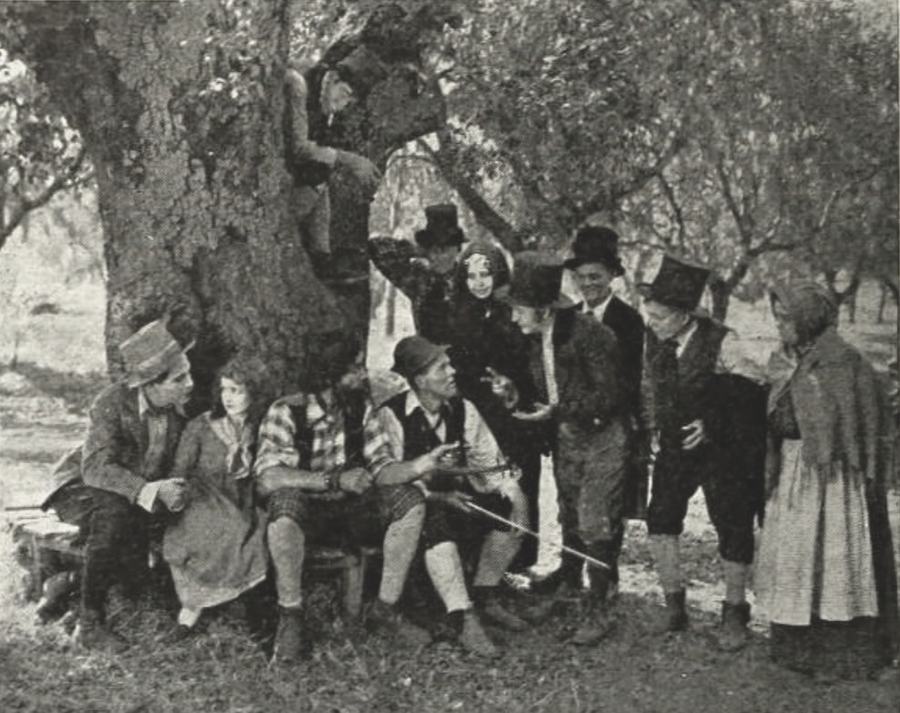
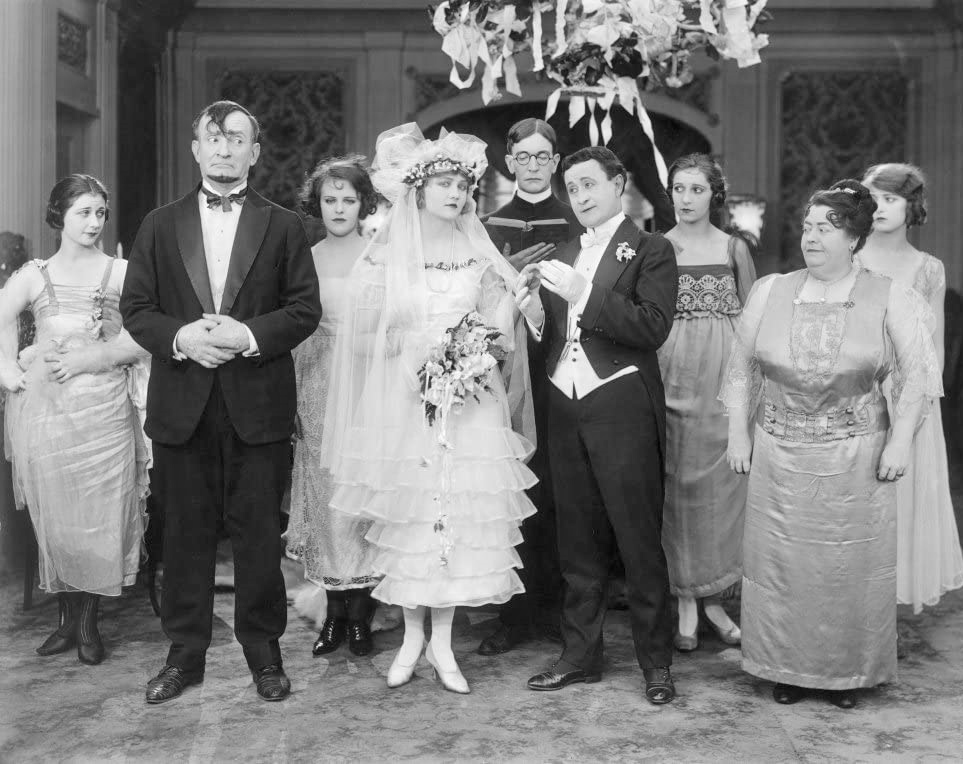
With Molly's reluctant consent, the stage is set for a truly surreal and emotionally charged ceremony. The wedding itself is a solemn farce, a hurried affair conducted under the pall of impending death, a stark juxtaposition of life's most joyous ritual against its most somber inevitability. The atmosphere must have been thick with unspoken grief, desperate hope, and Molly's profound, private sorrow. She exchanges vows with a man she does not love, a man believed to be on his deathbed, all to uphold a family's legacy that is not even truly her own. The audience is left to ponder the depth of her sacrifice, the quiet agony etched upon her face as she commits to a future that, by all accounts, should be mercifully brief and then, liberating. This scene, stripped of dialogue, would have relied heavily on Vivian Martin's expressive performance to convey the weight of Molly's decision, her internal conflict made manifest through subtle gestures and tear-filled eyes.
Then comes the audacious twist, a narrative intervention so bold it borders on the divine: Jim, against all medical expectations and the very logic of the plot, miraculously recovers. His return to health shatters the fragile equilibrium, transforming Molly's intended temporary sacrifice into a permanent, agonizing reality. The immediate consequences are devastating for Molly. She is now legitimately married to a man she neither loves nor chose, a man whose recovery condemns her to a future devoid of her true happiness. Her heart, already committed to Barney Malone, is now irrevocably entangled. The film transitions from a tale of noble sacrifice to one of profound emotional purgatory. Molly's days are consumed by a silent yearning for Barney, her future sealed by a union born of desperation, not affection. This sudden reversal serves as the core of the film's melodramatic appeal, creating an immense sense of pathos and injustice. It's a narrative device designed to heighten emotional stakes, forcing the audience to empathize deeply with Molly's predicament. The cruelty of Jim's recovery, from a purely narrative standpoint, is brilliant in its ability to complicate an already fraught situation, delaying the inevitable happy ending and extracting maximum emotional mileage from the audience's investment in Molly's plight. This kind of dramatic irony, where a seemingly positive event (recovery) leads to negative consequences for the protagonist, is a staple of melodrama, often seen in films like After Dark, where fate often conspires against the protagonists in the most unexpected ways.
As Molly's predicament becomes increasingly unbearable, the dramatic tension escalates, drawing the audience deeper into her silent suffering. Her pining for Barney, her beloved, becomes a palpable force, a testament to the power of true affection against the bonds of an unwanted marriage. Just when all hope seems lost, when the weight of her entanglement appears insurmountable, salvation arrives from the most unexpected quarter—a narrative deus ex machina so perfectly timed and theatrically audacious that it could only exist within the realm of classic melodrama. The revelation: the 'priest' who officiated Molly and Jim's hasty vows was, in fact, a common criminal. He had donned sacred vestments not out of spiritual calling, but as a desperate, ingenious disguise to evade the relentless pursuit of the law. This astonishing discovery, a narrative bombshell, instantaneously dissolves Molly's unwanted marital bonds. The ceremony, once a binding legal and emotional anchor, is rendered null and void, a mere charade performed by a man with no authority. It is a moment of pure, unadulterated cinematic catharsis, where the seemingly intractable problem is resolved by an external, often improbable, force.
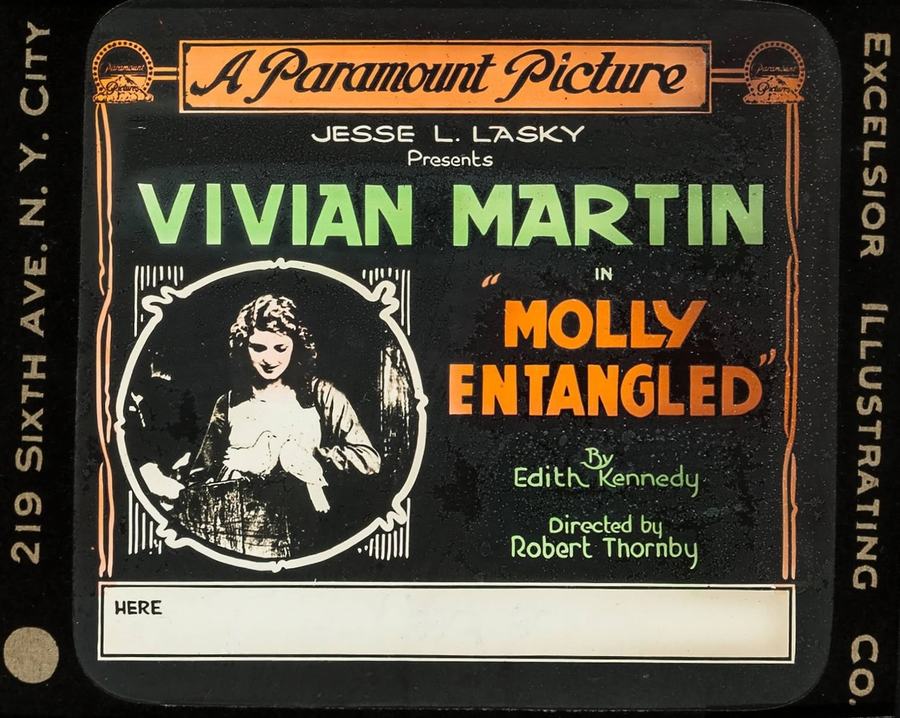
This twist, while perhaps stretching the bounds of credibility for a modern audience, was a perfectly acceptable and often delightful convention in early cinema. It provided a swift, satisfying resolution to complex emotional dilemmas, affirming the triumph of good over adversity, and, in this case, true love over contrived circumstance. Molly, once trapped, is now liberated, disentangled from the web of obligation and legal formality. The path is cleared, finally, for her rightful union with Barney, the man she truly loves. The film concludes with this triumphant affirmation of genuine affection, a joyous resolution that underscores the moral of the story: true love, however circuitous its journey, will ultimately prevail. This kind of revelation, where a character's true identity or legal standing is unexpectedly overturned, is a recurring trope in melodramas and comedies of errors alike, creating a satisfying release for the audience after prolonged emotional suspense. One might even draw a thematic parallel to the dramatic reveals in films like Fine Feathers, where hidden truths similarly upend established realities, albeit with often more tragic consequences. Here, however, the outcome is purely jubilant, a celebration of love conquering all.
In the silent era, the burden of conveying emotion and advancing plot fell squarely on the shoulders of the actors, whose every gesture, every facial expression, had to speak volumes. Vivian Martin, as Molly Shawn, carries this responsibility with remarkable grace and conviction. Her portrayal of Molly is a masterclass in silent screen acting, navigating the character's journey from innocent indebtedness to agonizing entrapment and finally, to radiant liberation. Martin imbues Molly with a quiet dignity, her expressive eyes conveying the depth of her internal conflict—the profound sense of duty warring with her fervent longing for Barney. Audiences would have felt her every tear, her every hesitant smile, her every sigh of despair and eventual joy. Her performance is the emotional anchor of the film, making Molly's predicament genuinely affecting and her ultimate disentanglement truly satisfying.
Harrison Ford, portraying the earnest Barney Malone, provides the steadfast emotional counterpoint to Molly's turmoil. His character is the embodiment of unwavering love and honorable intent, a beacon of hope in Molly's darkest hours. Ford's performance, though perhaps less overtly dramatic than Martin's, is crucial in establishing the sincerity of their romantic bond, making their eventual reunion all the more poignant. Helen Dunbar, as Mrs. Barry, delivers a compelling performance as the desperate matriarch, driven to extraordinary measures to protect her family's legacy. Her portrayal captures the fierce protectiveness and social anxieties of the era's upper classes, making her initial manipulation of Molly understandable, if not entirely sympathetic. The supporting cast, including William A. Carroll, G.S. Spaulding, Jane Keckley, Noah Beery, and Gibson Gowland, each contribute to the film's rich tapestry, their distinct characterizations adding depth to the narrative landscape, even if their roles are less central to the emotional core.
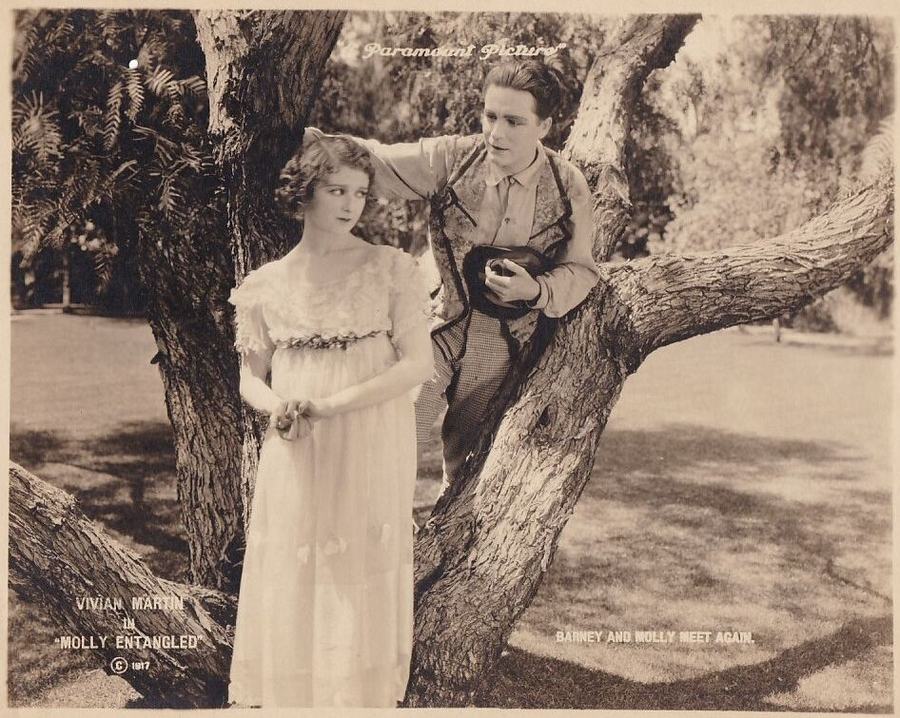
The direction, under the guidance of its creative team, would have focused intensely on visual storytelling. Without dialogue, the camera's angles, the composition of shots, and the editing rhythms were paramount. Intertitles, sparingly and effectively used, would have provided crucial dialogue and exposition, but the primary narrative drive came from the actors' physicality and the carefully orchestrated mise-en-scène. The film likely employed close-ups to emphasize emotional states, medium shots to establish character interactions, and wider shots to contextualize the grand Barry estate and its societal implications. The pacing would have been deliberate, allowing the emotional beats to resonate, building suspense through visual cues and the escalating tension of Molly's predicament. While specific directorial credits for this film are not widely detailed, the success of such a narrative relied on a clear vision for how to translate Edith M. Kennedy's intricate plot into a visually coherent and emotionally engaging experience, a challenge that many filmmakers of the period, like those behind The Commanding Officer, excelled at, using visual cues to convey rank, duty, and internal conflict.
Molly Entangled, like many films of its vintage, is a rich tapestry of enduring thematic explorations. At its core lies the perennial conflict between duty and personal happiness. Molly's initial sacrifice, driven by a sense of obligation, forces a poignant examination of the societal pressures that often compel individuals to subsume their desires for the greater good of family or community. This theme resonates deeply, reflecting a societal structure where individual autonomy was often secondary to familial and economic stability. The formidable power of inheritance and class distinctions also plays a pivotal role, with old Mr. Barry's will serving as the ultimate arbiter of fate, demonstrating how wealth and social standing could dictate the very trajectories of human lives. The film subtly critiques, or at least highlights, the rigid structures of an era where property often trumped passion.
Furthermore, the narrative leans heavily into themes of deception and mistaken identity, albeit with a benevolent outcome. The 'fake priest' twist is the ultimate expression of this, a clever narrative device that both creates and resolves the central conflict. Such plot contrivances were a hallmark of melodramatic storytelling, offering audiences thrilling reversals and satisfying resolutions. Edith M. Kennedy's writing, while adhering to the conventions of the era, demonstrates a keen understanding of how to build suspense and elicit strong emotional responses from the audience. She crafts a story that, despite its fantastical elements, feels grounded in universal human experiences of love, loss, and the yearning for freedom. Her ability to navigate these complex emotional landscapes without spoken dialogue, relying instead on the visual grammar of silent film, is commendable. The film's place within silent cinema is significant as a prime example of a well-executed melodrama, showcasing the genre's capacity for both high drama and lighthearted resolution. It stands alongside other compelling narratives of the period, such as The Waxen Doll, which similarly explored themes of identity and perception, albeit through a more Gothic lens. While Molly Entangled ultimately opts for a happy ending, it does not shy away from the emotional turmoil preceding it, offering a balanced portrayal of human resilience.
In retrospect, Molly Entangled is far more than just a relic from the early days of cinema; it is a vibrant, emotionally resonant piece of storytelling that continues to captivate. Its strengths lie in its clear-cut narrative, its compelling character arcs, and the stellar performances of its lead actors, particularly Vivian Martin, who imbues Molly with an unforgettable blend of vulnerability and strength. The film perfectly encapsulates the melodramatic conventions of its time—the grand gestures, the extreme emotional states, and the satisfyingly neat resolution—yet it transcends mere genre exercise through its earnest exploration of universal themes. The journey of Molly Shawn, from a young woman bound by obligation to one liberated by a twist of fate, remains a powerful testament to the triumph of genuine affection over the most convoluted of circumstances. For those who appreciate the artistry of silent film, or simply a well-told story that tugs at the heartstrings and delivers a joyous conclusion, Molly Entangled is an absolute must-watch, a delightful plunge into the dramatic sensibilities of a bygone era, proving that even without a single spoken word, a film can speak volumes about the human heart.
IMDb —
1926
Community
Log in to comment.